

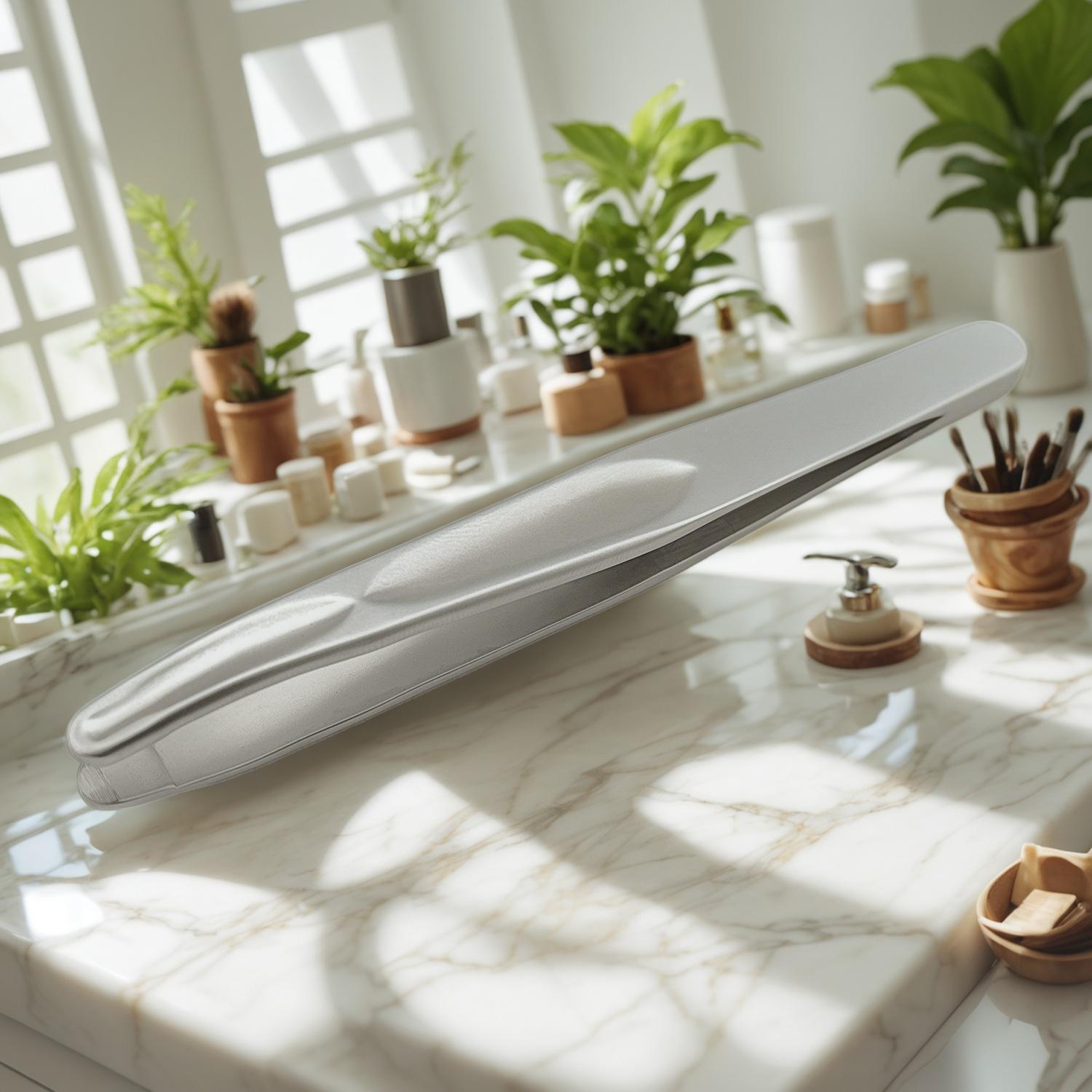
Precision Tweezers for Eyebrow Grooming: What Buyers Should Check Before Sourcing
Eyebrow grooming looks simple, but the tool does most of the work. A well-made pair of tweezers can grip a single fine hair cleanly, remove it without repeated pulling, and help the user shape brows with more control. A poorly finished pair can slip, break hair at the surface, pinch skin, or feel uncomfortable after only a few minutes of use.
For beauty brands, salons, retailers, and distributors, choosing tweezers for eyebrow grooming is not just about appearance. The right decision depends on tip alignment, material, hand feel, surface finish, consistency across batches, and packaging suitability. Whether you are comparing ready-to-source beauty tool products or planning custom made tweezers, the most important question is the same: will the tool perform reliably in everyday grooming?
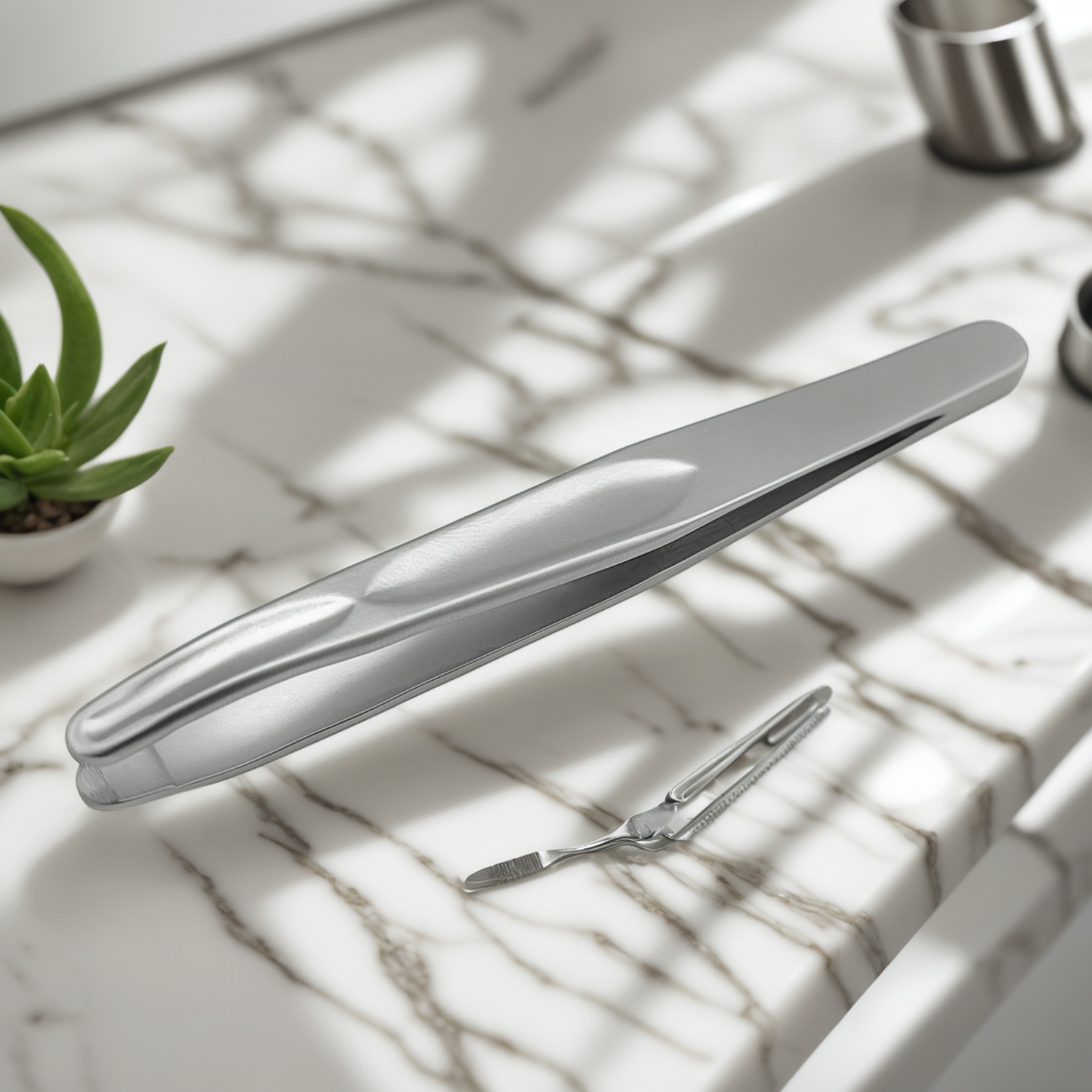
Why eyebrow tweezers require more precision than general tweezers
Eyebrow hair varies in thickness, direction, and growth stage. Some hairs are coarse and easy to grasp, while others are short, pale, or newly emerging. A tweezer used for brow shaping must be able to grip these different hair types without crushing, sliding, or forcing the user to pull several times. This is why eyebrow tweezers need more careful construction than a general household tweezer.
The key performance point is the meeting surface of the tips. When the two sides close, they should make even contact across the working edge. If only the outer corner touches, the tool may miss fine hair. If the center touches too strongly, the tips can spread or fail to grip evenly. This small detail has a large effect on the user experience.
For brow grooming, control also matters. Users often work close to the eye area, so the tool must feel stable in the hand. A balanced tweezer helps the user remove one hair at a time, follow the natural brow line, and avoid over-plucking. For professionals and frequent users, small improvements in grip, pressure, and tip accuracy can reduce hand fatigue and improve consistency.
Tip styles and grooming use cases
Different tweezer tips serve different brow-grooming tasks. The supplied page focuses on precision eyebrow tweezers, so buyers should think beyond a single attractive shape and consider the actual grooming scenario. A retail customer may want one versatile tool, while a salon buyer may prefer several tip options for different treatments.
| Tip consideration | Best use | Buyer notes |
|---|---|---|
| Slanted working edge | General eyebrow shaping and daily stray-hair removal | Often preferred because it gives both surface contact and visibility around the brow line. |
| Fine point or pointed end | Isolating very short or fine hairs | Requires careful finishing and protective packaging to avoid tip damage. |
| Flat contact surface | Gripping slightly thicker hairs | Useful when even pressure is more important than pinpoint isolation. |
| Angled handle feel | Close work around the arch and tail of the brow | Comfort depends on hand size, pressure, and surface texture. |
A product line does not need every option, but it should match the target customer. A compact beauty kit may require one practical pair for everyday shaping. A salon-focused range may benefit from separate tools for coarse hair removal and close-detail work. For private-label projects, the tip style should be decided before surface color, logo placement, or retail packaging, because tip performance is what customers will notice first.
Material, finish, and durability factors
The original product description highlights premium-grade stainless steel, durability, and rust resistance. These are important advantages for eyebrow tweezers because the tool may be stored in bathrooms, cosmetic bags, salon stations, or travel cases. Stainless steel also supports a clean, professional appearance that suits both retail and professional beauty environments.
Material alone, however, does not guarantee performance. Buyers should review how the tweezer is formed, finished, and checked. Edges must be smooth enough not to scratch the skin, while the gripping surface must still have enough contact to hold hair securely. The spring tension should not be too loose or too stiff. If the tweezer requires excessive pressure, users may lose accuracy; if it closes too easily, it may feel weak or unstable.
- Tip alignment: The two sides should meet evenly when closed, with no visible twist or gap at the working edge.
- Edge finish: The gripping area should catch hair, not skin, and should not feel sharp in an unsafe way.
- Handle pressure: The tweezer should close smoothly with controlled resistance.
- Surface treatment: Polished, matte, or coated finishes should be even and free from rough spots.
- Rust resistance: Stainless steel selection and finishing should support normal beauty-tool storage and cleaning.
- Tip protection: Fine tips should be protected during packaging, shipment, and retail display.
These criteria are especially useful when evaluating samples. A tweezer can look acceptable in product photography but still fail during close use. Testing with different hair thicknesses gives a more accurate picture of real performance.
How to evaluate sample tweezers before placing an order
Sampling is the stage where buyers should be practical and strict. The goal is not only to approve the design, but to confirm that the tweezer performs repeatedly under normal conditions. A simple inspection routine can reveal most common problems before packaging design and production planning move forward.
- Check visual symmetry. Hold the tweezer under good light and confirm that both arms are even, the tips meet cleanly, and the body is not warped.
- Test fine hair grip. Use the tweezer on very fine hair or a similar thin fiber. It should grasp without sliding when light pressure is applied.
- Test short hair control. Try catching a short hair close to the surface. This helps show whether the tip is precise enough for brow maintenance.
- Assess comfort. Open and close the tweezer repeatedly. The resistance should feel controlled, not tiring or flimsy.
- Inspect surface finish. Run a finger carefully along the handle and edges to detect burrs, rough areas, or uneven coating.
- Review packaging fit. Ensure the tip is protected and the tool cannot move in a way that damages alignment during transport.
For teams comparing multiple suppliers, it helps to score each sample with the same checklist. Tip alignment, grip performance, hand feel, finish quality, and packaging protection should be rated separately. This prevents a visually attractive sample from being selected if it does not remove hair cleanly.
Custom made tweezers for retail and professional beauty lines
Custom made tweezers can support a brand’s product strategy when customization is handled around real user needs. Color, logo, and packaging are important for shelf presentation, but the tool must first be suitable for eyebrow grooming. A strong custom program starts by defining the customer: home users, professional brow artists, salon retail customers, travel-kit buyers, or gift-set shoppers.
Once the audience is clear, customization choices become easier. A home-use tweezer may need simple instructions and protective storage. A professional tool may prioritize comfortable tension and dependable tip alignment over decorative details. A retail gift set may require coordinated packaging with other accessories from product collections. For beauty brands, the tweezer should also fit the rest of the range in color, finish, and perceived quality.
Useful customization planning points include handle shape, finish type, logo position, protective cap or sleeve, card or box packaging, and whether the product will be sold alone or in a set. If the tweezer is intended for e-commerce, packaging should also protect the tips during parcel shipping, not only look good on a shelf.
Quality control questions for an eyebrow tweezer manufacturer
Olimor Beauty emphasizes precise manufacturing steps and quality checks, from raw materials to final packaging. For buyers searching for an eyebrow tweezer manufacturer in China, the most useful discussions are specific and measurable. Instead of relying only on broad claims, focus on how the supplier controls the details that affect end users.
Key manufacturing and quality topics include how tip alignment is checked, how surface defects are identified, how finished tools are protected before packing, and how consistency is managed from sample approval to production. It is also sensible to compare retained samples with production samples so the approved standard remains clear.
When reviewing a supplier, prepare a written specification that includes drawings or reference images, acceptable finish, packaging method, logo requirements, and inspection priorities. This helps both sides avoid unclear expectations. Buyers who need support choosing a suitable product direction can contact Olimor for discussion, or send an inquiry with target market, packaging preferences, and intended use.
Care guidance that improves customer satisfaction
Eyebrow tweezers last longer when customers understand basic care. Clear care instructions also reduce avoidable complaints. After use, the tips should be wiped clean and dried before storage. The tool should not be dropped on a hard surface, because even a small impact can affect tip alignment. If the tweezer has a fine point or precisely finished edge, a protective cap or sleeve is helpful.
Retail packaging can include simple reminders: use on clean skin, pull hair in the direction of growth, work in good light, and avoid over-plucking. These instructions do not replace product quality, but they help users get better results from a well-made tool. For brands, this kind of practical guidance makes the product feel more professional and reduces misuse.
Selecting tweezers with performance in mind
The best tweezers for eyebrow grooming are not defined by appearance alone. They combine stainless steel durability, careful tip alignment, comfortable grip, controlled tension, smooth finishing, and suitable packaging protection. For buyers, the smartest approach is to test performance first, then refine customization and presentation.
Whether sourcing a single retail tweezer or developing custom made tweezers for a beauty line, start with the details users feel immediately: does it grip fine hair, does it close evenly, and does it remain comfortable during precise work? When those fundamentals are right, the final product is more likely to earn repeat use and customer trust.
Tag: