

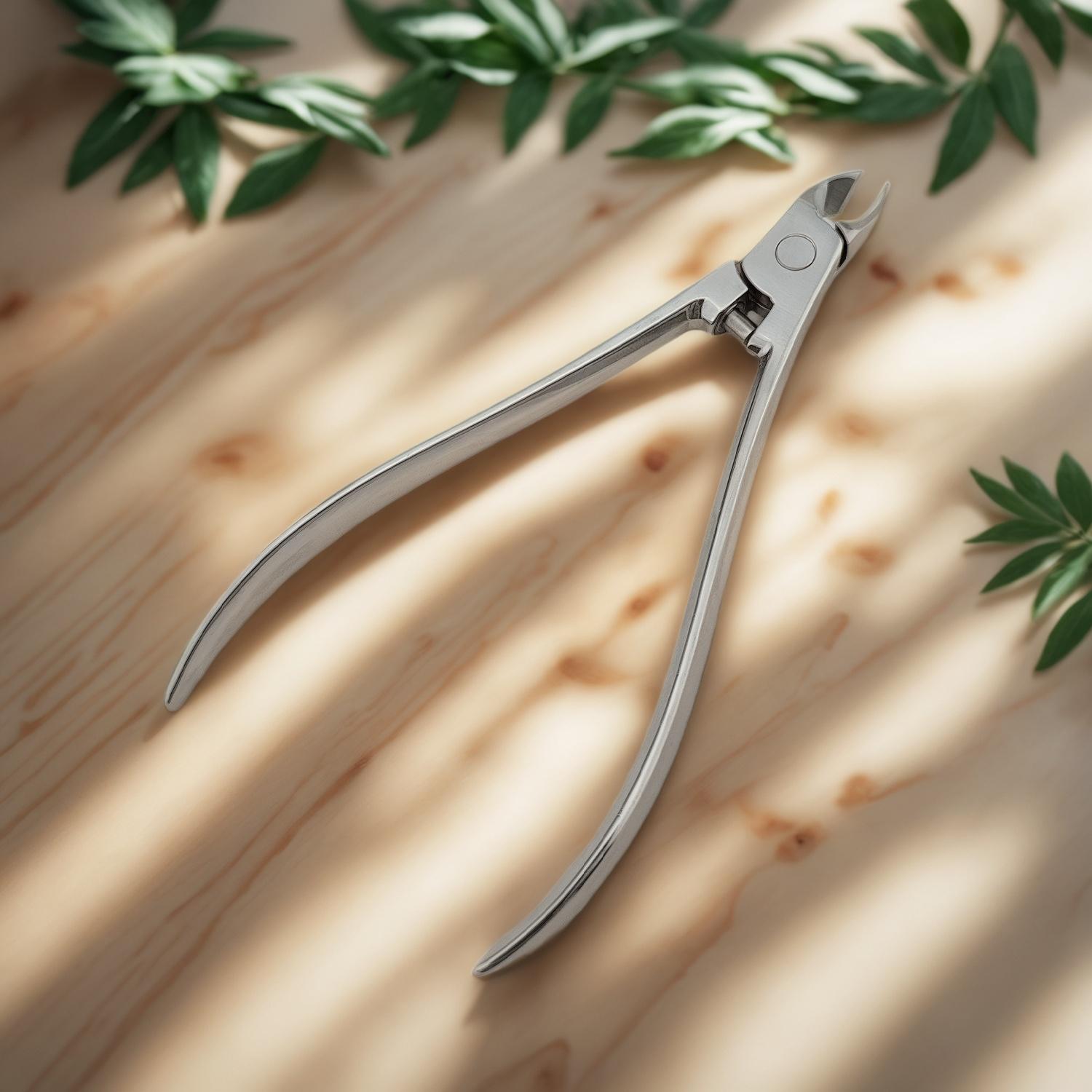
Precision Cuticle Nippers for Salons: What Professionals Should Look For
Cuticle nippers for salons are small tools, but they have a direct effect on service quality, hygiene, technician comfort, and client confidence. A nipper that feels unstable, pinches instead of cuts, or loses alignment quickly can slow down appointments and increase the risk of rough-looking cuticle work. For nail salons, spa manicure stations, beauty distributors, and professional buyers, choosing the right nipper is not only about appearance. It is about consistent control during repeated daily use.
Olimor Beauty offers the Stainless Steel Professional Nail Nipper for salons that need a practical, professional cuticle tool for detailed grooming work. The supplied product information highlights stainless steel construction, ergonomic design, and internal quality control. Those three points matter because a salon nipper must support clean cutting, hygienic handling, and comfortable use across multiple services per day.
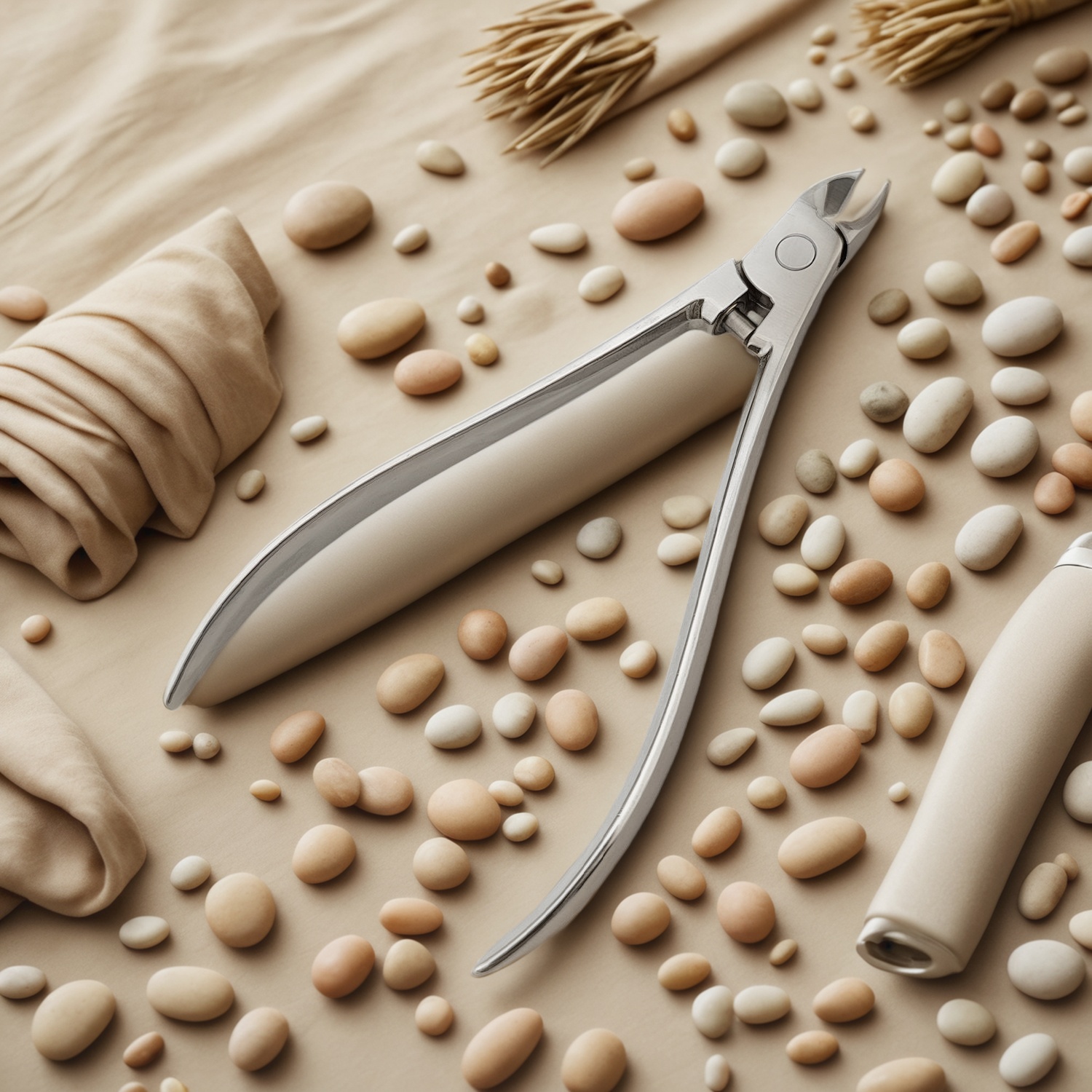
Why Cuticle Nippers Matter in Professional Nail Services
Cuticle care is one of the most visible parts of a manicure or pedicure. Even when the polish application is excellent, uneven hangnail removal or ragged cuticle edges can make the final result look unfinished. A precise cuticle nipper allows the technician to remove only the necessary dry skin or loose cuticle without over-cutting healthy skin.
In a salon setting, the tool also has to perform under real working conditions. It may be used for back-to-back services, handled by technicians with different hand sizes, cleaned repeatedly, and stored alongside other nail tools. A professional buyer should therefore evaluate nippers as working instruments rather than simple accessories. The best choice is usually the one that balances precision, durability, hygiene, and ease of control.
For salons building or refreshing their tool kit, cuticle nippers should be considered alongside pushers, clippers, files, buffers, and sanitation supplies. You can review broader sourcing categories through Olimor Beauty’s beauty tool products or explore related product collections when planning a complete professional nail care assortment.
Stainless Steel Construction: A Practical Salon Priority
The original product details state that the Stainless Steel Professional Nail Nipper is made from premium stainless steel. For salons, stainless steel is a practical material choice because cuticle tools are exposed to moisture, cleaning routines, and repeated handling. A tool used around the nail area must be easy to clean and suitable for hygienic professional workflows.
When comparing stainless steel nippers, buyers should focus on practical questions rather than marketing descriptions. Does the tool feel solid when opened and closed? Are the jaws aligned evenly? Does the hinge move smoothly without wobbling? Is the surface finish easy to wipe and inspect after cleaning? These details influence how confidently a technician can work around the cuticle line.
Stainless steel also supports a more professional presentation at the manicure table. Clients often notice whether tools look clean, sturdy, and well maintained. A polished, well-kept nipper helps communicate that the salon takes sanitation and service standards seriously. However, material alone is not enough. The cutting edge, tension, handle shape, and maintenance routine all contribute to long-term performance.
How to Evaluate Cutting Precision Before Buying
A cuticle nipper should cut cleanly without tearing. In daily salon work, tearing is one of the clearest signs that the blade edge, jaw alignment, or technician control is not ideal. A precise tool should close evenly at the tip, allow controlled pressure, and reach small areas around the nail fold without forcing the hand into an awkward angle.
Professional buyers can use the following checklist when assessing samples or comparing options:
- Jaw alignment: The two cutting edges should meet evenly, especially at the tip, where detailed work is often done.
- Smooth opening and closing: The movement should feel controlled, not loose, gritty, or overly stiff.
- Tip access: The end of the nipper should allow careful work near small hangnails and dry skin without obstructing the technician’s view.
- Grip comfort: Handles should remain comfortable during repeated use and should not create unnecessary finger strain.
- Surface finish: The tool should be easy to clean and inspect, with no rough areas that trap residue.
- Consistency across units: For salons buying multiple pieces, similar feel and performance from one nipper to another is important for staff training.
These checks are useful whether purchasing for a single salon station or sourcing for a chain, distributor, or hotel spa program. If you need product clarification or sourcing support, you can contact Olimor with your tool requirements.
Ergonomics for Technicians Who Work All Day
The supplied information notes an ergonomic design, which is especially relevant in salons. Nail technicians repeat the same fine motor movements throughout the day. A tool that requires excessive force can contribute to hand fatigue, especially during busy appointment schedules. Ergonomics in a cuticle nipper does not mean the tool must be bulky or complicated. It means the handle shape, spring response, and balance should help the technician maintain control with minimal strain.
Before purchasing in quantity, salon managers may want to let several technicians handle the nipper. One person may prefer a firmer spring, while another may value lighter movement. The goal is not to find a tool that feels dramatic at first touch, but one that remains comfortable after repeated services. Comfort matters because tired hands often lead to slower work, less consistent pressure, and reduced accuracy near delicate cuticle areas.
Ergonomic evaluation should include how the nipper sits in the hand during both manicure and pedicure services. Pedicure work may involve different angles and longer service times. A balanced nipper can help the technician maintain a neutral wrist position and keep the cutting edge visible throughout the procedure.
Cleaning, Storage, and Maintenance in a Salon Workflow
Even a high-quality cuticle nipper needs proper care. Salons should follow applicable local sanitation regulations and their own professional hygiene protocols. The exact cleaning and disinfection process may vary by region, but the principle is the same: remove visible debris, clean the tool thoroughly, disinfect or sterilize according to the required method, dry it properly, and store it in a clean environment.
A simple maintenance routine can extend useful life and protect service quality:
- Inspect before each service. Check that the cutting edges are aligned and free of visible residue.
- Clean promptly after use. Do not allow nail dust, skin residue, or moisture to remain on the hinge or cutting area.
- Dry thoroughly. Moisture left on metal tools can affect appearance and smooth movement over time.
- Store safely. Keep the cutting edge protected from impact with other tools in drawers or trays.
- Retire damaged tools. If the jaw is bent, the hinge becomes unstable, or the tool no longer cuts cleanly, remove it from client service.
Storage is often overlooked. Dropping a nipper into a mixed container with clippers, pushers, and files can damage the fine cutting edge. Dedicated storage or protective positioning helps preserve the tip and keeps the tool ready for precise work.
Sourcing Cuticle Nippers for Salons, Spas, and Distributors
Salon owners and professional buyers often source cuticle nippers as part of a larger purchasing plan. A salon may need tools for new manicure stations, replacement inventory, staff training kits, or retail-adjacent professional supplies. Spas and hospitality buyers may also coordinate nail care tools with broader beauty and amenity procurement. In those cases, consistency and supplier communication become as important as the single-tool feel.
When sourcing the Stainless Steel Professional Nail Nipper or comparing professional nipper options, create a clear buyer brief. Include the intended use, the number of stations, preferred packaging approach if relevant, cleaning workflow, and any market requirements that apply to your business. This helps avoid vague comparisons and makes it easier to evaluate whether a tool fits your daily operations.
| Buying factor | Why it matters for salons | What to check |
|---|---|---|
| Material | Supports durability and hygienic handling | Confirm stainless steel construction and inspect finish quality |
| Cutting control | Affects precision around cuticles and hangnails | Check jaw alignment, tip contact, and smooth closure |
| Comfort | Reduces hand fatigue during repeated services | Test grip, spring response, and balance with technicians |
| Maintenance | Protects service consistency over time | Plan cleaning, drying, storage, and inspection routines |
| Supply consistency | Important for multi-station or repeat purchasing | Compare samples and define expectations before bulk orders |
For businesses ready to discuss professional sourcing needs, Olimor Beauty provides a direct path to send an inquiry. A focused inquiry with use case, quantity expectations, and any packaging or market requirements will help move the discussion efficiently.
Building Better Nail Services with the Right Tool Choice
Precision cuticle work depends on skill, hygiene, and the right instrument. The Stainless Steel Professional Nail Nipper from Olimor Beauty is positioned for salon use with stainless steel construction, ergonomic handling, and internal quality control. Those are meaningful foundations for buyers who want dependable tools for manicure and pedicure services.
Before making a final sourcing decision, look beyond a quick visual inspection. Test the closing action, examine the cutting tip, consider technician comfort, and plan how the nippers will be cleaned and stored after every service. A well-chosen cuticle nipper helps technicians work more confidently and helps salons deliver cleaner, more consistent nail care results for every client.
Tag: