

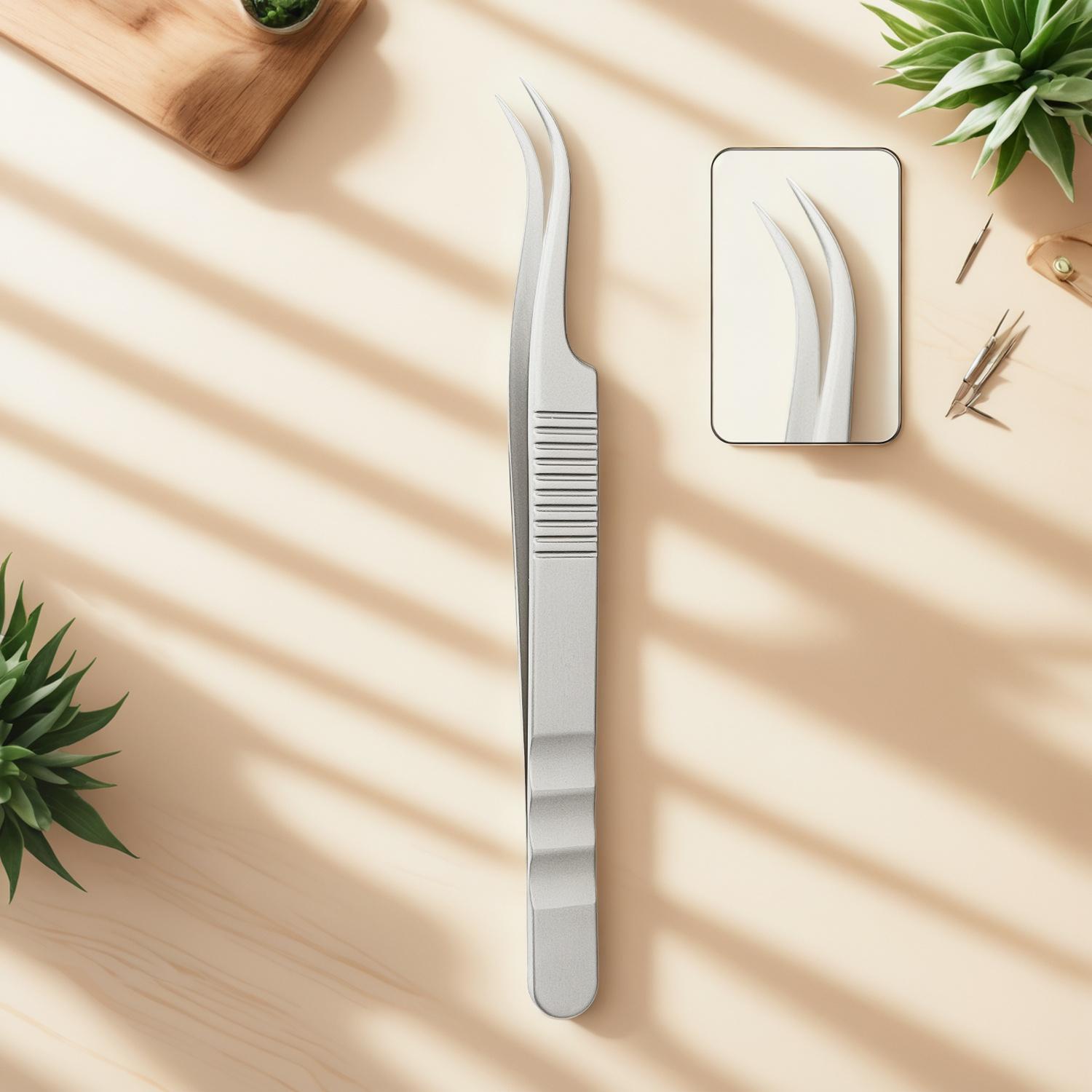
Personalized Tweezers for Beauty Brands, Salons and Detail Work
Personalized tweezers are small tools, but they carry a surprising amount of responsibility. A good pair must grip cleanly, feel controlled in the hand and keep its alignment through repeated use. When the tool is customized for a salon, retail line, beauty kit or promotional program, it also needs to represent the buyer’s brand in a consistent and practical way.
Olimor Beauty supplies tweezers for beauty and grooming applications, including personalized tweezers, bulk order tweezers and OEM custom tweezers. The right selection depends on how the tweezers will be used, who will use them and what level of customization is needed. A salon that needs reliable back-bar tools may prioritize comfort and repeatability, while a retail beauty brand may focus more on finish, packaging and brand presentation.
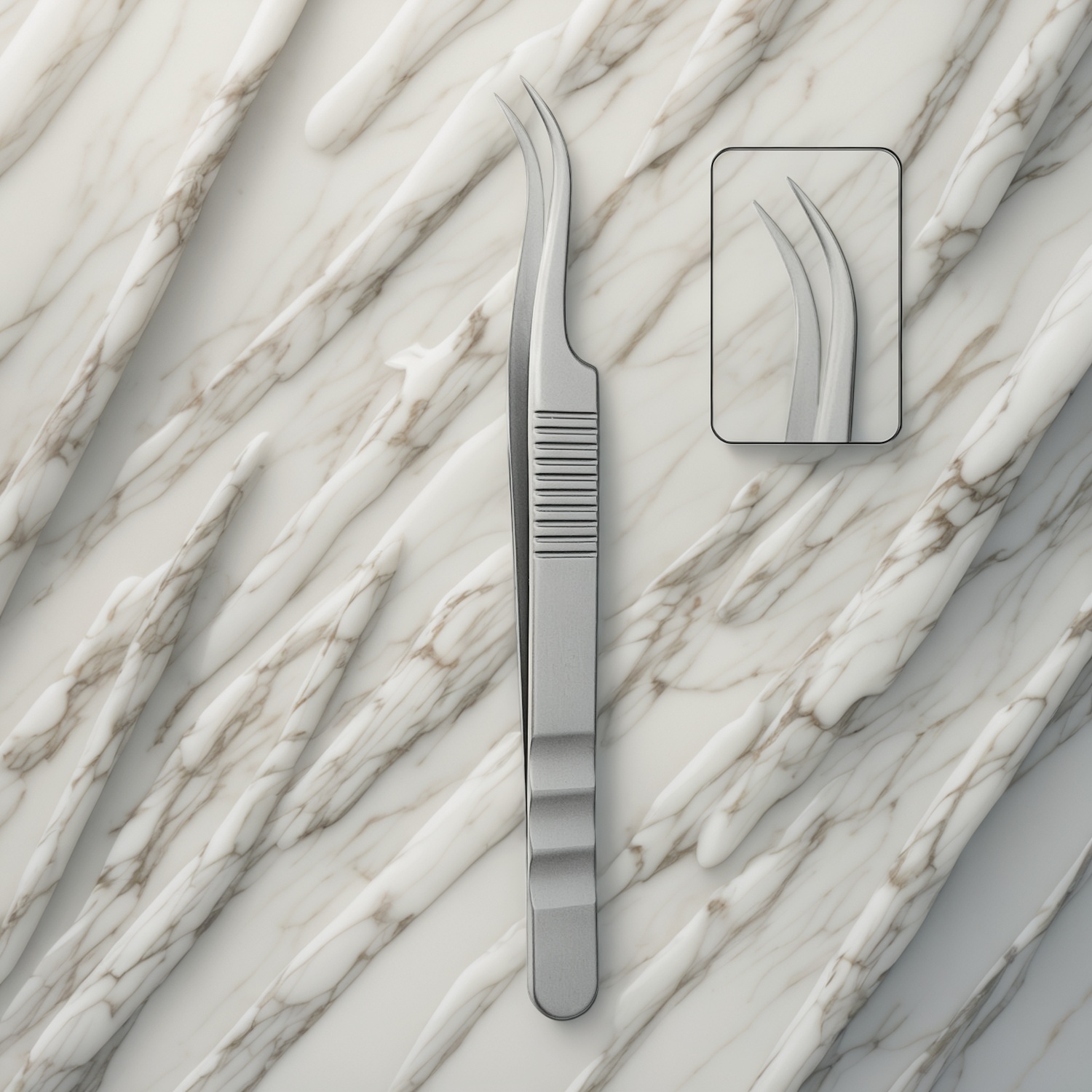
What Makes Personalized Tweezers Useful Beyond Decoration?
Personalization is often associated with logos or engraved names, but the most useful custom decisions start with function. Tweezers are used for eyebrow shaping, stray hair removal, lash-related grooming, craft handling and other detailed tasks. In each case, the user needs tip contact, grip comfort and predictable spring tension.
For beauty businesses, personalization can help separate professional tools from consumer tools, identify retail product lines or create cohesive sets for kits. It can also reduce tool mix-ups in salon environments when colors, markings or branding are applied thoughtfully. For gift sets and branded merchandise, the customization should still support the tool’s main purpose: accurate, controlled gripping.
When comparing personalized tweezers, buyers should look at the full product experience rather than only the visible branding. The tweezer should close evenly, meet at the tips without obvious gaps, and feel secure without requiring excessive pressure. Surface finishing should be clean and comfortable against the fingers. If packaging is included, it should protect the tip alignment during shipping and storage.
Choosing Tip Shapes for the Intended Use
The tip is the most important performance area of any tweezer. Even when exact specifications are customized later in an OEM project, buyers should begin by defining the task. A tweezer designed for general grooming may not be ideal for extremely fine detail work, and a pointed tweezer may not be the best choice for casual beauty retail customers who prefer easier control.
- Slant tips: Common for eyebrow shaping and general grooming because the angled edge gives visibility and controlled contact.
- Pointed tips: Useful for very fine detail work where precision is more important than broad gripping surface.
- Flat tips: Suitable for gripping wider or delicate items when even pressure is helpful.
- Rounded or safety-focused profiles: Often considered when the product is intended for broader consumer use and comfort is a priority.
For bulk order tweezers, the safest choice is usually the shape that matches the largest share of the intended users. For an OEM custom tweezer line, it may be practical to create more than one tip option if the brand serves different grooming habits or price tiers. The key is to avoid choosing a tip only because it looks attractive in photography; the shape must match the user’s hand skill and application.
Bulk Order Tweezers: What Buyers Should Standardize
Bulk purchasing can help salons, distributors, beauty kit assemblers and promotional buyers maintain consistency across many units. However, ordering a large quantity of tweezers without clear standards can lead to inconsistent user experiences. Before confirming a bulk order, it is helpful to define what should remain the same across every piece.
Important standardization points include overall tweezer size, tip style, closing feel, surface finish, color direction, branding placement and packaging format. If the tweezers will be included in a kit, buyers should also consider how they fit with other tools and whether the packaging protects the tips from pressure during transit.
| Buyer type | Typical priority | Selection focus |
|---|---|---|
| Salon or brow studio | Daily control and comfort | Tip alignment, grip feel, easy identification |
| Retail beauty brand | Consistent shelf presentation | Finish, logo placement, packaging protection |
| Beauty kit supplier | Compatibility with a complete set | Tool size, color matching, secure packing |
| Promotional buyer | Brand visibility and practical use | Simple customization, durable marking, safe storage |
Bulk order tweezers should not be evaluated only by appearance. A visually attractive finish is valuable, but poor tip contact will quickly disappoint users. Requesting clear confirmation of key requirements, comparing samples when appropriate and checking how the tweezer performs after repeated opening and closing can prevent many problems before production.
OEM Custom Tweezers: Decisions to Clarify Early
OEM custom tweezers give brands more control over how the product looks and feels. Customization may involve tip shape, finish direction, logo application, packaging concept or other product details. The best OEM projects begin with a simple product brief that describes the target user and the sales channel.
For example, a brow-focused brand may need a tweezer that feels precise and professional, while a travel beauty kit may require a compact format and protective packaging. A premium gift set may put more emphasis on tactile finish and presentation. These are different projects, even if all of them use tweezers as the base product.
Before developing OEM custom tweezers, define the following:
- Target user: Professional technician, everyday consumer, gift recipient, kit buyer or hobby user.
- Main task: Brow grooming, fine detail work, general beauty use or multi-purpose handling.
- Brand expression: Minimal, colorful, luxury-oriented, clinical, playful or practical.
- Packaging role: Retail display, e-commerce shipping, kit insertion, salon storage or promotional giveaway.
- Quality checkpoints: Tip alignment, surface finish, logo clarity, opening tension and packaging condition.
This approach helps avoid over-customization. A tweezer does not need every possible design feature to be effective. It needs the right features for the person using it and the environment where it is sold or stored.
Quality Checks That Matter for Precision Tweezers
Tweezers look simple, but small differences in alignment and finishing can change performance. For professional or branded use, quality review should include both visual inspection and functional handling. Buyers do not need complicated laboratory language to evaluate the basics; they need consistent criteria.
Start with the tips. When the tweezer is closed lightly, the tips should meet in a controlled way. There should not be obvious twisting, uneven contact or rough edges that could affect use. Next, check the closing feel. The tweezer should provide enough resistance for control without feeling stiff. The surface should be smooth enough for comfortable handling and free from distracting defects.
Branding should also be reviewed as part of quality, not treated as a separate decoration. Logos, names or markings should be placed where they do not interfere with grip. If engraving or printing is used, the result should be legible and aligned with the brand’s visual standards. Packaging should hold the tweezer securely and protect the working tips.
Care, Storage and User Guidance
Even well-made tweezers need proper care. Beauty businesses that sell or distribute personalized tweezers can improve customer satisfaction by including simple care instructions. Users should keep the tips protected, avoid dropping the tool on hard surfaces and clean the tweezer after use according to the intended hygiene practice for the setting.
For salons, separate storage can help prevent tool damage and cross-use confusion. For retail buyers, a cap, sleeve or protective package can help keep the tips aligned before the customer opens the product. For beauty kits, the tweezer should be positioned so that pressure from nearby tools does not bend the tips during transportation.
It is also useful to explain the intended application. A pointed tweezer should be used with more caution than a slant tweezer. A cosmetic grooming tweezer should not be promoted for tasks outside its intended use. Clear guidance reduces misuse and helps the buyer’s brand appear more professional.
How to Plan a Personalized Tweezer Project with Olimor Beauty
A successful personalized tweezer order begins with a clear purpose. If you are comparing options for salon supply, retail packaging or OEM development, start by reviewing the broader range of beauty tool products and considering how tweezers fit into your total assortment. If your project is part of a grouped launch, the product collections page can help you think about tool compatibility and presentation.
When preparing a project brief, include the intended use, preferred tip style, quantity direction, branding needs, packaging expectations and any reference requirements that matter to your market. Keep the brief practical: the goal is to match product function, visual identity and buying channel without adding unnecessary complexity.
Olimor Beauty works with buyers seeking personalized tweezers, bulk order tweezers and OEM custom tweezers for beauty-related applications. To discuss a new project, you can contact Olimor with your product direction or send an inquiry for a quotation conversation. A focused request makes it easier to identify the right tweezer structure, customization method and packaging direction for your audience.
Personalized tweezers should be judged by more than color or logo placement. The strongest products combine accurate gripping, comfortable handling, suitable presentation and a clear fit for the buyer’s market. With careful choices at the planning stage, a small tool can become a reliable part of a professional service, a retail beauty range or a branded grooming kit.
Tag: