

Personal Care Tools Wholesale: A Practical Sourcing Guide for Beauty Businesses
Buying personal care tools wholesale is not only a pricing decision. For salons, beauty retailers, spa suppliers and distributors, the real goal is to secure tools that feel reliable in the hand, perform consistently across a full order and arrive in a condition that is ready for retail or professional use. A low unit cost quickly loses value if the tools vary from piece to piece, damage easily in storage or create customer complaints after purchase.
Olimor Beauty focuses on beauty tools for professional and retail buyers who need dependable sourcing rather than one-time impulse purchasing. Whether you are comparing eyelash curlers, tweezers, grooming accessories or pedicure tools bulk, the same sourcing principle applies: judge the supplier by the consistency of materials, finishing, inspection and packaging, not by the product photo alone.
Why wholesale quality matters more than a single sample
A sample can show the general design of a tool, but wholesale success depends on repeatability. If you operate a salon, your team needs tools that behave predictably during daily service. If you manage a retail store, customers expect each item on the shelf to match the quality implied by the packaging and product description. If you distribute to multiple accounts, inconsistent batches can create returns and damage trust.
For personal care tools, small details often define the user experience. The curve of an eyelash curler, the tension of a tweezer, the smoothness of a metal edge, the stability of a handle and the placement of a silicone pad can all affect performance. These details are especially important when you buy in bulk because every piece represents your business to the end user.
Wholesale buyers should therefore look beyond broad promises such as “premium” or “professional.” A stronger approach is to review what can be inspected: material appearance, finish consistency, assembly alignment, surface comfort, edge safety, opening and closing action, packaging protection and carton condition. This kind of practical review helps reduce uncertainty before scaling an order.
Bulk purchasing benefits for salons, retailers and distributors
A thoughtful bulk purchase of grooming tools can bring several advantages. Cost efficiency is one benefit, but it is not the only one. Bulk sourcing also helps standardize the tools available to your team or customers. When the same tool is stocked consistently, staff training becomes easier, retail presentation looks more organized and repeat buyers know what to expect.
Bulk purchasing can also help with inventory planning. Beauty tools are often small, easy to store and suitable for add-on retail sales, service kits, promotional bundles or professional backbar use. For example, salons may stock lash tools for service support, while retailers may combine grooming tools with cosmetic accessories. Distributors may need a steady range that can serve different customer groups without constant product changes.
Before increasing order volume, buyers should define the job each tool needs to do. A retail-focused tool may need stronger shelf appeal and clear packaging. A salon-focused tool may need durability, comfortable handling and simple cleaning. A gift or promotional tool may need attractive finishing and stable presentation. These differences affect what “good quality” means in each purchasing situation.
Key checks before ordering personal care tools wholesale
When comparing wholesale beauty tools, a structured checklist is more useful than relying on general impressions. The following areas help buyers evaluate whether a product is suitable for repeat ordering:
- Function: Check whether the tool performs its intended task smoothly and without unnecessary force.
- Comfort: Review handle shape, grip area, opening movement and how the tool feels during repeated use.
- Finish: Look for even color, clean polishing, smooth surfaces and no sharp or rough contact points.
- Assembly: Confirm that moving parts align properly and do not feel loose, stiff or uneven.
- Replaceable or contact parts: For items such as eyelash curlers, inspect pads or cushions for softness, fit and stability.
- Packaging: Consider whether the packaging protects the product during transport and suits your sales channel.
- Batch consistency: Compare multiple pieces, not just one sample, to identify variation across the order.
- Storage readiness: Check whether cartons, inner packing and product layout support efficient warehouse handling.
This checklist is especially useful for buyers sourcing across several categories. You can apply it to eyelash curlers, tweezers, grooming tools and pedicure tools bulk without needing to rely on vague quality descriptions.
Product example: what the Deluxe Gold Eyelash Curler shows about tool evaluation
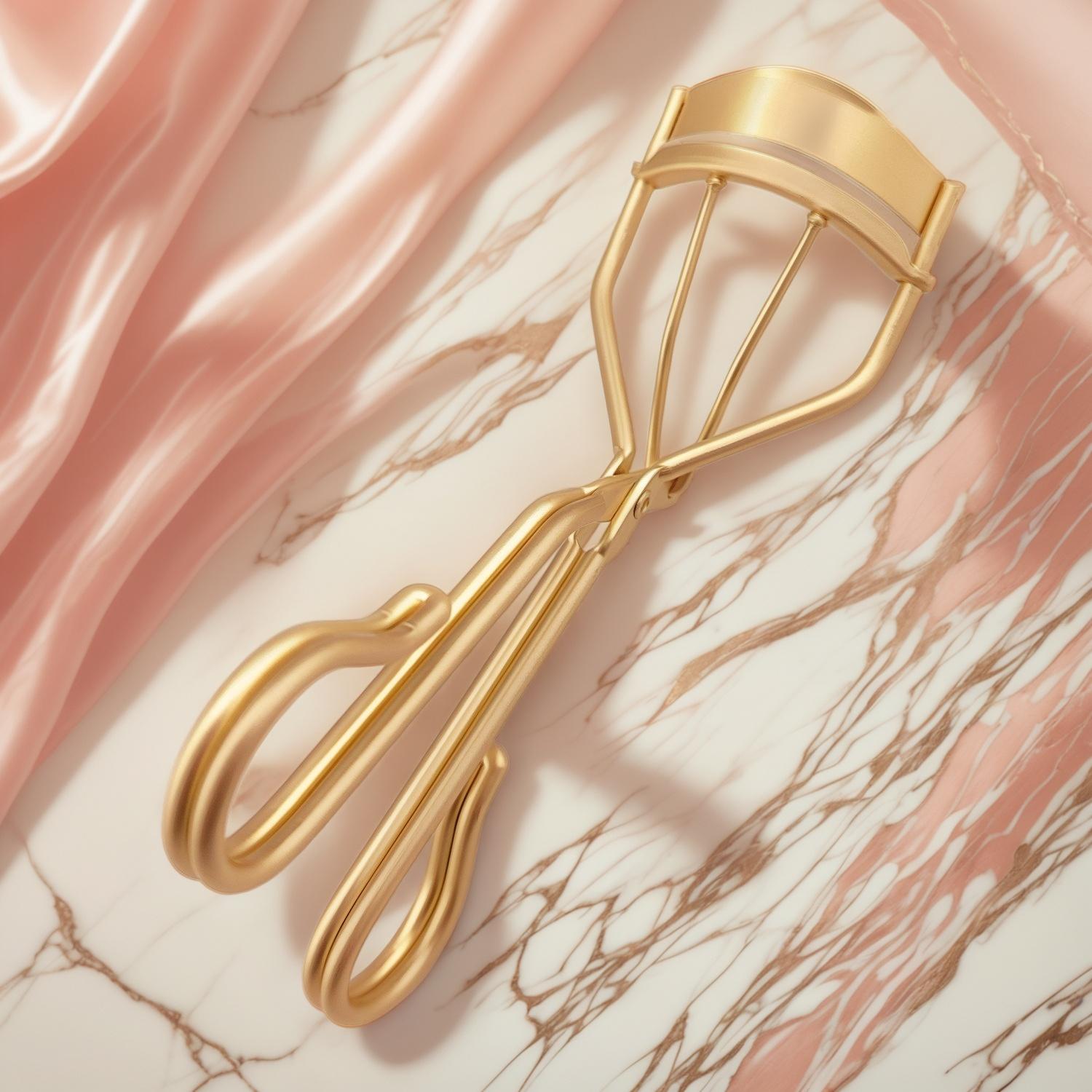
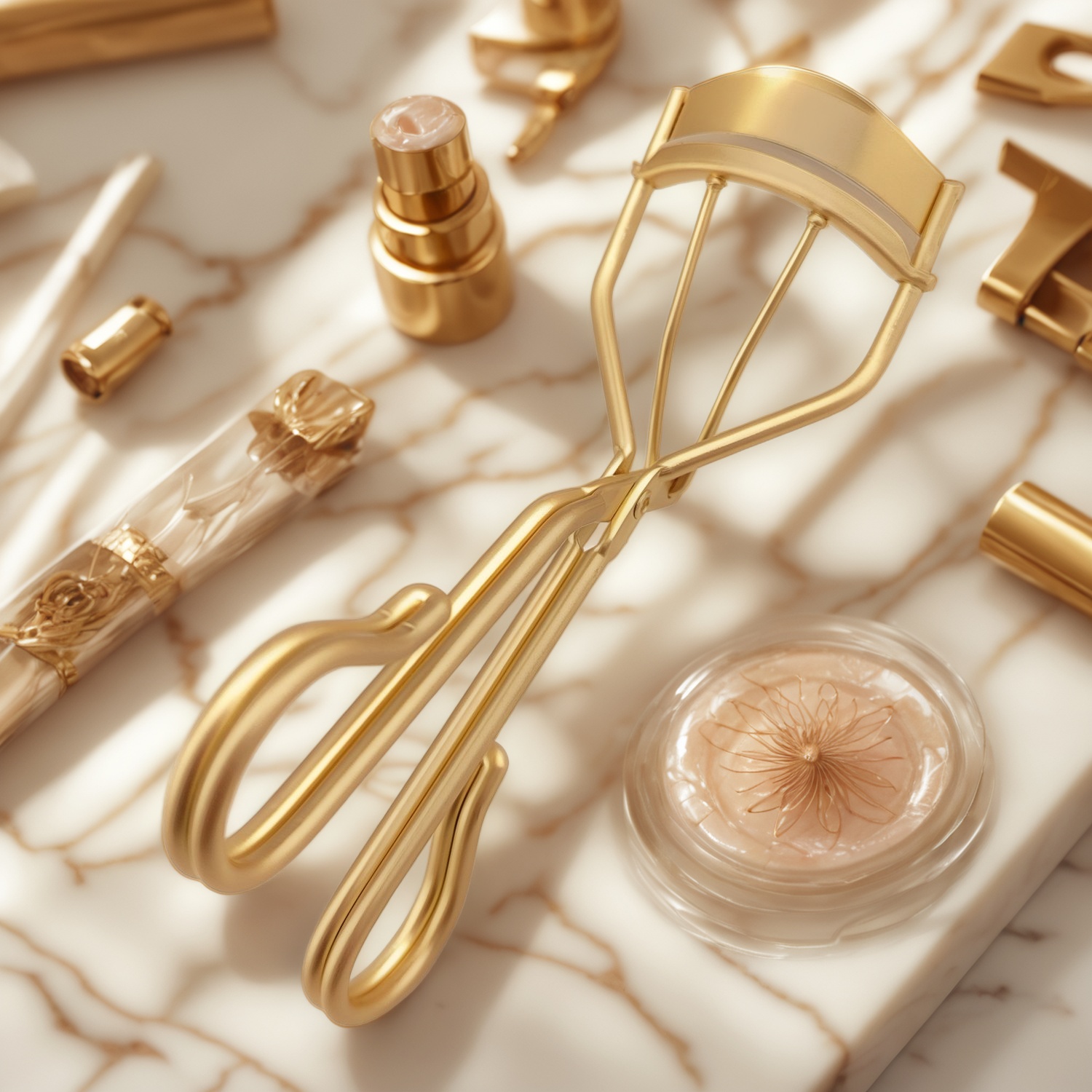
The Deluxe Gold Eyelash Curler is a helpful example because it combines appearance, ergonomics and functional contact with the user. Its golden finish gives it a polished visual effect suitable for beauty retail presentation, while its ergonomic design supports easier control during use. The soft silicone rubber pad is intended to provide a gentle, firm curl without damaging lashes.
For wholesale buyers, the point is not simply that one eyelash curler looks attractive. The product demonstrates the kinds of details that should be reviewed across any beauty tool order. Does the finish look even? Does the hinge or movement feel controlled? Is the pad positioned securely? Does the tool feel comfortable in the hand? Is the result repeatable across several pieces from the same shipment?
These questions are practical because eyelash curlers are high-touch tools. A user notices immediately if the tool pinches, pulls, feels unstable or fails to curl evenly. A retailer also notices if the finish varies on the shelf. For that reason, lash tools are a useful category for judging a supplier’s attention to detail.
How to match tool selection to your sales channel
Different wholesale buyers need different product priorities. A professional salon may care most about handling, durability and cleaning routines. A cosmetics retailer may focus on appearance, packaging and customer-friendly instructions. An online seller may prioritize product photography, compact shipping and clear variation control. A distributor may need a balanced selection that fits multiple downstream buyers.
| Buyer type | Main priority | Useful sourcing focus |
|---|---|---|
| Salon or spa | Daily service reliability | Comfort, movement, durability and easy maintenance |
| Retail store | Shelf appeal and customer confidence | Finish, packaging protection and consistent presentation |
| Online seller | Low complaint rate after delivery | Secure packing, accurate product photos and batch consistency |
| Distributor | Repeatable supply for varied customers | Stable product range, quality checks and carton organization |
Using this kind of channel-based thinking helps avoid overbuying tools that look appealing but do not suit your customers. It also helps you build a tighter product range. You can browse Olimor beauty tool products to compare categories and consider which tools fit your business model before preparing a wholesale inquiry.
Maintenance and after-sale considerations buyers should plan for
Personal care tools are often handled directly on the face, hands or feet, so maintenance guidance matters. Even when a tool is simple, buyers should think about how end users will clean it, store it and identify wear. A tool that is easy to wipe, inspect and store is more likely to remain in good condition through repeated use.
For salons, internal handling rules are important. Tools should be kept dry after cleaning, stored separately where needed and checked regularly for loosened parts, worn pads or damaged surfaces. For retail buyers, clear product descriptions and practical care suggestions can reduce misuse. For distributors, packaging and labeling choices can influence how well downstream sellers understand the product.
When reviewing a potential wholesale order, include maintenance questions in your buying criteria. Consider whether the tool has parts that may wear over time, whether it can be stored safely in its packaging and whether the finish is suitable for the intended usage environment. These points may seem small, but they affect customer satisfaction long after the first sale.
Working with Olimor Beauty for wholesale sourcing
Olimor Beauty is positioned for buyers who want personal care tools wholesale with attention to manufacturing consistency and internal quality control. The original promise behind wholesale sourcing should be simple: every item in a bulk order should be dependable enough to represent your business. That requires inspection from raw material review through production and final packaging, rather than only checking the finished item visually.
If you are building a new product range, start with a defined shortlist instead of ordering too many unrelated items at once. Choose tools that match your audience, compare samples carefully and document what matters most for your channel. For example, a beauty retailer may evaluate the Deluxe Gold Eyelash Curler for visual presentation and user-friendly design, while a salon buyer may focus on comfort, control and the silicone pad’s feel during repeated use.
Buyers preparing a larger order can review Olimor product collections to organize selections by category, or send an inquiry with target product types and intended sales channel. If you need help narrowing a range for salon, retail or distribution use, you can also contact Olimor with your sourcing priorities.
The best wholesale beauty tool program is built on careful selection, consistent inspection and realistic product use. By evaluating function, finish, comfort, packaging and batch stability before scaling an order, your business can source personal care tools with fewer surprises and a stronger foundation for repeat sales.
Tag: