

Personal Care Tools Wholesale: How to Choose Salon-Ready and Vegan-Friendly Options
Buying personal care tools wholesale is different from buying a few grooming items for individual use. Salons, spas, retailers, training schools, gift kit brands, and beauty distributors need tools that are consistent, easy to clean, comfortable to use, and suitable for repeated handling. A low unit price can be attractive, but the better long-term decision is usually based on durability, safe design, hygiene, packaging, and whether the product range matches the customer’s values.
This guide focuses on wholesale selection for manicure and everyday grooming tools, including salon-quality manicure tools, bulk purchase grooming tools, and vegan-friendly manicure tool options. It is written for buyers who need to compare product lines carefully before building a professional assortment or replenishment program.
What “Salon-Quality” Should Mean in Wholesale Personal Care Tools
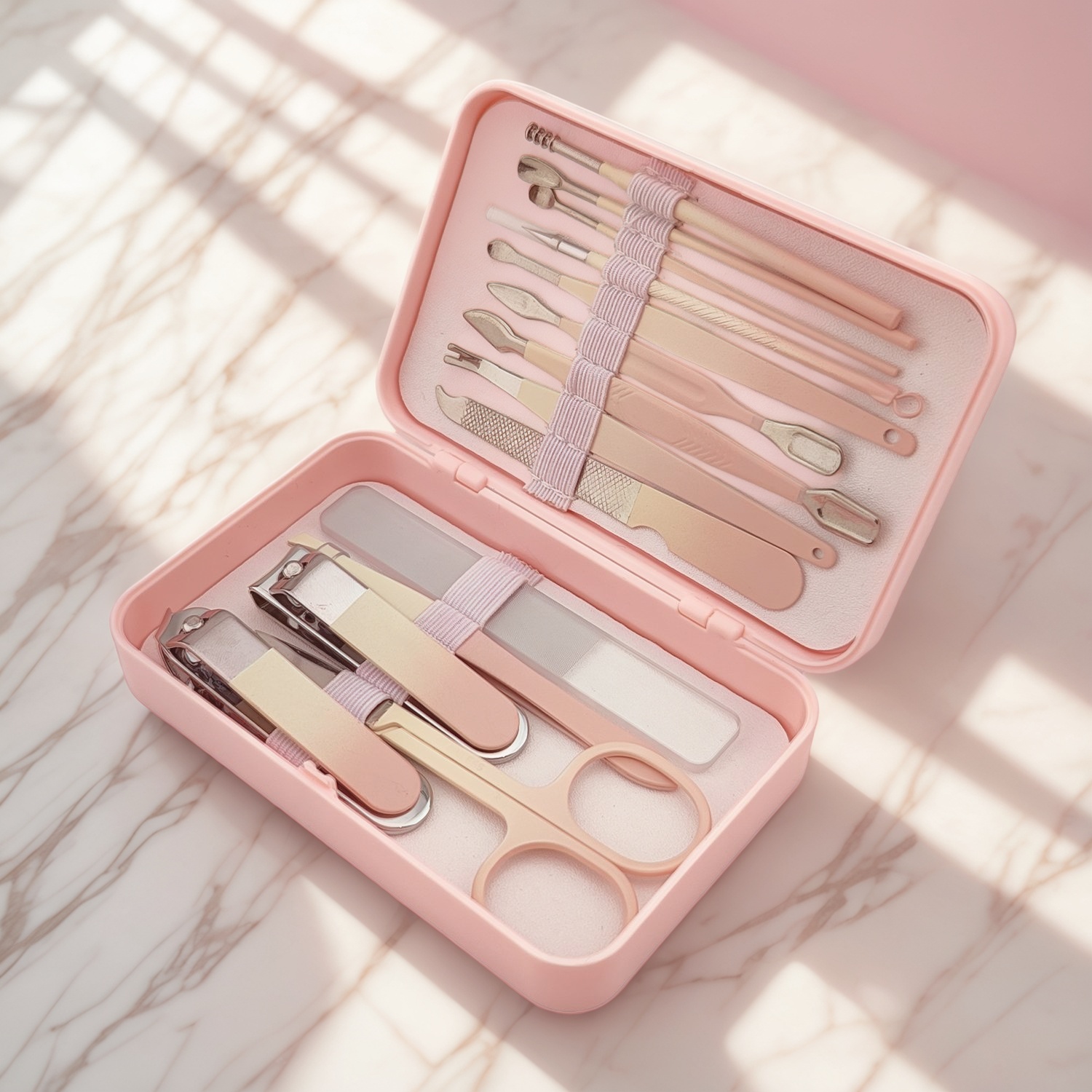
In wholesale beauty sourcing, “salon-quality” should not simply mean a polished appearance. For manicure and grooming tools, the term should point to stable performance across many pieces in the same order. A salon may use the same type of clipper, pusher, or file many times a day, so small design issues become noticeable quickly. Rough edges, weak spring action, awkward grip angles, or inconsistent finishing can slow technicians down and create a poor client experience.
When evaluating personal care tools wholesale, look at how the product supports accuracy, control, and cleaning. Stainless steel is commonly used for many manicure tools because it can provide strength and a cleanable surface when properly finished. Ergonomic shaping also matters, especially for professionals who repeat the same movements for long periods. A tool that feels balanced in the hand can reduce strain and improve control during detail work.
Olimor Beauty focuses on durable, ergonomic beauty tools for everyday use, making it a relevant supplier to consider when building a wholesale grooming range. Buyers can review broader categories through Olimor’s beauty tool products and compare which tool types fit salon services, home-care kits, retail sets, or promotional assortments.
Core Tool Categories to Review Before Ordering in Bulk
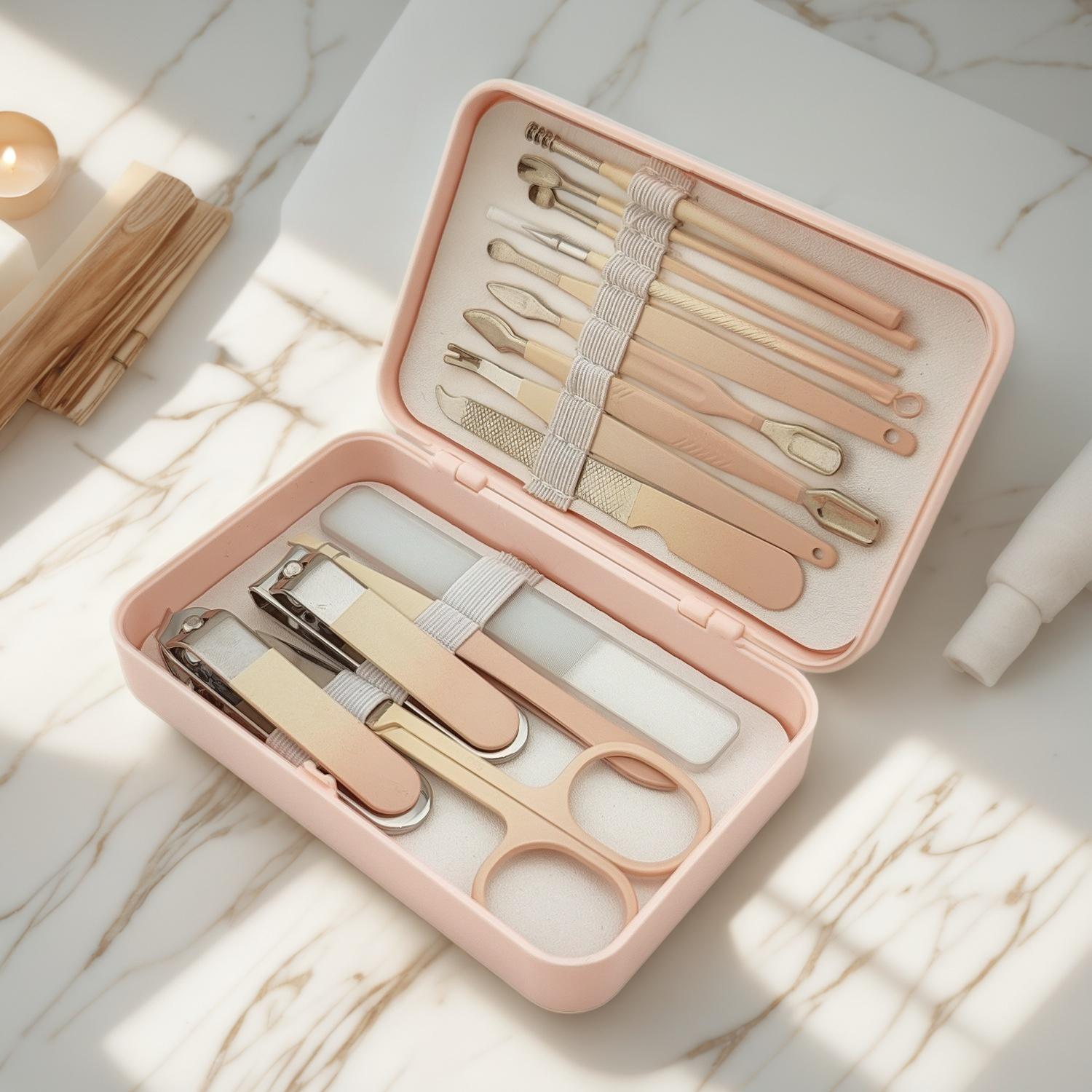
A strong wholesale assortment usually starts with practical, repeat-use items rather than novelty tools. Before expanding into seasonal sets or gift packaging, buyers should identify the core grooming tasks their customers perform most often. For manicure and personal care ranges, the essentials often include trimming, shaping, cuticle care, smoothing, and storage.
- Nail clippers: Review cutting alignment, edge smoothness, hand comfort, and whether the size fits fingernails, toenails, or mixed use.
- Cuticle pushers: Check the tip shape, finish, and grip area. A pusher should feel controlled, not slippery or overly sharp.
- Nail files: Consider grit type, durability, washability if relevant, and whether the file suits natural nails, artificial nails, or general grooming kits.
- Tweezers and small grooming tools: Look for tip alignment, closing tension, surface finish, and protective packaging.
- Storage cases or pouches: For sets, storage supports hygiene, organization, and retail presentation. The case should protect the tool edges and keep the kit easy to transport.
Not every buyer needs every category. A salon replenishment order may prioritize individual tools for technician stations, while a retail buyer may prefer coordinated grooming kits. A training academy may need simple, consistent tools for students. Clarifying the use case first helps prevent overbuying items that look appealing but do not match the end customer’s routine.
How to Compare Bulk Purchase Grooming Tools Beyond Unit Price
Bulk purchase grooming tools can reduce purchasing costs, but the lowest quote is not always the best value. If tools arrive with inconsistent finishing, uncomfortable handling, or packaging that does not survive storage and shipping, the savings disappear through complaints, returns, repacking, or replacements. A practical wholesale comparison should include product performance, packaging suitability, reorder reliability, and how the range fits your sales channel.
| Buying factor | Why it matters | What to check |
|---|---|---|
| Material and finish | Affects durability, cleaning, and user confidence | Smooth edges, even polishing, no visible burrs, suitable surface for intended use |
| Ergonomics | Important for salon technicians and frequent users | Grip comfort, weight balance, non-awkward angles, controlled movement |
| Consistency | Wholesale buyers need repeatable quality across many units | Compare multiple samples, not only one display piece |
| Packaging | Protects tools and affects retail presentation | Tool protection, labeling space, storage convenience, shipping durability |
| Range fit | Prevents disconnected inventory | Choose tools that support a clear salon, retail, or gift-kit concept |
Buyers planning larger assortments can also review Olimor’s product collections to think about how different tools may be grouped for salon use, retail displays, travel kits, or personal grooming sets.
Vegan Manicure Tools Wholesale: What Buyers Should Actually Verify
Interest in vegan manicure tools wholesale is growing because many customers want grooming products that align with cruelty-free or animal-free preferences. For tools, vegan considerations are often related to accessory materials, adhesives, cases, polishing compounds, packaging components, or included add-ons rather than the metal tool itself. Because terms such as “vegan,” “cruelty-free,” and “eco-friendly” are sometimes used loosely, buyers should define what they need before placing a wholesale order.
A useful vegan-friendly sourcing checklist may include the following points:
- Identify animal-derived components: Review handles, pouches, cases, inserts, labels, adhesives, and decorative materials, not only the primary metal tool.
- Clarify packaging expectations: If your brand avoids leather, wool felt, silk, or animal-based glues, include those limits in the product brief.
- Separate vegan claims from sustainability claims: A material can be animal-free without being low-impact, and a recyclable package is not automatically vegan. Treat them as related but separate questions.
- Decide what proof your market requires: Retailers, salons, and online shoppers may expect different levels of documentation or labeling language.
- Check consistency across a set: One non-vegan pouch or insert can make an entire manicure kit unsuitable for vegan positioning.
This approach allows buyers to build a range that is easier to describe honestly. Instead of relying on vague product claims, define the materials and claims that matter to your customers and make sure the whole kit follows the same standard.
Salon, Retail, and Brand Use Cases Require Different Tool Decisions
A personal care tools wholesale order should be shaped by how the products will be used after delivery. Salon operators often care most about repeated handling, cleaning, station organization, and technician comfort. Retail buyers may focus more on shelf appeal, assortment clarity, packaging, and whether customers can understand the value quickly. Private-label or gift-kit buyers may need a balanced set that feels complete without adding unnecessary tools.
For salons, consider whether tools will be assigned to individual technicians or stored centrally. Tools used repeatedly should be easy to organize and inspect. For spas and premium service environments, the visual finish and case presentation may also influence client perception. For retailers, packaging should protect the item while making the tool type and intended use obvious. For online sellers, product images, dimensions, care instructions, and clear descriptions can reduce confusion and returns.
Beauty schools and training programs have another set of priorities. They often need consistent, straightforward tools that help learners practice correct technique. In this setting, complicated sets may be less useful than reliable basics that are easy to identify, clean, and replace.
Hygiene, Maintenance, and Storage Considerations
Wholesale buyers should think about hygiene before they select packaging or finalize a kit. Personal care tools often come into close contact with nails and skin, so smooth finishing and practical storage are important. Rough seams, poorly finished edges, or cases that trap debris can make maintenance harder. Even when tools are intended for home use, customers appreciate simple care guidance.
For professional settings, cleaning and disinfection procedures should follow local regulations and salon policies. A supplier can provide product information, but the salon remains responsible for using appropriate hygiene protocols. Buyers should therefore choose tools that are compatible with their normal cleaning workflow and avoid designs that make debris difficult to remove.
Storage also protects tool edges and keeps sets organized. A clipper or pusher tossed loosely into a drawer may become scratched, dulled, or contaminated. Retail kits benefit from cases that hold each piece securely, while salon bulk orders may need practical trays, sleeves, or station-friendly packaging depending on how the business operates.
Questions to Settle Before You Send a Wholesale Inquiry
A clear inquiry saves time and helps prevent mismatched quotations. Before contacting a supplier, define the tool categories, intended customer, preferred packaging type, and any vegan-friendly material restrictions. If you are comparing several products, group them by use case rather than listing unrelated items together. This makes it easier to evaluate whether a supplier can support a coherent range.
Helpful information to prepare includes target product types, expected sales channel, preferred packaging style, branding needs if any, destination market, and the quality concerns most important to you. For example, a salon distributor might prioritize durable clippers and cuticle tools with simple protective packaging, while a retail gift brand might emphasize coordinated sets and animal-free case materials.
If you are ready to discuss tool options, packaging, or sourcing requirements, you can send an inquiry with your product brief. For broader questions about categories or cooperation, use the contact Olimor page.
Building a Better Wholesale Personal Care Tool Program
The best wholesale personal care tool programs are built around real user needs. Salon technicians need control and comfort. Retail shoppers need clear, dependable grooming solutions. Vegan-conscious customers need transparent material choices. Distributors need consistency and practical packaging that supports storage, shipping, and presentation.
By reviewing materials, ergonomics, finish, packaging, hygiene, and vegan-friendly requirements before ordering, buyers can avoid common problems and create a more reliable assortment. Whether you are stocking salon-quality manicure tools, building bulk grooming kits, or refining a vegan-friendly personal care line, a structured selection process will lead to better products and more confident customers.
Tag: