

Personal Care Tools Wholesale: How to Buy Quality Nail and Grooming Sets
Buying personal care tools wholesale is not only about getting a lower unit cost. For retailers, salons, distributors, hotel amenity buyers, gift suppliers, and e-commerce sellers, the real goal is to source tools that customers will use repeatedly without frustration. Nail clippers should cut cleanly, cuticle scissors should feel controlled, cases should protect the tools, and the overall set should match the buyer’s positioning.
Wholesale personal care products are often small, lightweight, and easy to merchandise, but quality differences can be significant. A grooming set that looks attractive online may still disappoint if the hinge feels loose, the cutting edge is inconsistent, or the finish is easy to mark. This guide explains how to evaluate personal care tools for bulk purchase, what to look for in salon-quality manicure tools, and how to make better sourcing decisions before placing a larger order.
Why Personal Care Tools Work Well for Wholesale Programs
Personal care tools are practical products with year-round demand. They are used at home, in travel bags, in salon backbars, in hotel rooms, and as add-on retail items near checkout counters. Unlike trend-led cosmetics, grooming tools do not rely heavily on shades or seasonal formulas, which makes them easier to plan for repeat inventory.
For wholesale buyers, the strongest advantage is assortment flexibility. A buyer can source individual tools such as nail clippers, scissors, tweezers, and files, or choose compact grooming sets that are easier to sell as gifts or travel essentials. Sets can also help customers understand value quickly because the tools are already grouped for a clear use case.
The original product focus of this page includes personal care tools wholesale, salon-quality manicure tools, and bulk purchase grooming tools. That makes the buying decision especially relevant for businesses that need a balance of appearance, function, and reliable supply. If you are comparing categories, you can browse Olimor’s beauty tool products to understand how different personal care items may fit into your assortment.
Quality Criteria for Salon-Quality Manicure Tools
When evaluating manicure tools in bulk, appearance is only the first check. The tool must perform consistently across repeated use. A mirror-polished nail clipper may create a premium first impression, but the cutting action, alignment, and hand feel are what determine whether customers will return or complain.
Use the following checklist when comparing wholesale samples:
- Cutting edge alignment: Nail clippers should meet evenly without visible gaps. Scissors should close smoothly from base to tip.
- Hand feel: Tools should feel stable, not flimsy. Handles and levers should not flex excessively during use.
- Surface finish: A clean polished surface can improve perceived value, but check for sharp burrs, scratches, uneven plating, or residue.
- Rust resistance expectations: Stainless steel cuticle scissors and other metal tools are often chosen for durability, but buyers should still check care instructions and storage conditions.
- Functional variety: A set should include tools that serve clear grooming needs rather than adding unnecessary pieces only to increase the item count.
- Packaging protection: The case or insert should prevent tools from rubbing together during transport.
For products described as salon-quality, consistency matters as much as sharpness. A professional-looking tool should offer controlled trimming, smooth edges, and a finish that supports repeat use. If you plan to sell the tools to salons, spas, or nail technicians, sample testing should include people who use grooming tools frequently, not only office staff reviewing packaging.
Evaluating Grooming Sets for Retail, Travel, and Gift Use
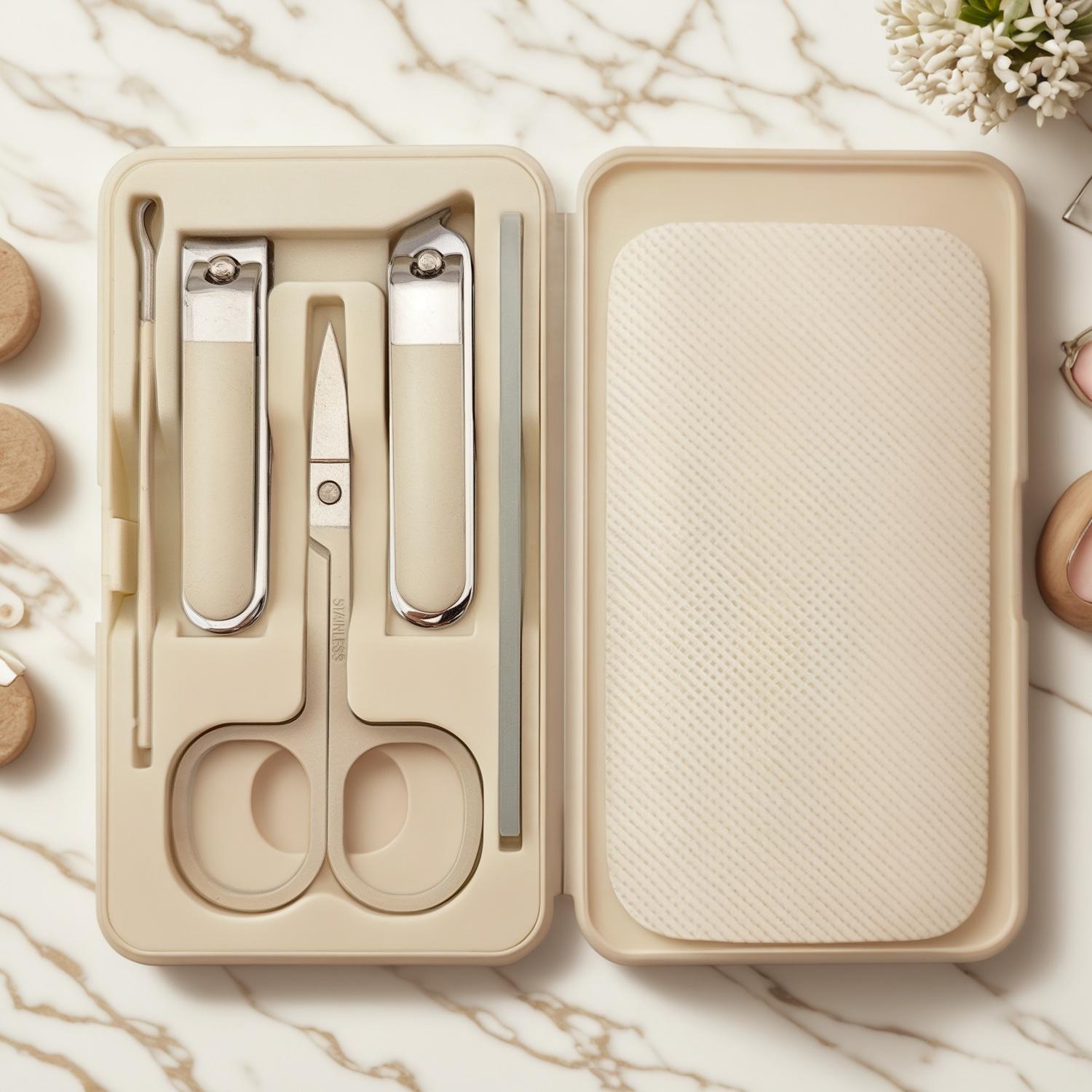
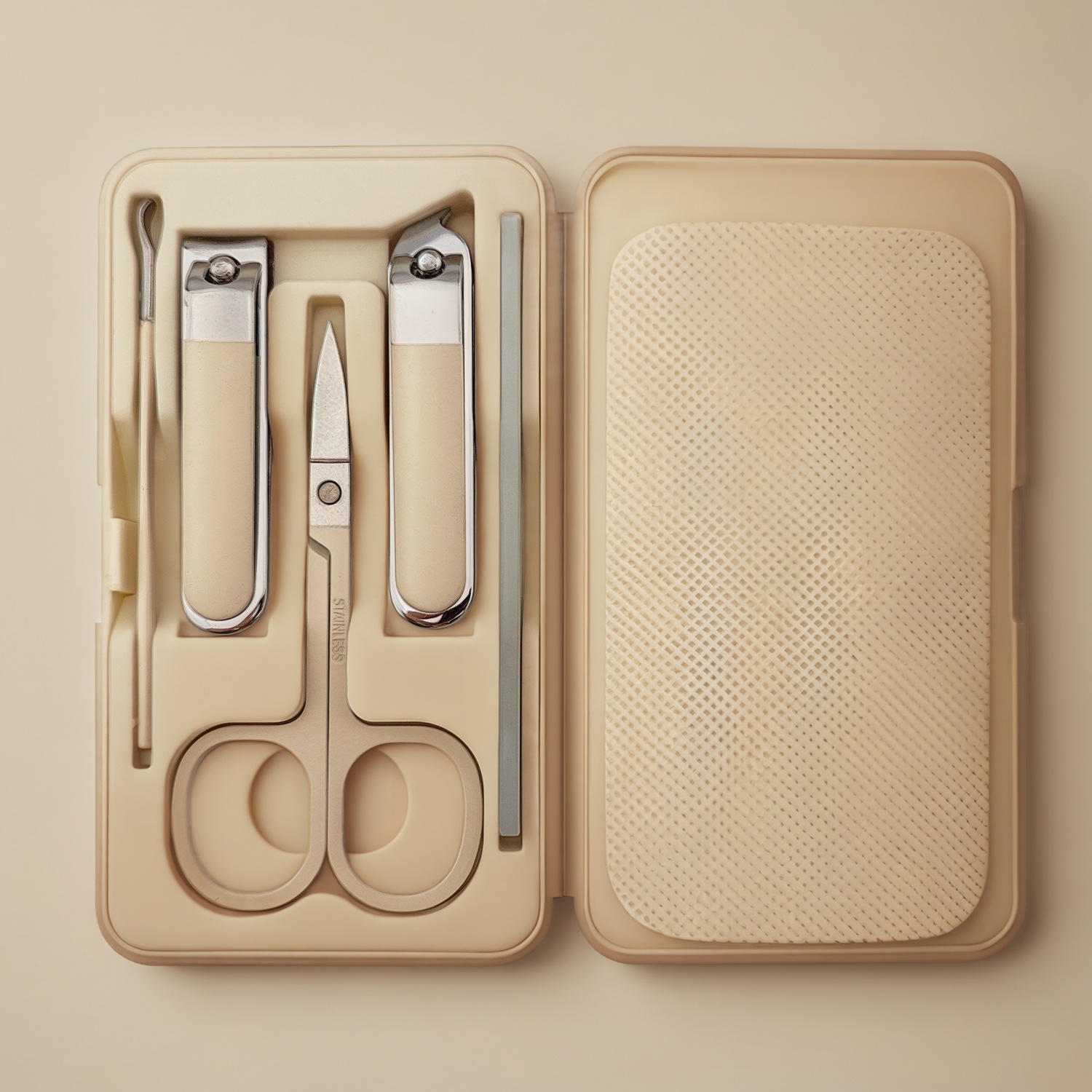
Grooming sets are popular because they solve a complete personal care need in one purchase. The supplied article referenced the Minimalist Nail Care Set by Olimor Beauty and noted features such as mirror-polished nail clippers and stainless steel cuticle scissors. For buyers, these details are useful because they point to two important selling factors: finish quality and material choice.
However, the best wholesale decision depends on the sales channel. A set for a boutique store may need a refined case and clean visual presentation. A travel-focused seller may prioritize compact size and secure tool placement. A salon supply distributor may care more about cutting precision and repeated use. The same product can perform differently depending on the end customer’s expectations.
Before selecting a grooming set, define its role in your product line:
- Entry-level everyday care: Simple tools, easy retail pricing, and broad customer appeal.
- Travel grooming: Compact case, secure closure, and practical tool selection for bags or luggage.
- Gift assortment: Strong presentation, polished tools, and packaging that looks finished without extra wrapping.
- Salon or professional resale: Emphasis on durability, control, and clean cutting performance.
- Private assortment building: Consistent styling across multiple personal care tools so the range looks coordinated.
Once the product role is clear, it becomes easier to judge whether the set has the right number of tools, the right finish, and the right packaging. More pieces do not automatically make a better set. A smaller kit with well-made essentials can be easier to sell than a larger kit with redundant or low-use tools.
How Bulk Purchasing Can Improve Inventory Efficiency
Bulk purchase grooming tools can reduce procurement complexity when the product is chosen carefully. Retailers can build stable shelf programs, e-commerce sellers can prepare consistent listings, and distributors can serve repeat accounts without changing specifications too often. The efficiency comes from standardization: one proven tool or set can support multiple sales channels.
At the same time, wholesale buying carries risk if quality is not checked before scaling. A low unit price loses value if returns increase, if packaging arrives damaged, or if the tool finish does not match product photography. For this reason, buyers should treat samples as a decision-making stage rather than a formality.
A practical wholesale review should compare at least three dimensions:
| Review Area | What to Check | Why It Matters |
|---|---|---|
| Tool performance | Cutting action, edge alignment, hinge movement, grip comfort | Determines user satisfaction and repeat purchase potential |
| Finish and presentation | Polish quality, scratches, case fit, visible defects | Affects perceived value in retail and gift channels |
| Inventory suitability | Assortment fit, packaging size, storage needs, channel positioning | Helps prevent overstock and mismatched product selection |
Wholesale buyers should also think about replacement cycles. Nail care tools are durable goods, but customers may buy sets for travel, family members, gifts, or multiple locations. This gives retailers opportunities to position sets in different merchandising areas, such as beauty accessories, men’s grooming, travel essentials, and seasonal gift sections.
Packaging, Branding, and Presentation Considerations
Packaging is especially important for personal care tools because customers often judge cleanliness and quality before opening the case. A neat case, secure insert, and clear product presentation can make a grooming set easier to trust. Packaging also protects polished metal surfaces from friction during transport.
For wholesale programs, consider how the product will appear in three environments: online listing images, warehouse handling, and the final retail display. A case that looks elegant in photos may still need to withstand stacking and shipping. An insert that looks minimal may not hold tools firmly enough. A label area that works for one market may not meet another retailer’s display requirements.
If you plan to build a broader assortment, review related product collections so the visual language of the tools, cases, and packaging does not feel disconnected. A cohesive range is easier for buyers and consumers to understand, especially when selling multiple grooming items together.
Questions to Settle Before Placing a Wholesale Order
A reliable sourcing decision is built on clear expectations. Instead of focusing only on price, buyers should define the commercial and practical requirements for the product. This prevents confusion later when evaluating samples, confirming packaging, or preparing product pages.
Useful questions include:
- Which end customer is the product for: salon users, home grooming, travel, gifting, or general retail?
- Which tools are essential for the set, and which pieces may add cost without adding customer value?
- How should the cutting tools feel during use: lightweight and compact, or more substantial and professional?
- What surface finish is appropriate for the sales channel?
- Does the case protect the tools well enough for shipping and repeated opening?
- What product details must appear in the online listing, outer packaging, or retail display?
- How will samples be tested, and who will approve performance before the order is scaled?
These questions are neutral but powerful. They help align purchasing teams, sales teams, and product managers before money is committed. If you need help narrowing down suitable personal care tools for your channel, you can contact Olimor or send an inquiry with your target product type and intended market.
Building Long-Term Value from Wholesale Personal Care Tools
The best wholesale personal care tools do more than fill a shelf. They support customer confidence. A well-made nail clipper, a cleanly finished cuticle scissor, or a practical grooming set can become the kind of everyday product that customers recommend because it simply works.
For business buyers, long-term value comes from selecting tools that combine usable design, consistent finish, secure packaging, and a clear sales purpose. The Minimalist Nail Care Set reference shows how a carefully presented grooming set can appeal through polished tools and practical components. The same evaluation method can be applied to any personal care tool assortment: confirm the function first, then judge the finish, packaging, and channel fit.
Wholesale sourcing rewards careful comparison. When you define your customer, test samples thoroughly, and choose products that match your retail or distribution strategy, personal care tools can become a stable and profitable category rather than a one-time purchase.
Tag: