

Personal Care Tools Wholesale: How to Balance Quality, Cost, and Buyer Confidence
Wholesale personal care tools are not just a low-cost inventory item. For salons, beauty retailers, distributors, promotional buyers, and grooming brands, they are products that customers handle closely, judge quickly, and often repurchase when the experience feels reliable. A nail clipper that cuts cleanly, scissors that feel balanced, or a manicure set that looks organized in its case can influence how customers perceive the business behind it.
The key challenge is simple: buyers want competitive pricing, but not at the expense of durability, comfort, or presentation. A cheaper tool that dulls quickly, feels rough at the edges, or arrives with inconsistent finishing can create more cost through returns, complaints, and replacement orders. A better wholesale decision looks beyond the unit price and considers how the tool will perform in daily use, how it will be displayed or gifted, and how consistently the supplier can support repeat orders.
Olimor Beauty focuses on beauty and grooming tools for business buyers who need practical products with a polished appearance. If you are comparing beauty tool products for wholesale purchase, the most useful approach is to evaluate materials, construction, finishing, packaging, and supplier communication together rather than treating price as the only deciding factor.
What Wholesale Buyers Should Expect from Personal Care Tools
Personal care tools cover a wide range of daily grooming items, including manicure tools, clippers, scissors, cuticle pushers, tweezers, files, and compact grooming sets. In wholesale sourcing, these products often serve different channels: salon use, retail shelves, e-commerce bundles, travel kits, gifting programs, and private-label assortments. Each channel places different pressure on the product.
A salon buyer may care most about cutting feel, cleaning convenience, grip comfort, and long service life. A retailer may pay closer attention to presentation, packaging footprint, perceived value, and customer reviews. A distributor may need stable supply, consistent appearance across batches, and simple assortment planning. A gift or promotional buyer may emphasize a complete set, case design, and the way the product looks when opened.
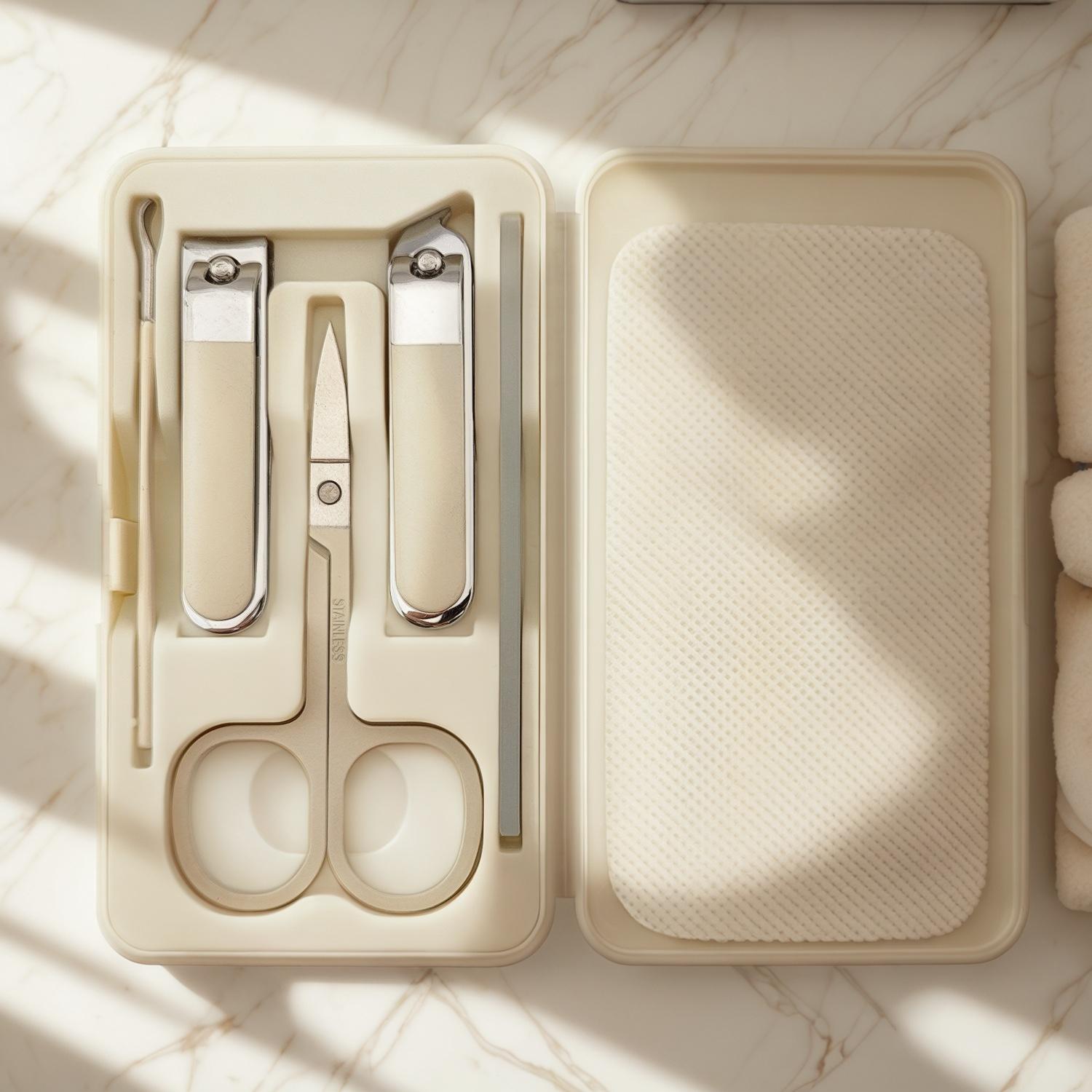
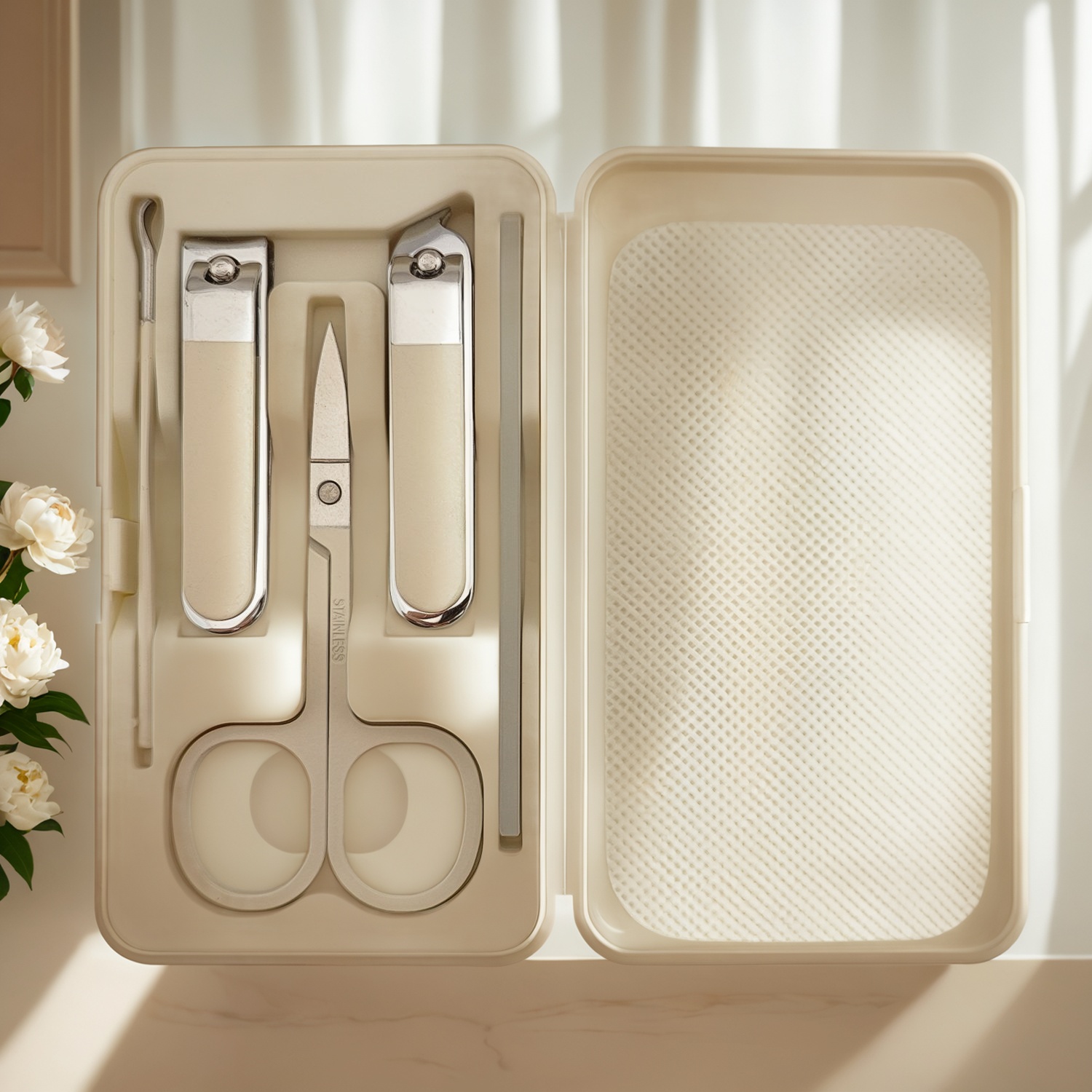
Because personal care tools are small, it is easy to underestimate their quality differences. However, details matter. A clipper should close evenly and cut without crushing the nail. Scissors should open smoothly and meet cleanly at the blades. A cuticle tool should have a controlled edge rather than a rough or poorly finished surface. A manicure set should feel organized, with tools that sit securely in the case and do not appear loose or mismatched.
Quality Versus Cost: Where the Real Value Comes From
The best wholesale value is not always the lowest quotation. It is the combination of acceptable cost, consistent manufacturing, and a product experience that suits your market. When comparing salon-quality manicure tools with basic alternatives, buyers should look at how each tool performs under normal use, not only how it looks in product photos.
Stainless steel clippers and scissors are commonly valued in personal care tools because buyers associate them with durability, clean appearance, and easy maintenance. The original product direction highlights stainless steel clippers and scissors, ergonomic design, and sharpness, which are all important comparison points. Still, buyers should evaluate these claims through samples and handling tests before placing a large order.
Cost savings from bulk purchasing can be meaningful, but low-cost tools may become expensive if they lead to early dulling, poor cutting action, inconsistent surface finish, or packaging damage. A tool that performs well can support repeat sales, reduce after-sales issues, and protect the reputation of the salon, store, or brand selling it.
| Buyer priority | What to check | Why it affects cost |
|---|---|---|
| Cutting performance | Clean nail cut, smooth scissor action, aligned blades | Reduces complaints and replacements |
| Surface finish | No rough edges, stains, burrs, or uneven polishing | Improves customer perception and safety confidence |
| Comfort | Grip shape, tool weight, ease of opening and closing | Supports professional and repeat use |
| Set organization | Tools fit securely inside the case | Helps retail display and gift presentation |
| Batch consistency | Same look, function, and packaging across samples | Protects brand consistency across orders |
When Bulk Purchasing Grooming Tools Makes Business Sense
Bulk purchasing grooming tools is useful when the buyer has predictable demand, a defined sales channel, or a need for consistent product presentation across many locations. Salons may buy in quantity for staff use, resale, or customer care kits. Retailers may need shelf-ready manicure sets in a stable assortment. E-commerce sellers may want compact, practical products that are easy to store and ship. Distributors may purchase across several tool types to serve different buyer segments.
The benefits of wholesale buying usually fall into three areas. First, the per-unit purchasing cost is often easier to manage when ordering in larger quantities. Second, consistent sourcing helps create a more uniform customer experience. Third, a reliable supply relationship can simplify reordering and reduce the time spent comparing new products for every purchase cycle.
However, bulk buying should be based on tested suitability. A large order of the wrong product can tie up cash, storage space, and sales attention. Before increasing quantity, buyers should confirm whether the tool assortment matches the customer’s expectations. For example, a deluxe manicure set may be suitable for gift, travel, retail, or salon resale channels if the tools feel complete and the case presentation supports the price position. A simpler nail clipper or scissors assortment may be better for high-volume daily grooming categories.
How to Evaluate Samples Before a Wholesale Order
Samples are the most important step in choosing personal care tools wholesale. Product descriptions and photos help narrow the list, but personal care tools need to be held, opened, closed, cleaned, and used in realistic ways. A short inspection routine can reveal problems before they become inventory issues.
- Check first impression. Look at the tool or set as a customer would. Notice polishing, alignment, color consistency, and whether the case or packaging looks clean and organized.
- Test movement. Open and close clippers and scissors several times. The action should feel controlled, not loose, jammed, or uneven.
- Inspect edges and contact points. Run a visual check for burrs, sharp unintended corners, or rough surfaces. Tools that touch skin should look carefully finished.
- Compare multiple samples. One good sample is useful, but several samples show whether quality is consistent.
- Review packaging durability. For retail and e-commerce, packaging should protect the tools during handling and shipping while presenting the product clearly.
- Match the product to the channel. A salon may prioritize tool feel; a retailer may prioritize case appearance; a promotional buyer may prioritize set completeness and perceived value.
If your business is building a broader assortment, compare related product collections together. Seeing manicure tools, grooming sets, and other beauty tools side by side makes it easier to choose products that share a consistent quality level and visual direction.
Presentation Matters: Sets, Cases, and Retail Readiness
Personal care tools are practical, but presentation strongly affects buying decisions. A deluxe manicure set, for example, is judged not only by the tools inside but also by how complete, clean, and organized it feels when opened. For retailers and gift buyers, a well-presented set can communicate value before the customer tests the tools.
Wholesale buyers should consider whether the product needs to be displayed in-store, photographed for online listings, shipped as part of a bundle, or sold directly to salon customers. Each use case changes the importance of packaging. Retail packaging should clearly protect and identify the product. E-commerce packaging should survive handling without tools moving around or scratching each other. Salon resale packaging should feel professional without being unnecessarily bulky.
Good presentation also helps reduce confusion. If a set contains several grooming tools, each piece should have a clear place. Loose tools can make the product feel lower in quality even when the tools themselves are acceptable. A neat case, secure placement, and consistent finishing help customers understand what they are buying and why it has value.
Maintenance Guidance Buyers Can Pass to Customers
Wholesale buyers can improve customer satisfaction by providing simple care guidance with personal care tools. Even well-made grooming tools need basic maintenance to stay clean and functional. This is especially important for salons and retailers that want fewer service questions after purchase.
- Wipe tools after use to remove moisture and grooming residue.
- Store clippers, scissors, and manicure tools in a dry case or pouch when not in use.
- Avoid dropping cutting tools, as impact can affect blade alignment.
- Keep tools separated inside the case so edges do not rub against each other unnecessarily.
- For shared professional environments, follow appropriate hygiene and sanitation procedures for the setting.
Clear care instructions do not need to be complicated. A small printed insert, product page note, or staff explanation can help customers use the tools properly. This protects the customer experience and may reduce unnecessary replacement requests caused by poor storage or misuse.
Sourcing Questions That Help Control Risk
Before committing to a wholesale purchase, buyers should organize questions around product fit, not just price. The goal is to understand whether the supplier can support the quality level and business use you need. Useful sourcing questions include: Which tools are included in the set? What material is used for the main cutting tools? How is the surface finished? Can samples be reviewed before bulk purchase? What packaging options are available for the intended sales channel? How are products checked for obvious defects before shipment?
It is also useful to clarify visual requirements early. If your business needs a consistent look across clippers, scissors, cuticle pushers, and cases, provide reference expectations before production planning. If you need a practical assortment for resale, define which tool types matter most to your customers. Clear decisions at the beginning help avoid mismatched products later.
Olimor Beauty works with business buyers looking for personal care and grooming tools that can serve retail, salon, and distribution needs. To discuss a product direction, compare suitable items, or share purchase requirements, you can contact Olimor or send an inquiry with your target channel, quantity expectations, and preferred tool types.
Final Checklist for Wholesale Personal Care Tool Buyers
A strong wholesale purchase should meet both commercial and customer needs. Before placing an order, confirm that the product has the right balance of cutting performance, comfort, finish, packaging, and price for your channel. Avoid choosing on unit cost alone, especially when the tools will represent your salon, store, or brand directly to customers.
For personal care tools wholesale, the most dependable decision is based on sample review, realistic use testing, and a clear understanding of how the product will be sold. Whether you are sourcing salon-quality manicure tools, stainless steel clippers and scissors, or a complete deluxe manicure set, careful comparison helps protect margins without sacrificing customer confidence.
Tag: