

Personal Care Tools Wholesale: A Buyer’s Guide to Reliable Grooming Tools
Buying personal care tools wholesale is not only a purchasing decision; it is a brand decision. Nail clippers, tweezers, cuticle scissors, manicure sets and pedicure tools are small items, but customers judge them quickly. A clipper that feels weak, a tweezer that does not align, or a rough edge on a cuticle tool can turn an otherwise attractive product into a return, a complaint or a lost repeat customer.
For retailers, salon suppliers, beauty brands and distributors, the goal is to build an assortment that looks consistent, performs reliably and can be reordered with confidence. Olimor Beauty works with buyers who need practical grooming tools for wholesale programs, private assortments and retail shelves. The key is knowing what to evaluate before placing a bulk purchase, and how to compare suppliers beyond appearance alone.
Why Wholesale Grooming Tools Require Careful Selection
Personal care tools are handled closely and used with precision. Unlike decorative beauty accessories, grooming tools must cut, grip, trim or shape with control. This makes consistency especially important when buying in bulk. A sample may look acceptable, but a wholesale order needs stable workmanship across many pieces.
Common sourcing risks include inconsistent cutting edges, loose hinges, poor tweezer alignment, uncomfortable handles, weak plating, uneven polishing and packaging that does not protect the tool during transport. These issues may not be obvious in product photos, so buyers should evaluate samples, product categories and supplier processes carefully.
When choosing a beauty tools supplier in China, buyers should consider both product capability and communication quality. A reliable supplier should be able to explain available tool types, discuss packaging considerations, provide clear order details and support practical quality expectations. If your assortment includes multiple grooming categories, it is also useful to work with a supplier familiar with nail, brow and pedicure tools rather than only one isolated item.
Product Categories to Consider for a Wholesale Assortment
A strong personal care tools range usually includes everyday items that customers replace, gift or keep in travel kits. Olimor Beauty’s grooming tool focus includes practical essentials such as nail clippers, tweezers, cuticle scissors and pedicure tools. The right mix depends on where the products will be sold and who will use them.
- Nail clippers: Useful for everyday retail, travel sets, manicure kits and men’s grooming assortments. Buyers should check cutting smoothness, leverage, edge finish and hand feel.
- Tweezers: Important for brow care and precision grooming. Tip alignment, grip tension and finish are more important than appearance alone.
- Cuticle scissors: Designed for controlled trimming. Buyers should review blade sharpness, tip precision, screw stability and how comfortably the scissors open and close.
- Pedicure tools: Suitable for salons, spa suppliers and foot-care retail sections. Durability, safe edges and easy cleaning are key considerations.
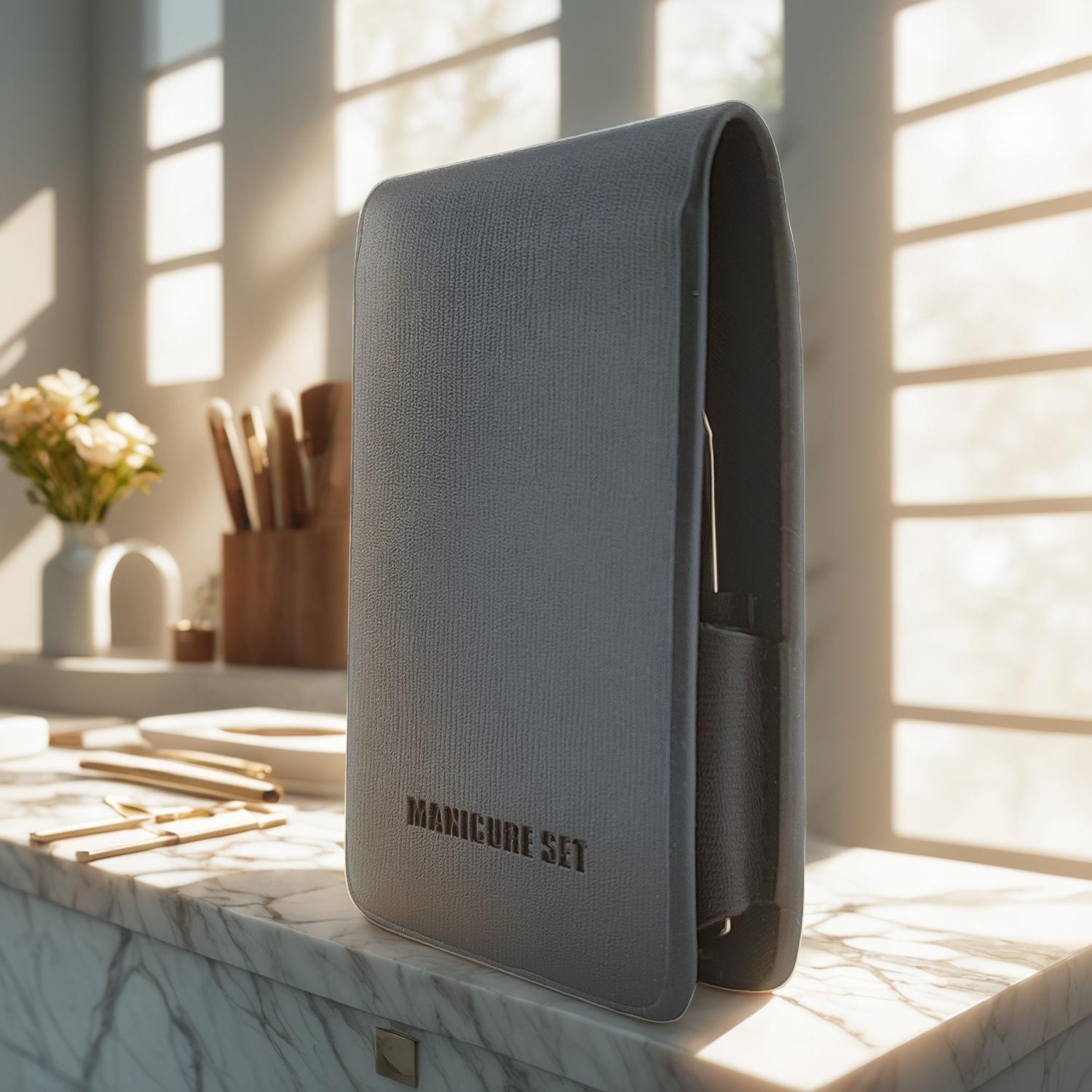
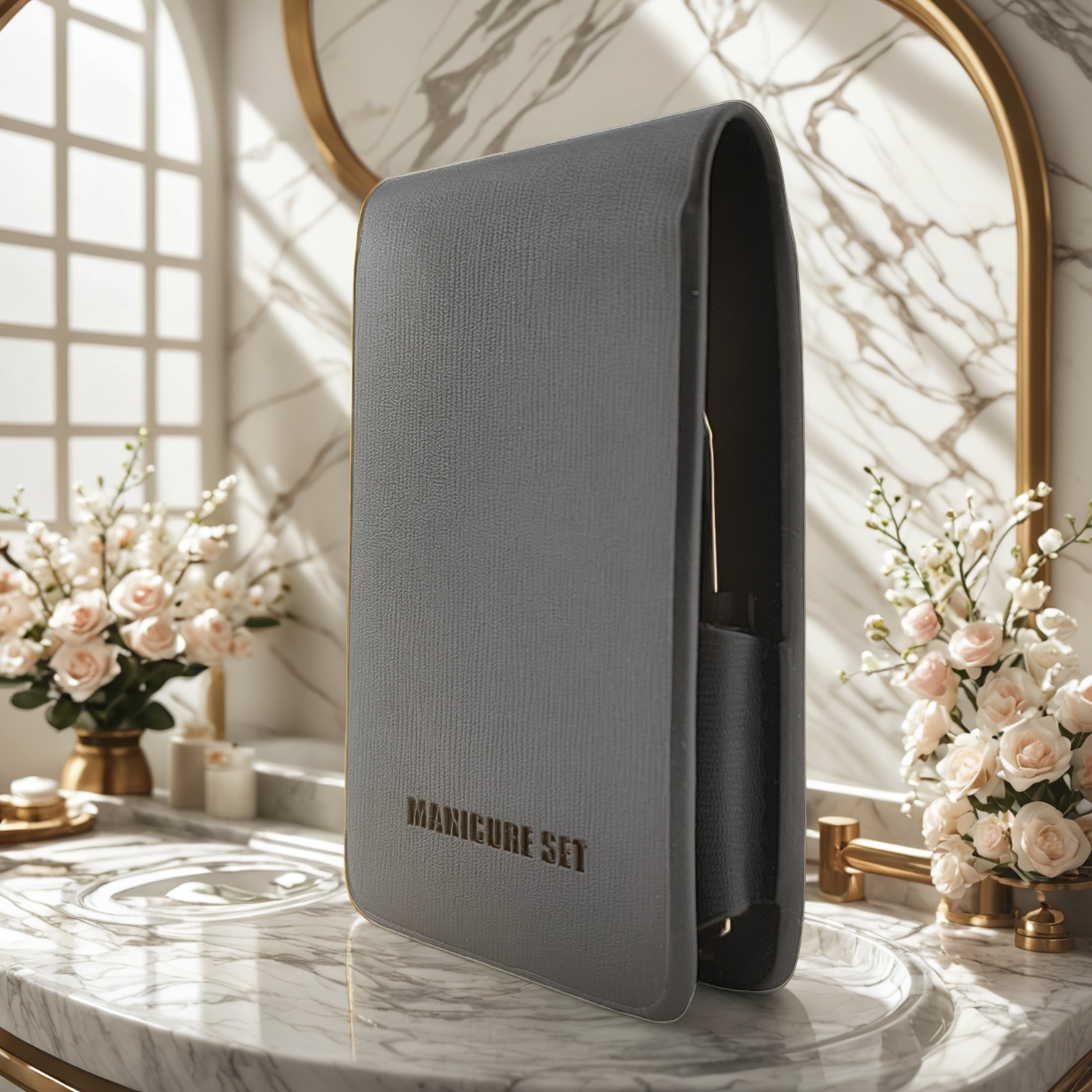
- Manicure or grooming sets: Helpful for gifting, travel and branded retail programs. Set composition, case quality and tool placement all affect perceived value.
If you are building a new assortment, begin with core tools that have broad demand before expanding into more specialized items. You can also review Olimor Beauty’s wider beauty tool products to compare categories and identify the most suitable direction for your market.
Material, Finish and Ergonomics: What Buyers Should Check
The original value of a grooming tool is not only in the material name. Stainless steel is widely used for personal care tools because it can support strength, cleanability and long service life when properly manufactured. Olimor Beauty uses stainless steel for grooming tools and focuses on precise manufacturing steps and quality checks. For wholesale buyers, the next step is to examine how the material is formed, finished and assembled.
Look closely at surfaces and edges. A polished tool should feel smooth where the hand touches it, while cutting or gripping areas should be shaped for function. Handles should not feel awkward, slippery or sharp. Ergonomic design matters because customers may use these tools in small, controlled movements. A nail clipper should be easy to press; tweezers should not require excessive force; scissors should open smoothly without wobble.
For a bulk purchase of grooming tools, evaluate the following details before confirming an order:
- Functional performance: Test cutting, trimming or gripping on appropriate sample materials rather than judging only by appearance.
- Edge comfort: Check whether non-cutting edges are smooth enough for safe handling.
- Alignment: Confirm that tweezer tips meet evenly and scissor blades close cleanly.
- Surface consistency: Look for scratches, discoloration, uneven polishing or rough spots.
- Assembly strength: Review hinges, screws, springs or moving parts for stability.
- Packaging fit: Make sure tools are secured and protected during storage and shipping.
Quality Control Questions Before Buying in Bulk
Wholesale buyers often focus on unit cost first, but quality variation can create a much higher long-term cost. Returns, replacements, negative reviews and damaged retailer confidence can reduce profit more than a small price difference ever saves. A disciplined quality checklist helps prevent avoidable problems.
When discussing a personal care tools wholesale order, prepare clear quality expectations. Define the tool type, acceptable appearance, packaging format, labeling needs and any inspection points important to your sales channel. For example, a salon supplier may care most about function and durability, while a gift retailer may need consistent presentation and attractive packaging. Both requirements are valid, but they should be communicated early.
Useful quality-control discussion points include sample approval, production consistency, inspection before shipment, packaging protection and how product issues are handled. Olimor Beauty emphasizes internal quality control from raw material inspection to final packaging. Buyers can make that process more effective by providing a clear specification, confirming the approved sample and keeping communication organized throughout the order.
Packaging and Presentation for Retail, Salon and Distributor Channels
Packaging has two jobs: it protects the tool and helps the customer understand its value. For personal care tools, packaging should prevent scratches, keep sharp or pointed items secure and allow the product to arrive in presentable condition. The correct packaging choice depends on whether the tools are sold individually, placed in a kit, displayed in store or shipped through e-commerce.
Retail buyers may prefer packaging that shows the tool clearly and includes concise product information. Salon and professional supply buyers may prioritize efficient packing, easy inventory handling and tool protection. Distributors may need cartons and inner packing that support repeated handling through a supply chain.
Before confirming packaging, review practical details such as barcode placement, product orientation, protection for tips or cutting edges, and whether the package can withstand normal transport. If you are planning a broader range, explore related product collections to see how different grooming tools may be grouped into a more coherent assortment.
How to Choose the Right Wholesale Partner
A suitable supplier should help you reduce uncertainty. Product photos and price lists are only the starting point. For ongoing wholesale business, buyers need responsive communication, consistent product understanding and a practical approach to problem solving. This is especially important if you are purchasing pedicure tools in bulk or building a multi-item grooming range.
When comparing suppliers, consider whether they can support your product category mix, explain material and workmanship options, prepare samples, discuss packaging choices and maintain order details accurately. Avoid decisions based only on the lowest quoted price. A cheaper tool that fails in use can weaken your brand’s position and increase service costs.
It is also helpful to think in terms of long-term assortment planning. Which tools will be your core repeat products? Which items will be seasonal, promotional or gift-focused? Which packaging format best fits your sales channel? A supplier familiar with personal care tools can help you organize these decisions more efficiently.
Planning Your Next Personal Care Tools Wholesale Order
Before sending an inquiry, organize your requirements so the supplier can respond with relevant information. Include the product categories you need, expected use case, target market, packaging preference and any specific quality concerns. If you already have reference samples or a desired assortment structure, share those details clearly.
A simple buyer brief may include: tool type, quantity range, packaging concept, finish preference, retail channel, inspection expectations and shipping destination. You do not need to finalize every detail immediately, but a structured brief saves time and reduces misunderstanding.
Olimor Beauty supports buyers looking for dependable grooming tools, including nail clippers, tweezers, cuticle scissors, manicure items and pedicure tools. To discuss product options for your wholesale program, you can send an inquiry with your buying requirements or contact Olimor for sourcing communication. With a clear product plan and careful evaluation process, personal care tools wholesale can become a stable, repeatable category for your business.
Tag: