

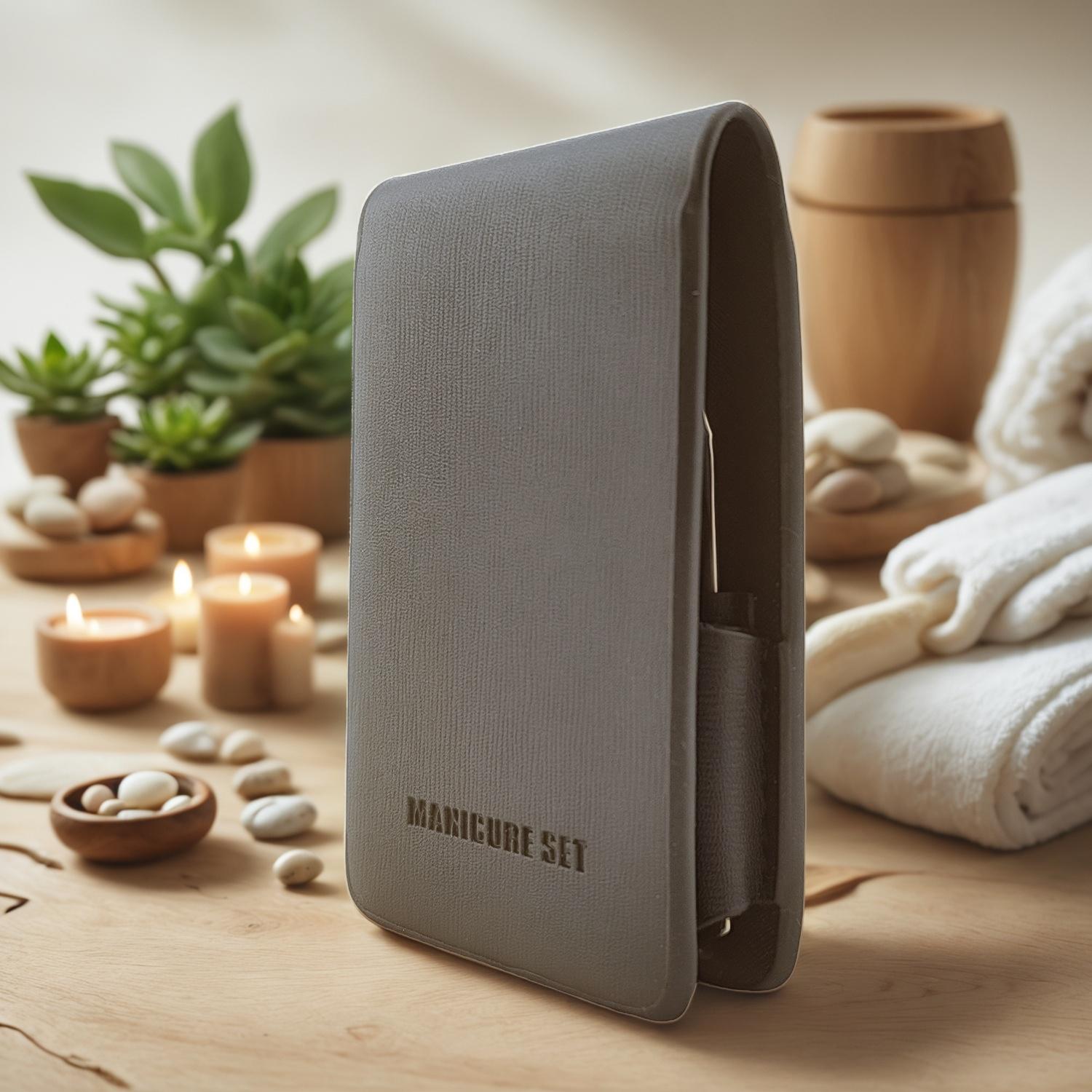
Personal Care Tools Wholesale: How to Choose a Reliable Supplier
Buying personal care tools wholesale is not only a price negotiation. For retailers, salons, spas, online stores and private-label beauty businesses, the quality of grooming tools directly affects customer trust. A nail clipper that feels weak, a tweezer that cannot grip accurately, or a file that wears down too quickly can create complaints long after the purchase order is closed. The right sourcing decision should help you build a product range that is consistent, practical and suitable for repeat use.
Personal care tools often look simple in photos, but small differences in material, finishing, cutting edge, grip, alignment and packaging can change the user experience. This is why bulk buyers need a structured evaluation process before placing larger orders. Olimor Beauty works with buyers looking for manicure, pedicure and grooming tools, and this guide explains what to check when selecting a wholesale partner for long-term supply.
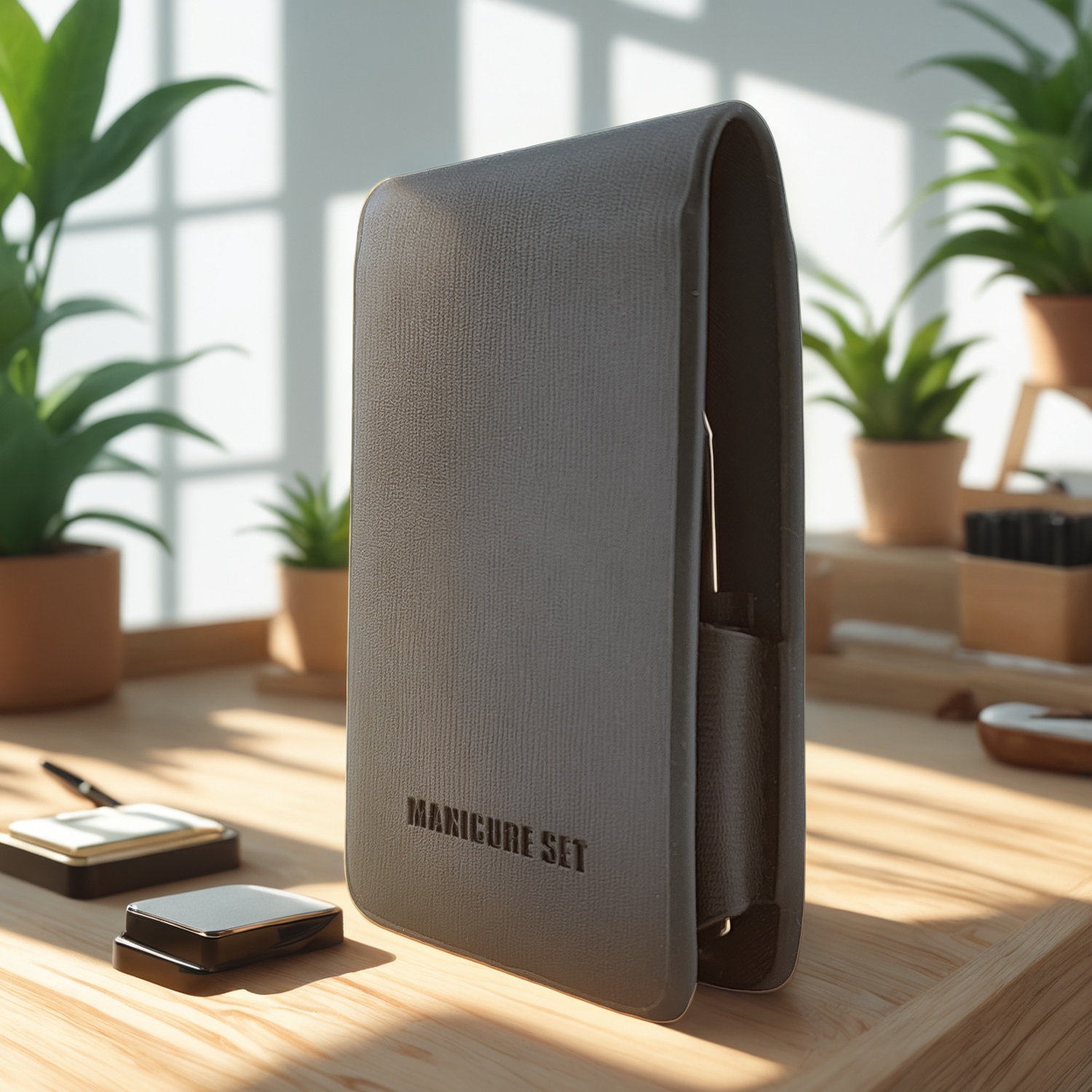
Why Wholesale Personal Care Tools Require Careful Evaluation
When you purchase a single tool for personal use, one defect is inconvenient. When you purchase grooming tools in bulk, inconsistency can affect an entire product line. A poorly selected shipment may lead to returns, negative reviews, extra inspection work, repacking costs and lost customer confidence. For service businesses, the issue is even more visible: salon and spa clients can immediately feel when a tool is uncomfortable, dull or difficult to control.
Many buyers begin by comparing unit price, but the lowest quotation is not always the lowest total cost. If tools arrive with rough edges, weak hinges, inaccurate tips or uneven finishing, your business may spend more on sorting, replacement and customer service. A better approach is to evaluate whether the supplier can deliver consistent quality at the quantity you need, with packaging and communication that match your sales channel.
The original purpose of personal care tools is practical performance. They should be easy to hold, suitable for their intended task and resistant to normal moisture exposure when properly cared for. The supplied product details indicate that Olimor Beauty focuses on stainless steel grooming tools for durability and corrosion resistance, which is an important starting point for buyers comparing wholesale options.
Key Product Details to Check Before a Bulk Purchase
Before committing to a large order, inspect the product from the user’s point of view. A tool may look acceptable in a catalog image but fail in real use if the grip, alignment or finish is not right. Requesting samples and checking them with a simple internal review process can prevent costly sourcing mistakes.
- Cutting or gripping performance: Nail clippers should cut cleanly without crushing the nail. Tweezers should meet evenly at the tips and grip fine hair or small items without slipping.
- Surface finishing: Edges should feel smooth where the user holds the tool. Rough corners can make a tool feel cheap and uncomfortable.
- Material suitability: Stainless steel is commonly used for manicure and pedicure tools because it supports durability and corrosion resistance when maintained correctly.
- Ergonomics: Handles, levers and grip points should allow controlled use. A tool that requires too much pressure may not be suitable for frequent service environments.
- Consistency between samples: Check several pieces, not only one. Wholesale sourcing depends on repeatability.
- Packaging protection: Packaging should help reduce scratching, moisture exposure and movement during shipping and handling.
For buyers building a broader range, it is useful to compare available beauty tool products by function rather than choosing only by appearance. A balanced assortment can include daily grooming tools, manicure items, pedicure tools and compact sets for travel or retail gifting, depending on your target customer.
Matching Tool Assortments to Your Sales Channel
The best wholesale assortment depends on where and how the products will be sold. A salon may prioritize tools that are comfortable for repeated handling, while an online retailer may need clear packaging, product images and simple product naming. A gift set buyer may focus on how the tools are arranged and protected in a case. Before discussing quantities, define the commercial role of each item.
| Buyer type | What to prioritize | Common risk to avoid |
|---|---|---|
| Salon or spa | Comfort, reliable performance and easy cleaning routines | Choosing tools that look attractive but feel tiring during frequent use |
| Retail store | Clear packaging, practical assortment and strong shelf presentation | Stocking too many similar items without a clear customer need |
| E-commerce seller | Consistent appearance, accurate descriptions and reduced return risk | Using unclear photos or overstating product performance |
| Brand or distributor | Stable supply, repeatable quality and packaging compatibility | Changing specifications too often and confusing repeat customers |
If you are planning a collection, start with core grooming needs first. For example, a nail care line may require clippers, files and cuticle-related tools, while a pedicure-focused range may require sturdier implements appropriate for foot care. Explore Olimor product collections to consider how individual items can be organized into a coherent range rather than treated as unrelated tools.
Quality Control Questions for a Beauty Tools Supplier
A dependable beauty tools supplier should be able to discuss inspection points clearly. This does not require complicated technical language, but it does require attention to the details that affect user satisfaction. Quality assurance should cover the path from material selection through finishing and final packaging.
When comparing suppliers, prepare a checklist that covers both product and service expectations. Useful questions include: How are tools inspected for alignment, surface finish and basic function? How are defective pieces handled before shipment? Can packaging be reviewed before bulk production? Are product photos, labels and carton marks aligned with the final goods? What information is needed from the buyer to avoid misunderstanding?
For stainless steel personal care tools, buyers should also consider storage and usage instructions. Even corrosion-resistant materials benefit from proper care. Tools should be kept dry after use, stored away from harsh chemicals when possible and cleaned according to their intended environment. If your products are sold to consumers, packaging or inserts can include simple care guidance to reduce misuse and complaints.
How to Reduce Risk When Ordering Grooming Tools in Bulk
Wholesale sourcing becomes safer when each step is documented. Instead of relying on vague descriptions such as “good quality” or “premium,” create a small but clear specification sheet. It can include product name, intended use, material information when confirmed, size if relevant, finish preference, packaging format, quantity, labeling needs and acceptable sample reference.
- Define the target customer: Decide whether the tools are for professional use, daily home grooming, travel, gifting or value retail.
- Review samples carefully: Test function, grip, finish and packaging before confirming a larger order.
- Confirm the final assortment: Avoid unnecessary duplication. Each item should have a clear purpose.
- Check packaging practicality: Packaging should protect the tool and communicate the product clearly.
- Keep an approved reference: Retain a confirmed sample or detailed record to compare against bulk goods.
- Plan reorders early: If a product performs well, stable reorder planning helps maintain continuity for your customers.
This process is especially important for buyers placing pedicure tools bulk orders or mixed grooming tool sets. Items in a set should feel like they belong together in quality, finish and presentation. If one tool is noticeably weaker than the others, it can lower the perceived value of the entire set.
Packaging, Presentation and Customer Confidence
Packaging is more than decoration. It helps protect the tool during shipping, supports retail display and gives the customer information at the point of purchase. For personal care tools, packaging should also reduce confusion about the tool’s purpose. If a customer uses a tool incorrectly because the product description is unclear, dissatisfaction may follow even when the tool itself is properly made.
For retail and online channels, consider whether the packaging allows the customer to understand the product quickly. A clean layout, accurate naming and practical care notes can be more valuable than exaggerated claims. For sets, the arrangement should prevent tools from rubbing against each other excessively during transport. For individual implements, sleeves, cards, pouches or boxes may be considered depending on the sales channel and price position.
Buyers developing private-label or branded assortments should confirm artwork, barcode placement and language requirements in advance. The goal is to make the product ready for the intended market without last-minute repacking. If you need to discuss a project, you can contact Olimor with your tool list, target channel and packaging expectations.
Choosing a Long-Term Wholesale Partner
The most valuable supplier relationship is not based on one shipment. It is built through consistent communication, realistic product planning and a shared understanding of quality expectations. A trusted supplier helps buyers avoid random assortment decisions and focus on tools that fit the customer’s real grooming needs.
When evaluating a beauty tools supplier in China or any sourcing market, look for practical responsiveness. Clear answers, organized sample handling and attention to packaging details are strong signs. Be cautious with any supplier that only discusses low price while avoiding questions about inspection, material, finishing or consistency. In personal care categories, small defects are easy for end users to notice, so reliable execution matters.
Olimor Beauty supports buyers seeking personal care tools wholesale, including manicure and pedicure-related grooming tools. To begin a sourcing discussion, prepare a list of the products you need, expected order mix, target retail channel and any packaging direction. You can also send an inquiry to start reviewing suitable options for your next bulk purchase.
With a careful selection process, wholesale grooming tools can become a dependable part of your product range. Focus on function, consistency, packaging and supplier communication, and you will be better positioned to offer personal care tools that customers trust and return to buy again.
Tag: