

Personal Care Tools Wholesale: A Practical Buying Guide for Salon Supplies
Buying personal care tools wholesale is not just a way to fill a stockroom. For salons, spas, nail studios, beauty retailers and promotional buyers, it is a supply decision that affects service speed, hygiene routines, customer perception and reordering efficiency. The right approach helps you keep commonly used items available without overbuying tools that do not match your services or retail audience.
Manicure and pedicure tools are especially important because they are handled frequently, need organized storage and must feel reliable in the hand. When you purchase pedicure tools bulk or manicure sets in larger quantities, small differences in tool selection, packaging, finish and case design can have a major impact on daily operations. Olimor Beauty supports buyers looking for practical grooming tool options, including wholesale supply for nail care and personal care categories.
Why Wholesale Planning Matters for Salon Tool Supply
Salons often reorder personal care tools reactively: a technician notices that a kit is missing, a retail display runs low, or a seasonal rush exposes gaps in inventory. Wholesale purchasing works better when it is tied to service volume and tool usage. Instead of simply choosing the lowest unit cost, professional buyers should consider how tools will be used, stored, cleaned, presented and replenished.
A good wholesale plan helps you answer practical questions before ordering. How many manicure and pedicure stations need dedicated sets? Are tools intended for professional back-bar use, retail sale, gift sets, travel kits or promotional bundles? Will the salon use complete kits, individual implements, or a mix of both? These questions prevent mismatched inventory, such as ordering elegant gift cases when what the team really needs is high-turnover service stock.
Wholesale buying also improves consistency. When several locations or technicians use the same type of tool set, training is easier and the customer experience becomes more predictable. For retailers, consistent packaging and kit contents make product displays cleaner and easier to manage. Buyers can review related beauty tool products to compare how different grooming categories may fit a salon, spa or retail assortment.
Choosing Pedicure Tools Bulk for Real Service Needs
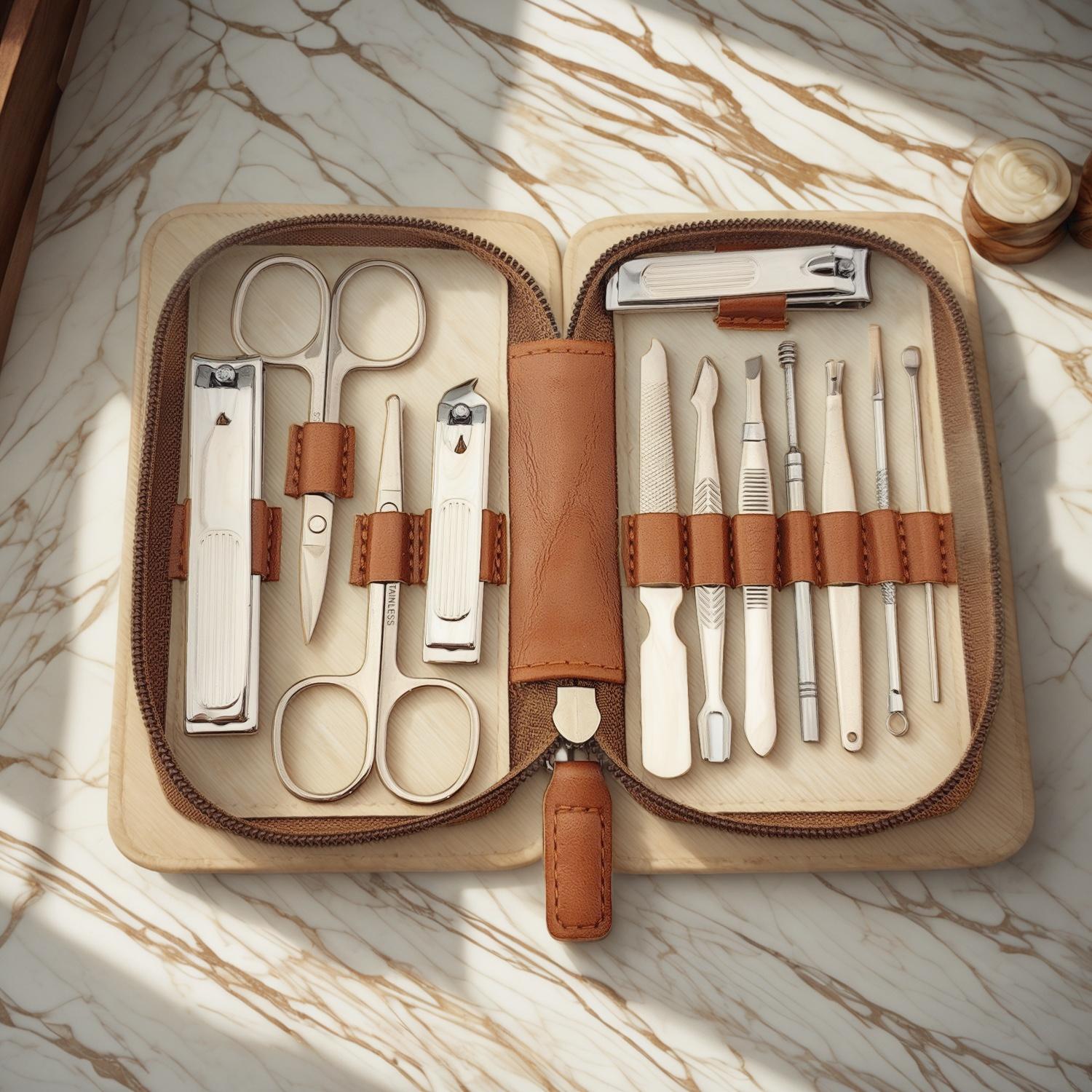
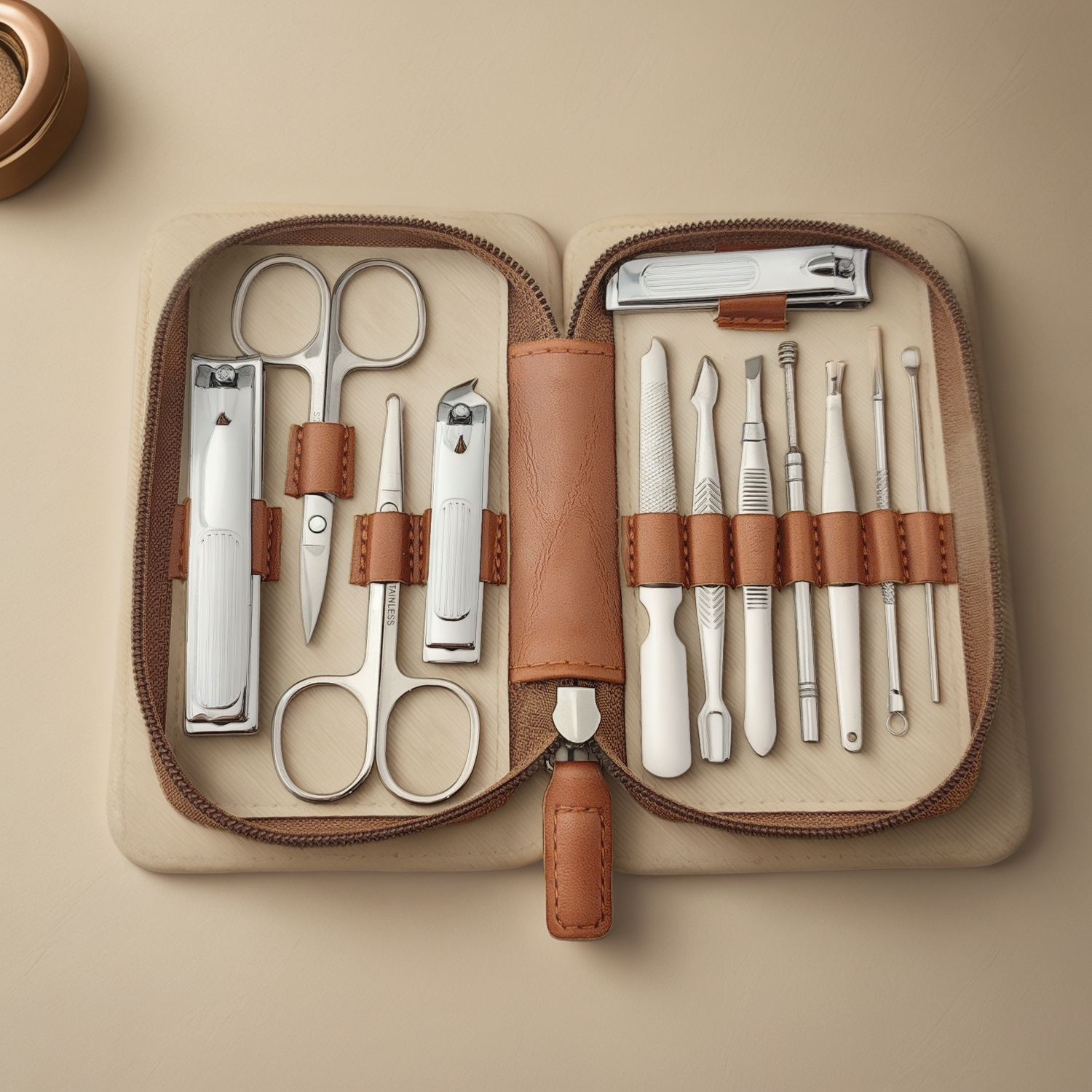
Pedicure tools bulk orders should be matched to the actual procedures offered. A basic grooming service may require fewer implements than a full manicure and pedicure package. The original product focus includes a deluxe 16-piece manicure and pedicure set housed in a leather case, which points to a versatile kit format suitable for broad nail care needs. For wholesale buyers, the key is not only the number of pieces, but whether each piece has a clear role in your operation or retail offer.
Before confirming a bulk order, map the kit contents against your service menu. If your salon offers express nail care, complete grooming, men’s grooming add-ons or giftable retail sets, the ideal assortment may differ. A larger set can be useful when customers value a complete personal kit or when technicians need a range of implements at hand. However, if a tool is rarely used, it still adds cost, takes space and may complicate training.
- Service fit: Match tool types to manicure, pedicure and grooming services actually offered.
- Handling comfort: Consider whether tools are easy to grip, control and use during repeated appointments.
- Kit organization: A case should keep pieces visible, separated and less likely to be misplaced.
- Retail presentation: For customer-facing sales, the case and arrangement should look orderly and gift-ready.
- Replacement planning: Decide whether you need complete sets, backup pieces or both.
This checklist is more useful than buying by piece count alone. A 16-piece set can support versatility, but the value depends on whether the assortment is relevant to your buyers and technicians.
What to Evaluate in a Beauty Tools Supplier China
Working with a beauty tools supplier in China can be efficient for wholesale buyers, but supplier selection should be structured. The goal is to reduce uncertainty before the order reaches your salon, warehouse or retail shelf. Instead of relying on broad claims, create a review process based on product consistency, packaging expectations, communication quality and order documentation.
Quality control is especially important for personal care tools because customers can feel flaws immediately. Rough edges, weak closures, inconsistent alignment or poorly arranged kits can make a product seem unreliable even before use. Ergonomic design is also valuable because grooming tools should be comfortable for repeated handling. Olimor Beauty is positioned as a wholesale beauty tools supplier, and buyers can use a clear evaluation framework when comparing suitable products for salon or retail supply.
| Evaluation area | What to review before ordering | Why it matters |
|---|---|---|
| Tool assortment | Confirm the number and purpose of each piece in the set. | Prevents paying for tools that do not match your services or retail audience. |
| Case design | Check whether the leather case keeps tools secure and easy to identify. | Supports storage, presentation and day-to-day organization. |
| Finish and edges | Review samples for smooth handling and consistent finishing. | Improves user confidence and reduces complaints. |
| Packaging approach | Clarify how products are packed for shipping and display. | Helps protect goods and supports retail merchandising. |
| Communication | Confirm product details, quantities and documentation clearly. | Reduces order mistakes and makes reordering easier. |
If you are comparing different grooming categories, browsing product collections can help you think beyond one order and build a more coherent salon supply or retail program.
How to Forecast Quantities Without Overstocking
Bulk purchasing works best when quantity is tied to turnover. A salon that performs high volumes of pedicure services will need a different reorder rhythm than a boutique retailer selling manicure and pedicure sets as gifts. The most practical starting point is to separate tools into three groups: active service tools, backup stock and retail inventory.
Active service tools are the items used every day by technicians. These should be planned around the number of workstations, appointment volume and sanitation rotation. Backup stock protects you when a tool is damaged, misplaced or removed from service. Retail inventory is separate because it depends on customer purchasing behavior, display space and seasonal demand.
- Count your stations: Identify how many manicure and pedicure stations require complete working sets.
- Review service volume: Estimate weekly nail care appointments and peak-season increases.
- Set a backup level: Keep extra sets available so damaged or missing tools do not interrupt service.
- Separate retail stock: Do not use retail kits to patch service shortages unless that is part of your plan.
- Track reorder timing: Record how quickly stock moves so your next wholesale order is based on evidence.
This method helps prevent two common problems: buying too little and interrupting service, or buying too much and tying up cash in slow-moving inventory.
Storage, Hygiene and Daily Tool Management
Personal care tools need a storage system that keeps them clean, traceable and ready for use. A leather case can be helpful for organization and presentation, especially for a complete manicure and pedicure set, but salons still need internal procedures for handling tools before and after appointments. Wholesale buying should therefore consider how sets will move through the salon, not just how they look when delivered.
Create a simple workflow for tool use. Staff should know where clean tools are stored, where used tools go, and how incomplete sets are reported. If the same style of kit is used across the salon, it becomes easier to identify missing pieces and maintain a consistent station setup. For retailers, display samples should be separated from sellable stock to keep packaged products in better condition.
Maintenance also protects perceived value. Tools should be inspected regularly for visible wear, alignment concerns, loosened parts or damaged cases. Any item that no longer supports safe, comfortable use should be removed from service. For wholesale buyers, this reinforces the need to keep backup stock and to choose products that are practical to organize over time.
Building a Better Wholesale Inquiry
A strong inquiry saves time for both the buyer and the supplier. Instead of asking only for a general quotation, describe how the personal care tools will be used. Mention whether you are sourcing for salon service, retail resale, gift sets, distribution or promotional use. Include the desired category, such as manicure and pedicure sets or pedicure tools bulk, and note whether packaging presentation is important.
Useful inquiry details include estimated quantity, target market, preferred kit format, packaging needs and any required product information for your internal review. Avoid vague requests when comparing suppliers; the clearer your requirements, the easier it is to compare responses fairly. If you need guidance on available options, you can contact Olimor or send an inquiry with your purchasing requirements.
Personal care tools wholesale should support the way your business actually operates. By focusing on service fit, kit organization, supplier evaluation, quantity planning and maintenance, salons and retailers can build a more reliable grooming tool supply without relying on guesswork. Whether you are preparing for peak pedicure demand or developing a retail-ready nail care assortment, a structured buying process will help every order work harder for your business.
Tag: