

Personal Care Tools Wholesale: A Practical Buying Guide for Beauty Businesses
For salons, beauty retailers, distributors, and private-label buyers, personal care tools are not simple add-on items. They influence customer trust, repeat purchases, service consistency, and the way a brand is perceived at the shelf or treatment station. When you source personal care tools wholesale, the goal is not only to find products that look attractive in a catalog. The stronger goal is to build an assortment that feels comfortable in the hand, performs reliably, is easy to maintain, and can be reordered with consistent quality.
Beauty tools cover a wide range of daily-use items, from manicure and pedicure implements to grooming accessories and eyelash curlers. The original product image below reflects this broad wholesale category and the importance of clear presentation for professional buyers.

This guide explains how to evaluate wholesale personal care tools for practical business needs: product selection, inspection points, user experience, packaging decisions, and supplier communication. If you are building or refreshing a beauty tools assortment, you can also browse Olimor beauty tool products or review broader product collections as part of your sourcing research.
Why Wholesale Personal Care Tools Require Careful Selection
Bulk purchase decisions magnify both good and bad choices. A single tool that performs well can become a dependable repeat seller; a poorly selected tool can create returns, service complaints, or uneven customer experiences across multiple locations. This is especially important for salons and retailers because many personal care tools are used close to sensitive areas such as nails, cuticles, feet, brows, and lashes.
Buyers should consider three layers of quality. The first is functional quality: does the tool perform the intended task smoothly and predictably? The second is ergonomic quality: can a professional or consumer use it without awkward pressure, slipping, or fatigue? The third is commercial quality: does the product arrive in a condition and presentation suitable for retail sale, salon backbar use, gift sets, or distribution?
Personal care tools wholesale sourcing also affects brand consistency. If a retailer sells a grooming tool under a house assortment, customers expect future batches to feel similar. If a salon group equips multiple branches, technicians need tools that behave consistently so service procedures remain familiar. That is why visual appeal should be evaluated together with handle comfort, alignment, finishing, edge treatment where relevant, and packaging durability.
Building the Right Assortment for Retail, Salon, or Distribution
A strong wholesale order usually begins with a clear use case. Retail buyers may prioritize shelf appeal, compact packaging, and easy customer education. Salon buyers may focus more on comfort, sanitation routines, and durability under frequent use. Distributors need a balanced selection that can serve different customer segments without creating unnecessary inventory complexity.
Common wholesale planning questions include:
- Who will use the tools? Professional technicians, at-home consumers, travel users, or gift buyers may need different designs and packaging styles.
- Where will the tools be sold or used? A salon station, retail wall, online store, hotel amenity program, or beauty kit each creates different requirements.
- How often will the tools be handled? High-frequency professional use places greater emphasis on grip, stability, finishing, and cleanability.
- What products belong together? Manicure, pedicure, brow, lash, and grooming tools can be grouped into logical ranges for easier merchandising.
- What information must packaging communicate? Basic use, care guidance, material notes when available, warnings, and barcode or labeling needs should be planned early.
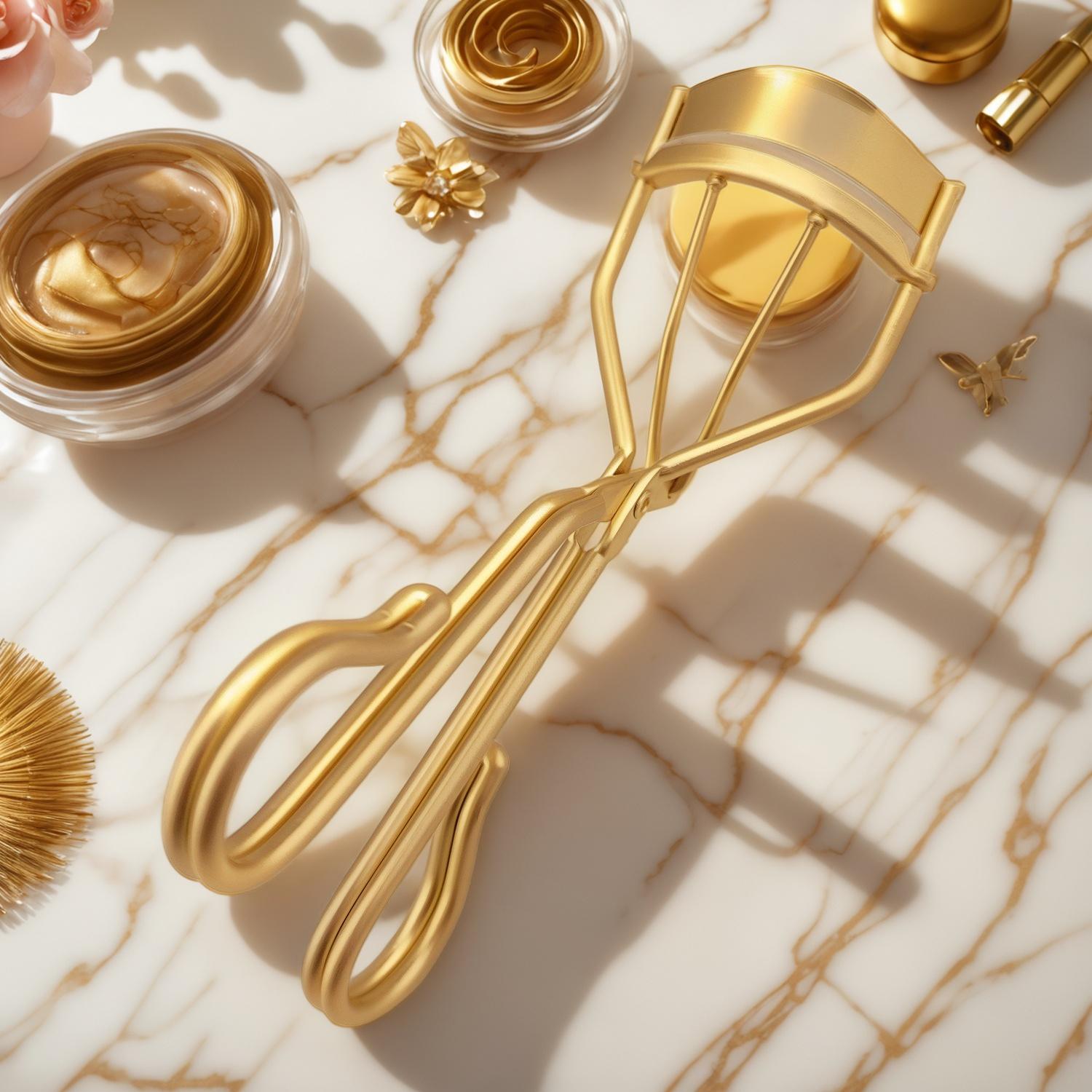
For example, pedicure tools bulk purchases may be intended for professional service environments, retail foot-care displays, or bundled personal care kits. Each route requires a different balance between tool strength, finish, storage, and packaging. Similarly, a specialty item such as the Golden Precision Eyelash Curler should be reviewed not only for appearance but also for pad softness, grip comfort, curve suitability, and smooth opening and closing action.
Quality Checks Before Committing to Bulk Grooming Tools
Because product details can vary by item type, buyers should use a structured inspection approach instead of relying on appearance alone. The following table outlines practical checkpoints that apply to many personal care tools wholesale projects.
| Checkpoint | What to Review | Why It Matters |
|---|---|---|
| Surface finish | Look for rough edges, burrs, uneven coating, visible marks, or areas that feel uncomfortable. | Finishing affects safety perception, comfort, and retail quality. |
| Tool alignment | Check whether moving parts close evenly and whether paired surfaces meet correctly. | Alignment influences performance for curlers, clippers, tweezers, and similar tools. |
| Grip and handling | Hold the tool in the expected working position and test for slipping, awkward angles, or strain. | Comfort is critical for both professional use and consumer satisfaction. |
| Functional repeatability | Open, close, press, or use the tool repeatedly as appropriate. | A tool should feel consistent, not stiff on one attempt and loose on the next. |
| Packaging condition | Inspect inserts, cartons, labels, protective sleeves, and resistance to transit handling. | Packaging protects the product and shapes the customer’s first impression. |
| Care and cleaning suitability | Consider whether the product shape traps residue and whether care instructions are practical. | Easy maintenance supports hygiene and longer useful life. |
For wholesale buyers, a sample review should mirror real usage. A salon buyer might give sample tools to technicians for station testing. A retailer might evaluate how the product photographs, how easily the package can be read, and whether the customer can understand the benefit quickly. A distributor may compare cartons, packing density, and product categorization for warehouse handling.
Choosing Tools That Feel Professional in Everyday Use
Professional results are rarely caused by one feature alone. They come from the relationship between design, material choice, finishing, and user control. An eyelash curler, for instance, should not be assessed only by its color or decorative finish. Important practical points include the curve, hinge smoothness, pressure control, finger loop comfort, and the quality of the silicone pad. The supplied product information notes that the Golden Precision Eyelash Curler is designed with a comfortable grip and gentle silicone pad to help create a lasting curl without damaging lashes. For a buyer, those are exactly the kinds of details that should be verified through hands-on review.
Manicure and pedicure tools require the same attention. A tool may look polished but still feel awkward if it is too slippery, too heavy for its purpose, or difficult to position at a comfortable angle. When evaluating pedicure tools bulk, consider the environment in which the products will be used. Professional settings need items that can be handled efficiently during repeated appointments. Retail consumers may value clear instructions, safe storage, and intuitive handling.
Ergonomics also influence perceived value. Customers often decide whether a tool feels trustworthy within seconds of holding it. Smooth edges, stable operation, and balanced weight communicate care. In wholesale beauty tools, these small details can reduce customer hesitation and support long-term satisfaction.
Packaging, Merchandising, and Brand Presentation
Packaging is not only a container; it is part of the product experience. For retail buyers, packaging must protect the tool, display it clearly, and communicate what the item does. For salons and professional suppliers, packaging may need to be compact, easy to store, and practical for quick identification. For e-commerce, it should help reduce movement during shipping and arrive looking clean and organized.
When planning wholesale personal care tools, review whether packaging supports the intended channel. A transparent window or visible product layout may help in physical retail. A simpler protective sleeve may be suitable for salon operating stock. Giftable sets may require a more coordinated presentation, but the package still needs to be durable enough for handling.
Labeling requirements can differ depending on destination market and sales channel, so buyers should prepare artwork, barcode, language, and warning text requirements in advance. If you are comparing items or preparing a sourcing plan, you can send an inquiry with your target product categories and packaging expectations. For more complex assortment planning, it is also helpful to contact Olimor before finalizing the product list.
Maintenance Guidance That Helps Customers Keep Tools Longer
A wholesale order should consider what happens after the sale. Clear maintenance guidance improves customer experience and may reduce avoidable complaints. While care instructions depend on the specific tool, most personal care tools benefit from basic practices: keeping tools dry after cleaning, storing them away from loose cosmetics or moisture, avoiding unnecessary force, and replacing pads or consumable parts where applicable.
Retailers can add value by grouping care information with the product display. Salons can train staff to inspect tools regularly for wear, looseness, or surface damage. Distributors can help downstream buyers by supplying consistent product descriptions and usage notes. These steps are simple, but they make a wholesale beauty tool program easier to manage.
For tools used near the eye area, such as eyelash curlers, users should keep pads clean and avoid using the tool if it is damaged or if the pad is worn. For pedicure and manicure tools, cleaning and storage routines should match the end user’s environment and applicable hygiene expectations. The key is to make maintenance realistic so customers actually follow it.
How to Compare Beauty Tool Suppliers Without Guesswork
A reliable wholesale supplier should support practical decision-making. Instead of focusing only on unit appearance, buyers should compare communication clarity, sample consistency, packaging options, product range fit, and responsiveness to technical questions. The most useful supplier conversations are specific: product category, intended user, sales channel, packaging format, expected reorder needs, and any required documentation for the destination market.
Olimor Beauty emphasizes precision, durability, ergonomic design, and internal quality control across its personal care tools range. For buyers, this means product selection can be approached with a focus on real user needs rather than surface-level decoration alone. Whether you are sourcing grooming tools for a retail line, a salon group, or a distributor catalog, the strongest results come from matching tool design to the way the product will actually be used.
Personal care tools wholesale sourcing is ultimately a quality and trust decision. A well-chosen assortment can support repeat purchases, professional service consistency, and a stronger beauty category for your business. Start with clear use cases, test samples carefully, review packaging early, and select products that feel reliable in the hand as well as attractive on display.
Tag: