

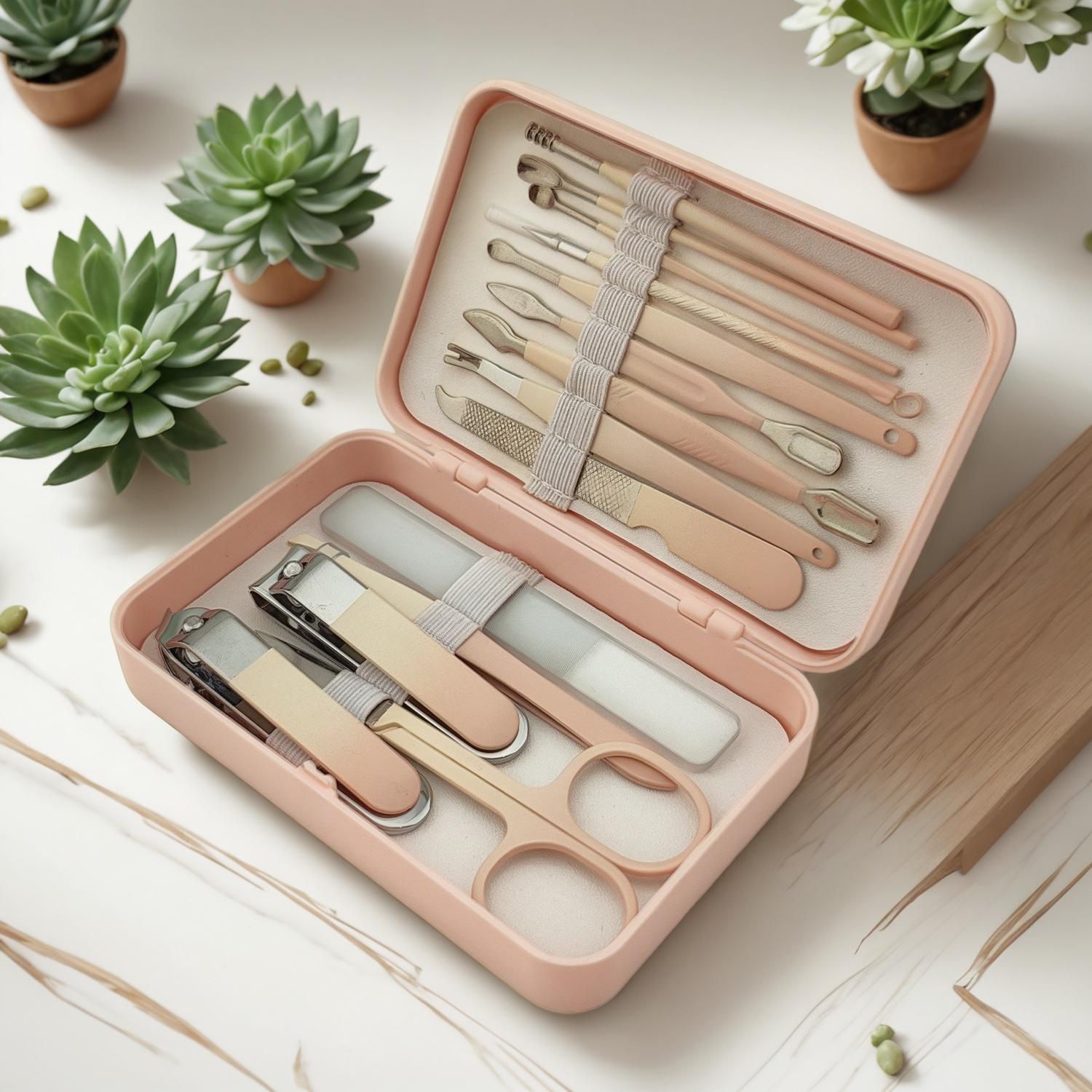
Personal Care Tools Wholesale: How to Source Manicure and Vegan Grooming Tools in Bulk
Personal care tools wholesale buying is not only about getting a lower unit cost. For salons, spas, beauty retailers, distributors, and private-label buyers, the real goal is to build a dependable tool range that feels precise in the hand, holds up to repeated use, and suits the expectations of modern grooming customers. Manicure tools, nail clippers, files, cuticle tools, and related grooming essentials are small items, but they can have a large impact on customer satisfaction and repeat purchasing.
When buying in bulk, the details matter: stainless steel construction, edge finishing, ergonomic handling, packaging protection, cleaning instructions, and whether the product range can support vegan or animal-free positioning. Olimor Beauty focuses on durable stainless steel personal care tools with quality assurance and ergonomic design considerations, making this category especially relevant for professional and retail buyers comparing wholesale options.
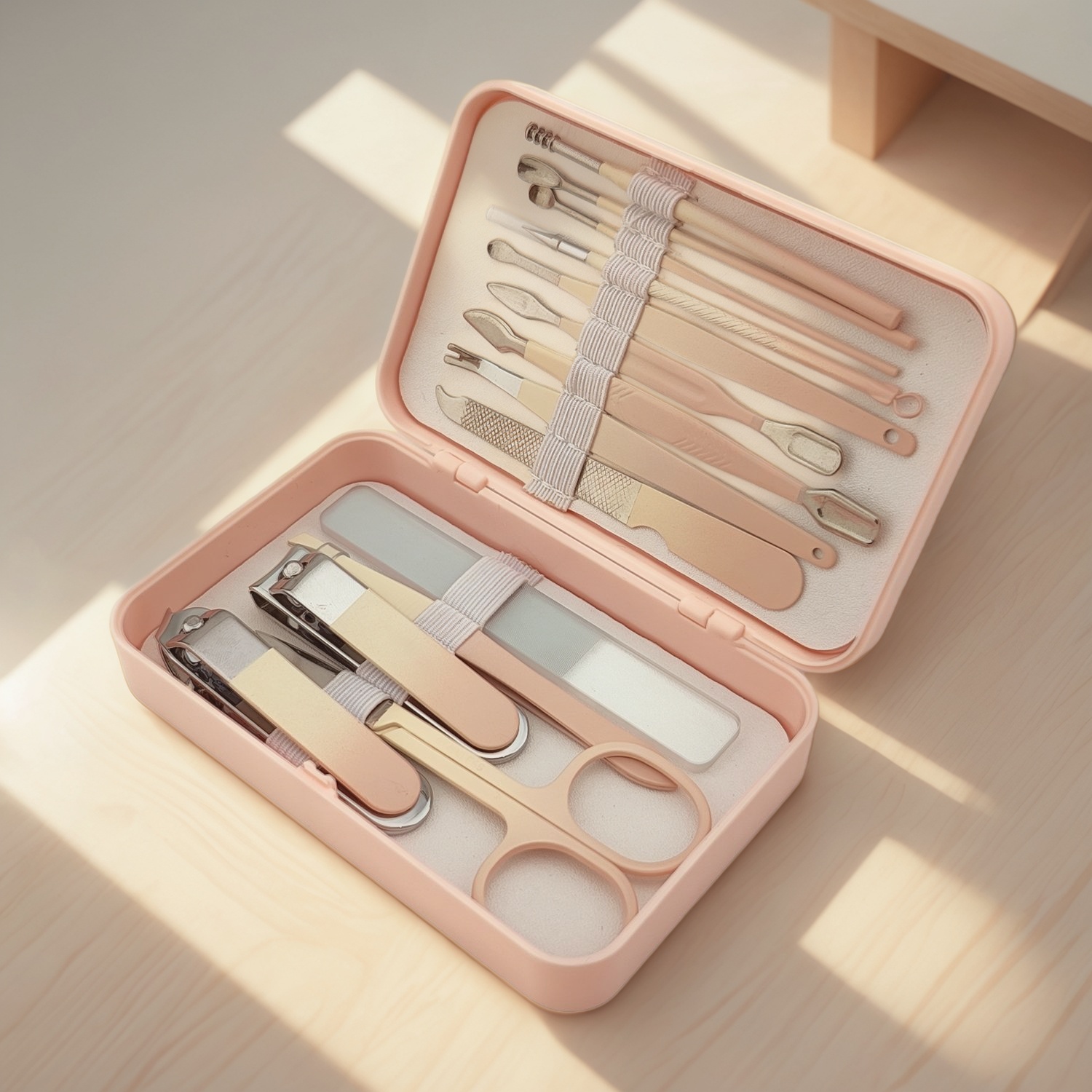
Who Should Buy Personal Care Tools Wholesale?
Wholesale personal care tools are suitable for several types of buyers, but each group should evaluate the purchase differently. A nail salon may prioritize comfort, repeat disinfection, and tool performance during daily appointments. A spa may need grooming sets that look clean and professional as part of a treatment room setup. A beauty retailer may focus on shelf presentation, packaging consistency, and consumer-friendly product information. A distributor may need an assortment that covers common grooming needs without creating unnecessary inventory complexity.
Bulk buying can be especially useful when the tools are consumed or replaced regularly, sold as grooming kits, included in gift sets, or used across multiple service stations. Instead of treating wholesale as a simple quantity discount, buyers should map the tools to actual use cases. For example, clippers and files may be high-turnover products, while cuticle pushers or grooming accessories may need more careful positioning in a set. Reviewing the broader range of beauty tool products can help buyers compare which items belong in a core manicure assortment and which are better suited for seasonal, travel, or retail bundles.
What Salon-Quality Means for Manicure Tools
“Salon-quality” should refer to measurable characteristics, not vague marketing language. In manicure tools, quality begins with material stability and manufacturing consistency. Stainless steel is widely valued in personal care tools because it supports durability, cleanability, and a professional appearance. However, buyers should still evaluate the finish, edges, alignment, and feel of each tool before committing to a large order.
For clippers, check whether the cutting edges meet evenly and operate smoothly without excessive force. For files, consider the intended user experience: a retail nail file does not need to feel identical to a professional salon file, but it should be consistent across the batch. For cuticle tools, smooth edges are important because rough finishing can create discomfort or increase the risk of scratching the nail area. Ergonomic design is also a practical factor. Tools that are easy to grip and control reduce hand fatigue during repeated use and feel more reliable to end users.
Wholesale Selection Checklist for Grooming Tools
A structured checklist helps prevent the most common bulk buying mistakes. Before placing a wholesale order, compare the proposed products against the actual market, service, or retail need. The table below highlights practical criteria that can be used for salons, retailers, and distributors.
| Selection Area | What to Review | Why It Matters |
|---|---|---|
| Material | Stainless steel construction, surface finish, and corrosion resistance expectations | Supports durability, cleaning, and a professional look |
| Tool function | Cutting alignment, filing surface, grip comfort, and smooth movement | Determines whether the tool performs reliably in real use |
| Ergonomics | Handle shape, pressure required, and ease of control | Important for salon technicians and repeat users |
| Packaging | Protection during shipping, retail presentation, and labeling space | Reduces damage and supports resale or kit assembly |
| Vegan positioning | Absence of animal-derived components where relevant | Helps match ethical or lifestyle-focused buying preferences |
| Batch consistency | Appearance, finish, and function across multiple samples | Essential when scaling from samples to bulk orders |
This checklist is also useful when comparing different product collections. A buyer may find that one assortment is better for professional salon stations, while another is more appropriate for retail grooming kits or promotional sets.
Buying Vegan Manicure Tools Without Making Unsupported Claims
Demand for vegan manicure tools wholesale has grown because many consumers want grooming products that align with animal-free purchasing values. For metal tools such as stainless steel clippers or cuticle tools, the vegan question often relates less to the metal itself and more to accessories, packaging, coatings, adhesives, pouches, brushes, or decorative components that may be included in a kit. If vegan positioning is important for your brand or sales channel, evaluate the full product configuration rather than only the main tool.
A responsible vegan sourcing process should include a component review. Check whether any leather, animal hair, shell, bone, silk, beeswax-treated materials, or animal-derived adhesives are used in the final product or packaging. If your sales channel requires documentation, include that requirement early in the buying process. Avoid making vegan claims on retail pages or packaging unless the product configuration and documentation support the claim. This protects both the buyer and the end customer.
For salons, vegan-friendly tools can also be part of a broader service menu. A salon that offers vegan nail care may prefer tools and accessories that are easy to clean, visually professional, and free from animal-derived add-ons. For retailers, vegan positioning should be clear but accurate: simple, specific product descriptions are usually stronger than broad ethical claims that cannot be verified.
How to Evaluate Samples Before a Bulk Order
Samples are one of the most important steps in personal care tools wholesale purchasing. A product can look acceptable in a catalog image but feel different in daily use. Before confirming a larger order, test the tools in the environment where they will actually be used or sold.
- Inspect the finish. Look for burrs, rough edges, uneven surfaces, or visible defects that could affect comfort or appearance.
- Test the function. Open and close clippers, check file surfaces, and handle cuticle tools as a user would during a manicure.
- Review grip and control. A tool should feel stable, especially when used repeatedly or with slightly damp hands.
- Check cleaning practicality. Tools used in professional settings should be easy to wipe, clean, and maintain according to the buyer’s hygiene procedures.
- Compare multiple pieces. Do not judge consistency from a single sample. If possible, examine several units from the proposed range.
- Assess packaging fit. Packaging should protect the tool and match the intended sales channel, whether salon storage, retail display, or kit assembly.
If questions arise during comparison, buyers can contact Olimor to discuss product categories, intended use, and sourcing requirements before moving forward.
Bulk Purchasing Decisions: Cost, Quantity, and Assortment
Cost matters in wholesale buying, but the cheapest tool is not always the most economical choice. A low-priced manicure tool that dulls quickly, feels uncomfortable, or creates customer complaints can increase replacement costs and damage the buyer’s reputation. Instead, compare cost against expected use, finish quality, packaging suitability, and the value of consistency.
Quantity planning should be based on realistic turnover. Salons can estimate usage by service stations, replacement cycles, and backup inventory needs. Retailers should consider display space, sales history for similar grooming items, and seasonal demand. Distributors may need a balanced assortment that includes core manicure products without overloading inventory with too many near-identical items.
It is also helpful to separate your assortment into core tools and optional add-ons. Core tools may include the manicure items customers expect to find in every range, while add-ons can support travel sets, gift sets, or vegan-focused bundles. This approach keeps the wholesale order focused and makes future reorders easier to manage.
Maintenance Guidance for Professional and Retail Users
Maintenance information can improve the end-user experience and reduce unnecessary complaints. Stainless steel personal care tools are valued for durability, but they still need proper handling. After use, tools should be cleaned according to the setting’s hygiene requirements and dried before storage. Leaving tools wet or exposed to harsh conditions can affect appearance over time. For retail customers, simple care instructions on packaging or inserts can help them understand how to keep manicure tools clean and functional.
For salon environments, storage also matters. Tools should be kept in a clean, dry location and organized so edges do not knock against each other unnecessarily. If tools are part of a professional service process, staff should be trained to identify when a tool is damaged, misaligned, or no longer suitable for use. Wholesale buyers who plan for care and replacement from the beginning usually maintain a more consistent service standard.
Build a Wholesale Inquiry That Gets Useful Answers
A clear inquiry helps both the buyer and supplier understand the project. Instead of asking only for a general price list, describe the intended sales channel, tool types, expected packaging needs, vegan-related requirements if applicable, and whether the tools will be used professionally or sold to consumers. Include the level of assortment you are considering, such as individual manicure tools, grooming sets, or mixed personal care tool selections.
For best results, prepare a short buying brief with the product categories, target users, sample expectations, packaging preferences, and any documentation needs. This allows the sourcing discussion to focus on practical fit rather than assumptions. Buyers ready to compare options can send an inquiry with their wholesale grooming tool requirements and begin narrowing the selection.
Personal care tools may be compact, but bulk sourcing deserves careful review. By focusing on stainless steel quality, ergonomic handling, vegan-friendly component choices, sample testing, and realistic assortment planning, salons and beauty businesses can choose wholesale manicure tools that support professional results and dependable customer experiences.
Tag: