

How to Choose False Lash Tweezers for Professional and Retail Use
False lash tweezers should make small, careful movements easier: lifting a lash strip from the tray, positioning the band close to the lash line, pressing down the inner corner, or correcting a small section without disturbing the rest of the makeup. For salons, lash artists, retailers and beauty brands, the right tweezer is not just an accessory. It affects control, hygiene routines, customer experience, retail presentation and repeat purchasing decisions.
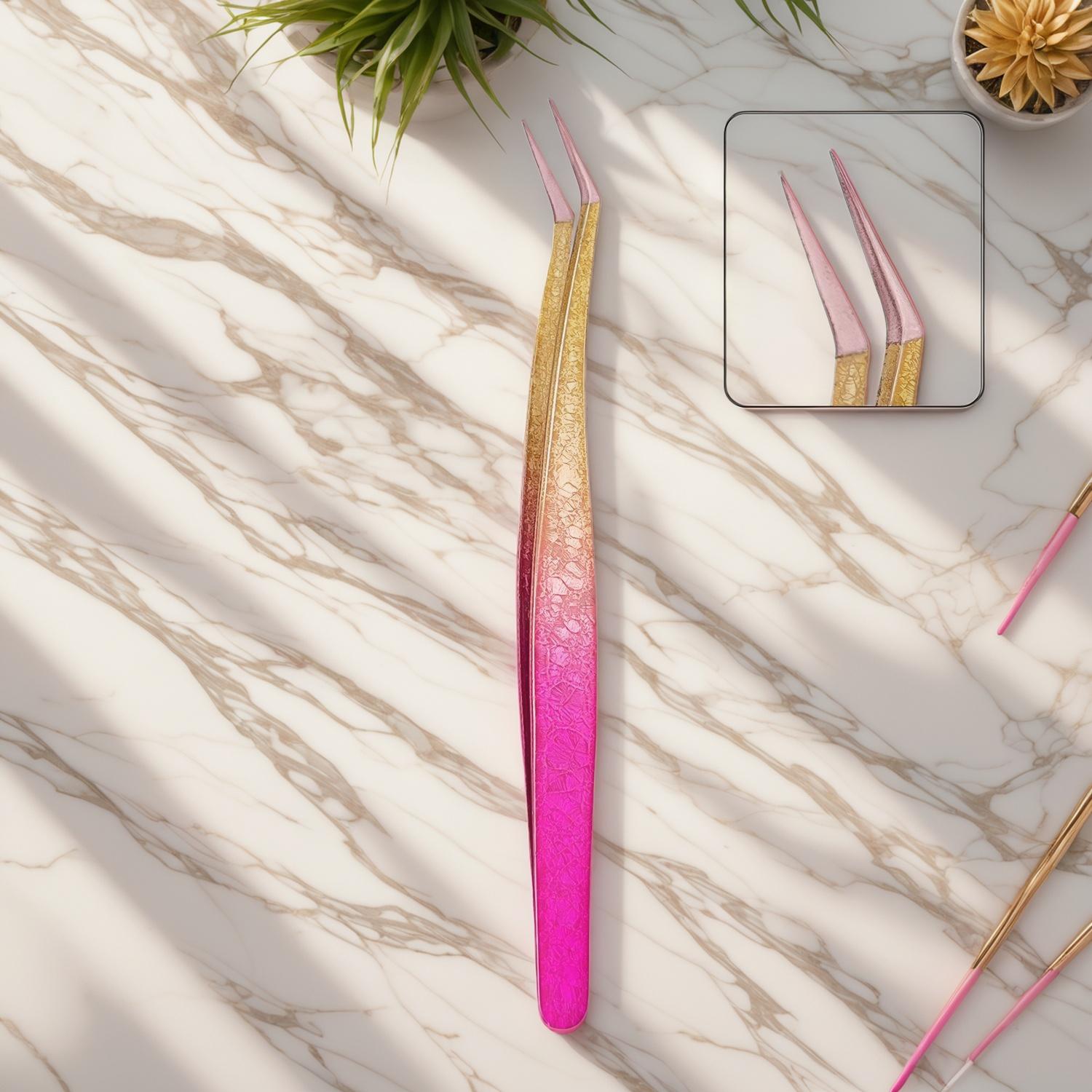
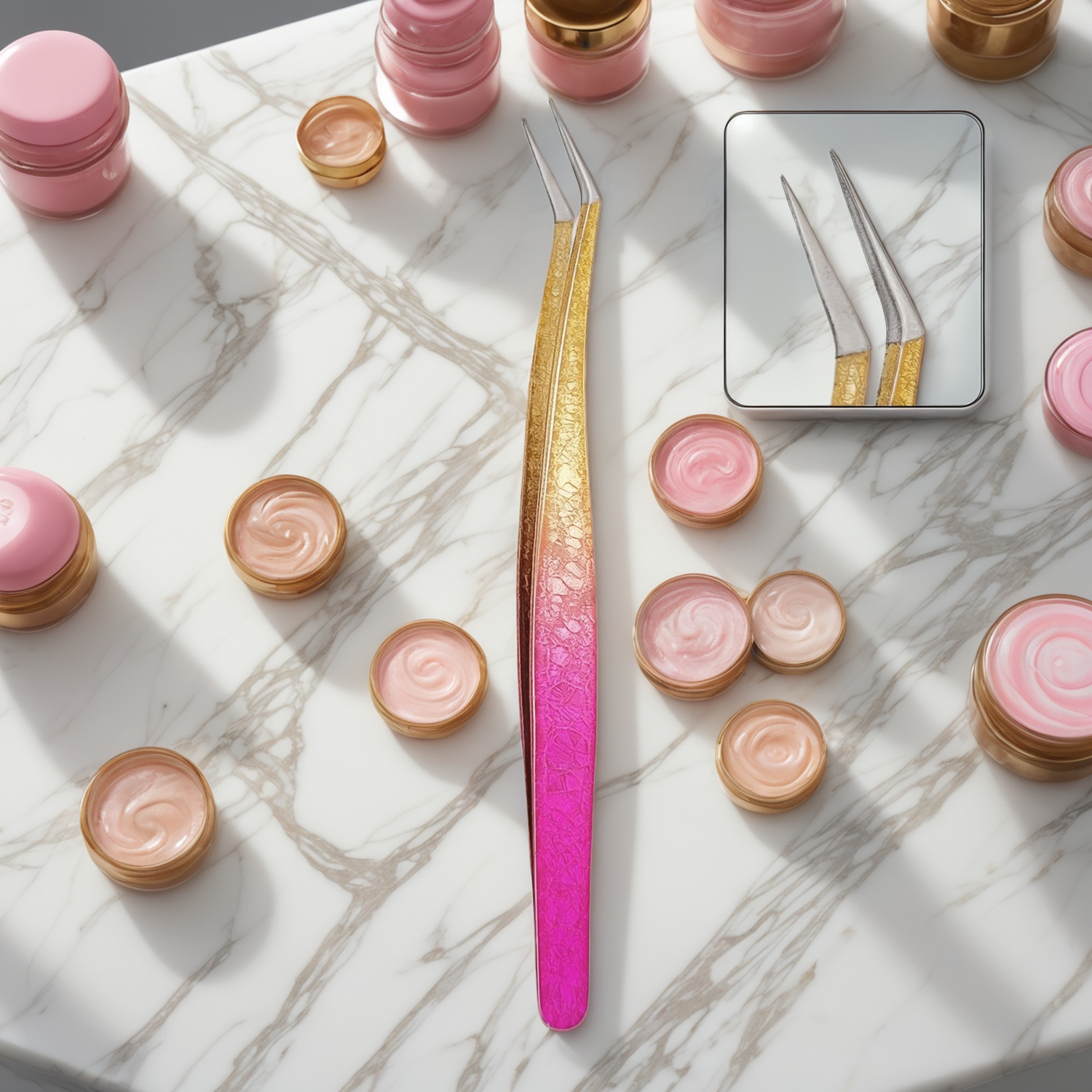
Olimor Beauty offers beauty tools for professional and retail use, including Multi-Colored Gradient Tweezers designed for false lash application. The product details highlight ultra-fine angled tips, corrosion-resistant stainless steel and a textured handle. Those features are a useful starting point for B2B buyers, but a complete sourcing decision should also consider inspection, packaging protection, maintenance, customization and how the tool will be used in real service or retail settings.
What Makes False Lash Tweezers Different from General Tweezers?
General grooming tweezers are often designed for plucking hair. False lash tweezers are used for placement, adjustment and release. That difference matters because a lash band is flexible, lightweight and easy to deform. A thick or poorly aligned tip may crush the band, catch fibers or apply adhesive unevenly. A slippery handle may cause the user to grip too hard, making placement less smooth.
False lash application also happens close to the eye area, where visibility and control are critical. Angled tips help keep the hand away from the direct line of sight while allowing the user to approach the lash line from a comfortable direction. Ultra-fine tips help lift delicate strips, position corners and make small corrections. A textured handle supports grip when hands are exposed to cosmetic products, skincare residue, sanitizers or long working sessions.
For buyers comparing professional beauty tool products, the goal is to choose tweezers that feel precise rather than forceful. A suitable lash tweezer should hold the lash securely, release cleanly and remain comfortable through repeated use.
Key Features to Check Before Buying False Lash Tweezers
When sourcing tweezers for salons, retail shelves, e-commerce kits or private-label beauty sets, start with the working end of the tool. Color and packaging help sell the product, but tip performance determines whether customers keep using it. The Multi-Colored Gradient Tweezers combine a vivid finish with practical features for lash placement, including angled ultra-fine tips and a textured handle.
Tip shape and working angle
Angled tips are useful for strip lashes because they allow the user to place the center of the lash first and then guide the inner and outer corners. The angle also helps the user avoid blocking the view of the lash line. For individual clusters or small corrections, a fine angled point can make it easier to pick up and place a small section without disturbing nearby fibers.
Tip alignment and closure
The two tips should meet evenly. If there is a visible gap, the tweezer may struggle to pick up thin lash bands. If the tips cross or meet only at one edge, pressure may be uneven and the tool can feel unpredictable. For B2B inspection, tip alignment should be checked visually and by handling sample lashes or similar lightweight materials.
Material and surface finish
Corrosion-resistant stainless steel is suitable for tools that require repeated cleaning when maintained correctly. Buyers should still confirm how the supplier recommends cleaning and storage, especially if the tool has a colored finish. The surface should feel smooth around the tips and edges, with no burrs or rough spots that could snag lash fibers, packaging inserts or cosmetic pouches.
Grip and hand comfort
A textured handle can help reduce slipping during application. This is especially useful in salons and training environments where the tweezer may be used repeatedly. The texture should improve control without feeling abrasive. The spring response should also be considered: a tool that is too stiff can tire the hand, while one that is too loose may feel unstable.
Comparison Checklist for B2B Buyers
A structured checklist helps buyers compare samples from different production options without relying only on photos. Use the table below when assessing lash tweezers for salon supply, retail resale, training kits or branded beauty collections.
| Evaluation Point | What to Look For | Why It Matters |
|---|---|---|
| Tip precision | Ultra-fine angled tips that meet evenly without visible gaps. | Supports accurate lash placement and cleaner release. |
| Grip stability | Textured handle that feels secure during repeated use. | Helps reduce slipping during close eye-area work. |
| Material suitability | Corrosion-resistant stainless steel with appropriate care guidance. | Supports durability and repeated cleaning when maintained properly. |
| Surface quality | Smooth edges, consistent finish and no rough burrs. | Protects lash fibers and improves retail perception. |
| Color consistency | Even gradient appearance across the visible surface. | Important for retail display, gift sets and brand image. |
| Packaging protection | Tips protected during storage and shipping. | Reduces the risk of misalignment before the product reaches users. |
| Customization readiness | Clear options for finish, branding and packaging discussion. | Helps beauty brands plan private-label or collection-based launches. |
This type of checklist is especially important for colorful tools. A gradient finish can attract attention on a shelf or in social content, but the tool must still work as a precision applicator. If the tips are misaligned or the handle feels unstable, customers may return the product or stop using it, even if the design looks appealing.
How Professionals Use Angled Tweezers During Lash Application
In a typical strip lash application, the user removes the lash from its tray, checks the length against the eye, trims if needed, applies adhesive according to the adhesive instructions, then places the lash as close to the natural lash line as appropriate. The tweezer is used to control the band, not to crush it. Good control allows the user to set the center first and then adjust the corners with small movements.
For individual clusters or partial lashes, fine tips help lift small sections cleanly. For makeup artists, this can reduce the need to use fingernails near the eye area. For retail customers, a well-designed tweezer can make the application process feel less intimidating. For salons, the benefit is repeatability: one tool style can support consistent technique across different staff members and different lash styles.
Comfort becomes more important as usage increases. A tweezer may feel fine during a short trial but become tiring after repeated services. Buyers should test how much pressure is needed to close the tips, whether the tool springs back smoothly and whether the textured handle remains comfortable. These handling details separate a useful professional tool from a product that is purchased once and forgotten.
Quality Inspection: What to Review from Sample to Packaging
Olimor Beauty states that products are inspected from raw materials to final packaging. B2B buyers should still define their own approval criteria before confirming an order. A clear inspection plan helps prevent misunderstandings about finish, alignment, packaging and brand presentation.
Useful inspection steps include:
- Check tip contact: Close the tweezer gently and confirm that both tips meet evenly.
- Inspect the working edges: Look for rough areas, burrs or uneven polishing that could catch on lash fibers.
- Test controlled pickup: Use sample lash strips or similar lightweight materials to confirm that the tool grips without crushing.
- Review surface finish: For gradient designs, check that the visible finish is consistent and appropriate for the intended retail positioning.
- Assess hand feel: Hold the tool as a lash artist would and check whether the handle texture supports stable control.
- Confirm packaging protection: Make sure the tips are protected so they are less likely to bend during transit or warehouse handling.
- Document approval criteria: Keep sample notes, photos and packaging references so future production can be compared consistently.
For products used near the eye area, buyers should also be aware of current safety and hygiene expectations in their selling or service market. In the United States, the FDA provides public information on eye-area cosmetics, and salons may also be subject to state cosmetology boards or local public health rules. Requirements can change, so buyers should verify the current versions of applicable rules and request relevant supplier documents rather than assuming that one market’s practice applies everywhere.
Customization Questions for Beauty Brands and Retailers
Custom made tweezers can help a brand build a more complete lash collection, especially when the tool is sold with lashes, adhesive, makeup accessories or a training kit. However, customization should start with use case, not decoration. A professional lash artist may prioritize tip precision and cleaning routine. A retail buyer may also consider visual appeal, packaging clarity and whether the tool feels giftable. A training academy may need consistent handling across many kits.
Before discussing branding, define the product role. Will the tweezer be a professional tool, a retail add-on, an e-commerce bundle, a gift set item or part of a salon station kit? That answer affects packaging, finish, instructions and quality expectations.
Important customization decisions include:
- Application focus: Decide whether the tweezer is mainly for strip lashes, clusters, general makeup placement or mixed retail use.
- Finish direction: Confirm whether a multi-colored gradient finish matches the brand identity or whether another visual direction is preferred.
- Handle feel: Decide how much texture is appropriate for the target user.
- Packaging format: Consider whether the item will hang in retail, ship through e-commerce, sit in a kit or be used in salon operations.
- Brand information: Plan logo placement, usage guidance and any safety or care reminders for the packaging.
- Approval process: Decide who will approve samples, what defects are unacceptable and how packaging condition will be reviewed.
Buyers developing a wider tool line can review Olimor product collections to see how lash tools may sit alongside other beauty accessories. For custom planning, it is helpful to prepare the target channel, packaging expectations and preferred tool style before submitting an OEM or wholesale inquiry.
Cost Factors Without Guessing Prices
False lash tweezer cost depends on more than the metal tool itself. Buyers should avoid comparing only unit price without looking at function, finish, packaging and after-sale risk. A lower initial cost may become expensive if tips arrive misaligned, packaging does not protect the product or the finish does not match retail expectations.
Common cost factors include material selection, surface finish complexity, handle texture, inspection requirements, packaging type, branding method, order structure and shipping protection. Gradient finishes may require closer visual review because color consistency affects shelf appeal. Custom packaging may add value for retail but should be designed to protect the tips, not just display the product.
Sampling is an important part of cost control. A sample allows the buyer to test grip, alignment, finish and packaging before making a larger commitment. Instead of asking only for the lowest price, ask what is included in the offer: product style, packaging approach, customization scope, inspection expectations and documentation available for the order.
Cleaning, Storage and Maintenance for Longer Tool Life
Even a well-made lash tweezer can lose precision if it is not cleaned and stored properly. Adhesive residue can build up on the tips and make pickup less accurate. Cosmetic powder, skincare products and oils can reduce grip on the handle. Pressure on the tips during storage can bend or misalign them.
After use, remove visible adhesive according to the adhesive manufacturer’s guidance and local hygiene practices. Avoid scraping the tips with hard objects because this may affect alignment or finish. Dry the tool before storage, particularly after cleaning. Store the tweezer with tip protection or in packaging that prevents the ends from being compressed. Fine-tip tools should not be thrown loose into drawers, makeup bags or salon kits.
For salons, it is sensible to separate tools used for client services, demonstrations and personal makeup. This supports clearer hygiene routines and makes inspection easier before appointments. If a tweezer no longer closes evenly, has damaged tips or cannot be cleaned properly, it should be removed from precision lash work.
How to Evaluate a False Lash Tweezer Supplier
A good supplier discussion should cover both product appearance and practical performance. Photos can show color, but they cannot fully prove alignment, grip comfort or packaging protection. Ask for clear product details and evaluate samples with the same tasks your customers will perform.
Supplier evaluation questions include whether the tool has ultra-fine angled tips, whether the stainless steel is described as corrosion-resistant, how the textured handle is finished, how the tips are protected during packaging, what customization choices are available and how quality is checked before shipment. Buyers should also ask what documents can be provided for the product and packaging. Do not assume certifications, test results or client references unless the supplier provides them for the specific order.
For buyers building a branded lash accessory line, a restrained but clear specification is often more effective than a long list of vague preferences. Define the intended market, user type, finish direction, packaging role and inspection points. If you need help matching a tweezer style to a salon, retail or private-label project, you can contact Olimor Beauty with your sourcing requirements.
FAQ
Can I request samples before placing a wholesale or custom order?
Sample availability should be confirmed directly with Olimor Beauty for the specific tweezer style, finish and packaging needs. Samples are useful for checking tip alignment, grip comfort, surface finish and packaging protection before a larger order.
Is there a fixed MOQ for custom made tweezers?
MOQ can depend on the product style, customization method, packaging requirements and production plan. Buyers should request current MOQ details for their exact project instead of assuming one quantity applies to all orders.
What customization options should a beauty brand discuss first?
Start with the intended use, target customer, finish direction, branding needs and packaging format. For false lash tweezers, it is also important to define inspection expectations for tip alignment, handle texture, surface finish and tip protection.
How should quality be checked before approval?
Check whether the tips meet evenly, whether the handle feels stable, whether the surface is smooth, whether the gradient finish is consistent and whether packaging protects the tips. Keep approved sample references so future production can be compared consistently.
How can lead time be confirmed?
Lead time should be confirmed for the specific order scope, including customization, packaging and approval steps. Ask for current production and shipping information when submitting your inquiry, especially if the product is planned for a retail launch or seasonal promotion.
Tag: