

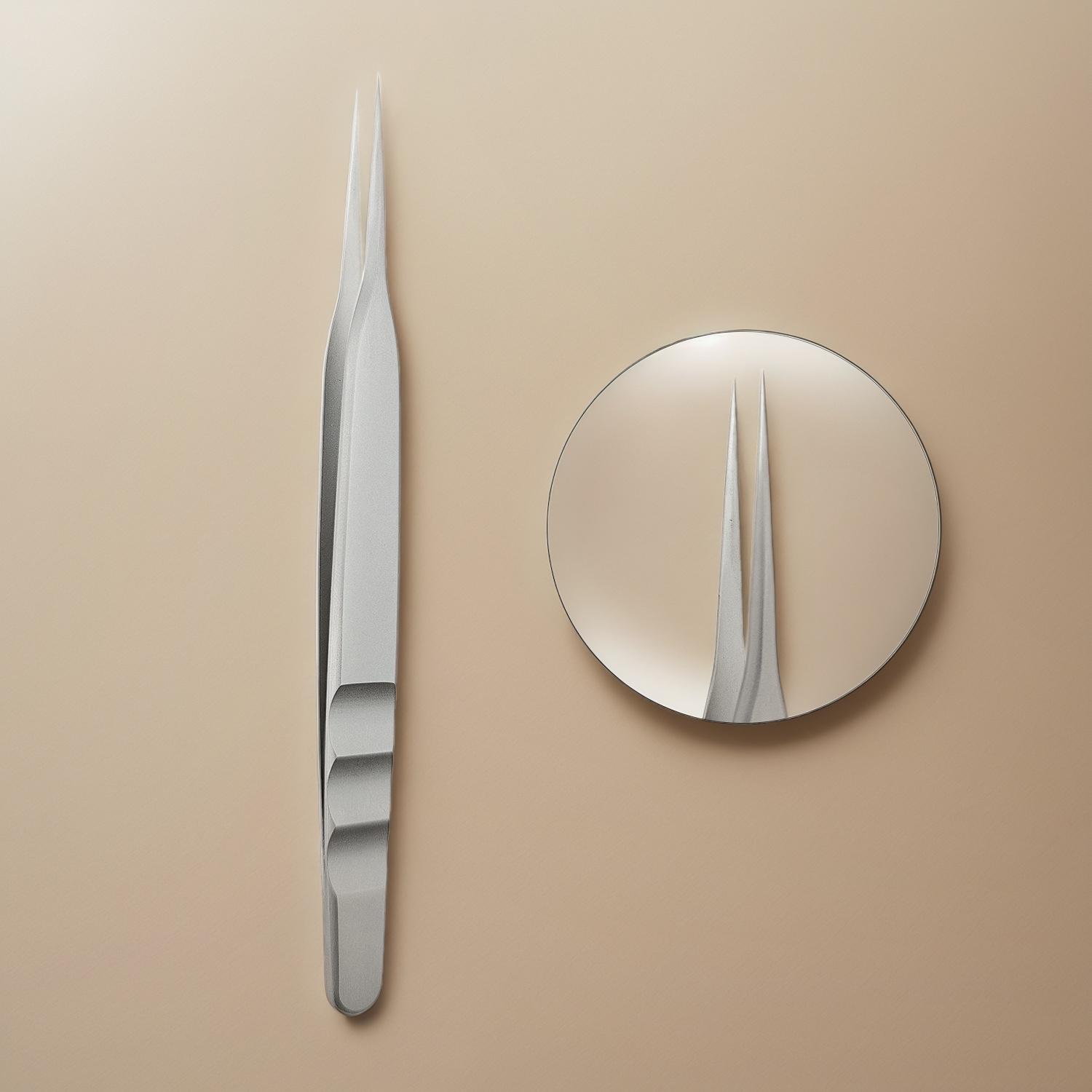
How to Choose Precision Tweezers for Lash Extension Work
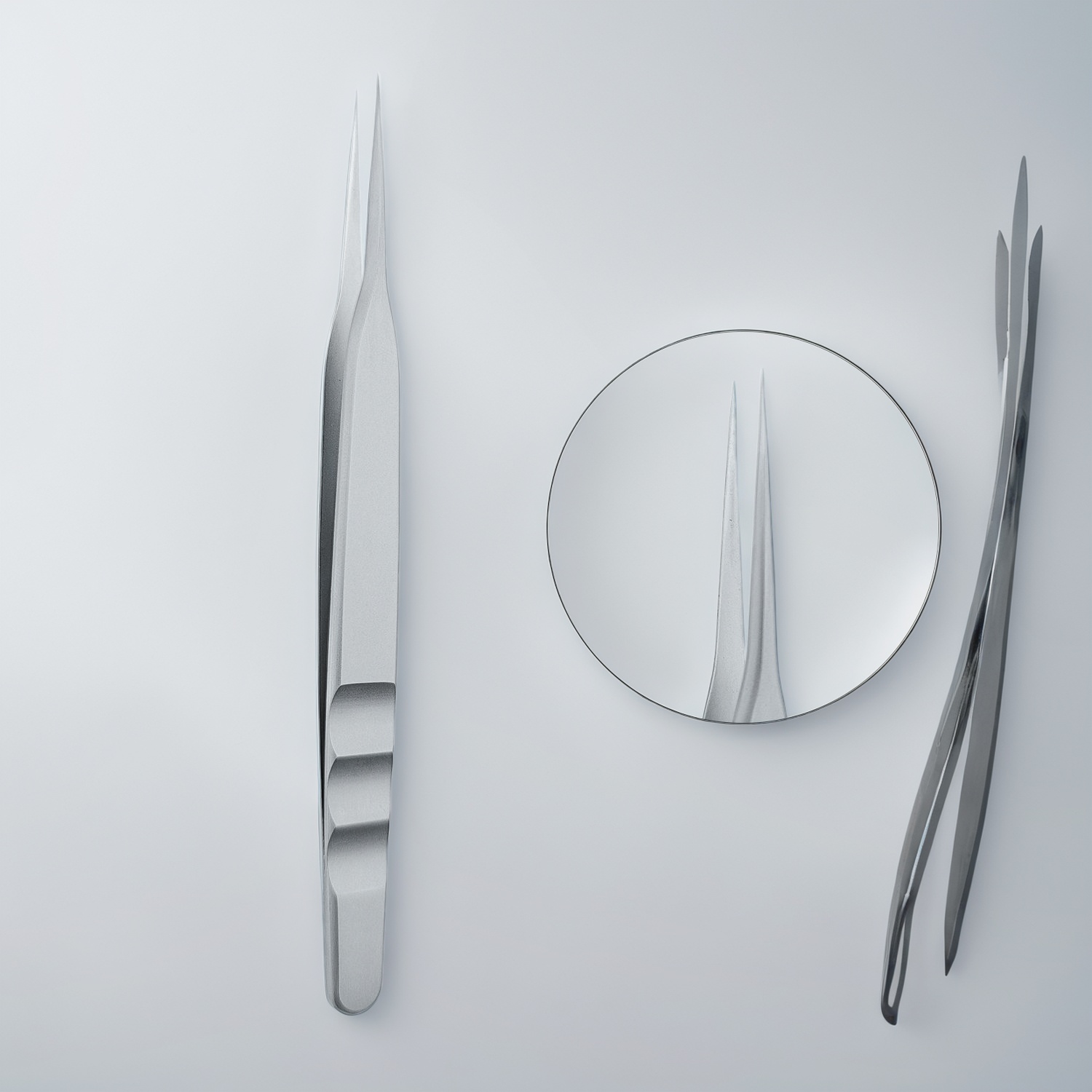
Precision tweezers are small tools, but they have a direct effect on the speed, comfort, and consistency of eyelash extension work. A lash artist must isolate a single natural lash, pick up one or more extension fibers, control placement angle, and work near the eye area without disturbing neighboring lashes. If the tweezer tips do not meet cleanly or the hand tension feels wrong, the service becomes slower and more tiring.
Olimor Beauty supplies Ultra-Fine Precision Tweezers for detailed beauty work, including eyelash extensions, brow grooming, and other close-contact salon tasks. The product information highlights high-grade surgical stainless steel, ergonomic handling, and quality assurance from raw materials to final packaging. For salons, distributors, training programs, and beauty supply buyers, the practical question is not simply whether a tweezer looks sharp. The important question is whether it can support repeatable daily work across multiple technicians and service settings.
This guide explains how to evaluate lash extension tweezers from a professional buying perspective: what to inspect, how to match tweezers to different uses, what affects cost, how to maintain the tool, and what to ask before placing a sample or bulk order.
Why Lash Extension Work Needs True Precision Tweezers
Eyelash extensions are applied in a narrow, delicate working area. Adhesive quality, lash mapping, client eye shape, natural lash condition, technician training, and aftercare all matter. However, the tool in the technician’s hand determines how easily those skills can be repeated throughout an appointment.
A suitable tweezer should support three core actions: isolation, pickup, and placement. Isolation requires access to one natural lash without pulling or catching nearby lashes. Pickup requires a controlled contact point so the extension fiber does not slip or twist unexpectedly. Placement requires steady hand response when the artist brings the extension into adhesive and sets it at the correct angle.
For a salon owner or B2B beauty supplies buyer, consistency is just as important as individual performance. If one tweezer feels precise and another from the same order feels stiff, uneven, or unstable, service quality can vary between workstations. That is why buyers should evaluate tweezers as working equipment, not disposable accessories. When planning a complete salon toolkit, compare tweezers alongside other professional beauty tool products so each item supports the actual service menu.
Key Features to Check Before Choosing Eyelash Extension Tweezers
The best selection process starts with how the tool performs in the hand. Product photos can show the shape, but they cannot fully show tip contact, tension, finish quality, or comfort during repeated use. Before approving a tweezer for salon work, inspect the following points.
- Tip alignment: The tips should meet evenly and predictably. Poor alignment can make isolation and lash pickup inconsistent.
- Ultra-fine working end: Fine tips are useful around the lash line because the technician needs visibility and access in a small space.
- Grip control: The tweezer should hold lash fibers without requiring excessive force. If the grip zone is unreliable, the artist may drop lashes or change hand position too often.
- Hand tension: Tension should feel controlled, not harsh. Overly stiff tweezers may contribute to fatigue during long appointments, while overly loose tweezers may reduce precision.
- Material suitability: Olimor Beauty’s product information identifies high-grade surgical stainless steel, a practical material choice for professional beauty tools that require repeated cleaning and close detail work.
- Ergonomic design: Ergonomic handling matters because lash artists repeat small squeezing motions many times during one service.
- Surface finish: Smooth surfaces and clean edges help prevent snagging on lash fibers, cotton pads, towels, or workstation materials.
- Quality assurance process: For bulk orders, ask how the supplier reviews raw materials, production consistency, inspection, and final packaging.
These checks are especially useful when buying for multiple locations, training classes, resale kits, or distributor inventory. A tool that performs well for one technician should still be checked for repeatability across a larger order.
Comparison: Lash Isolation, Pickup, Brow Detail, and Salon Kits
Precision tweezers can support more than one service when they are selected carefully. Olimor Beauty positions its Ultra-Fine Precision Tweezers for eyelash extensions, brow grooming, and other detailed beauty tasks. The shared requirement is controlled handling: the technician needs the tool to respond accurately to small hand movements.
Use the comparison below to match tweezer performance to the work your business actually offers.
| Use case | What the tweezer must support | What buyers should inspect | Common problem if overlooked |
|---|---|---|---|
| Eyelash isolation | Separating one natural lash without disturbing nearby lashes | Fine tips, even closure, clean alignment | Stickies, slow separation, reduced visibility |
| Extension pickup and placement | Holding lash fibers steadily during adhesive and placement work | Reliable grip zone, controlled tension, smooth finish | Dropped lashes, twisted fans, repeated pickup attempts |
| Brow grooming and detail work | Accurate handling of fine hairs in a visible facial area | Clean tip contact, comfortable hand feel, easy control | Uneven hair removal or unnecessary skin contact |
| Training kits | Repeatable handling for students or new technicians | Consistency between units and protective packaging | Students blame technique when tools are inconsistent |
| Retail or distributor stock | Professional presentation and reliable repeat orders | Packaging condition, product labeling, supplier communication | Returns, confusion, or mismatched buyer expectations |
This approach helps avoid overbuying. Instead of purchasing many different tools based only on category names, a salon can choose tweezers that cover its actual workflow. For example, a lash-focused salon may prioritize isolation and pickup feel, while a mixed beauty studio may also consider brow grooming comfort and retail presentation.
How to Inspect Samples Before a Bulk Tweezer Order
Sample evaluation is one of the most useful steps in B2B beauty tool sourcing. It gives technicians and purchasing teams a chance to test whether the tweezer fits real work conditions before ordering in larger quantities. A simple, documented process is better than relying on a quick visual check.
Practical sample inspection checklist
- Check tip closure under good lighting. Look at whether both tips meet cleanly from the front and side.
- Test pickup on the lash materials used in your salon. The tool should hold fibers with predictable pressure.
- Ask more than one technician to handle it. Different hand sizes and techniques can reveal comfort issues.
- Inspect edges and surface finish. Reject tools that feel rough, snag materials, or show uneven finishing.
- Review packaging condition. For retail, training, or multi-location distribution, packaging may affect storage and presentation.
- Confirm cleaning and storage fit. Make sure the tweezer works with your salon’s hygiene, drying, and storage process.
- Record feedback before purchasing. Written comments help compare options objectively.
Olimor Beauty emphasizes quality assurance from raw materials to final packaging. Buyers can use that statement as a starting point for supplier discussion: ask what inspection steps are used, how packaging is protected, and how the supplier handles order requirements. If your team is comparing options for a salon chain, distributor program, or training kit, you can submit a product inquiry with the intended use and purchasing needs.
Cost Factors in Professional Tweezer Sourcing
Professional buyers often ask why one tweezer costs more than another. Without verified supplier documents, it is not useful to make broad claims about price or performance. However, buyers can understand the main factors that usually influence sourcing decisions.
Material and construction matter because beauty tweezers must combine fine tips with enough stability for repeated use. Olimor Beauty identifies high-grade surgical stainless steel in its product information, which is relevant for close-contact salon tools that need regular cleaning and controlled handling.
Tip precision can also affect cost. Fine working ends require careful forming and inspection. If the tips do not meet evenly, the tool may look acceptable but perform poorly during lash isolation or pickup.
Finishing and handling influence the technician experience. A smooth finish, comfortable tension, and ergonomic design can reduce unnecessary hand strain during long services. These qualities are difficult to judge from a listing alone, which is why sample testing is important.
Packaging requirements may vary by business model. A salon buying for internal use may value simple protective packaging, while a distributor or training academy may need presentation, labeling clarity, or kit compatibility.
Order planning also affects total cost. Replacement stock, damaged-tool rotation, technician growth, and multi-location distribution should be considered before deciding order quantity. Buyers should request current commercial terms directly from the supplier rather than assuming price, MOQ, or lead time.
Hygiene, Maintenance, and Storage for Longer Tool Life
Precision tweezers should be maintained as professional close-contact tools. Fine tips can lose alignment if they are dropped, stored loosely, or used for tasks outside their purpose. Good care protects both tool performance and workstation organization.
After use, remove visible residue according to your salon’s sanitation procedure. Dry the tool properly before storage, especially near the tips. Store tweezers in a protective sleeve, case, tray, or dedicated holder so the tips do not hit scissors, metal implements, drawers, or workstation hardware. Do not use lash tweezers to open packaging, scrape adhesive containers, pry caps, or perform general utility tasks. Those shortcuts can damage tip alignment.
Technicians should also inspect tweezers during routine setup. If a tool has been dropped, it may still look usable but fail to grip evenly. Warning signs include repeated dropped fibers, the need to squeeze harder, discomfort in the hand, or a change in wrist angle to compensate. When these symptoms appear, remove the tweezer from service and inspect it before returning it to a client-facing workstation.
Sanitation rules for beauty tools vary by market and service type. Salons should follow the current requirements of their local cosmetology or esthetics regulator, and businesses with workplace exposure concerns should review applicable OSHA guidance where relevant. Always verify current versions and supplier documents, because rules and accepted procedures can change.
Supplier Evaluation Questions for Salons, Distributors, and Beauty Buyers
A reliable supplier should help buyers understand whether the tweezer fits the intended use. For B2B purchasing, communication matters as much as the product listing. Before confirming an order, ask practical questions that connect the tool to your business model.
- What beauty services is this tweezer intended to support? Confirm whether it is suitable for eyelash extensions, brow grooming, training kits, retail programs, or mixed salon use.
- What material and finish information can be provided? Olimor Beauty lists high-grade surgical stainless steel, but buyers should request the current product details for their order.
- How is quality checked before packaging? Ask about raw material review, production inspection, tip alignment checks, and final packaging review without assuming unverified certifications.
- Can samples be reviewed before a larger order? Sample handling is the best way to check tension, grip, and technician comfort.
- What customization or packaging options are available? If the order is for resale, training, or multi-location supply, packaging and presentation may be important.
- How should defects, damaged packaging, or order questions be handled? Clear communication prevents delays and mismatched expectations.
For businesses building a broader beauty tool program, it may help to review related Olimor product collections and organize tools by service category, technician level, or retail channel.
When to Replace or Rotate Precision Tweezers
Even well-made precision tweezers should not be treated as permanent tools. Daily salon use, accidental drops, cleaning mistakes, and storage damage can change how the tips meet. A replacement plan is more professional than waiting until a tool disrupts an appointment.
Replace or remove a tweezer from active service when the tips no longer close evenly, the grip zone becomes unreliable, the surface is damaged, or the technician must adjust technique to compensate. For training environments, inspect tools more frequently because new users may apply uneven pressure or drop tools more often. For distributors and retail sellers, keep handling samples separate from packaged sale stock so presentation remains clean.
Rotation does not need to be complicated. Mark tools by station, keep backups available, and document recurring issues. If several units show the same problem, discuss it with the supplier before reordering. A good purchasing process creates feedback between technicians, inventory managers, and the supplier.
FAQ: Buying Precision Tweezers from Olimor Beauty
Can I request samples before placing a bulk order?
Sample availability and terms should be confirmed directly with Olimor Beauty. Samples are useful for checking hand feel, tip alignment, tension, and suitability for your lash or brow workflow before a larger purchase.
Is there a minimum order quantity for precision tweezers?
MOQ can depend on the product, packaging needs, customization requirements, and current order conditions. Request current terms through the supplier instead of relying on assumptions.
Can tweezers be customized for retail, training, or distributor programs?
Customization may depend on the order scope and required presentation. If you need private-label style packaging, kit organization, or specific retail requirements, share those details when you contact Olimor.
How does Olimor Beauty approach quality control?
Olimor Beauty states that quality assurance covers the process from raw materials to final packaging. Buyers should request current product and order documents to understand the specific checks used for their purchase.
How can I confirm lead time for my order?
Lead time should be confirmed directly because it can vary by quantity, packaging, customization, and production schedule. Provide your intended order details for the most accurate response.
Build a More Reliable Lash Tool Program
Precision tweezers will not replace training, technique, or careful lash design, but they can make skilled work easier to repeat. For eyelash extensions, the right tweezer supports cleaner isolation, steadier pickup, more comfortable handling, and better workstation consistency. For brow grooming and other detailed salon tasks, the same qualities help technicians work with control.
When evaluating Olimor Beauty Ultra-Fine Precision Tweezers, focus on practical buying criteria: fine tip control, stainless steel construction, ergonomic handling, sample inspection, maintenance workflow, and supplier communication. For purchasing support, product questions, or sourcing discussions, contact Olimor Beauty with your intended application and order requirements.
Tag: