

Pedicure Tool Suppliers: A Salon Buyer’s Guide to Reliable Sourcing
Choosing pedicure tool suppliers is not only a purchasing task. For a salon, the tools used at the pedicure station affect service consistency, hygiene routines, staff comfort, and the client’s overall confidence in the service. A cuticle pusher that feels balanced in the hand, a tool that can be cleaned properly, and a supplier that can support repeat ordering all help a salon operate with fewer interruptions.
Olimor Beauty serves buyers looking for personal care tools wholesale and bulk beauty products for salons. If you are reviewing pedicure tools for a new salon, replacing worn items, or standardizing tools across multiple technicians, the goal is to make a practical buying decision rather than simply choosing the lowest unit price.
What Makes a Pedicure Tool Supplier Suitable for Salon Use?
A salon buyer should evaluate pedicure tool suppliers differently from casual retail shoppers. In a professional environment, tools are handled repeatedly throughout the day, cleaned often, and used by technicians with different working styles. Small differences in shape, surface finish, and balance become noticeable over time.
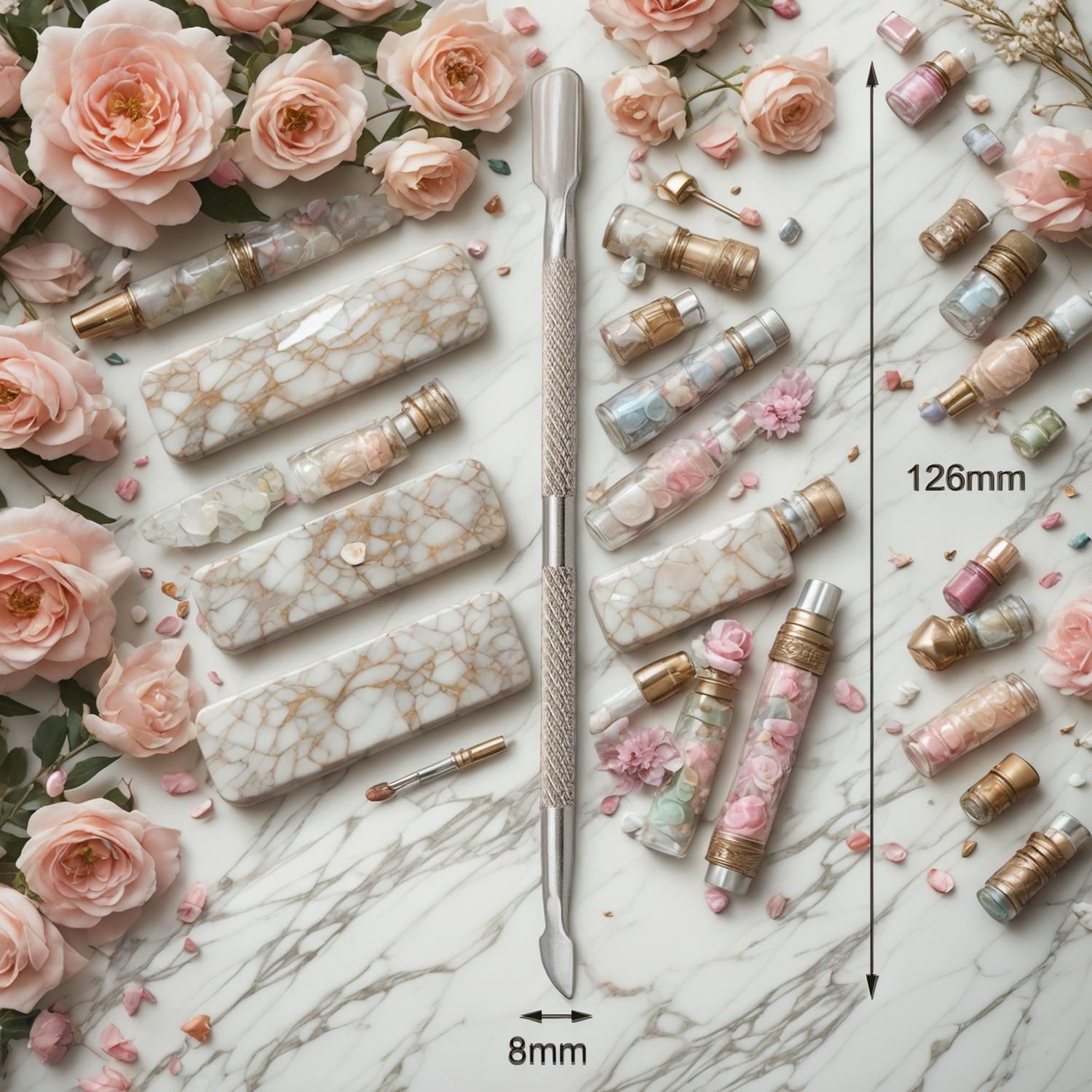
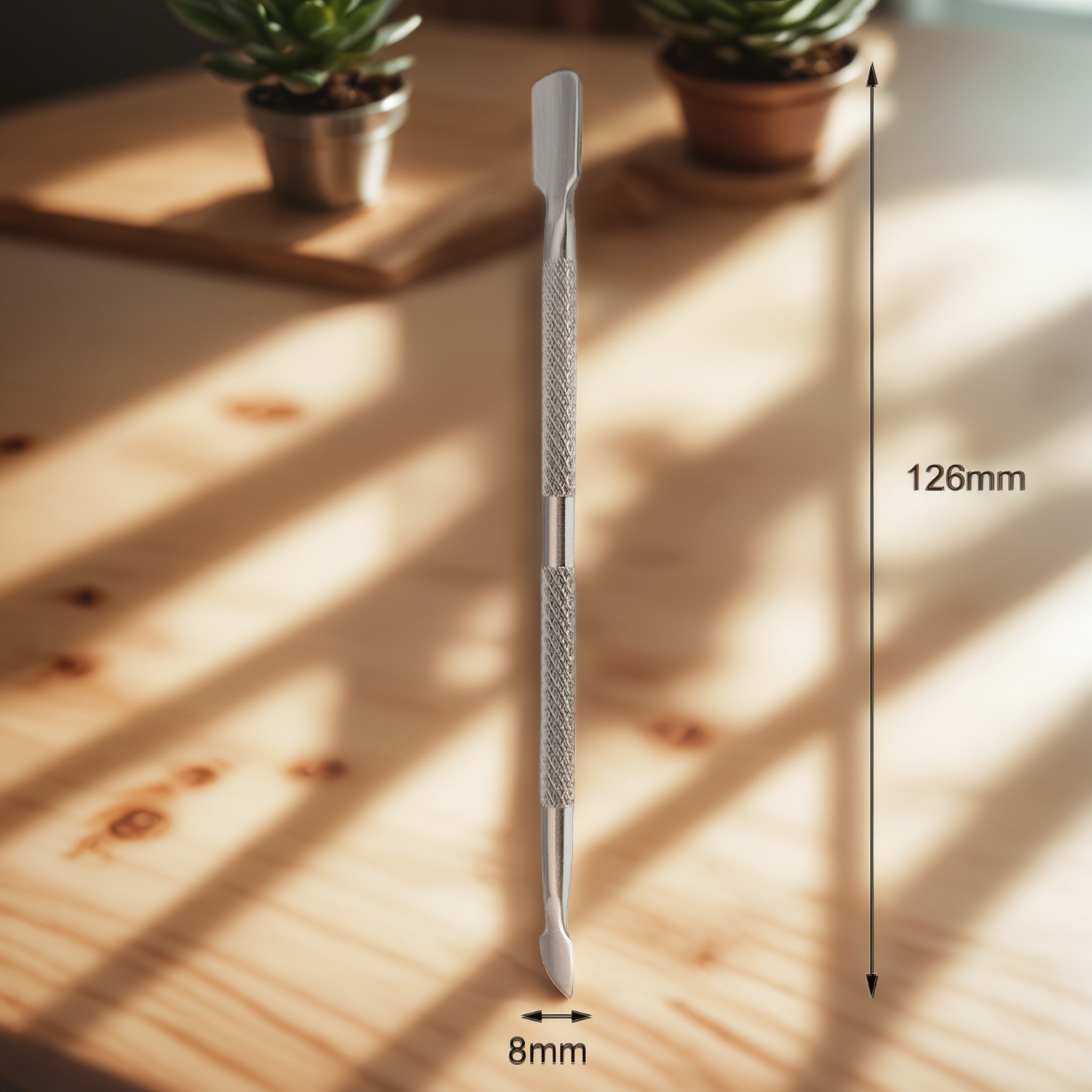
When comparing suppliers, focus on whether the product range supports the services your salon actually performs. A basic pedicure station may need cuticle pushers, nail files, nippers, foot files, callus tools, toe separators, brushes, and cleaning accessories. A more treatment-focused salon may need a broader wholesale mix. Olimor Beauty’s Stainless Steel Dual-Ended Cuticle Pusher is one example of a tool designed for controlled salon work, with a dual-ended format that supports different cuticle care motions in one item.
Reliability also includes communication, packaging expectations, and product consistency. If your salon intends to reorder the same tool, consistency matters because technicians build habits around the tools they use. A change in grip, edge shape, or finish can affect working speed and client comfort.
Key Selection Criteria Before Buying in Bulk
Before ordering bulk beauty products for salons, create a clear evaluation checklist. This prevents impulse purchases and helps owners compare suppliers on practical standards. The best choice is usually the supplier that fits your service workflow, sanitation process, and purchasing plan.
- Tool purpose: Identify whether each tool is for cuticle work, nail shaping, callus care, cleaning, or finishing. Avoid ordering items that do not match your service menu.
- Material suitability: For reusable metal tools, consider whether the material and finish are appropriate for repeated cleaning and professional handling.
- Ergonomics: Check whether the grip, weight, and working ends support controlled movement without unnecessary hand strain.
- Surface finish: Smooth, well-finished surfaces are easier to wipe and inspect after cleaning.
- Consistency across batches: Salons benefit when reordered tools feel familiar to technicians.
- Packaging for storage: Bulk tools should be easy to count, separate, and store by station or service category.
- Replacement planning: Even durable tools need replacement when edges wear, surfaces become damaged, or hygiene policies require refresh cycles.
If you are building a sourcing list, start with essential tools that are used in nearly every appointment. Then add specialized pedicure tools only when there is regular demand. This keeps stock controlled and reduces unused inventory.
Why Stainless Steel Pedicure Tools Are Common in Professional Settings
Stainless steel tools are widely used in salon environments because they can support precision work and frequent cleaning when properly maintained. The supplied product example, a Stainless Steel Dual-Ended Cuticle Pusher, fits a common need in pedicure and manicure services: gently preparing the nail area and assisting cuticle care with controlled pressure.
For a salon buyer, the important question is not simply whether a tool is stainless steel. It is whether the tool design suits your technicians’ method of work. A dual-ended cuticle pusher can be useful because each end may serve a different function, reducing the need to switch tools during a service. However, salons should still check the shape, edge feel, and comfort before committing to a large order.
When reviewing stainless steel pedicure tools, inspect for visible roughness, uneven working edges, or areas that could trap residue. Professional tools should be easy to visually check after cleaning. A smooth finish also helps technicians maintain control during detailed work around the nail plate and cuticle area.
Wholesale Planning for Salons, Spas, and Distributors
Personal care tools wholesale purchasing works best when the buyer understands usage rates. A single independent nail studio may order enough tools to rotate between cleaning cycles, while a larger salon may need station-by-station quantities plus backup stock. Distributors and private label buyers may look at assortment planning, packaging options, and repeatability.
The following table can help salons estimate what to review before placing a wholesale order:
| Buying Question | Why It Matters | Practical Action |
|---|---|---|
| How many pedicure stations need tools? | Prevents under-ordering and station shortages. | Count active stations, backup stations, and cleaning rotation needs. |
| Which tools are used in every service? | Core tools should be prioritized for quality and stock depth. | List essential items before adding specialty tools. |
| How often are tools replaced? | Replacement planning protects service consistency. | Create a review schedule for wear, damage, or loss. |
| How will tools be stored? | Poor storage can cause damage or disorganization. | Separate clean, used, and backup tools clearly. |
| Who approves new tools? | Technician feedback improves buying accuracy. | Test samples with experienced staff before scaling orders. |
Olimor Beauty buyers can browse broader beauty tool products to compare categories and identify tools that fit their salon or distribution needs. For buyers building a wider assortment, the product collections page can help organize sourcing by use case.
Hygiene and Maintenance Considerations for Pedicure Tools
Professional pedicure services require disciplined hygiene routines. Tool sourcing should support those routines instead of complicating them. Salons should follow local regulations and their own sanitation protocols, but the purchasing team can help by selecting tools that are simple to clean, inspect, dry, and store.
Reusable pedicure tools should be checked regularly for wear. A tool with a damaged surface, bent working end, or hard-to-clean area should be removed from service. This is not only a hygiene issue; it also affects the quality of the pedicure. A worn tool may require more pressure, which can reduce precision and client comfort.
Maintenance planning should include technician training. Staff should understand which tools are reusable, which items are disposable, where cleaned tools are stored, and how to report damage. A clear process reduces confusion during busy appointment periods.
- Separate used tools immediately after each service according to the salon’s hygiene process.
- Clean and disinfect tools using procedures appropriate for the tool type and local requirements.
- Dry tools completely before storage to reduce the risk of surface issues.
- Inspect working edges, tips, and handles for visible damage.
- Store clean tools in a protected area where they remain separated from used items.
How to Compare Pedicure Tool Suppliers Without Relying Only on Price
Price matters, especially when buying in bulk, but the cheapest tool can become expensive if it wears quickly, feels uncomfortable, or creates inconsistent service results. A useful comparison looks at total value: product suitability, ordering stability, communication, packaging, and the ability to support repeat purchasing.
When reviewing pedicure tool suppliers, request clear product information and compare items side by side. If a supplier offers a stainless steel cuticle pusher, check how the tool is described, what images are provided, and whether the design matches your intended use. Avoid assuming that all similar-looking tools perform the same. Slight variations in handle texture, end shape, and finish can affect how a technician works.
For distributors or buyers developing a wholesale catalog, assortment consistency is especially important. Customers often reorder familiar tools, so product continuity helps protect trust. A supplier should be able to discuss practical sourcing details such as product categories, packaging needs, and ordering workflow without forcing the buyer into unclear assumptions.
Questions to Prepare Before Contacting a Supplier
Clear preparation makes supplier communication faster and more productive. Before reaching out, define your buying purpose: salon internal use, retail resale, distributor supply, or a broader personal care tools wholesale program. The same pedicure tool may be evaluated differently depending on the buyer’s channel.
Prepare a short list that includes the tool categories you need, expected order timing, packaging preferences, and any design or assortment priorities. If you already use a specific type of cuticle pusher or pedicure tool, note what works and what does not. This helps narrow the conversation to practical details.
Buyers who want to discuss sourcing options can contact Olimor for general communication or send an inquiry with specific purchasing requirements. Keeping the inquiry focused helps both sides evaluate whether the available product range is a good fit.
Building a Better Pedicure Tool Purchasing System
A strong salon purchasing system is repeatable. Instead of buying tools only when something runs out, create a simple schedule for inventory checks, tool inspection, and reorder planning. This helps avoid last-minute substitutions that may not meet your salon’s quality standards.
For many salons, the best approach is to standardize core tools while leaving room for technician feedback. A consistent cuticle pusher, file selection, and station setup can make training easier and service results more predictable. At the same time, experienced technicians may identify comfort or performance details that buyers overlook.
Pedicure tool suppliers play an important role in this system. The right supplier helps a salon maintain reliable stock, choose tools suited to professional work, and reduce uncertainty when buying in bulk. By evaluating product purpose, ergonomics, hygiene compatibility, and reorder needs, salons can make sourcing decisions that support both daily operations and long-term client trust.
Tag: