

Pedicure Tool Suppliers: How Salons Choose Wholesale Precision Tools
Pedicure tool suppliers are an important part of the professional nail care supply chain. For salons, spas, distributors, and personal care retailers, the right tools affect hygiene routines, service consistency, staff efficiency, and the client’s overall impression of care. A pedicure service may look simple from the customer’s chair, but behind each appointment is a set of decisions about tool shape, material, durability, cleaning, stock control, and purchasing reliability.
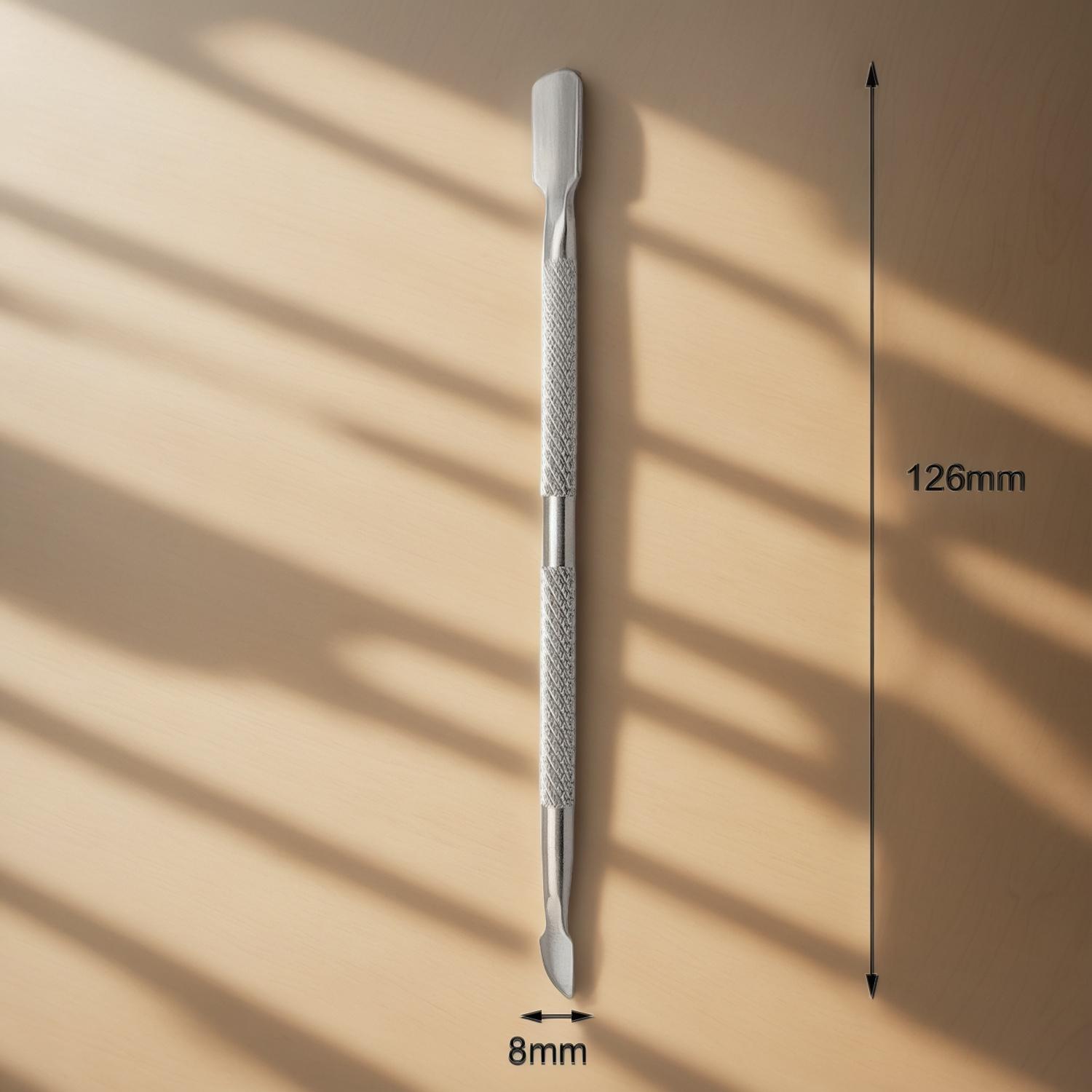
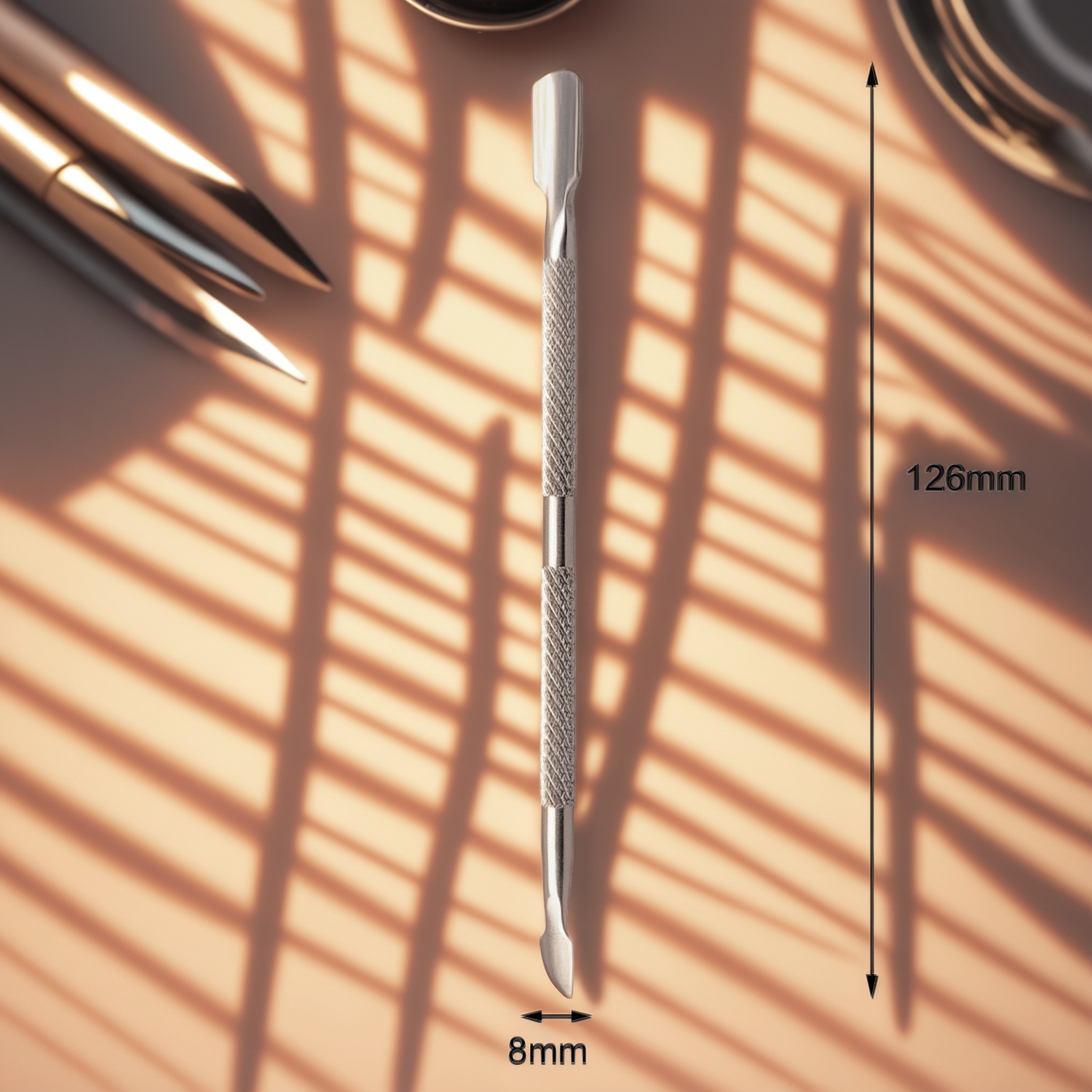
Olimor Beauty supplies beauty tools for professional and personal care use, including a Dual-Ended Cuticle Pusher described for its technical precision, quality assurance, ergonomic design, and stainless steel construction. For salon buyers, this type of tool is not a decorative add-on; it is a daily-use instrument that must feel controlled in the hand, withstand repeated cleaning, and support precise cuticle work without unnecessary discomfort.
Why Pedicure Tool Supplier Choice Matters
A salon may purchase polish, files, creams, and disposables frequently, but metal pedicure tools often stay in use for a long time when they are selected and maintained properly. This makes supplier choice especially important. A low-quality tool can bend, corrode, feel awkward in the hand, or create uneven pressure during use. Even when the initial purchase price seems attractive, poor performance can lead to replacement costs, technician frustration, and a less consistent service experience.
A reliable pedicure tool supplier should help buyers obtain tools that are suitable for repeated professional handling. For cuticle pushers in particular, salons should consider the working ends, grip comfort, finish consistency, and how easily the tool can be cleaned between services. Since the original product information highlights high-grade stainless steel, rust resistance, corrosion resistance, and stringent quality checks, the focus for buyers should be on how these practical qualities support everyday salon work.
What to Look for in Wholesale Pedicure Tools
When evaluating wholesale pedicure tools, salons should move beyond appearance and compare the features that affect use over time. The following checklist is useful for buyers who are selecting tools for multiple technicians, branch locations, or retail resale.
- Material suitability: Stainless steel is valued in salon tools because it can offer durability and resistance to rust and corrosion when properly cared for.
- Consistent finishing: Edges, surfaces, and transitions should feel smooth and controlled, with no rough areas that interfere with handling.
- Tool balance: A cuticle pusher should feel steady rather than overly light, slippery, or difficult to direct.
- Ergonomic handling: Technicians may use the same tool many times each day, so grip comfort and control are important.
- Dual-ended function: A dual-ended design can support more than one task without requiring the technician to switch tools constantly.
- Cleaning compatibility: The tool should be simple to clean thoroughly, with a shape that does not trap visible debris.
- Supply consistency: Wholesale buyers need repeatable product quality when reordering for salons, training kits, or retail inventory.
These criteria are more useful than relying on vague claims. A professional buyer should inspect how a sample performs during real service conditions, especially after repeated cleaning and handling.
Understanding the Role of a Dual-Ended Cuticle Pusher
The supplied product information specifically mentions Olimor Beauty’s Dual-Ended Cuticle Pusher. In pedicure and manicure services, a cuticle pusher is used to help manage the cuticle area with accuracy and control. A dual-ended format gives the technician two working options in one tool, which may be helpful when moving between broader pushing motions and more detailed edge work, depending on the tool’s design.
For salons, the value of this tool comes from repeatable performance. A cuticle pusher should not require excessive pressure to do its job. It should allow the technician to work carefully, observe the nail plate, and avoid rushed or rough movements. While user skill and training are always essential, the tool itself can either support precision or make the service harder to perform consistently.
Because the original product description notes high-grade stainless steel, rust and corrosion resistance, ergonomic design, and quality checks, salon buyers can use these points as a starting framework. The best purchasing approach is to match those qualities with the salon’s service volume, cleaning process, staff preferences, and replacement schedule.
Benefits of Buying Bulk Beauty Products for Salons
Bulk purchasing is common in professional beauty businesses because salons need dependable access to tools and supplies. Buying pedicure tools wholesale can help standardize the tools used across workstations. It also reduces the risk of technicians using inconsistent instruments that vary in feel or quality.
The financial benefit of bulk buying is only one part of the decision. Consistency is often more important. When every technician receives the same style of cuticle pusher, it becomes easier to train staff, set service protocols, and maintain a professional presentation. For salons with multiple locations, wholesale purchasing also supports more organized inventory planning.
| Buying factor | Why it matters for salons | What to evaluate |
|---|---|---|
| Tool material | Affects durability and resistance to corrosion | Stainless steel construction and care requirements |
| Grip and balance | Influences technician comfort during repeated use | Hand feel, control, and ease of rotation |
| Working ends | Determines how precisely the tool can be used | Shape, smoothness, and task suitability |
| Cleaning process | Supports hygiene routines between clients | Simple surfaces and no difficult-to-clean areas |
| Wholesale availability | Helps maintain consistent stock | Reorder process and product consistency |
Hygiene, Maintenance, and Tool Longevity
Professional pedicure tools require proper cleaning and storage. Even stainless steel tools need appropriate care to maintain their condition. Salons should follow local hygiene regulations and internal sanitation procedures for all reusable instruments. A tool that resists rust and corrosion can still be damaged by improper handling, harsh storage conditions, or neglect after cleaning.
Good maintenance begins immediately after use. Visible residue should be removed according to the salon’s approved procedure, and tools should be dried and stored in a clean environment. Technicians should also check tools regularly for surface damage, roughness, bending, or changes in performance. If a tool no longer feels smooth or controlled, it should be removed from service.
For wholesale buyers, maintenance is also a training issue. Purchasing quality tools is only effective when staff understand how to use and care for them. A short internal checklist can help keep standards consistent: clean promptly, dry thoroughly, inspect before storage, separate damaged tools, and avoid mixing clean and used instruments.
How Distributors and Retailers Can Evaluate Personal Care Tools Wholesale
Personal care tools wholesale buyers often serve different customers at once: professional salons, beauty schools, retail stores, and individual consumers. Each customer group may value the same tool for a different reason. A salon focuses on daily durability and cleaning. A retailer may care about appearance, packaging suitability, and clear product descriptions. A training program may need consistency across student kits.
For distributors, a Dual-Ended Cuticle Pusher made from stainless steel can be positioned as a practical grooming tool, but the product should be presented accurately. Avoid overstating specifications that have not been confirmed. Instead, focus on visible and functional qualities: stainless steel material, dual-ended use, ergonomic handling, corrosion resistance, and suitability for professional or personal nail care routines.
Buyers reviewing Olimor options can start with the broader range of beauty tool products or compare relevant product collections to understand what fits their market. For sourcing discussions, sample planning, or order questions, buyers can also send an inquiry or contact Olimor.
Questions to Clarify Before Placing a Wholesale Order
A structured purchasing process helps salons avoid choosing tools based only on price or a product photo. Before ordering, create a short evaluation plan and compare samples under realistic conditions. The goal is to confirm whether the tool supports the quality of service your salon wants to deliver.
- Who will use the tools? Consider whether they are for senior technicians, trainees, retail customers, or mixed use.
- How often will they be used? A high-volume salon may prioritize durability and easy maintenance above all else.
- What cleaning process will be applied? Check that the tool shape and finish are practical for your hygiene workflow.
- Is the grip comfortable for different hand sizes? A tool that feels fine for one person may not be ideal for the whole team.
- Can the supplier provide consistent repeat orders? Consistency matters when standardizing tools across workstations or locations.
- Does the product description match the buyer’s needs? Focus on confirmed features rather than unsupported claims.
Building a More Consistent Pedicure Service
Quality pedicure services depend on skill, hygiene, and dependable tools. A well-made cuticle pusher cannot replace professional technique, but it can help technicians work with better control and consistency. For salons and distributors, this makes the choice of pedicure tool suppliers a practical business decision rather than a minor purchasing task.
Olimor Beauty’s focus on precision, quality assurance, stainless steel construction, and ergonomic tool design aligns with the needs of professional nail care buyers. When comparing wholesale options, look for tools that are durable, easy to maintain, comfortable to handle, and suitable for the service environment. A thoughtful sourcing process helps protect salon standards, support technician confidence, and create a more reliable experience for every client.
Tag: