

How to Choose a Nail Clipper Factory for Wholesale and OEM Programs
Finding the right nail clipper factory is not only about locating a low unit cost. For retailers, distributors, promotional-gift buyers, and private-label grooming brands, the more important question is whether the factory can deliver consistent cutting performance, dependable finishing, suitable packaging, and clear communication from sampling through repeat orders. A nail clipper is a small tool, but small defects are easy for end users to notice: a rough cutting edge, uncomfortable grip, weak lever action, loose alignment, or a finish that scratches too easily can quickly damage customer trust.
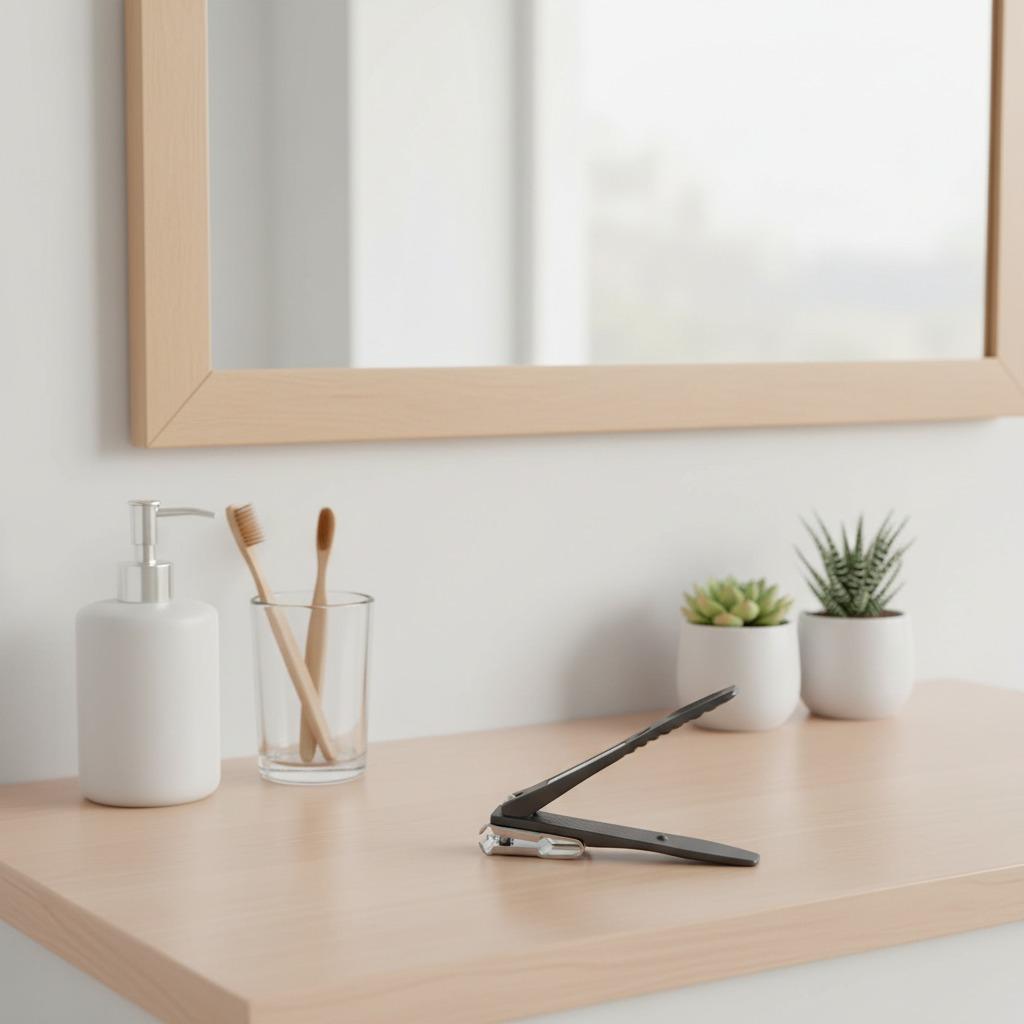
Olimor Beauty works in the beauty-tools category and offers nail clipper supply options for buyers considering wholesale and OEM projects. The existing nail clipper description highlights practical features such as stainless steel blades, ergonomic design, compact form, a matte black finish, and quality inspection from raw materials to packaging. These are useful starting points, but buyers should still evaluate each order against their own market requirements, price position, packaging channel, and after-sales expectations.
Why Factory Selection Matters for Nail Clippers
Nail clippers are often purchased as daily-use grooming tools, travel accessories, retail add-ons, manicure-kit components, or branded promotional items. Because they are simple in appearance, it can be tempting to treat them as commodity products. In practice, the end-user experience depends on several manufacturing details that are not always visible in a catalog photo.
The blade edge needs to meet cleanly and cut smoothly without crushing the nail. The lever should provide enough pressure while remaining comfortable to use. The body should feel stable in the hand, especially for compact designs. Surface finishing matters because nail clippers are handled frequently and often stored with other personal-care tools. A matte black finish, for example, can create a modern appearance, but buyers should still review coating consistency, scratch resistance expectations, and how the finish looks after handling.
For business buyers, a reliable nail clipper factory also reduces operational friction. Consistent products are easier to list online, easier to photograph, easier to combine into sets, and easier to reorder. If you are building a grooming range, explore Olimor’s broader beauty tool products to understand how nail clippers may fit alongside other tools in a retail or wholesale program.
Core Product Criteria to Review Before Ordering
Before comparing quotes, define what the nail clipper must achieve for your sales channel. A budget retail clipper, a minimalist travel clipper, a private-label manicure kit component, and a premium gift-set tool may all require different decisions. The following criteria help create a structured evaluation instead of choosing only by appearance.
- Blade material and cutting feel: Stainless steel blades are a useful feature for grooming tools, but buyers should still inspect edge alignment, smoothness, and cutting pressure during sample review.
- Ergonomic handling: Check whether the clipper is easy to hold, whether the lever surface provides control, and whether the shape suits the intended user group.
- Size and portability: A compact design can work well for travel kits, impulse retail, and personal grooming pouches, but larger clippers may be preferred for other use cases.
- Finish and appearance: Matte black creates a clean, contemporary look. Confirm that the color, sheen, and surface are consistent across sample pieces.
- Packaging compatibility: Decide whether the clipper will be sold individually, included in a set, packed for e-commerce, or supplied in bulk for later assembly.
- Inspection process: Quality checks from raw materials to packaging help reduce visible defects and functional problems before shipment.
Wholesale Nail Clipper Sourcing: What Retailers Should Compare
When sourcing wholesale nail clippers, retailers and distributors should compare more than product photos. The key is to understand whether the supplier can support your sales model. A retail buyer may need consistent carton labeling, stable packaging presentation, and repeatable finishing. A distributor may prioritize assortment planning, smooth communication, and clear documentation for each shipment. An e-commerce seller may care about packaging protection, product photography consistency, and low defect rates after customer handling.
For wholesale programs, request physical samples and review them as your customer would. Clip different nail thicknesses if appropriate for your evaluation, open and close the lever repeatedly, inspect the cutting edge under good light, and check whether the product feels secure in the hand. If the product will be sold in a manicure kit, test how it fits with the other tools and whether the finish matches the wider collection.
It is also useful to compare how the product will be presented. Compact nail clippers may be ideal for small retail hooks, travel sets, and promotional bundles, while a darker finish can help create a more unified visual identity. For buyers building a complete range, Olimor’s product collections can provide context for combining nail clippers with related beauty tools.
OEM Nail Clipper Projects: Decisions to Make Early
Nail clipper OEM sourcing is suitable for buyers who want customized presentation, private-label branding, or a product that fits a specific grooming lineup. The most efficient OEM projects usually begin with a clear brief. Instead of starting with a vague request for “a better nail clipper,” define the target user, selling channel, price level, packaging style, and any visual requirements.
Because the original product information notes OEM capabilities, buyers can use that as a starting point for discussing tailored design and packaging direction. However, customization should be practical. Every added feature may affect tooling, sampling time, packaging structure, inspection points, and final cost. A simple branded matte black clipper may be suitable for some programs, while other buyers may need a different grip feel, packaging format, or set configuration.
- Define the market position: Decide whether the clipper is for basic retail, a gift set, a salon-related channel, travel use, or private-label daily grooming.
- Confirm the product base: Review available stainless steel blade and ergonomic design options before requesting major changes.
- Plan branding placement: Consider whether the brand should appear on the clipper, packaging, insert card, or outer carton.
- Approve samples carefully: Check finish, grip, lever movement, edge alignment, packaging fit, and visual consistency.
- Document inspection standards: Agree on how functional and cosmetic defects will be evaluated before production release.
Quality Control from Raw Materials to Packaging
A strong inspection process is especially important for beauty tools because the product is used close to the body and must feel trustworthy. The current Olimor Beauty product information refers to rigorous inspections from raw materials to packaging. For buyers, this means quality should be viewed as a sequence of checkpoints rather than a final glance at finished goods.
Raw material review helps ensure the selected components match the intended product. During production, the factory should monitor forming, sharpening, assembly, and surface finishing. Before packing, finished clippers should be checked for cutting performance, visual defects, correct finish, and proper function. Packaging inspection then helps confirm that the right item, branding, labels, and protective presentation are being used.
Buyers can create a simple approval checklist for internal use. This keeps decisions consistent when multiple team members review samples or when repeat orders are placed months later.
| Inspection Area | What to Review | Why It Matters |
|---|---|---|
| Cutting edge | Alignment, smooth cut, absence of rough spots | Directly affects user satisfaction |
| Lever action | Pressure, stability, ease of use | Determines comfort and control |
| Surface finish | Color consistency, scratches, coating appearance | Shapes retail presentation and perceived quality |
| Packaging | Fit, labeling, protection, visual alignment | Supports selling, shipping, and brand consistency |
Questions to Prepare for a China Nail Clipper Manufacturer
Working with a China nail clipper manufacturer can offer practical advantages for buyers who need wholesale supply, OEM flexibility, and experience in beauty-tool production. To make the conversation productive, prepare questions that are specific but not overly restrictive. The goal is to understand available options, confirm feasibility, and identify where samples are needed before committing to production.
Useful questions include: What nail clipper sizes and finishes are currently available? Which parts of the design can be customized? What packaging formats are commonly used for wholesale or retail programs? How are stainless steel blades inspected? What cosmetic defects are considered unacceptable? How should approved samples be stored as a reference for repeat orders? What information is needed to quote an OEM project accurately?
Clear communication is particularly important if you plan to buy nail clippers in bulk for a private-label launch. Provide artwork, packaging references, target sales channel, and expected quality level early in the process. If you are ready to discuss a project, you can send an inquiry with your sourcing brief or contact Olimor for guidance on suitable beauty-tool options.
Building a Nail Clipper Program That Can Be Reordered
A successful nail clipper order should not be treated as a one-time transaction if the product is intended for retail shelves, online listings, or recurring wholesale customers. Reorder consistency is often what separates a dependable supplier relationship from a risky purchase. Keep approved samples, packaging proofs, product photos, inspection notes, and communication records organized so the next order can match the previous one as closely as possible.
For private-label and wholesale buyers, this documentation also helps internal teams make faster decisions. Purchasing, design, quality control, and sales teams can all refer to the same standard. When the product is compact, finished in matte black, and designed for regular grooming use, even small changes in surface appearance or lever feel may be noticeable. A clear standard protects the customer experience and supports stable brand presentation.
Choosing a nail clipper factory is ultimately about balancing product function, finish, packaging, customization, and supply reliability. By reviewing samples carefully, defining OEM needs early, and using structured inspection criteria, buyers can source nail clippers that fit their market instead of relying on generic catalog selection. Olimor Beauty offers a practical starting point for businesses seeking wholesale nail clipper supply or OEM beauty-tool development with attention to usability, finish, and quality control.
Tag: