

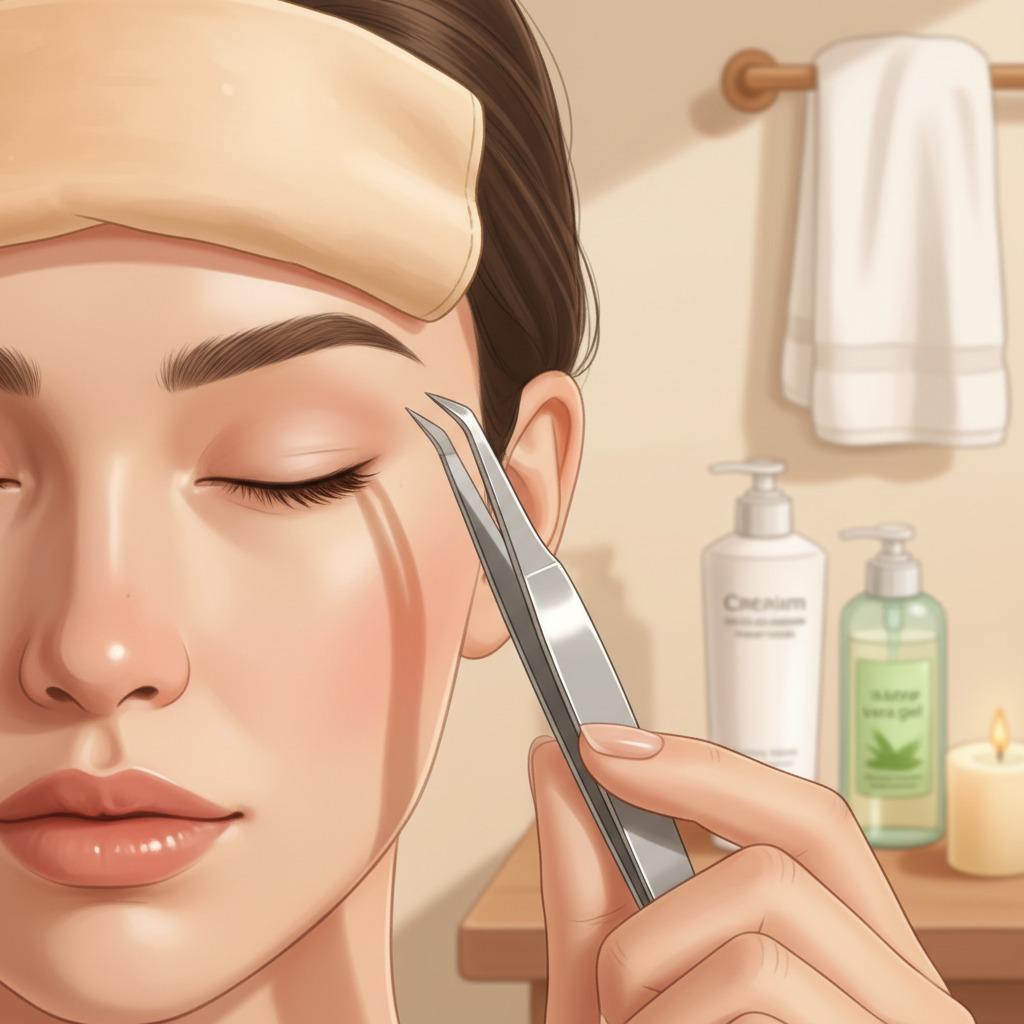
Sensitive Skin Eyebrow Tweezing Guide: Technique, Tool Selection and Supplier Checks
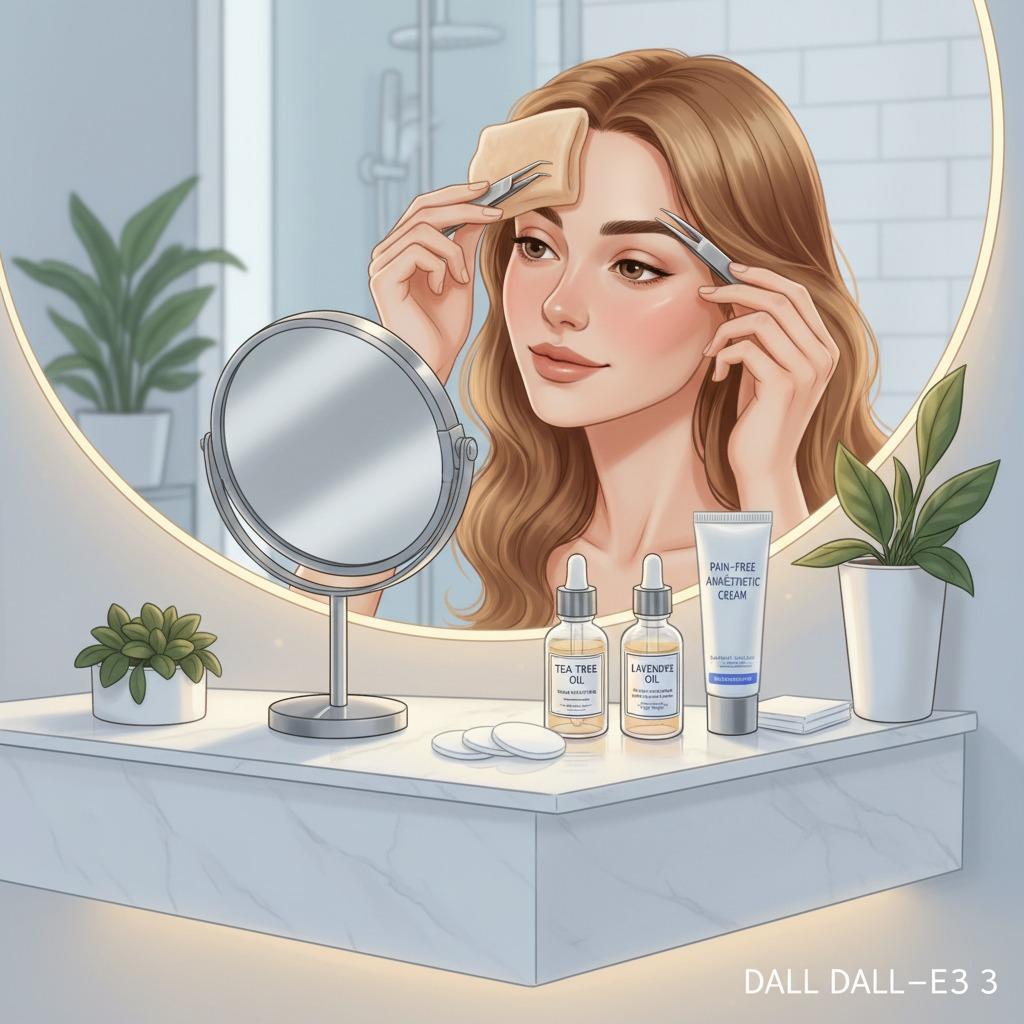
Eyebrow tweezing is precise, affordable and easy to control, but it can feel unnecessarily painful when the skin is dry, the hair is pulled in the wrong direction or the tweezer cannot grip cleanly. The most useful approach is simple: prepare the skin, remove one hair at a time with a controlled slanted tip, calm the area afterward and keep the tool clean between uses.
For beauty retailers, salons and sourcing teams, the same principles apply at product level. A good eyebrow tweezer should support accurate single-hair removal, feel stable in the hand, be easy to wipe clean and hold its tip alignment through normal use. Olimor Beauty offers a stainless steel eyebrow tweezer with a sharp, slanted tip designed for accurate hair removal and brow shaping. Buyers comparing grooming items can review related beauty tool products to place tweezers within a broader retail or salon assortment.
What Makes Eyebrow Tweezing Painful?
Tweezing discomfort usually comes from follicle sensitivity, skin tension and repeated pulling. When a tweezer slips, bends a hair or breaks it above the root, the user often tries again on the same spot. That second or third attempt can create more redness than the first pull. Sensitive skin may also react more strongly when the brow area is cold, dehydrated or recently treated with active skincare products.
Technique matters as much as the tool. Pulling upward, sideways or against the hair’s natural growth can tug the surrounding skin. Trying to remove hairs that are too short may pinch the skin. Over-tweezing in one session can leave the area hot and tender. Pain relief is not about making tweezing completely sensation-free; it is about removing avoidable irritation so each hair releases with fewer attempts.
Choose the Right Tweezer for Sensitive Skin
A slanted stainless steel tweezer is a practical format for eyebrow work because the angled tip can lie close to the skin while still giving a clear view of the individual hair. The slant helps users approach the hair at a low angle, grip near the base and pull in the direction of growth. Stainless steel is also a sensible material for grooming tools because it is durable and straightforward to clean after use.
For personal use, the main buying questions are comfort, grip and accuracy. For retail or B2B sourcing, the questions become broader: Can the tip alignment be inspected consistently? Is the closing pressure comfortable for different users? Is the surface finish easy to wipe clean? Does the packaging protect the tips during storage and transport? Decorative appearance can help shelf appeal, but daily performance depends on how well the tool grips single hairs without slipping.
Slanted vs. Other Tweezer Tip Styles
Different tweezer styles can serve different grooming needs. For sensitive brows, a slanted tip offers a useful balance of access, visibility and control.
| Tip style | Best use | Considerations for sensitive skin |
|---|---|---|
| Slanted tip | General eyebrow shaping, stray hair removal and controlled brow maintenance | Allows a low approach angle and helps grip one hair near the base when aligned well |
| Pointed tip | Very fine or isolated hairs | Requires careful handling; may feel less forgiving for casual users |
| Flat tip | Gripping broader areas or thicker hairs | Can catch more than one hair if the user is not careful |
| Rounded or broad cosmetic tips | General handling where sharpness is less desired | May not provide the same precision for fine brow shaping |
Prepare Skin Before Tweezing
Good preparation is the easiest way to make brow tweezing more comfortable. Start by cleansing the brow area with a gentle cleanser to remove oil, sunscreen, makeup and dust. Clean skin helps the tweezer hold the hair more securely and reduces the chance of residue being pushed into freshly irritated follicles.
Next, apply a clean warm compress for 5 to 10 minutes. The compress should be warm, not hot. Warmth softens the skin and makes the follicle area feel less tight. Tweezing after a shower can also work well because steam and warmth make the skin more pliable. People with very reactive skin should avoid experimenting with several new products immediately before hair removal, because it becomes difficult to know what caused irritation.
Some users consider topical numbing products. If one is used, follow the product’s own instructions and keep it safely away from the eye area. Do not apply numbing cream to scratched, irritated or inflamed skin. If the skin is already reacting, postpone tweezing until it calms.
A Gentle Tweezing Method That Reduces Irritation
Work in bright, even light with a mirror that lets you see individual hairs clearly. Avoid relying only on extreme magnification at the start, because it can encourage over-tweezing. Begin with obvious stray hairs outside the desired brow line, then step back to check symmetry before continuing.
- Clean hands and tool first. Freshly tweezed follicles are more vulnerable to residue from fingers and tools.
- Hold the skin taut. Use one hand to gently support the nearby skin so the pull is cleaner and less sharp.
- Grip one hair at the base. Place the slanted tip close to the root rather than grabbing the end of the hair.
- Pull in the direction of growth. This helps the hair release more smoothly and reduces tugging.
- Use one smooth motion. Hesitating, twisting or yanking can increase discomfort.
- Pause often. Short breaks help you avoid overworking one area and give redness time to settle.
If a hair does not release after one careful pull, do not dig into the skin. Move to another area or wait until the hair is long enough to grip cleanly. Repeated attempts on very short hairs are a common cause of pinching, bumps and unnecessary redness.
Aftercare for Sensitive Brows
Some redness after tweezing is common, especially on fair or reactive skin. A cool compress can help calm warmth. Aloe vera gel may be useful if your skin tolerates it. Natural oils such as tea tree or lavender are sometimes discussed for soothing routines, but they can irritate some skin types and should not be used near the eyes unless properly diluted and suitable for facial use.
After tweezing, avoid heavy makeup, strong scrubs, exfoliating acids and retinoids directly over the freshly treated brow area for a short period, especially if you are prone to bumps. Do not keep touching the area with unwashed hands. If skin is broken, swelling increases or bumps become painful, pause tweezing and allow the area to recover.
Cleaning and Maintaining a Stainless Steel Eyebrow Tweezer
Tool hygiene is part of comfort and product performance. A clean tweezer reduces the transfer of oil, makeup and bacteria to the brow area. Stainless steel makes routine cleaning straightforward: after use, wipe the tips with alcohol and let the tweezer dry fully before storing it. A clean pouch or protective case can help keep residue off the tips and reduce accidental damage.
Tip alignment should be checked regularly. The tips should meet evenly and grip a single hair without sliding. If a tweezer becomes dull, misaligned or unable to hold fine hairs, users may press harder or pull repeatedly, which increases discomfort. Avoid dropping the tool, because impact can affect the tip edges and alignment.
Quick Maintenance Checklist
- Wipe the tips before and after use, especially if makeup or skincare residue is present.
- Allow the tool to dry completely before closing it in a pouch or case.
- Inspect whether both sides of the slanted tip meet evenly.
- Test grip on a single visible hair before beginning a full brow session.
- Store away from loose metal objects that may nick or bend the tips.
- Replace or remove from service any tweezer that pinches skin, slips often or has damaged tips.
How Buyers Should Evaluate Eyebrow Tweezers for Retail, Salon or Sourcing Programs
For commercial buyers, eyebrow tweezers are small items, but poor quality is easy for customers to notice. A tweezer that slips, scratches, rusts from poor handling or arrives with bent tips can quickly create returns or negative reviews. Evaluation should include both appearance and practical use.
Start with product purpose. A slanted stainless steel eyebrow tweezer is well suited to brow shaping, daily stray-hair removal and grooming kits. If the assortment also includes skincare, lash tools or manicure tools, the tweezer should match the positioning of the collection. Buyers can compare related categories through Olimor’s product collections before narrowing the exact tweezer specification.
Then inspect samples for consistent closing pressure, comfortable hand feel, even tip contact, smooth edges and clean finishing. Check whether the tool grips fine hairs near the base without cutting or breaking them. For packaging, consider whether the tip is protected, whether instructions are clear and whether the item can be handled safely by warehouse and retail staff.
Quality systems and regulatory expectations vary by market and product presentation. A general quality management framework such as ISO 9001 may be relevant when evaluating a supplier’s management process, but buyers should verify current certificates or documents directly with the supplier if such certification is required. In the United States, the FDA regulates cosmetics, while ordinary cosmetic tools may be treated differently from cosmetic formulas; if tweezers are sold in a kit with cosmetics or claims beyond grooming, confirm current regulatory requirements with qualified advisors and public agency guidance. Do not rely on assumptions, and always verify the latest applicable versions and supplier documents.
Cost Factors Without Guesswork
Eyebrow tweezer cost is influenced by practical choices rather than one single feature. Material selection, tip finishing, alignment control, surface finish, packaging, order configuration, inspection requirements and customization all affect the final sourcing discussion. A sharp slanted tip may require more careful finishing than a simple broad grip tool, and packaging that protects the tip can add value by reducing damage during storage and shipment.
Customization can also affect cost and planning. Branding, finish preferences, packaging style and assortment requirements should be discussed early. Instead of asking only for the lowest unit price, B2B buyers should ask what inspection steps are used, how samples are reviewed, how tip protection is handled and how the supplier communicates changes. For project-specific details, share your market, intended channel and packaging needs through an Olimor product inquiry.
Common Problems and Practical Fixes
If tweezing still feels too painful, first check preparation. Cold, dry skin usually feels tighter. Use a warm compress and shorten the session. If the tweezer slips, clean the tips and inspect alignment. If hairs break, try gripping closer to the base and pulling in the direction of growth. If redness lasts longer than expected, reduce frequency and avoid active skincare around the brow area immediately after tweezing.
For salons and retailers, customer complaints often point to product-use mismatch. A customer may try to remove hairs that are too short, use the tool without cleaning it or over-tweeze in a magnifying mirror. Clear use and care instructions can reduce dissatisfaction. For private label or retail programs, concise packaging copy explaining warm preparation, one-hair grip and post-use cleaning can improve the user experience without making unsupported performance claims.
A Simple Routine for More Comfortable Brow Maintenance
The most reliable sensitive-skin routine is cleanse, warm, tweeze slowly, soothe and clean the tool. Keep sessions brief, especially if the area becomes tender; the source routine suggests limiting sessions to about 10 to 15 minutes rather than continuing on increasingly sensitive skin. Regular maintenance is usually easier than waiting until many hairs need removal at once.
For individual users, a well-aligned slanted stainless steel tweezer supports controlled brow shaping with fewer repeated pulls. For buyers, the same tool qualities translate into practical selling points: precision, cleanability, comfortable control and suitability for everyday grooming. To discuss whether Olimor’s stainless steel slanted eyebrow tweezer fits a retail, salon or sourcing plan, contact Olimor with your intended application and selection priorities.
FAQ
Can buyers request samples before placing an order?
Sample availability should be confirmed directly with Olimor because it can depend on the product, customization needs and current supply arrangement. Samples are useful for checking grip, finish, tip alignment and packaging suitability.
Is there a fixed MOQ for eyebrow tweezers?
MOQ can vary by product configuration, packaging and customization. Buyers should provide the target market, order plan and branding requirements so the supplier can respond with applicable terms.
Can the tweezer be customized for retail or private label programs?
Customization may be possible depending on the requested finish, packaging, branding and order details. Confirm options, artwork requirements and sample approval steps before committing to production.
How should quality be checked before bulk purchasing?
Inspect sample tweezers for even tip contact, secure single-hair grip, smooth edges, comfortable closing pressure, clean surface finish and packaging that protects the slanted tip. Ask the supplier for relevant quality documents when required.
How is lead time determined?
Lead time depends on product availability, order quantity, customization, packaging and approval steps. Confirm timing directly with the supplier after specifications and sample requirements are clear.
Tag: