

Precision Toenail Clippers for B2B Beauty Supply Programs
For salons, retailers, distributors, and private-label beauty brands, a nail clipper is not a small accessory decision. It is a repeat-use tool that customers judge by feel, sharpness, control, and reliability. A poorly selected clipper can create complaints quickly, while a well-chosen precision toenail clipper can support repeat purchasing, stronger retail sets, and more consistent professional grooming results.
Olimor Beauty works in the B2B beauty supplies space with a focus on grooming tools that fit practical buyer requirements. For companies exploring nail clipper ODM or custom made nail clipper projects, the key is not only choosing a nice-looking tool. Buyers need to consider blade performance, grip comfort, packaging fit, inspection standards, and how the item will sit within a larger beauty tool assortment.
Why Precision Toenail Clippers Matter in B2B Beauty Supplies
Toenail clippers have different use demands from smaller fingernail clippers. Toenails are often thicker, harder, and less flexible, so the tool must give the user enough leverage and control without feeling bulky or difficult to position. In a salon setting, the clipper also needs to feel stable in hand during repeated use. For retail buyers, the product must be easy for shoppers to understand at a glance: what it is for, how it improves control, and why it belongs in a grooming kit.
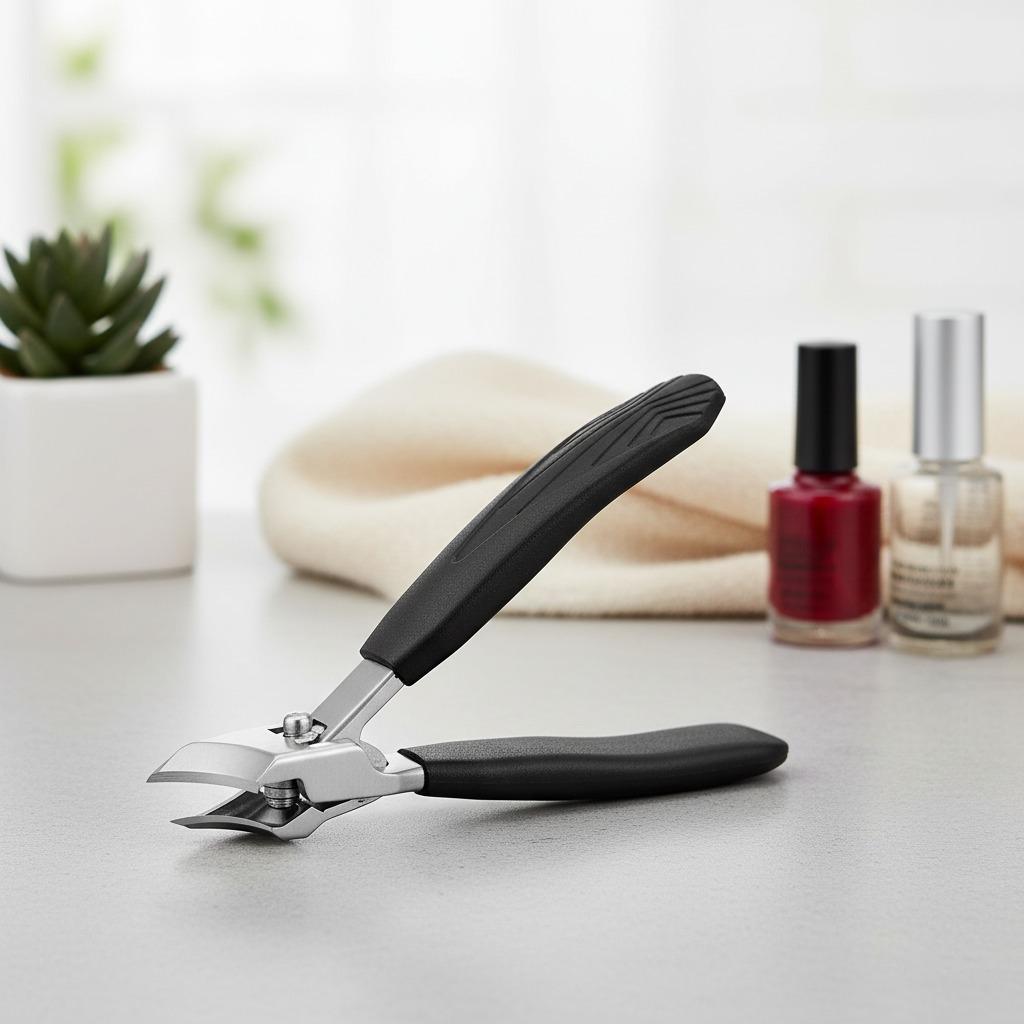
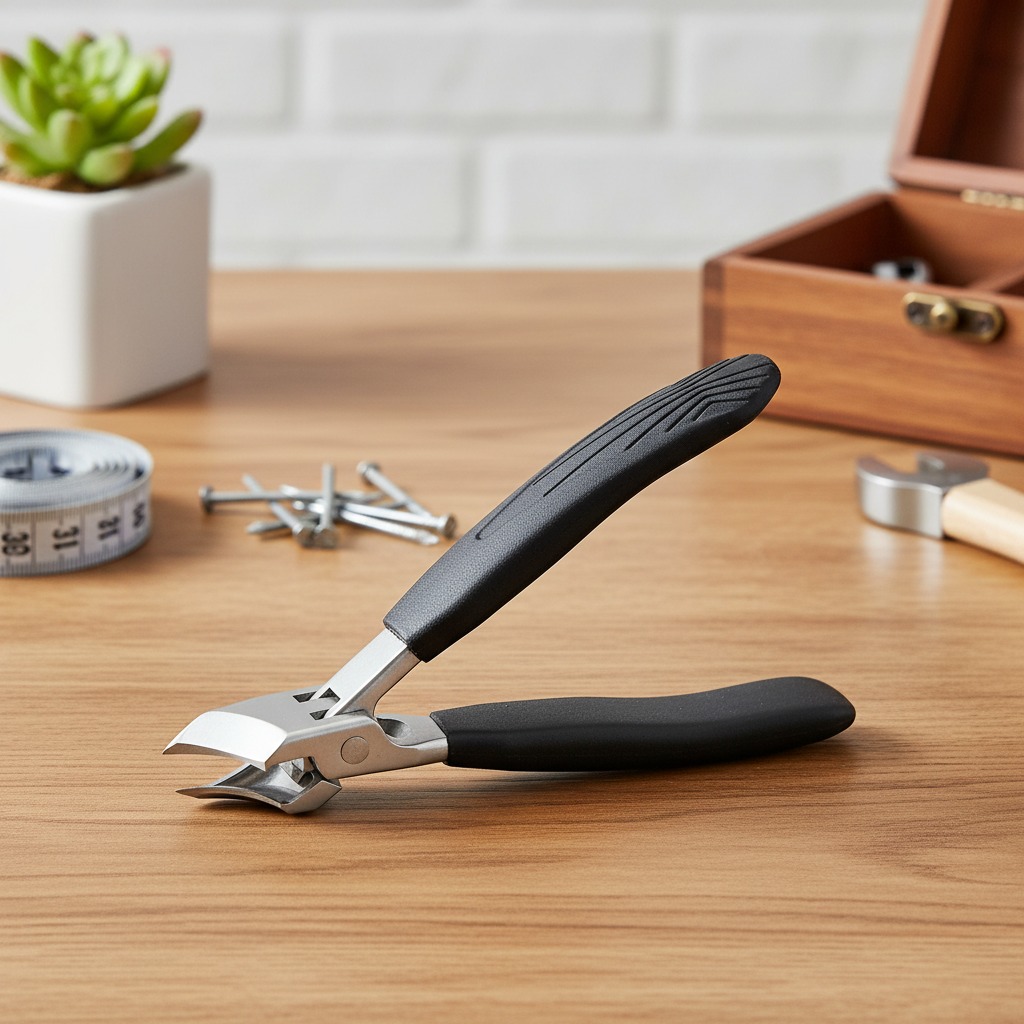
The supplied product information highlights a Precision Toenail Clipper with a sharp stainless steel edge and ergonomic grips. Those two details matter because they address the primary user concerns: cutting performance and handling. Stainless steel edges are commonly valued in grooming tools because they support a clean cutting surface when properly manufactured and maintained. Ergonomic grips, including the black grips shown in the product description, help users maintain control while trimming stronger toenails.
For B2B buyers, precision also affects merchandising. A toenail clipper can be sold as a standalone tool, paired with other foot-care accessories, included in travel grooming kits, or positioned as part of a professional salon supply order. Before adding it to a catalog, define whether the clipper is intended for professional back-bar use, consumer retail, giftable grooming sets, or private-label distribution.
Selection Criteria for Nail Clipper ODM Projects
Nail clipper ODM sourcing gives buyers a route to develop a tool that fits their market while relying on an experienced manufacturing and production process. However, the most successful ODM projects begin with a clear product brief. Instead of requesting a generic clipper, define the user, the selling channel, and the required feel of the finished tool.
Useful selection criteria include:
- Cutting purpose: Decide whether the tool is primarily for toenails, general grooming, salon pedicure use, or bundled personal care kits.
- Blade expectation: Confirm that the edge is designed for clean trimming and appropriate for thicker toenails, without overpromising medical or therapeutic performance.
- Grip comfort: Review handle shape, surface feel, and whether the black grip area supports secure control for different hand sizes.
- Opening and leverage: Test how much pressure is required to cut and whether the lever movement feels smooth and predictable.
- Finish quality: Check for burrs, rough edges, uneven surfaces, and visible assembly issues that may affect customer perception.
- Packaging route: Match packaging to the channel, such as retail display, e-commerce shipping, salon supply cartons, or private-label kits.
- Brand presentation: Consider where logo placement, instruction copy, and care notes can appear without making the tool look crowded.
Olimor Beauty’s broader beauty tool products can help buyers compare how a toenail clipper may fit with related grooming tools. When a clipper is planned as part of a coordinated range, decisions about finish, grip color, packaging format, and product copy should be made together rather than item by item.
Custom Made Nail Clipper Features Worth Evaluating
Custom made nail clippers can support differentiation, but customization should be purposeful. A custom feature that looks good in a presentation may not add value if it makes production more complex, increases packaging waste, or confuses the end user. For a B2B buyer, the goal is to customize the right elements: those that improve use, retail clarity, or brand recognition.
For the Precision Toenail Clipper described here, the explicit features include sleek stainless steel blades, an ergonomic design, and comfortable black grips. These are strong starting points for a B2B product brief because they relate directly to performance and user experience. From there, buyers can evaluate practical customization choices such as packaging language, exterior finish preference, retail set configuration, or branded presentation. Any technical customization should be reviewed against usability, consistency, and inspection requirements.
A simple evaluation table can help internal teams compare options before confirming an ODM direction:
| Decision Area | What to Evaluate | Why It Matters |
|---|---|---|
| Blade and edge | Sharpness, alignment, clean closing, visible finish | Directly affects trimming comfort and perceived quality |
| Grip design | Shape, texture, control, hand comfort | Improves stability, especially for toenail trimming |
| Product positioning | Professional, retail, travel, kit component, or private label | Guides packaging, copy, and assortment planning |
| Packaging | Protection, display value, instructions, barcode space | Supports both logistics and shopper understanding |
| Inspection plan | Surface checks, function checks, packaging checks | Reduces avoidable quality issues before shipment |
Quality Checks Buyers Should Build Into the Sourcing Process
Quality assurance should not be treated as a final step after the product is already complete. For nail clippers, quality is visible in small details: the lever action, the closing alignment, the consistency of the edge, the feel of the grip, and the cleanliness of the finished surface. A buyer who defines these checks early is more likely to receive a product that matches the intended market.
When reviewing samples, open and close the clipper multiple times. The motion should feel controlled, without wobble that undermines confidence. Inspect the stainless steel edge under good lighting, looking for obvious unevenness, chips, or rough areas. Examine the black grips for secure placement, consistent appearance, and comfort during repeated handling. Also check the tool from the perspective of a consumer opening the package for the first time: is the product easy to understand, safely presented, and aligned with the brand’s promise?
For retail and distributor programs, packaging inspection is just as important as tool inspection. Damaged packaging, unclear copy, or poor product positioning can reduce shelf appeal even when the tool itself is functional. Buyers should define acceptable packaging condition, label placement, and packing method before volume production begins. If the clipper will be part of a larger set, test the full set presentation rather than approving each item separately.
How to Position Precision Toenail Clippers in a Product Range
A precision toenail clipper can serve several roles in a B2B assortment. For salon supply distributors, it may be a dependable professional grooming tool. For retailers, it can be a practical personal care product that sits near manicure tools, pedicure items, travel grooming accessories, or men’s grooming displays. For private-label buyers, it may act as a core item in a nail care line because most consumers understand its use without heavy education.
Assortment planning becomes stronger when the clipper is positioned with a clear use case. A broad “beauty tool” label may be too vague. More specific positioning, such as toenail grooming, foot-care maintenance, salon pedicure preparation, or home grooming kits, helps the sales team and end user understand the product faster. Olimor Beauty’s product collections can be used as a reference point when considering how different grooming tools may be grouped for a more coherent offer.
Channel also affects product copy. A salon-focused description may emphasize control, durability, and repeat handling. A consumer retail description may focus on comfortable grip, clean trimming, and proper care after use. E-commerce content should include clear photos, concise feature bullets, and care guidance because the buyer cannot test the grip before purchase.
Care, Handling, and End-User Guidance
Even a well-made clipper performs better when users understand basic care. B2B buyers can reduce returns and improve customer satisfaction by including simple handling instructions on packaging or inserts. The guidance does not need to be complicated, but it should be specific enough to support safe, hygienic use.
- Use the toenail clipper only for its intended grooming purpose.
- Clean the cutting area after use to remove nail residue.
- Dry the tool before storage, especially around the stainless steel edge and joint area.
- Store it in a clean, dry place away from loose cosmetic liquids or damp environments.
- Do not force the clipper through material it is not designed to cut.
For salons, cleaning and storage procedures should align with local hygiene practices and internal service standards. For retailers, short care notes can help customers keep the clipper in better condition, which supports long-term product satisfaction.
Working With Olimor Beauty on B2B Clipper Requirements
Choosing a B2B beauty supplies partner is about more than finding a product that looks right in a photo. Buyers need a supplier that can discuss the intended user, target channel, packaging needs, and quality expectations in practical terms. Olimor Beauty’s work with nail clipper ODM and custom made nail clipper projects is centered on aligning product decisions with business use cases, from salons and retailers to distributors and brand owners.
Before starting a project, prepare a concise brief with your target market, expected product role, packaging preference, branding needs, and any sample evaluation criteria your team already uses. This helps move the discussion from general interest to a workable sourcing plan. If you are comparing options or planning a private-label grooming tool range, you can send an inquiry with your requirements or contact Olimor for a more focused conversation.
A precision toenail clipper may be a compact product, but it carries a high level of user expectation. By focusing on blade performance, ergonomic grip comfort, inspection details, and channel-specific presentation, B2B buyers can build a stronger nail care offer and reduce avoidable sourcing risks.
Tag: