

Olimor Beauty Nail Clipper Manufacturer Review for OEM and Wholesale Buyers
Choosing a nail clipper manufacturer is not only about finding a low-cost cutting tool. For retailers, beauty brands, salon suppliers, and grooming kit distributors, the right clipper affects user comfort, perceived product quality, repeat purchases, and after-sale feedback. Olimor Beauty is positioned in the beauty tool market as a nail clipper manufacturer and supplier serving both personal-care and professional channels. This review looks at the practical factors buyers should evaluate: cutting performance, grip, portability, finish, OEM flexibility, inspection points, and long-term sourcing fit.
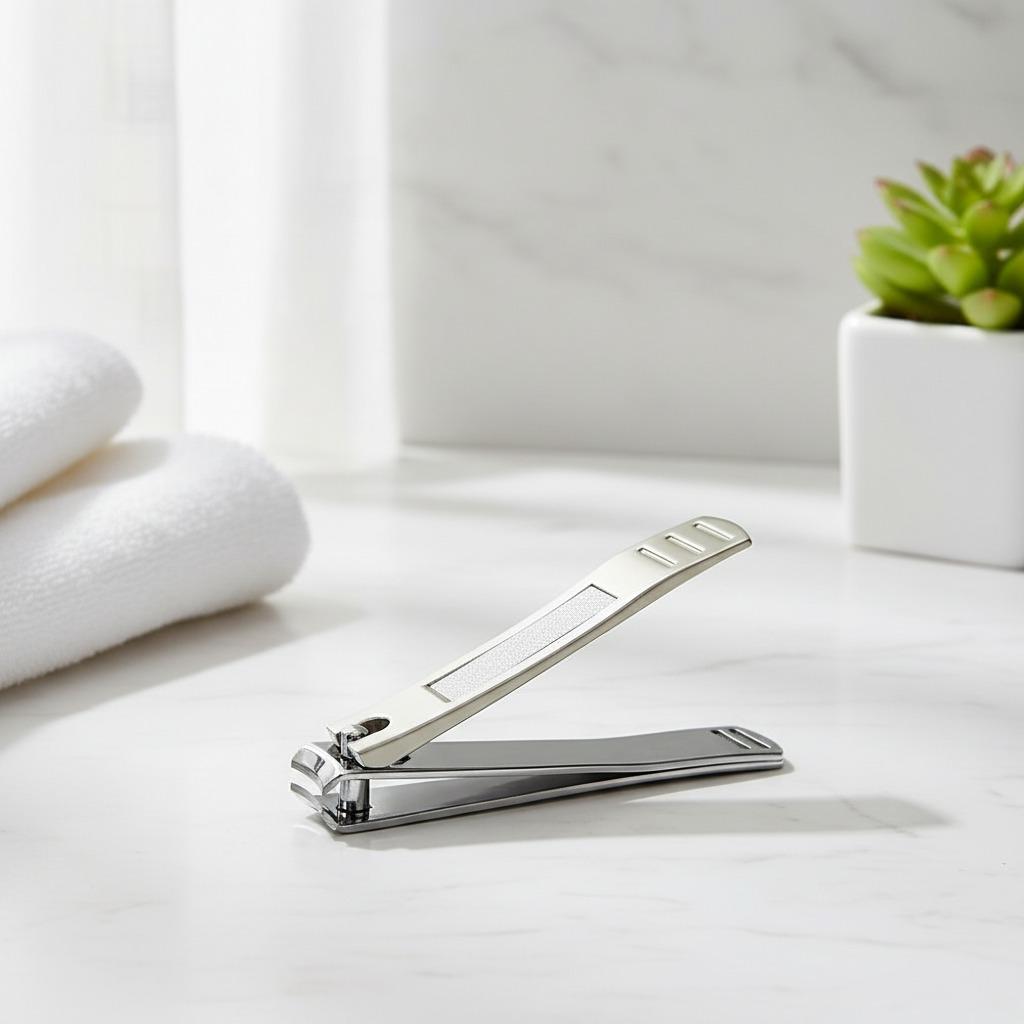
The nail clipper described by Olimor Beauty focuses on a sleek, modern appearance, a high-quality metal finish, ergonomic handling, contoured blades, and compact portability. Those features are relevant because nail clippers are small tools with very little room to hide poor manufacturing. If the lever is loose, the blade alignment is off, or the surface finish feels rough, customers notice immediately. A good sourcing decision starts by understanding how these details influence the user experience.
What Buyers Should Look for in a Nail Clipper Manufacturer
A nail clipper is a simple product on the surface, but manufacturing consistency matters. The cutting edges need to meet cleanly, the lever should provide controlled pressure, and the body must feel stable in the hand. For wholesale or private-label buyers, a supplier should be reviewed according to repeatable production quality rather than a single attractive sample.
Olimor Beauty’s value proposition centers on precision, durability, and a polished metal finish. These are useful selling points for everyday nail care, travel grooming kits, salon retail shelves, and personal care assortments. However, buyers should still review physical samples using clear criteria before placing a bulk order. The goal is to confirm that the clipper performs well across multiple units, not just one demonstration piece.
- Blade alignment: The cutting edges should close evenly from side to side without visible gaps.
- Cutting feel: The clipper should cut cleanly without crushing, bending, or tearing the nail edge.
- Lever stability: The handle should not wobble excessively during use.
- Surface finish: The metal should feel smooth, with no sharp burrs around edges or corners.
- Grip and control: The user should be able to hold the clipper securely, even during detailed trimming.
- Packaging fit: The clipper should sit firmly in its retail or travel packaging without rattling or scratching.
Design and Cutting Performance: Small Details That Matter
The original product description highlights an ergonomic design and contoured blades. These two points are important because they influence both comfort and nail health. A clipper that requires too much force can cause uneven trimming, while poorly matched blades can increase the chance of splitting. Clean cutting is especially important for customers who trim nails frequently or include clippers in salon aftercare kits.
The compact, portable format also has commercial value. Nail clippers are commonly sold as stand-alone accessories, included in manicure sets, added to travel kits, or bundled with other grooming products. A compact design helps buyers build flexible assortments without requiring large packaging footprints. For brands selling through e-commerce, compact tools can also support efficient storage and shipping planning, although final packaging decisions should always be confirmed during sample review.
For end users, the difference between an ordinary clipper and a well-made clipper often comes down to control. A comfortable lever shape, balanced pressure, and smooth metal surface make trimming easier. For buyers, those details can reduce negative reviews related to rough edges, difficult handling, or inconsistent cuts.
Stainless Steel Tools and Finish Considerations
The supplied product information refers to stainless steel tools and a high-quality metal finish. In the nail care category, stainless steel is commonly valued for its clean appearance, durability, and suitability for grooming tools. Buyers should evaluate the finish carefully because it affects both function and shelf appeal. A bright, even finish can help the product look professional, while rough polishing or visible marks may weaken the customer’s perception of quality.
When comparing samples, avoid judging only by appearance. Open and close the clipper repeatedly, inspect the edges under good lighting, and test it on nails or approved testing material. The finish should not interfere with handling; a tool can look polished yet still feel slippery or uncomfortable. If the clipper is intended for salon resale, travel kits, or giftable personal-care sets, the finish and tactile feel should align with the price point and packaging concept.
OEM and Private-Label Questions to Clarify Early
Olimor Beauty is described as a nail clipper OEM provider, which makes the company relevant for brands that want customized grooming tools. OEM sourcing can include decisions about product finish, packaging, logo application, kit configuration, and market positioning. Because each project has different requirements, buyers should prepare a clear specification sheet before comparing suppliers.
The table below shows practical questions that help organize an OEM discussion without assuming details that must be confirmed project by project.
| OEM Topic | Why It Matters | What to Prepare |
|---|---|---|
| Clipper size and shape | Affects comfort, portability, and target user group | Reference sample, drawings, or preferred dimensions |
| Blade performance | Determines clean cutting and customer satisfaction | Cutting test expectations and sample approval process |
| Surface finish | Influences perceived quality and corrosion-related concerns | Finish preference, appearance standard, and inspection notes |
| Branding method | Impacts visual identity and durability of the logo | Logo file, placement guide, and packaging artwork |
| Retail packaging | Protects the tool and supports shelf or online presentation | Packaging format, barcode needs, and language requirements |
Buyers exploring OEM nail clippers can review broader beauty tool products to understand how the clipper may fit into a larger grooming range. For assortments, it may also be useful to compare related product collections before finalizing a single-item or multi-tool strategy.
Quality Control from Raw Materials to Packaging
The original product information notes inspections from raw materials to packaging. For nail clippers, quality control should cover both the physical tool and the presentation that reaches the customer. A clipper with a strong body but poor packaging can arrive scratched. A well-packed clipper with uneven blades can still lead to complaints. Both areas need attention.
A practical inspection plan should include incoming material checks, in-process review, cutting performance tests, visual inspection, assembly checks, and final packaging confirmation. Buyers do not need to create an overly complicated system, but they should define pass and fail standards clearly. For example, “smooth edge” should be supported by a physical approved sample or written tolerance so that production teams and inspectors share the same expectation.
- Approve a golden sample: Keep one confirmed sample for comparison during production and final inspection.
- Test multiple units: Review performance across a small batch rather than relying on a single sample.
- Check blade closure: Confirm that the jaws meet evenly and cut with consistent pressure.
- Inspect finish quality: Look for burrs, stains, scratches, or rough transitions near the lever and cutting head.
- Review packaging protection: Confirm that the clipper is secured and unlikely to damage itself in transit.
Best-Fit Use Cases for This Type of Nail Clipper
Because the clipper is described as compact, portable, ergonomic, and suitable for personal and professional use, it can fit several commercial scenarios. Retailers may position it as an everyday grooming essential. Beauty brands may include it in manicure kits or personal-care bundles. Salon suppliers may offer it as an affordable retail add-on for clients who want a reliable home-care tool. Travel and lifestyle brands may value the compact format for kits, pouches, or hygiene sets.
The best fit depends on the final specification and packaging. A minimalist metal clipper may work well for practical daily use, while a more presentation-focused package may suit gifting or premium grooming sets. Buyers should match the product configuration to the sales channel instead of assuming one version will suit every market.
How to Compare Olimor Beauty with Other Nail Clipper Suppliers
When reviewing any nail clipper factory or wholesaler, compare suppliers using the same sample checklist, the same packaging expectations, and the same communication standards. Olimor Beauty’s stated strengths include ergonomic design, stainless steel tools, compact portability, OEM service, and inspection attention. Those points give buyers a useful starting framework, but supplier selection should also consider responsiveness, clarity of documentation, sample consistency, and ability to understand the intended market.
If your project requires private-label packaging, a multi-piece grooming kit, or a specific retail presentation, prepare artwork, sample references, and quality expectations before requesting a quotation. This reduces misunderstandings and helps the manufacturer respond with more relevant options. To discuss a project directly, you can contact Olimor or send an inquiry with your intended use, target channel, and sample requirements.
Final Review: A Practical Option for Nail Care Sourcing
Olimor Beauty presents a nail clipper offering built around clean cutting, ergonomic handling, stainless steel construction, and a polished modern look. For buyers, the strongest reason to consider this type of supplier is not a single feature but the combination of usability, portable design, and OEM relevance. A nail clipper is a small product, yet it can carry a brand’s quality message every time a customer uses it.
Before committing to wholesale or OEM production, evaluate samples carefully, define inspection standards, and confirm packaging details. When those steps are handled well, a compact metal nail clipper can become a dependable part of a beauty tool range, manicure kit, or personal grooming assortment.
Tag: