

How to Choose an OEM Personal Care Tools Supplier for Beauty, Spa and Retail Programs
Choosing an OEM personal care tools supplier is not only a purchasing decision. It affects product feel, repeat orders, customer reviews and the way your brand is perceived at the point of use. Personal care tools are handled closely and frequently, so buyers need more than an attractive sample. They need consistent finishing, comfortable ergonomics, dependable packaging and a supplier that understands how the product will be sold and used.
For beauty, wellness, hotel amenity, spa and retail buyers, the ideal partner should help translate a product idea into a practical supply program. That may include manicure accessories, grooming tools, applicators, compact care items or functional accessories such as a stainless steel shoe horn. Olimor Beauty works in the beauty-tools field with a focus on useful personal care products, and buyers can start by reviewing available beauty tool products before discussing OEM requirements.
Start with the Product’s Real Use Case
A reliable sourcing process begins with the user, not the catalog. A personal care tool for a professional spa is judged differently from a promotional gift, a retail blister-pack item or a private-label accessory sold online. The same object may need different packaging, surface finish, handle shape or price positioning depending on where it will be used.
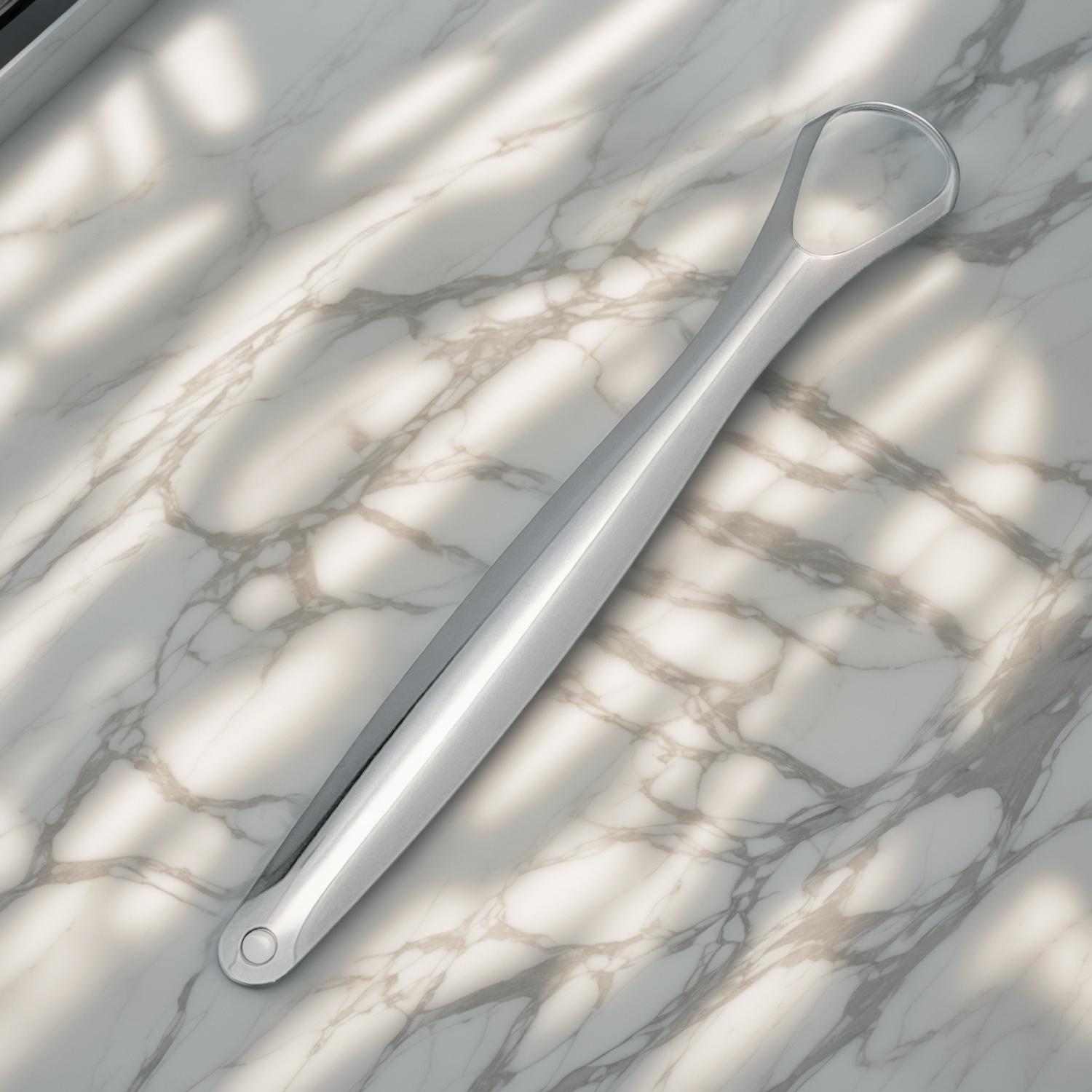
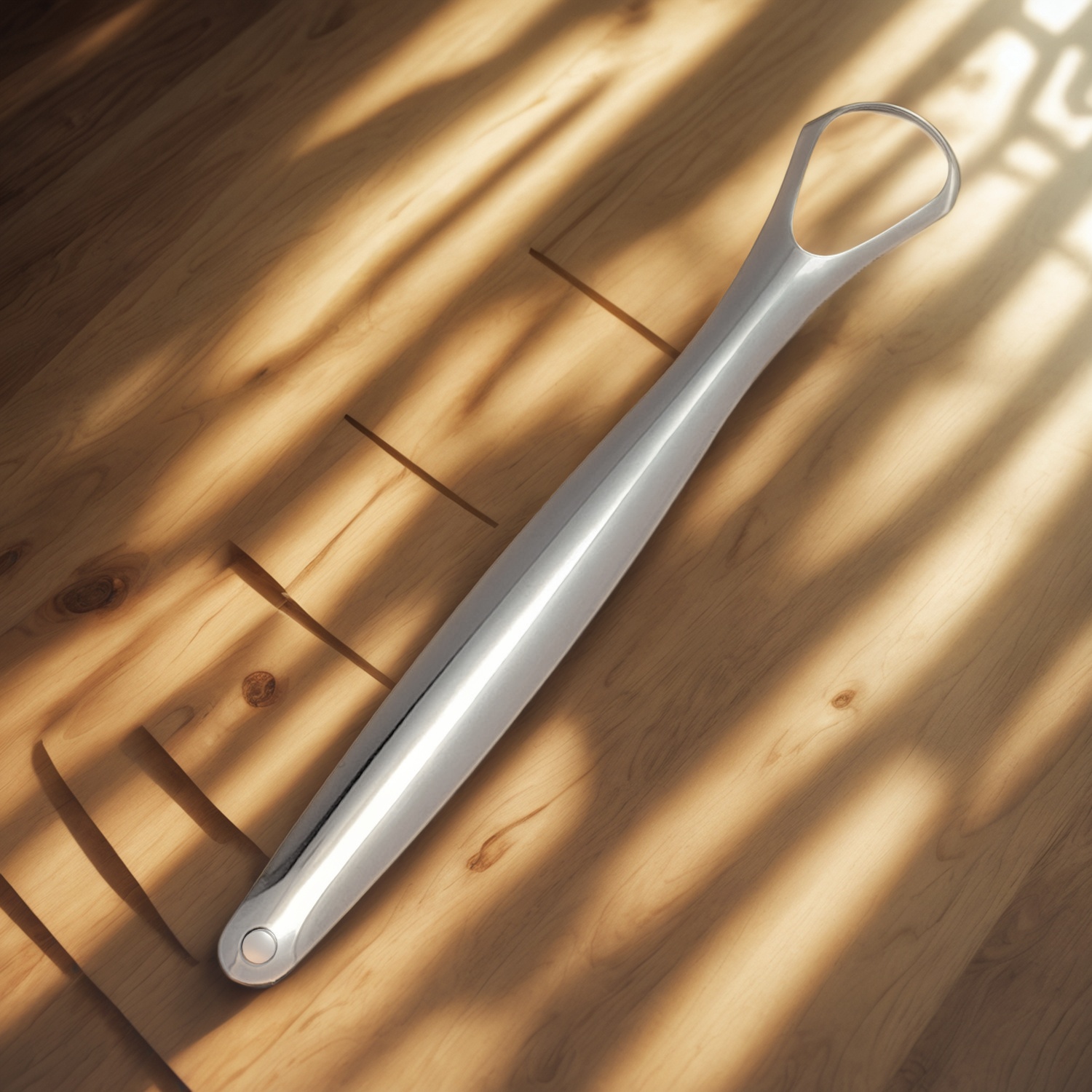
Before comparing suppliers, define the product role clearly. Is it intended for daily household grooming, retail display, salon support, hotel rooms, spa treatment areas or gift sets? A stainless steel shoe horn, for example, may be valued for smooth edges, comfortable length, easy storage and a polished appearance. A small grooming tool may be assessed more by tip alignment, grip, sanitation and compact packaging.
Clarifying use case helps avoid vague requirements such as “high quality” or “premium.” Instead, your team can evaluate features that customers will actually notice: how the product feels in hand, whether edges are safe, whether the surface resists visible handling marks, how easily it can be cleaned and whether packaging protects the item during transport and display.
What Makes a Strong Personal Care Tools Manufacturer in Asia?
Many buyers search for a personal care tools manufacturer Asia because the region offers broad manufacturing experience and diverse tooling, finishing and packaging resources. However, location alone does not guarantee a suitable partner. A strong manufacturer should be able to communicate clearly about materials, production steps, finishing options, packaging constraints and inspection points without overpromising.
Look for a supplier that can explain how a tool moves from sample confirmation to mass production. For metal tools, this may include shaping, polishing, edge treatment, surface finishing and packing. For multi-material products, it may also involve assembly fit, adhesive or fastening choices, color matching and drop or abrasion concerns. Even when technical specifications are still open, the supplier should help you identify the decisions that influence cost, durability and customer experience.
For OEM work, design interpretation is especially important. Buyers may provide sketches, reference samples, packaging artwork or only a general target. A capable supplier should help turn those inputs into production-friendly requirements. That does not mean inventing unnecessary complexity. Often the best OEM solution is a practical adjustment: a smoother contour, more protective inner packaging, a clearer instruction insert or a finish that better suits frequent handling.
Key Selection Criteria for OEM Personal Care Tools
When comparing suppliers, organize your evaluation around criteria that can be verified through samples, documentation and communication. The following checklist can help beauty and wellness buyers reduce sourcing risk.
- Product consistency: Compare multiple samples, not just one. Check whether shape, surface finish, alignment and packaging remain consistent across units.
- Comfort and ergonomics: Hold the tool as an end user would. Look for sharp edges, awkward angles, slippery surfaces or unnecessary weight.
- Material and finish suitability: Match the material and finish to the product’s purpose, cleaning expectations and target retail position.
- Packaging practicality: Confirm whether the packaging protects the tool, supports branding and works for your sales channel.
- Inspection logic: Understand which defects are critical, major or minor for your product category.
- Communication quality: Notice whether replies are specific, whether limitations are explained and whether changes are recorded clearly.
- OEM adaptability: Assess whether the supplier can support private-label presentation, product adjustments and repeatable production without unnecessary complication.
This type of structured review is more useful than choosing based only on price. Low initial cost can become expensive if returns, packaging damage, inconsistent finishing or unclear specifications affect the launch.
Quality Checks That Matter Before Wholesale Orders
For spa personal care tools wholesale, consistency is essential. Professional users and retail customers notice small defects quickly, especially on tools that touch the body or are handled in a care environment. Quality control should be built into the product definition from the beginning, not added after a large order is produced.
A practical inspection plan should include appearance, dimensions where relevant, edge safety, function, packaging integrity and labeling accuracy. For a stainless steel shoe horn, appearance and edge smoothness are important because the user’s hand and footwear come into contact with the product. For grooming tools, alignment, gripping surfaces and cleanliness may be more important. For retail sets, item placement, insert fit and barcode or label accuracy can be just as critical as the product itself.
Buyers should define unacceptable defects in plain language. Examples include visible scratches on customer-facing surfaces, burrs on touch points, loose assembled parts, incorrect color, damaged cartons or missing printed components. This makes inspections easier to communicate and reduces disagreement when evaluating finished goods.
OEM Packaging and Branding Decisions
OEM sourcing is not only about the tool. Packaging influences perceived value, shelf readiness, shipping protection and user instructions. A product that looks good loose on a sample desk may still need more thoughtful packaging for retail or spa distribution.
Common packaging questions include whether the tool will be sold individually or as part of a set, whether it needs a hanging display option, whether the surface requires protective film or wrapping, and how much branding space is available. For private-label beauty tools, packaging should also align with the target customer. Minimal packaging may work for some spa replenishment orders, while retail programs often require clearer product naming, usage cues and scannable labeling.
Artwork control is another important step. Buyers should confirm file format expectations, color references, placement of logos and any required wording before final proofing. Even simple packaging can fail if the logo is distorted, text is too small or the product is not secured inside the box. When reviewing product collections, consider not only the product shape but also how each item could be presented under your brand.
Questions to Resolve Before Confirming a Supplier
The best sourcing conversations are specific. Instead of asking only for a quotation, prepare questions that reveal whether a supplier understands your category and sales channel.
- What sample options are available for evaluating shape, finish and packaging?
- Which product details are fixed, and which can be adjusted for OEM requirements?
- What are the main quality risks for this type of personal care tool?
- How should defects be described for inspection and acceptance?
- What packaging formats are realistic for the product’s size, finish and selling channel?
- How will artwork, labels and product markings be confirmed before production?
- What information is needed from the buyer to prepare an accurate quotation?
These questions help create a shared specification. They also show whether the supplier is thinking beyond a one-time transaction. A good OEM partner should help you make sourcing decisions that are repeatable, practical and aligned with your customer expectations.
Working with Olimor Beauty on Personal Care Tool Sourcing
Olimor Beauty supports buyers looking for personal care tools with a focus on practical product selection, OEM discussion and quality-minded sourcing. Whether your program is aimed at spa use, retail shelves, beauty gift sets or daily home care, the strongest results come from clear requirements and careful sample review.
If you are building a new line, start by defining the intended customer, preferred finish, packaging direction and expected selling environment. If you are replacing an existing supplier, prepare reference samples and describe the issues you want to improve, such as surface marks, uncomfortable edges, packaging damage or inconsistent appearance. This gives the sourcing conversation a concrete direction.
Buyers can explore available options through Olimor’s beauty tool products and then send an inquiry with details about intended use, packaging goals and OEM needs. For project questions that require direct discussion, you can also contact Olimor. A clear brief, realistic quality checklist and careful approval process will help turn a personal care tool idea into a dependable product your customers are comfortable using again and again.
Tag: