

OEM Personal Care Tools Supplier for Spa, Retail and Wellness Brands
Personal care tools are often small items, but they carry a large part of a brand’s customer experience. A shoehorn at a spa changing area, a grooming accessory in a retail gift set, or a practical tool sold through a wellness shop can influence how customers judge quality, comfort and attention to detail. For companies that sell or provide these products under their own name, choosing the right OEM personal care tools supplier is a sourcing decision that affects durability, presentation, customer satisfaction and repeat orders.
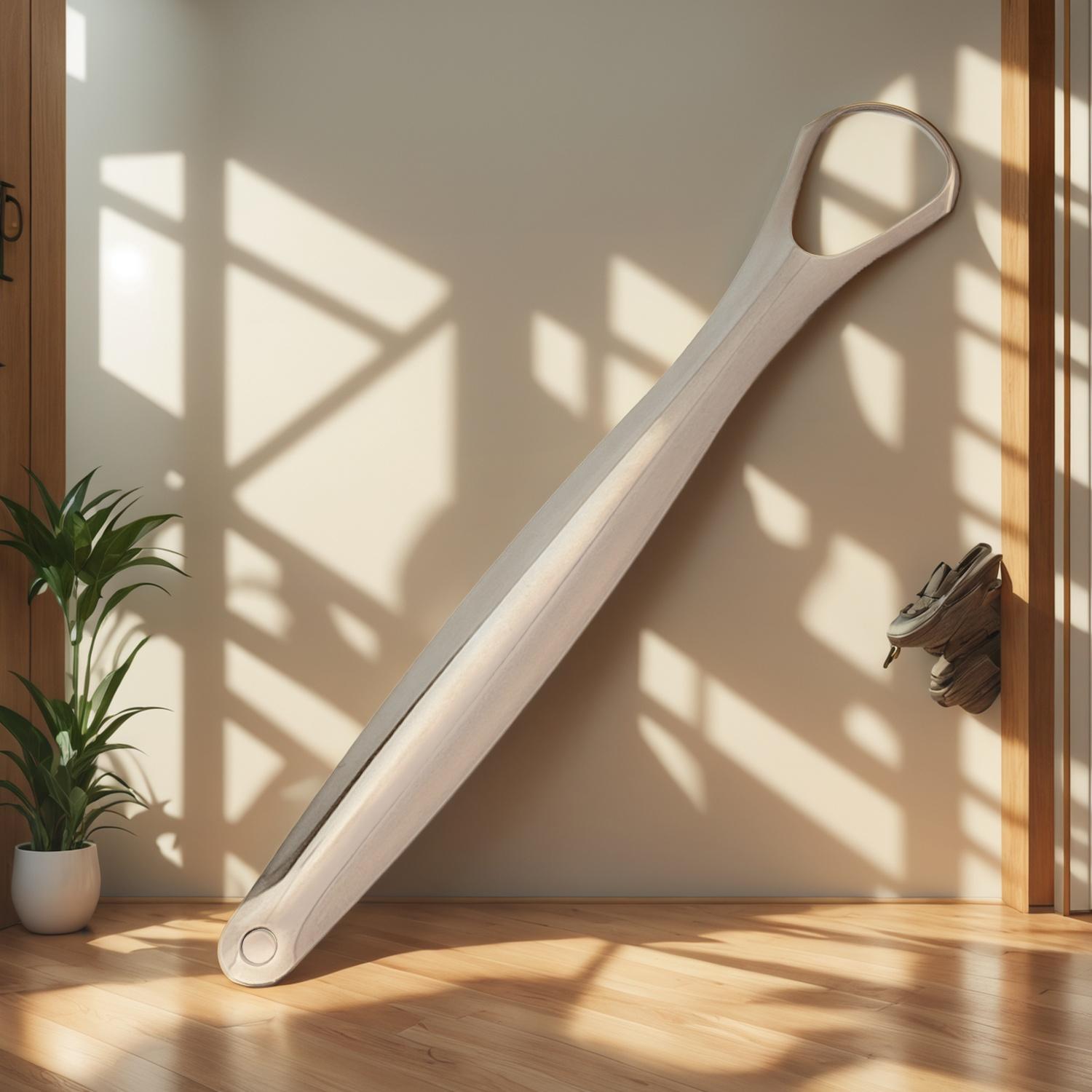
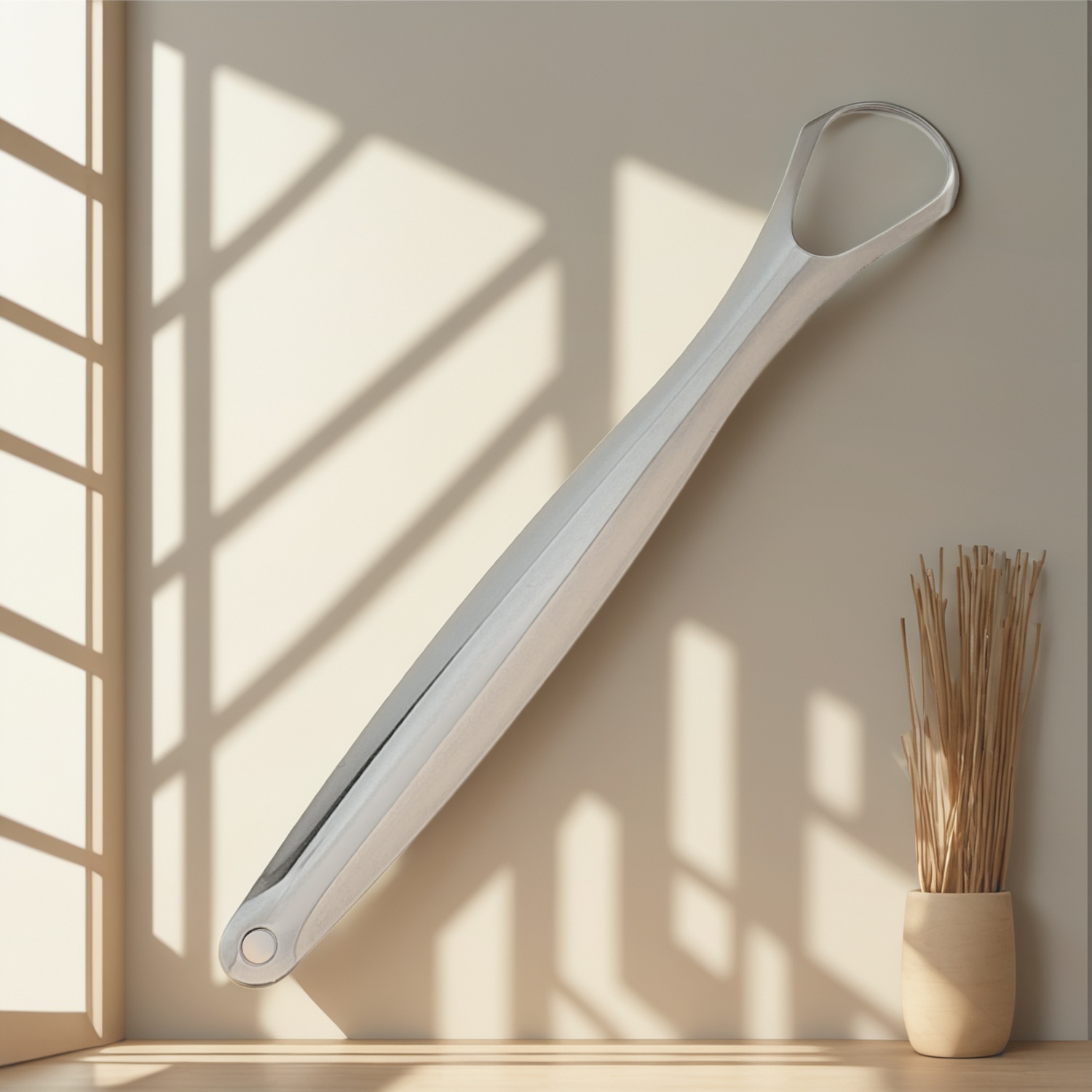
Olimor Beauty supports businesses looking for personal care tools that are practical, well finished and suitable for professional or retail use. The stainless steel shoehorn shown below is a good example of the category: simple in function, refined in appearance and dependent on careful manufacturing details. For buyers, the goal is not only to find an attractive item, but to understand whether the supplier can consistently deliver tools that fit the intended user, sales channel and brand positioning.
Why OEM Personal Care Tools Need More Than a Catalog Match
It is easy to compare personal care tools by appearance alone. Many items look similar in product photos, especially when they are made from polished metal or have a minimal shape. In practice, the differences become clear when the product is held, used, cleaned, packaged and sold repeatedly. Weight, edge finishing, surface consistency and overall feel can separate a disposable-feeling accessory from one that reflects a professional brand.
OEM sourcing also involves brand fit. A spa may need accessories that feel calm, hygienic and durable for daily use. A retailer may care more about shelf presentation, packaging structure and customer unboxing. A hotel, wellness center or gift supplier may need a design that is easy to store, simple to clean and neutral enough to suit different interiors. Because of these different use cases, a capable supplier should help buyers think beyond one product image and evaluate the whole product experience.
For companies reviewing beauty tool products, the most useful starting point is a clear brief: target customer, retail or service environment, expected use frequency, preferred material direction, packaging requirements and any branding needs. The clearer the brief, the easier it is to choose a product that does not create avoidable compromises later.
What to Check When Sourcing Stainless Steel Personal Care Accessories
The original product example focuses on a sleek stainless steel shoehorn, and stainless steel is often chosen for personal care and wellness accessories because it can offer a clean appearance, a smooth touch and good structural strength when manufactured properly. However, buyers should not treat the phrase “stainless steel” as the only quality indicator. Manufacturing quality depends on several visible and functional details.
- Edge smoothness: A personal care tool should not have sharp or rough edges where the user’s hand, foot or skin may contact the item.
- Surface finish: A polished surface should look consistent across batches, without obvious scratches, dull patches or uneven finishing.
- Shape accuracy: The curve, handle area and working end should match the intended function and remain consistent from sample to bulk production.
- Comfort in hand: Even a simple tool benefits from an ergonomic feel. The user should be able to hold and control it without awkward pressure points.
- Cleaning practicality: Tools used in spas, hotels or wellness spaces should be easy to wipe and store, with no unnecessary crevices that collect residue.
- Packaging protection: Metal tools can rub against packaging or other units during shipping, so protective packing should prevent avoidable surface damage.
A stainless steel shoehorn may appear to be a basic accessory, but these checkpoints matter. If the edge is not finished well, it feels cheap and may be uncomfortable. If the polish is inconsistent, the product may not meet retail expectations. If the handle is too thin or awkward, daily use becomes less pleasant. These are the details that affect reviews, returns and long-term brand trust.
Matching the Tool to the Sales Channel
Different businesses buy OEM personal care tools for different reasons. A product that works well for one channel may not be ideal for another. Before confirming a design, buyers should define where the tool will be used, who will handle it and how it will be presented.
| Buyer type | Main concern | Useful sourcing focus |
|---|---|---|
| Spa or wellness center | Daily function and hygiene | Smooth finish, easy cleaning, durable feel and neutral appearance |
| Retail brand | Shelf appeal and perceived value | Consistent polishing, attractive packaging and clear product positioning |
| Hotel or hospitality buyer | Guest convenience and storage | Practical size, simple maintenance and reliable batch consistency |
| Gift or promotional supplier | Brand presentation | Packaging options, logo placement planning and balanced cost-quality decisions |
For spa personal care tools wholesale purchasing, durability and appearance both matter. Guests may only use the item briefly, but the tool still contributes to the overall environment. A polished stainless steel accessory can look appropriate in a clean, premium setting, while also being practical for repeated use. For retail buyers, the same tool must communicate value before the customer even touches it, so packaging and display compatibility become more important.
OEM Decisions: Design, Branding and Packaging
OEM projects require decisions that go beyond selecting a finished item. Even when the tool design is straightforward, buyers should think carefully about how it will represent the brand. Personal care accessories are usually handled at close range, so small design and packaging choices are noticeable.
- Define the user experience. Decide whether the product should feel minimal, professional, giftable, spa-oriented or everyday practical.
- Confirm the design details. Review shape, handle comfort, edge finishing, surface appearance and whether the item suits the intended setting.
- Plan branding carefully. If branding is required, consider placement, visibility and whether it improves the product or makes it look crowded.
- Choose suitable packaging. Packaging should protect the surface, support the sales channel and avoid making a simple tool feel overpacked.
- Review samples under real conditions. Handle the sample, clean it, place it in its intended environment and check whether it still feels right after repeated use.
Buyers exploring broader product collections can also consider how a shoehorn or similar accessory fits alongside other grooming and beauty tools. A consistent material direction, finish style or packaging language can help a collection feel more coherent without inventing unnecessary features.
Quality Control Questions for an OEM Personal Care Tools Supplier
Quality assurance is especially important for personal care tools because the customer interacts with the product directly. Olimor Beauty emphasizes internal quality control through production, including attention from raw material review through final packaging. For buyers, the most productive approach is to establish clear inspection expectations before bulk production begins.
A useful quality discussion may include the following points:
- What sample standard will be used as the approved reference for bulk production?
- Which visual issues are acceptable and which are not, especially for polished surfaces?
- How will edge smoothness and functional shape be checked?
- How will products be packed to reduce scratching during transport?
- What should be inspected before final packaging?
- How will any nonconforming units be handled before shipment?
These questions are practical, not theoretical. A polished metal tool can look excellent in one sample but vary in a larger run if standards are not clearly defined. Setting expectations early helps the supplier and buyer work from the same reference point. It also reduces the risk of receiving products that technically match the order but fail to meet the brand’s visible quality requirements.
Why Many Brands Look to a Personal Care Tools Manufacturer in Asia
Many global buyers search for a personal care tools manufacturer Asia because the region has extensive manufacturing networks for beauty, grooming and wellness accessories. The advantage is not simply access to products; it is the ability to coordinate material sourcing, finishing, packaging and export-oriented production in one supply chain. For OEM buyers, this can make the development process more efficient when communication is clear and product expectations are realistic.
Still, supplier selection should be based on capability rather than location alone. A good partner should understand the intended product use, communicate clearly about feasible options and pay attention to repeatable manufacturing details. For a stainless steel shoehorn or similar accessory, consistency is often more important than complexity. The design may be simple, but it must be made cleanly, packed correctly and delivered in a condition that supports the buyer’s brand promise.
Building a Better Sourcing Brief Before You Order
A strong sourcing brief saves time and improves the quality of supplier feedback. Before moving into pricing or production discussion, prepare the information that directly affects product choice. Include your sales channel, target customer, expected order purpose, preferred appearance, packaging needs and any branding requirements. If the item will be used in a spa or hotel environment, explain how frequently it may be handled and cleaned. If it is for retail, include shelf presentation and packaging constraints.
When you are ready to compare options or develop an OEM personal care tool, you can send an inquiry with your project details. For questions about product direction, packaging considerations or sourcing suitability, you may also contact Olimor. The most successful OEM projects usually begin with a clear understanding of the product’s real use, not just its appearance.
Personal care tools do not need to be complicated to be valuable. A well-made stainless steel shoehorn shows how a simple accessory can support a brand’s professional image when the design, finish, usability and packaging are handled with care. For spas, retailers, wellness businesses and hospitality buyers, working with the right OEM personal care tools supplier helps turn practical everyday items into reliable brand touchpoints.
Tag: