

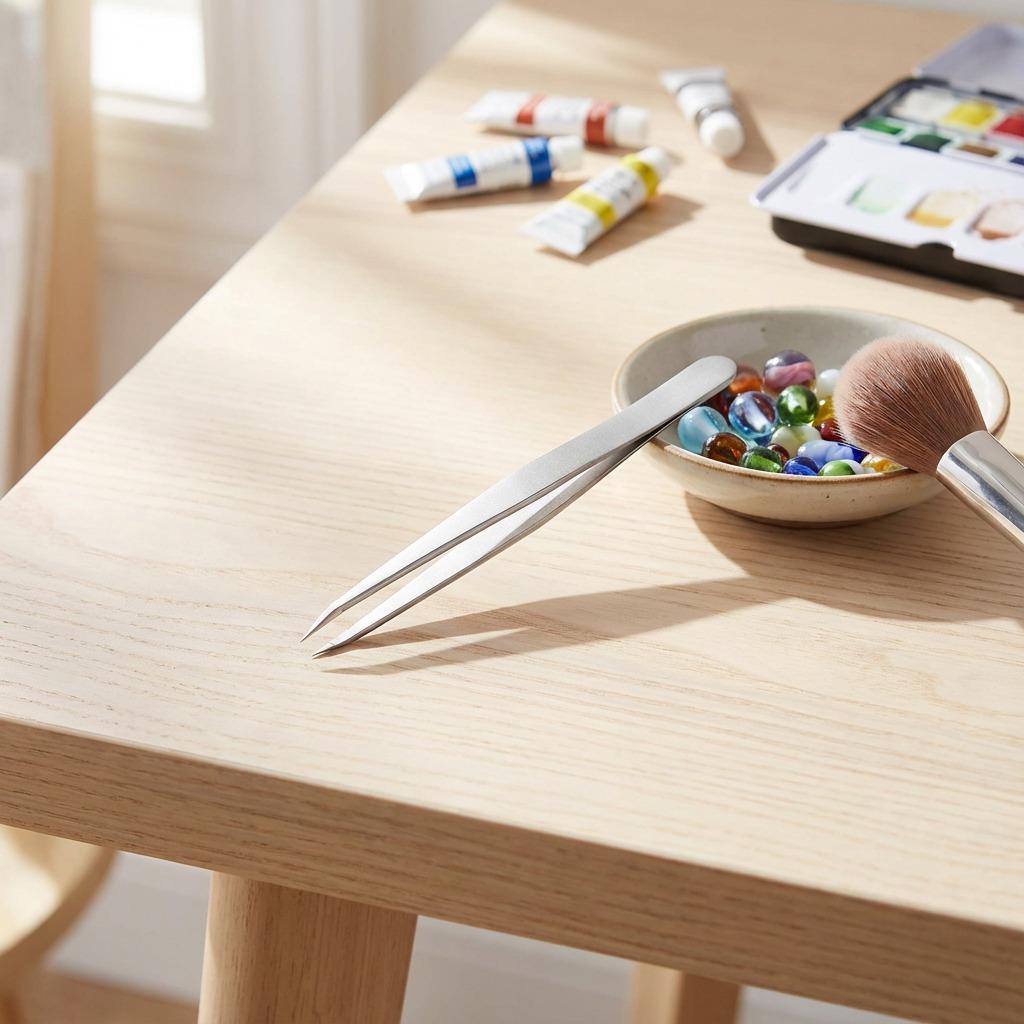
OEM Custom Tweezers for Beauty Brands: Practical Design and Sourcing Guide
OEM custom tweezers are small products, but they carry a high expectation of precision. A tweezer that looks attractive but fails to grip fine hair cleanly will quickly disappoint salon users, brow artists and retail customers. For beauty brands, gift-set developers and distributors, the goal is not simply to add a logo to a standard tool. The better approach is to define the user, the grooming task and the quality details that make the tweezer feel dependable from the first use.
Olimor Beauty works with beauty tools where accuracy, appearance and consistency matter. When planning personalized tweezers, buyers should consider tip geometry, handle feel, finish, inspection standards and packaging compatibility together. This guide explains the main decisions behind OEM custom tweezers so you can prepare a clearer brief, compare samples more effectively and build a tool that fits your product line.
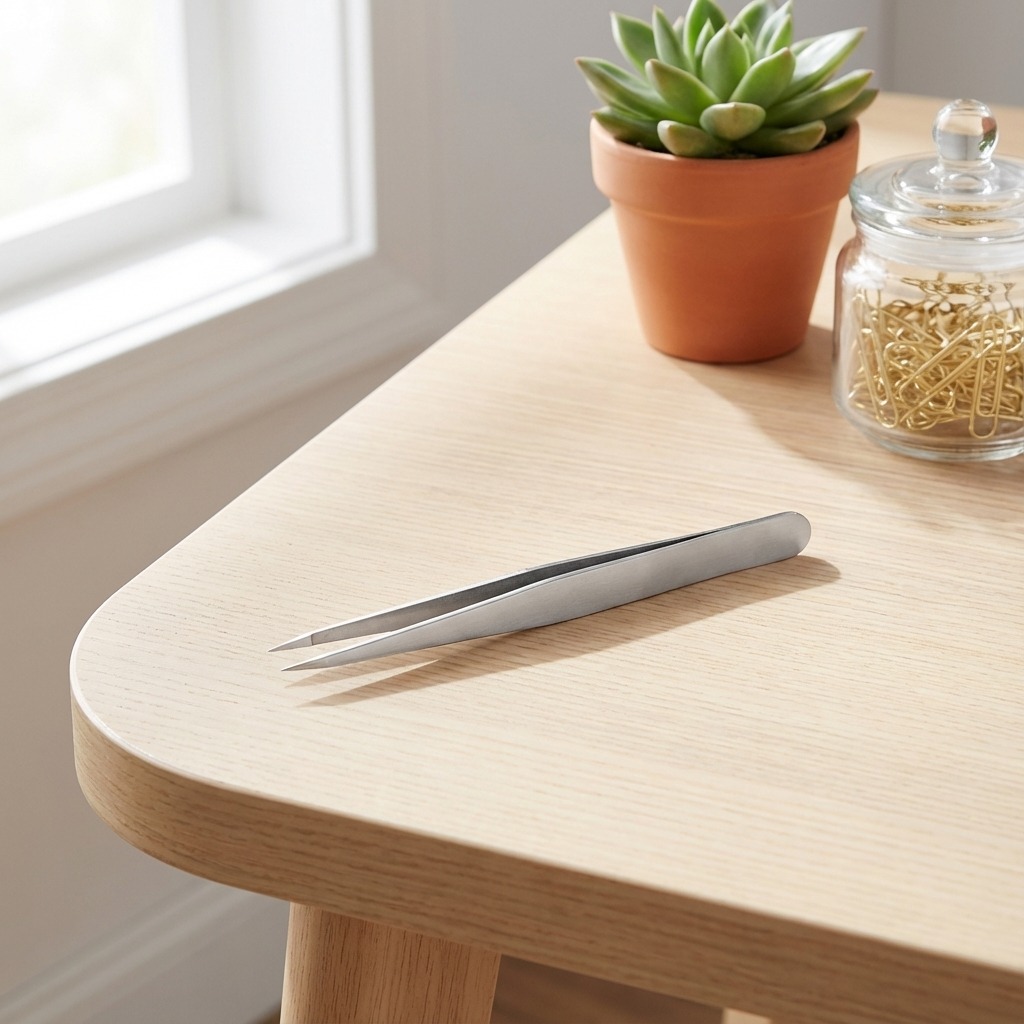
Start With the Intended User and Grooming Task
Before choosing color or logo placement, define how the tweezers will be used. A brow artist working under salon lighting may need a different grip feel from a consumer who keeps tweezers in a travel pouch. A retail brow kit may prioritize broad usability, while a professional grooming line may focus on refined tip alignment and hand control.
Useful planning questions include:
- Primary application: eyebrow shaping, fine facial hair removal, splinter removal for personal care kits, lash or brow accessory handling, or general cosmetic use.
- Target user: salon professionals, beauty retailers, travel kit users, beginners, or private-label customers looking for a polished everyday tool.
- Use environment: bathroom counter, salon workstation, cosmetic bag, spa retail shelf, or promotional beauty set.
- Brand position: minimalist, professional, colorful, luxury giftable, eco-conscious, or practical mass-market.
These answers influence nearly every design choice. For example, a compact tweezer may be convenient for on-the-go use, but a longer handle can feel more controlled during detailed brow shaping. A pointed tip can help with very fine hairs, while a slanted tip is often easier for general eyebrow maintenance. The best OEM project begins with a clear user scenario rather than a generic product photo.
Tip Shape and Alignment: The Core of Tweezer Performance
The most important part of custom tweezers is the tip. Cosmetic appearance can attract a buyer, but tip performance determines whether the product earns repeat use. The two arms should meet evenly, apply stable pressure and grip hair without slipping or cutting it. For beauty brands, sample evaluation should focus on how the tip behaves under real use, not only how it appears under normal light.
Common tip options include:
- Slanted tips: versatile for eyebrow shaping and general grooming. They provide a broad gripping edge and are familiar to most consumers.
- Pointed tips: suitable for precision tasks and isolating very fine hairs. They require careful handling and should be assessed for safety and consistency.
- Flat tips: useful for gripping larger or thicker hairs, though they may be less precise for detailed brow shaping.
- Pointed-slant tips: a hybrid option that can support both precision and everyday brow work, depending on the final grinding and alignment.
During development, check the full contact line at the tip. Uneven contact can cause hair to slip. Overly sharp or poorly finished edges may feel uncomfortable. If the product is intended for a salon or professional kit, repeated opening and closing should feel smooth and controlled. If it is for retail, the tool should remain intuitive for beginners who may not have a trained hand.
Handle Comfort, Tension and Control
Ergonomics are often underestimated because tweezers are lightweight and simple. However, a user notices immediately when the tension is too stiff, too loose or inconsistent. Good custom tweezers should allow controlled pressure without hand fatigue during detailed work such as brow shaping.
Handle decisions include width, length, arm curvature, surface texture and grip area. Slim designs can provide optimal control and a clean cosmetic look, while wider handles may feel more stable for some users. A smooth polished surface can look elegant, but a textured or matte area may help prevent slipping when hands are damp or lotion has recently been applied.
When reviewing OEM samples, test the tool in a realistic sequence rather than opening and closing it once. Hold it at different angles, grip short and fine hairs, and assess how the arms return after pressure. A well-balanced tweezer does not need excessive force, and the tips should meet predictably each time.
Material, Finish and Surface Appearance
The supplied product information notes stainless steel expertise and a satin finish. Stainless steel is widely used in beauty tools because it can support durability, hygiene and resistance to everyday corrosion when properly selected, processed and maintained. For OEM custom tweezers, the visible surface is also part of the product promise. It affects shelf appeal, photography, perceived cleanliness and how well the tool fits into a broader beauty collection.
Finish options may include polished, satin, matte or color-coated appearances, depending on the project requirements and supplier capabilities. A satin finish can be appealing because it reduces harsh glare and gives the tool a refined professional look. Polished surfaces can look bright and premium but may show fingerprints more easily. Colored finishes can support brand identity, but buyers should evaluate coating consistency around edges and tips.
For any finish, the tip area deserves special attention. Decorative treatments should not interfere with gripping accuracy. Edges should be clean, and any coating or surface treatment should not create uneven contact at the tip. If the tweezers will be packaged in a pouch, sleeve or kit, check whether the finish resists visible scuffing during packing and shipping simulations.
Customization Choices That Matter for Private Label Buyers
To design your own tweezers successfully, separate cosmetic customization from functional customization. Cosmetic details help the product match your brand, while functional details shape how the user experiences the tool. Both matter, but they should be controlled in the right order: first performance, then appearance, then packaging presentation.
| Customization area | What to decide | Why it matters |
|---|---|---|
| Tip design | Slanted, pointed, flat or hybrid shape | Determines accuracy, ease of use and suitable grooming tasks |
| Handle form | Length, width, curve and grip feel | Affects comfort, control and hand fatigue |
| Surface finish | Satin, polished, matte or color treatment | Influences appearance, cleaning perception and brand fit |
| Logo placement | Handle location, size and orientation | Supports private-label recognition without disrupting use |
| Packaging fit | Retail card, pouch, box or kit insert | Protects tips and improves shelf or gift presentation |
Logo application should be legible but not intrusive. On a small tool, oversized branding can look crowded. If the product is part of a set, the tweezer finish should coordinate with mirrors, scissors, lash tools or other accessories. You can explore related beauty tool products to consider how tweezers may fit within a broader assortment.
Quality Checks Before Approving Production
Quality assurance for tweezers should include both appearance and functional checks. A tweezer can pass a visual inspection yet fail during real gripping. For this reason, buyers should create a simple approval checklist before confirming production samples. The checklist does not need to be complicated, but it should be specific.
- Tip meeting test: confirm that both sides contact evenly at the intended gripping point.
- Grip test: test on fine hair or a comparable sample material to check whether the tweezer grips without slipping.
- Tension check: open and close repeatedly to confirm consistent resistance.
- Edge inspection: check that the tip is precise but not rough, jagged or uncomfortable.
- Finish review: inspect color, polish or satin consistency under good lighting.
- Logo review: confirm placement, clarity and durability expectations for the chosen marking method.
- Packaging fit: ensure the tip is protected and the tool does not move excessively inside its packaging.
For retail programs, it is also useful to compare samples from different production stages. A pre-production sample may look excellent, but the buyer should understand how consistency will be maintained across the final batch. Clear reference samples, agreed inspection points and careful packaging checks reduce surprises.
How to Brief an OEM Tweezer Project
A clear product brief helps the manufacturer understand what matters most. Instead of saying “high quality tweezers,” describe the desired use case, the user, the finish and the performance expectations. Include reference dimensions if available, but avoid copying another brand’s protected design. If you have a current sample you like, explain what you like about it: tip angle, tension, handle length, surface feel or packaging style.
A practical OEM brief may include:
- Target market and sales channel, such as salon retail, online beauty store or travel grooming kit.
- Preferred tip type and the grooming task it must support.
- Handle length, shape preference and grip requirements.
- Finish direction, such as satin stainless appearance or a specific color concept.
- Logo artwork, size expectations and preferred placement.
- Packaging format and whether the tweezers will be sold alone or inside a set.
- Inspection priorities, especially tip alignment, tension and surface finish.
If your team is still comparing directions, browsing product collections can help you think about how a tweezer design coordinates with other tools. For project discussions, you can contact Olimor or send an inquiry with your artwork, target use and packaging concept.
Maintenance Guidance to Include With Custom Tweezers
Maintenance instructions are a small detail that can improve customer satisfaction. Tweezers should be kept clean, dry and protected at the tips. Users should avoid dropping them on hard surfaces because even a minor impact can affect alignment. After use, wiping the tool with an appropriate cleaning method for the chosen finish helps maintain a hygienic appearance. If the tweezers come with a cap, sleeve or pouch, encourage users to store them there to protect the precision tip.
For brands, these instructions can be printed on packaging, inserted as a small care card or included on the product page. Clear care guidance reduces misuse and supports the perception that the product is a precision beauty tool rather than a disposable accessory.
Choosing OEM Custom Tweezers With Confidence
Personalized tweezers work best when design choices are grounded in real grooming needs. The right product balances tip precision, comfortable tension, a durable stainless steel construction approach, a suitable finish and packaging that protects the tool. For beauty brands and private-label buyers, the strongest results come from reviewing samples carefully and defining quality expectations before production begins.
Olimor Beauty supports custom beauty tool development with attention to functional detail and product presentation. Whether you are planning a single private-label tweezer or building a coordinated grooming set, a thoughtful OEM process helps create tweezers that look professional, grip reliably and fit naturally into your brand’s beauty assortment.
Tag: