


OEM Custom Tweezers for Precision Beauty Tool Programs
OEM custom tweezers are small tools, but they carry a large amount of responsibility in a beauty tool range. A customer may judge an entire brow kit, lash kit or grooming set by how accurately the tweezers grip, how comfortable they feel and whether the finish still looks clean after repeated use. For beauty brands, distributors, salon suppliers and promotional buyers, this makes tweezer development a practical sourcing decision rather than a simple accessory purchase.
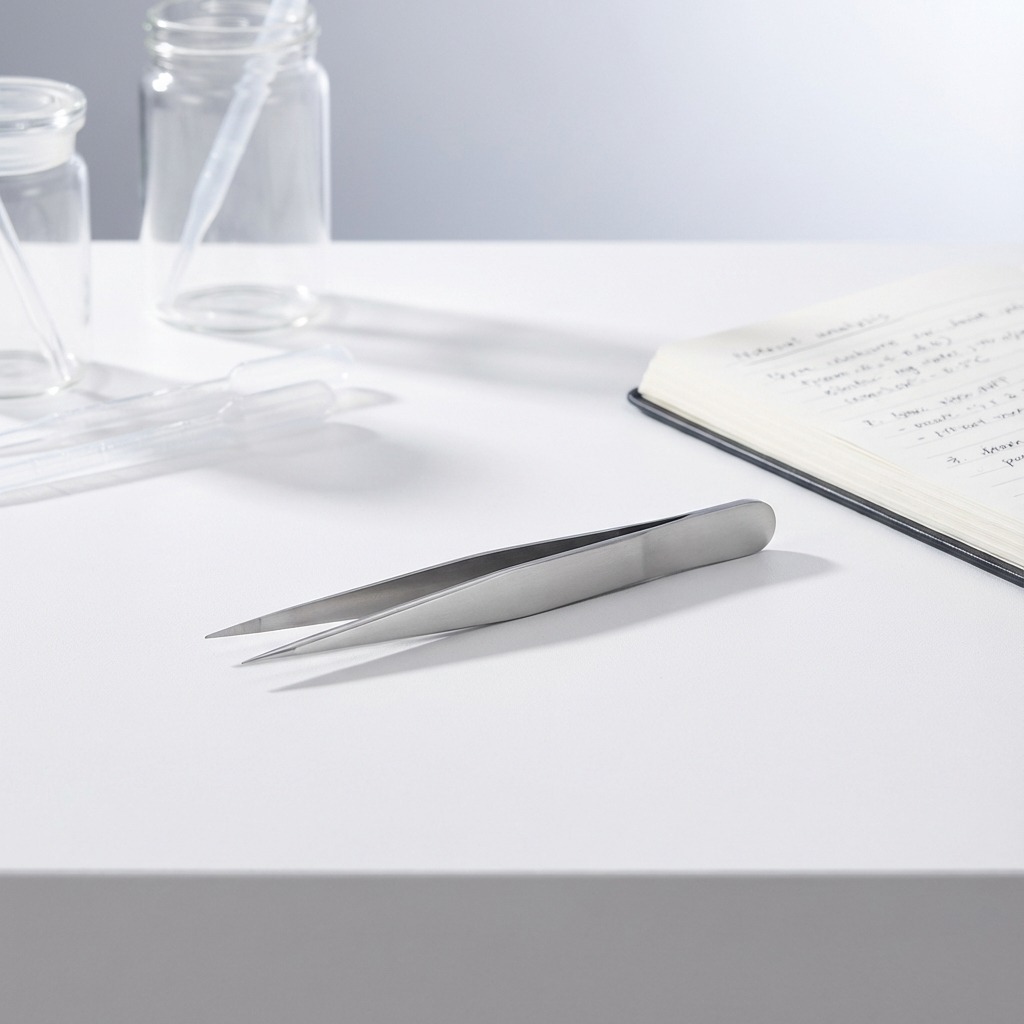
Olimor Beauty supports buyers who want to design their own tweezers for private-label or customized beauty programs. The original product concept highlights a Precision Stainless Steel Tweezers design measuring 95mm in length and 10mm in width, made from stainless steel with a minimalist, lightweight form and pointed tips for fine handling. Those details make it a useful starting point for discussing what buyers should consider before moving into OEM customization.
Why OEM Tweezers Need More Than a Logo
Many buyers begin an OEM tweezer project by thinking about logo placement, color or packaging. Those elements matter, especially for retail display and brand recognition, but the success of personalized tweezers depends first on working performance. A tweezer that looks premium but cannot grip a short hair cleanly will quickly damage customer confidence.
Good OEM planning starts with the intended use. Brow shaping, lash application, general grooming, cosmetic retail sets and hobby detail work all place different demands on the tool. Pointed tips can be useful for handling very small items or precise tasks, while other tip forms may be preferred for broader gripping or brow maintenance. Even when the outside appearance is similar, the practical feel can change according to tip alignment, tension, edge finishing, overall length and surface treatment.
The 95mm by 10mm stainless steel tweezer format mentioned for this product direction is compact enough for beauty bags and retail kits, while still offering enough body length for controlled handling. For buyers developing a line extension or replacing a low-performing generic item, this type of balanced size can help maintain everyday usability without making the tool feel bulky.
Key Decisions When You Design Your Own Tweezers
Designing your own tweezers should involve a structured review of the tool, not only a visual mockup. Before approving samples, buyers can compare several points that directly affect the end user experience.
- Primary function: Decide whether the tweezers are intended for brow shaping, lash placement, fine detail work, grooming sets or promotional beauty kits.
- Tip style: Pointed tips are suitable for precise handling and small contact areas. If your product line targets broader hair removal tasks, compare other tip profiles during sampling.
- Grip tension: The arms should close with enough resistance to feel controlled, but not so much that the user’s fingers tire quickly.
- Tip alignment: The two ends should meet cleanly. Poor alignment is one of the most common reasons customers reject tweezers.
- Body length and width: A 95mm length and 10mm width can support portable, lightweight use, but buyers should confirm the feel with real handling tests.
- Surface finish: A clean finish supports brand presentation and helps the tool look consistent in kits or retail packaging.
- Branding area: Plan logo size and placement around the shape of the tweezer so branding remains readable without affecting handling.
For a broader view of beauty tool options that can sit alongside a tweezer program, buyers can review Olimor beauty tool products and compare how tweezers may fit into complete grooming or cosmetic sets.
Stainless Steel, Lightweight Handling and Daily Use
The supplied product direction specifies stainless steel construction. For tweezers, stainless steel is widely valued because it supports a clean appearance, stable shape and everyday durability. Buyers should still evaluate the actual sample in the hand, because material alone does not guarantee precision. The way the tips are formed, finished and aligned is equally important.
A lightweight design is especially relevant for beauty use. Brow artists, salon staff and careful home users may hold tweezers for repeated short actions, where small differences in balance become noticeable. If the tweezer is too stiff, the hand works harder. If it is too soft, control may feel weak. A minimalist body can be attractive for modern packaging, but it should also provide a secure finger position.
Pointed tweezers require extra attention during evaluation. The advantage is accuracy: they can approach a small area and handle delicate tasks. The tradeoff is that users need a controlled grip and safe storage. If the product will be sold in a travel kit, brow kit or lash accessory set, packaging should protect the tips during transport and help customers avoid damage before first use.
Personalization Options That Support Brand Value
Personalized tweezers can serve several commercial goals. A beauty brand may want a cohesive private-label item for a brow collection. A distributor may need a clean, neutral design that can work across retail channels. A salon supplier may prefer a professional look that feels suitable for repeated service use. The best customization choices are those that support the target market rather than adding decoration for its own sake.
Common personalization decisions include body color, finish, logo placement, packaging format and pairing with other tools. However, buyers should avoid making the tool visually complex if it makes inspection, cleaning or handling less convenient. A simple stainless steel tweezer with precise branding can often communicate reliability better than an overdesigned finish.
Packaging is also part of the product experience. For retail, the customer needs to see the tool clearly and understand its purpose quickly. For professional or kit use, compact protective packaging may be more important than a large display card. If tweezers will be included in a set, confirm that the shape and length match the insert, pouch or tray so the tool does not shift and damage the tips.
Quality Checks Before Confirming an OEM Order
Even when a sample looks attractive, OEM tweezers should be checked through practical handling. A useful quality review does not need to be complicated, but it should be consistent. Buyers can create a simple internal checklist before approving production samples.
- Visual inspection: Check the surface for obvious scratches, stains, uneven finishing or inconsistent logo placement.
- Tip meeting point: Close the tweezers slowly and confirm that the tips meet evenly without visible offset.
- Grip test: Test the tweezers on fine hair, thread or a comparable small item to judge whether the tips hold securely.
- Tension feel: Open and close the tweezer repeatedly to assess comfort and consistency.
- Edge comfort: Hold the tool as a user would and check whether any edge feels sharp against the fingers.
- Packaging fit: Place the tweezer into the proposed sleeve, box, pouch or kit tray and check whether the tips are protected.
- Brand consistency: Compare color, finish and logo appearance with other items in the product line.
These checks help buyers focus on the details customers will notice. They also create a clearer basis for communication during sample development. If you are comparing multiple beauty tools for a coordinated range, Olimor product collections can help you think about how tweezers fit with related grooming and cosmetic accessories.
Best-Fit Use Cases for Custom Tweezers
OEM custom tweezers are suitable for several buying scenarios. In brow-focused retail, they can be sold as a standalone precision tool or included with scissors, razors, brushes or brow grooming accessories. In lash programs, pointed tweezers may help users position delicate items, although the exact design should be selected according to the intended task. In gift sets and travel kits, a compact stainless steel tweezer adds practical value without taking much space.
Professional buyers should also consider the expectations of the channel. A salon user may care most about hand comfort, accurate grip and easy identification between tools. A retail customer may respond first to packaging clarity, finish and perceived cleanliness. A promotional buyer may need a design that balances branding space with simple, reliable function. The same basic tweezer can be adapted differently depending on these priorities.
Maintenance Guidance to Share With End Users
A custom tweezer program can benefit from simple care instructions. Clear maintenance guidance reduces avoidable complaints and helps customers keep the tool working as intended. Stainless steel tweezers should be kept dry after cleaning and stored in a way that protects the tips. Users should avoid dropping pointed tweezers, as impact can affect alignment. They should also avoid using beauty tweezers for hard materials or tasks that can bend the tips.
For packaged retail products, even a short care note can improve the customer experience. Suggested instructions may include wiping the tool after use, keeping the tips covered during storage and checking alignment if performance changes. These statements are practical and do not require unsupported claims about testing or lifespan.
How to Prepare a Clear OEM Tweezer Inquiry
A focused inquiry helps move a custom tweezer project forward efficiently. Before requesting samples or quotations, prepare the main project details: intended use, target market, preferred tip style, size expectations, branding requirements, packaging concept and any reference finish you want to compare. If you are building a full kit, include the other items that will be packed with the tweezers so the dimensions and presentation can be reviewed together.
Buyers who already know they want a stainless steel, pointed, lightweight tweezer can use the 95mm by 10mm format as a reference point, then decide what needs to be customized for their channel. For direct project discussion, you can contact Olimor or send an inquiry with your planned application, branding needs and packaging direction.
OEM custom tweezers succeed when precision, comfort, appearance and packaging are developed together. By treating the tweezer as a functional beauty tool rather than a simple branded item, buyers can create personalized tweezers that feel consistent with the rest of their product range and deliver the careful handling users expect.
Tag: