

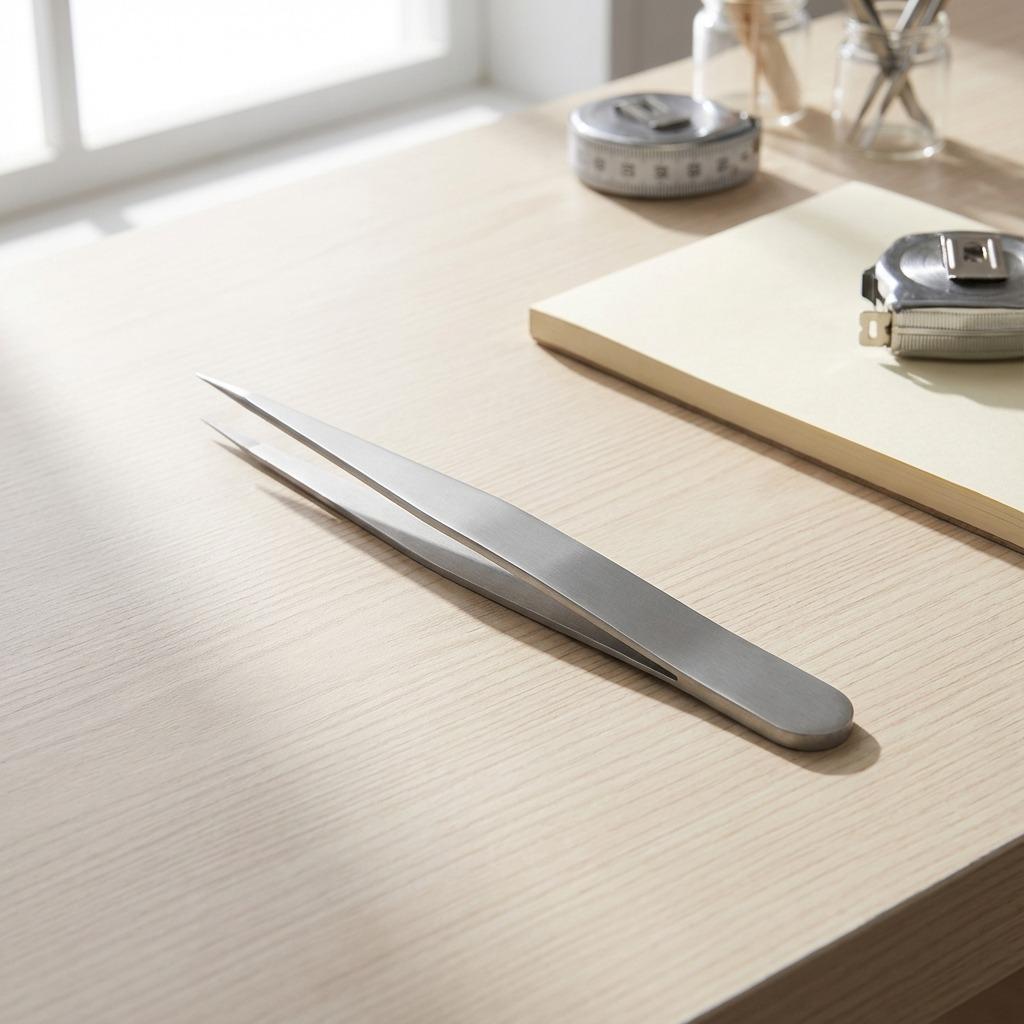
OEM Custom Tweezers for Beauty Brands: How to Specify Precision Tools
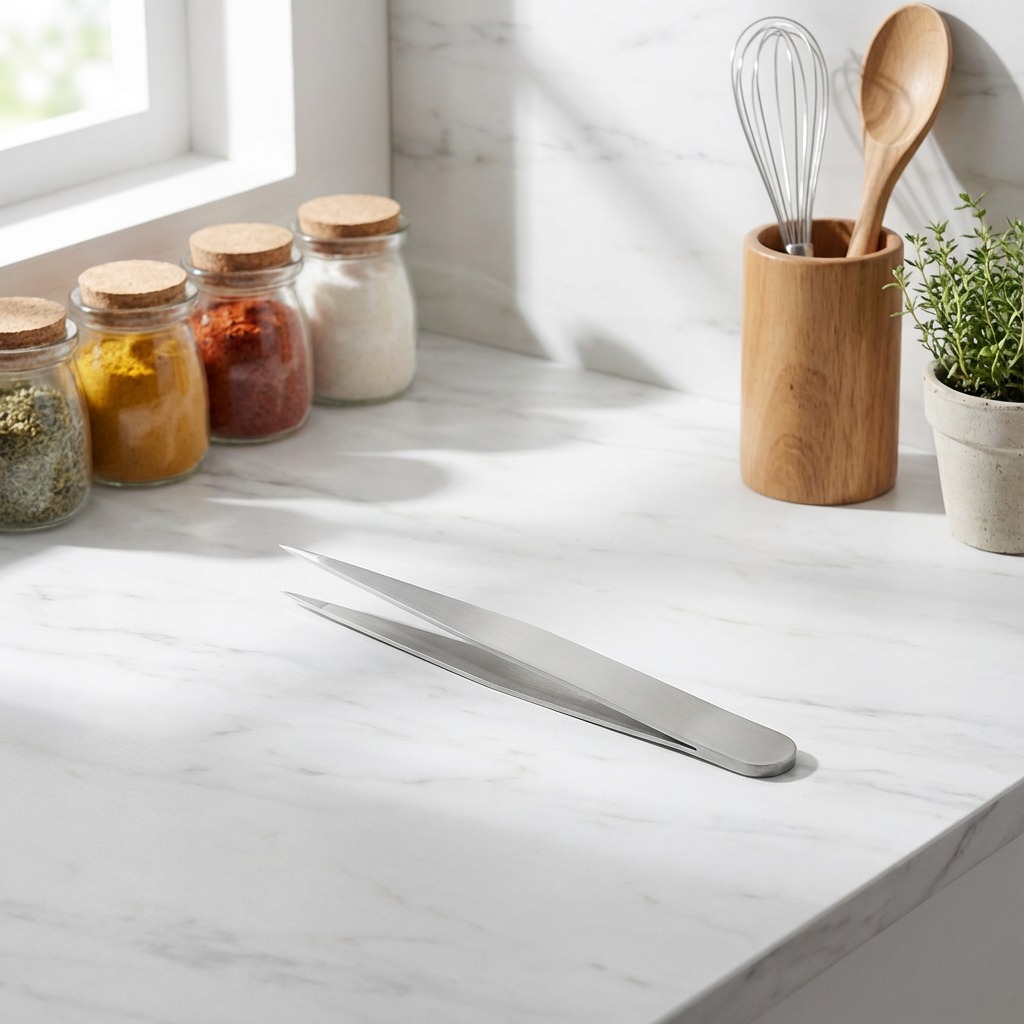
OEM custom tweezers are small products, but the buying decisions behind them affect grip comfort, tip alignment, user confidence, and brand perception. For beauty brands, salon suppliers, lash technicians, brow artists, and private label retailers, a tweezer is not just a logo item; it is a daily-use precision tool that must pick cleanly, hold consistently, and feel controlled in the hand.
Olimor Beauty supports custom tweezer development for buyers who need a tool aligned with a specific use case, market position, or packaging concept. The strongest projects start with function first, then move to tip style, material, finish, branding, packaging, and inspection. If you are comparing tools as part of a larger assortment, you can also review related beauty tools or browse a coordinated product collection before finalizing specifications.
Start with the use case before the look
The most common sourcing mistake is choosing color or logo placement before defining what the tweezer must do. A well-finished tool that does not grip correctly will disappoint users quickly. Before asking for samples, define the core task and the user environment.
- Brow shaping: usually needs clean grip on short or fine hairs, controlled tension, and a tip shape that preserves visibility.
- Eyelash extension work: often needs fine alignment, stable closure, and comfortable handling during longer sessions.
- General grooming: benefits from balanced tension, safe edges, and a shape that feels familiar to home users.
- Craft or small-object handling: may prioritize narrow tips, firm spring, and accurate placement over decorative finish.
- Retail gift sets: need a balance of attractive presentation, reliable function, and compatibility with other tools in the set.
Once the use case is clear, choices such as tip profile, body width, surface finish, and packaging become easier to evaluate. A compact profile such as roughly 95 mm by 10 mm can be a useful reference point for a slim precision tool, but the final dimensions should always match the intended application and user group.
Tip style, tension, and alignment decide performance
The working end of the tweezer is more important than the branding surface. Tip shape determines how the tool grips hairs, lashes, or small objects, while tension controls how much force is needed to close it. Tip alignment determines whether both sides meet evenly. If the tips close poorly, the user may feel slippage, need extra force, or fail to hold delicate material.
For beauty tools, buyers should not judge samples by appearance alone. Test them under normal hand pressure, on the intended task, and with repeated opening and closing. A good first impression matters, but consistent control matters more.
| Tip style | Common use | Buyer focus | Practical note |
|---|---|---|---|
| Slant tip | General eyebrow grooming and retail kits | Visibility, control, and ease of use | A good all-round choice when the buyer wants a familiar user experience |
| Point tip | Fine detail work and very precise pickup | Accuracy and careful handling | Often needs clear user guidance because the end is sharper |
| Flat tip | Gripping wider or flatter items | Stable contact and simple handling | Less common for fine brow hairs, but useful for certain salon tasks |
| Angled or specialty tip | Lash, nail, or other professional detail applications | Hand position and visibility | Best chosen with samples because small angle changes affect comfort and control |
For most beauty brands, the best tip is the one that solves the most common use case with the least learning curve. A slant tip may suit a broad retail audience, while a point or specialty tip can serve a more focused professional user group.
Materials and finish choices for beauty tweezers
The supplied product direction highlights stainless steel, and also references titanium as a development direction. Both are common starting points for precision beauty tools. Material choice affects durability, weight, perceived value, and how the tool feels in the hand. When the exact grade or treatment is not confirmed, buyers should avoid unsupported claims in retail copy and rely on sample testing and supplier documentation instead.
Stainless steel is often valued for strength and a clean professional look. Titanium may be considered when a buyer wants a different weight or premium positioning, but the final decision should still be based on the actual sample, not on appearance alone. Finish matters too. A polished surface can look premium in packaging, while a matte or textured surface may feel more secure during use.
- Polished finish: visually refined and suitable for giftable packaging, but it may show fingerprints more easily.
- Matte or brushed finish: can feel more controlled in the hand and may suit a professional tool line.
- Colored or coated finish: useful for shelf differentiation and brand identity when the production method supports it.
- Textured grip area: may improve handling, but it should remain comfortable and easy to clean.
The best finish depends on the sales channel. Home-use beauty kits, salon supplies, and travel grooming sets do not always need the same surface behavior. A very smooth finish can look elegant but feel slippery in wet or oily conditions. A more controlled surface can improve confidence during repeated use.
What to evaluate in a sample
A sample review should separate appearance from function. Ask several users to test the same tool on the intended task, then note whether the grip feels secure, whether the tips block visibility, and whether the body feels comfortable during repeated use. If the tweezer is for lash or brow work, repeated opening and closing matters as much as the first impression.
- Check whether the tips meet evenly along the intended contact area.
- Test real gripping tasks instead of judging only by the shape of the tool.
- Assess whether the tension feels too stiff, too loose, or comfortably controlled.
- Inspect edges where fingers naturally rest.
- Confirm that the surface finish still feels practical after handling.
What to customize in an OEM brief
Personalization is most useful when it supports performance and retail positioning. Not every buyer needs to customize every element. In many cases, the best plan is to choose a reliable base structure and personalize the features that matter most to the target customer.
- Dimensions: influence control, portability, and comfort. Consider hand size, kit layout, and whether the product is for professional or home use.
- Tip geometry: should match the exact task instead of being chosen by appearance alone.
- Material: affects durability, cleaning, weight, and perceived quality.
- Tension: should feel controlled without tiring the hand.
- Surface finish: shapes both brand identity and practical grip feel.
- Logo and packaging: connect the tool to the brand and must suit the small surface area available.
- Protection and inserts: tip covers, sleeves, blister packs, or boxes can help protect the working end during transport and display.
For brands building a coordinated line, it helps to keep colors, packaging materials, and naming consistent across products. That is one reason buyers often compare tweezers with other items in the same beauty tool range before approving artwork or pack formats. Consistency can improve retail presentation without requiring exaggerated product claims.
Inspection, packaging, and documentation
Inspection should focus on the features that affect user satisfaction most directly. A good-looking tool that arrives with uneven tips, rough edges, or weak tension can damage confidence in the whole range. Before shipment, buyers should confirm the appearance, function, and packaging details together.
- Tip contact: verify that the tips meet in a way that supports the intended gripping task.
- Tension consistency: check that repeated opening and closing feels stable across samples.
- Edge finish: make sure the body feels smooth where fingers naturally hold the tool.
- Packaging protection: confirm that the working end is protected during storage and transit.
- Artwork accuracy: review logo placement, spelling, and orientation before production approval.
For market access, buyers may also ask for material declarations or compliance documents relevant to bodies such as the U.S. Consumer Product Safety Commission or EU REACH rules, depending on the destination market. Verify the applicable version and keep supplier documentation on file; do not assume a finish or metal choice is automatically compliant.
How to compare suppliers more effectively
When evaluating an OEM partner, ask practical questions that reveal whether the supplier understands precision beauty tools. The goal is not just to source a product, but to source a repeatable process.
- Which tip styles can be produced consistently for the intended use case?
- How does the supplier check tip alignment and tension during sample approval?
- What material and finish options are available for the requested market position?
- Can the supplier support logo placement, packaging, and protective inserts?
- What kind of pre-shipment inspection is available before goods leave the factory?
- Can the supplier adapt the product for a private label set, salon line, or retail gift pack?
If you are at the sourcing stage, it can also help to send a specification request early. A clear brief usually speeds up sample alignment and reduces back-and-forth later in the project. If you want to speak through a product idea first, use the contact page to outline your use case, audience, and packaging goals.
Where Olimor fits in the process
Olimor Beauty supports buyers who need custom tweezers for brow grooming, lash work, general beauty kits, or other precision tasks. The most useful collaboration starts with the working requirement, then narrows down to the tip style, body feel, finish, branding, and packaging that fit the channel.
If you are building a private label line, the practical path is simple: define the use case, choose the tip shape, review material and finish options, test samples under real conditions, and inspect packaging before approval. That process keeps the project grounded in user experience instead of decoration alone.
For a new brief, the fastest next step is to review current product options and then request the specific configuration you need. A concise specification is usually the best starting point for a precision beauty tool.
FAQ
Can I request samples before placing a full order?
Yes, samples are important for tweezers because tip alignment, tension, and hand feel are difficult to judge from images alone. Use samples to test the actual gripping task and confirm the finish.
What can be customized besides the logo?
Common customization areas include tip style, dimensions, material direction, surface finish, packaging, protective covers, and set configuration. The best brief focuses on the features that matter most to the intended user.
How should I think about MOQ?
MOQ depends on the supplier, product structure, and customization level. Ask early if your project involves special finishes, packaging, or set assembly so you can plan realistically.
What quality checks matter most for custom tweezers?
Prioritize tip contact, tension consistency, smooth edges, logo accuracy, and packaging protection. For beauty use, the smallest alignment issue can affect how the tool feels in daily work.
How long is lead time?
Lead time varies by specification, sample approval, and packaging requirements. Confirm timing directly with the supplier after the brief is defined, especially if artwork or custom inserts are involved.
Tag: