

OEM Custom Tweezers: How to Personalize a Precision Beauty Tool
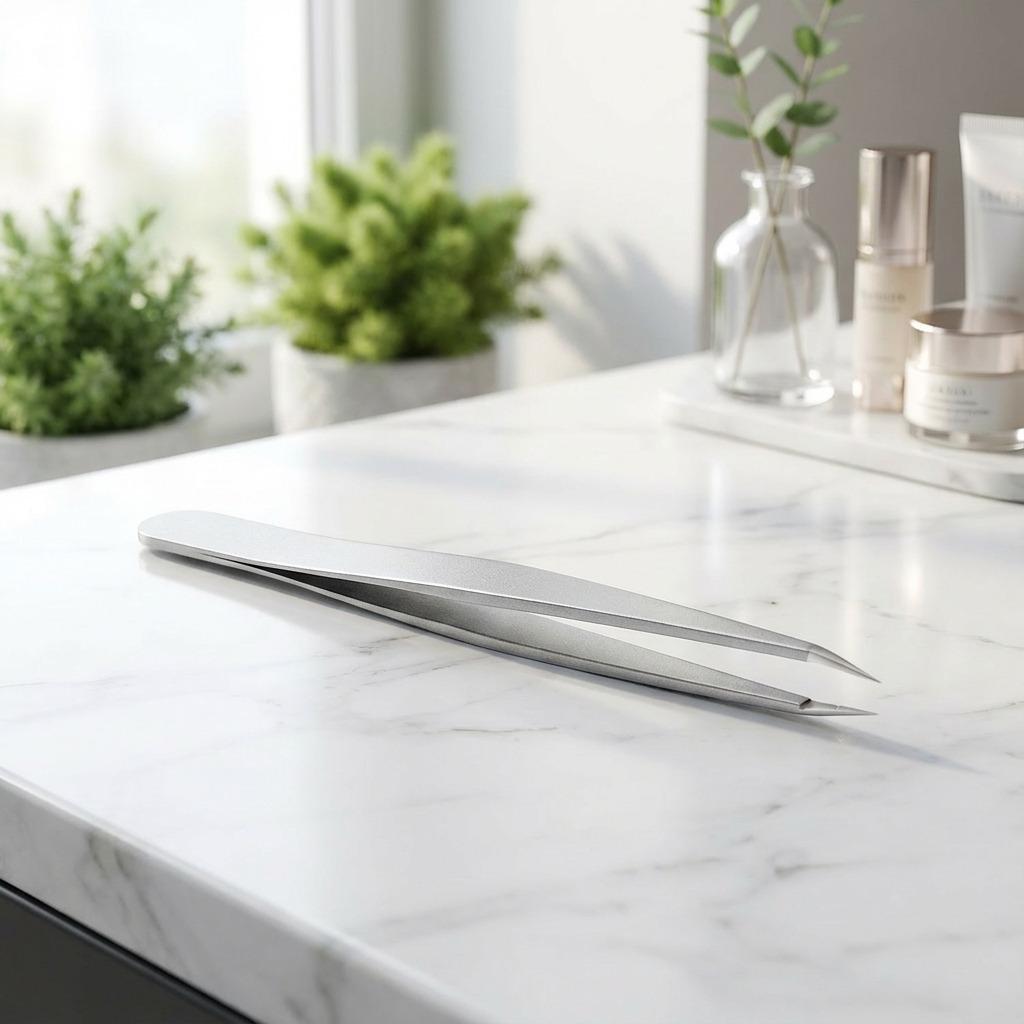
OEM custom tweezers are small tools, but they carry a large share of the user experience in a beauty kit. A good pair should pick up fine hairs cleanly, feel balanced in the hand, stay aligned through repeated use, and match the visual language of the brand selling it. For beauty brands, salons, nail artists, brow specialists, and personal care retailers, customization is not only about adding a logo. It is about choosing the right tweezer shape, tip style, finish, grip, and packaging for a clear use case.
Olimor Beauty works with customized beauty tools, including personalized tweezers designed around practical grooming needs such as eyebrow shaping, nail art handling, and delicate craftwork. The original value of OEM custom tweezers lies in precision: the buyer can define what the tool should do, how it should feel, and how it should appear in a retail or professional setting.
Who OEM Custom Tweezers Are For
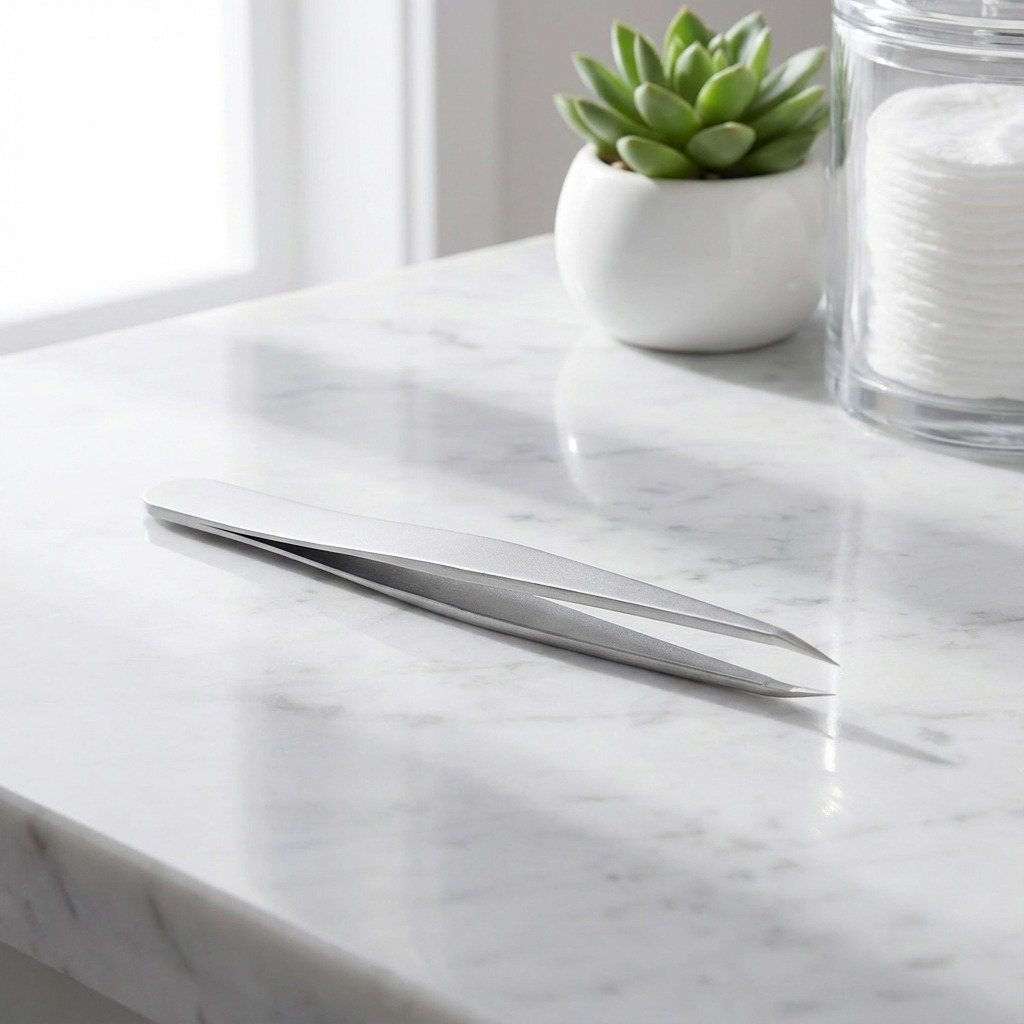
Custom tweezers are useful wherever a standard off-the-shelf tool does not fully match the market positioning or task. A brow studio may want tweezers that feel comfortable during long appointments. A cosmetics brand may need a compact tool to include in an eyebrow grooming set. A nail art supplier may prefer tips that can handle tiny decorative pieces without slipping. A gift or travel kit brand may focus on finish, color, and packaging consistency.
Before discussing artwork or packaging, define the target user. Is the tweezer intended for professional brow shaping, home grooming, lash application, nail decoration, or multi-purpose personal care? A professional user may judge the product by tip alignment, grip confidence, and fatigue reduction. A consumer retail buyer may notice ease of use, appearance, and how well the tool performs on the first attempt. These expectations should guide the custom brief.
Key Design Choices When You Design Your Own Tweezers
When buyers design their own tweezers, the most important decisions are functional. Decoration matters, but tip geometry and handling determine whether the tool earns repeat use. Olimor Beauty offers customization around practical elements such as tip styles, lengths, and finishes, allowing the product to be adapted for different grooming and beauty tasks.
- Tip style: The tip should match the main task. Fine tips are useful for delicate placement and detail work, while broader slanted tips are often preferred for general eyebrow grooming. The key is consistent contact between the two tips when pressure is applied.
- Length and body shape: A longer body can give more control for some users, while a compact format may suit travel sets or small retail kits. The body should allow a stable pinch without forcing the hand into an awkward angle.
- Finish: A finish can influence both appearance and grip perception. Matte, polished, or colored looks should be evaluated not only for branding but also for how they feel in the fingers during use.
- Grip area: Grooves, textured zones, or a carefully shaped body can help users hold the tool securely, especially when working with fine hairs or small beauty accessories.
- Branding placement: A logo should be visible without interfering with the grip area or making the tool feel uneven. For retail, the branding should also coordinate with packaging design.
Choosing a Tweezer Type by Use Case
A useful sourcing brief should connect each tweezer design to a real application. The table below gives a practical way to think through product selection without locking the buyer into unnecessary specifications too early.
| Use case | Helpful design focus | Buyer evaluation point |
|---|---|---|
| Eyebrow shaping | Comfortable body, reliable tip alignment, secure grip | Can the tool grasp fine hairs without repeated attempts? |
| Nail art handling | Precise tips and controlled spring tension | Can it pick up small decorations cleanly without crushing them? |
| Lash or detail beauty work | Fine control and smooth handling | Does the hand remain steady during delicate placement? |
| Retail grooming kit | Balanced performance, attractive finish, compact packaging | Does the product feel consistent with the price point and brand? |
| Salon or professional use | Durability, comfort, repeatable performance | Does it reduce hand strain during extended sessions? |
Material and Manufacturing Considerations
The supplied product information highlights high-grade stainless steel as the material direction for Olimor Beauty custom tweezers. Stainless steel is widely used for personal care tools because it can offer strength, a clean appearance, and practical durability when manufactured and finished correctly. For OEM buyers, the important point is not only the base material but also the complete production result: alignment, edge finishing, surface quality, spring feel, and consistency across a batch.
Precise engineering is especially important for tweezers because the two arms must meet correctly at the tip. If the tips are misaligned, too blunt, uneven, or poorly finished, the tweezer may slide off hair or small items. If the spring tension is too stiff, users may experience fatigue. If it is too loose, the tool may feel weak and uncontrolled. These are small differences, but they strongly influence customer reviews and repeat purchases.
For personalized tweezers, surface finish also deserves attention. A decorative finish should remain compatible with the intended use environment. Beauty tools may be stored in makeup bags, salon drawers, retail pouches, or bathroom cabinets. The finish should be reviewed for appearance, touch, and how it affects the grip. Buyers comparing other beauty tool products may also want to keep finish consistency across tweezers, scissors, nail tools, and grooming accessories.
Quality Checks That Matter for Custom Tweezers
Quality assurance for tweezers should focus on the areas users actually notice. Olimor Beauty describes quality assurance steps from material selection to final inspection, which is important for a product where tiny variations can change performance. A buyer’s inspection checklist should be practical and repeatable.
- Tip alignment: Close the tweezer under normal hand pressure and check whether the tips meet evenly.
- Gripping performance: Test the tool on fine hair, thin fibers, or small beauty components that represent the intended use.
- Spring tension: Open and close the tweezer several times to confirm that the resistance feels controlled, not tiring or flimsy.
- Surface finish: Look for rough edges, uneven color, scratches, stains, or areas that feel uncomfortable in the hand.
- Logo and decoration: Confirm placement, readability, orientation, and consistency with the approved artwork.
- Packaging fit: Check that the tweezer is protected, easy to remove, and presented in a way that suits the sales channel.
These checks help prevent a common OEM problem: a product that looks acceptable in a photo but fails during daily use. For beauty tools, tactile performance matters as much as visual presentation.
Branding and Packaging Decisions for Personalized Tweezers
Personalized tweezers can be sold as a single item, included in a brow set, added to a nail art kit, or used as a promotional beauty accessory. Each channel calls for a different packaging decision. A professional salon tool can use packaging that emphasizes protection and easy storage. A retail item may require stronger shelf presence and clear usage cues. A gift set may need visual coordination with other tools.
Keep the packaging brief specific. Include the tweezer’s intended position in the range, preferred color direction, logo requirements, and whether the product will be sold online, in stores, or as part of a kit. If the tweezer belongs to a wider assortment, review related product collections so the final tool does not feel visually isolated from the rest of the line.
Branding should support trust rather than distract from function. A clean logo, consistent finish, and well-fitted package can communicate professionalism. However, the core selling point remains precision. Customers will forgive simple packaging more easily than a tweezer that cannot grip properly.
How to Prepare an OEM Tweezer Brief
A clear brief saves time and improves the chance of receiving a relevant proposal. Instead of beginning with a broad request for “custom tweezers,” describe the intended user and application. Include reference photos if available, but avoid copying protected designs from other brands. The goal is to define your own product requirements.
A strong OEM brief can include the following points: target market, primary use case, preferred tweezer length, tip style, finish direction, grip preference, logo placement, packaging format, and any retail or kit requirements. If you are comparing several beauty accessories for one launch, it can be useful to group them in one project discussion so proportions, colors, and packaging can be coordinated.
For buyers still evaluating options, Olimor Beauty can be contacted through the website. You can contact Olimor for general communication or send an inquiry with project details for a more focused discussion.
Care Tips to Help Tweezers Perform Longer
Even a well-made tweezer needs proper care. Users should keep the tips clean, dry the tool after contact with moisture, and avoid dropping it on hard surfaces because impact can damage alignment. The tweezer should not be used as a screwdriver, scraper, or prying tool. For retail brands, including a short care note in the package can reduce misuse and improve customer satisfaction.
Storage also matters. A protective cap, pouch, or fitted insert helps keep the tips from bending or rubbing against other metal tools. This is especially important for fine-tip designs used in detail work. If the tweezer is part of a travel kit, the packaging should prevent the tool from moving freely during transport.
Building a Better Custom Tweezer Program
OEM custom tweezers are most successful when beauty, comfort, and manufacturing practicality are considered together. The product should look right for the brand, but it must also grip accurately, feel comfortable, and pass consistent quality checks. By defining the user, selecting the correct tip style, reviewing finish and grip choices, and planning packaging early, buyers can create personalized tweezers that serve a real purpose in the beauty market.
For beauty brands and grooming tool buyers, the best custom tweezer is not simply the most decorative option. It is the tool that matches the task, feels reliable in the hand, and supports the overall product line with consistent presentation and dependable performance.
Tag: