

OEM Custom Tweezers: How to Personalize Precision Tools for Beauty Brands
OEM custom tweezers are small products, but they carry a lot of responsibility. A pair of tweezers may be used for brow shaping, removing fine facial hairs, isolating individual hairs during professional services, or completing a personal grooming kit. If the tips do not meet cleanly, the grip feels unstable, or the surface finish wears poorly, users notice immediately. For beauty brands, salons, and grooming retailers, customization is not only about adding a logo. It is about matching the tool to the task, the hand, the packaging concept, and the expectations of the end user.
Olimor Beauty works with personalized beauty tools where precision, durable materials, and consistent inspection matter. The current interest in OEM custom tweezers comes from a practical need: buyers want tools that look distinctive while still performing reliably in daily grooming. This guide explains how to think through design options, quality considerations, and sourcing questions before developing a custom tweezer project.
Why Custom Tweezers Need More Than a Logo
Many buyers begin with branding: color, surface texture, logo placement, or retail packaging. Those decisions are important, but they should follow the functional brief. Tweezers are precision instruments. A beautiful tool that cannot grasp short or fine hairs cleanly will not support repeat purchases.
A useful OEM brief should define who will use the tweezers and for what purpose. A salon professional may need consistent control over many services in a day, while a retail customer may want an easy-to-handle tool for brow maintenance at home. A travel grooming set may prioritize compactness and safe packaging. A premium brow kit may place more emphasis on a refined finish and a balanced hand feel.
When you design your own tweezers, consider three dimensions at the same time: performance, comfort, and presentation. Performance comes from tip alignment, grip, and spring tension. Comfort is influenced by shape, weight, edge finishing, and surface texture. Presentation includes the visual finish, logo treatment, and how the tool fits into your product collection. You can explore broader categories through Olimor beauty tool products when planning a coordinated line.
Tip Shape and Use Case: Start With the Grooming Task
The tip is the most important part of a tweezer. Even subtle differences affect control, visibility, and the type of hair the tool can grip. Before discussing finishes or colors, define the intended grooming task. For brow shaping, buyers often focus on precision and clean hair removal. For general personal care, comfort and forgiving handling may be more important. For professional use, the tool should feel consistent across repeated tasks.
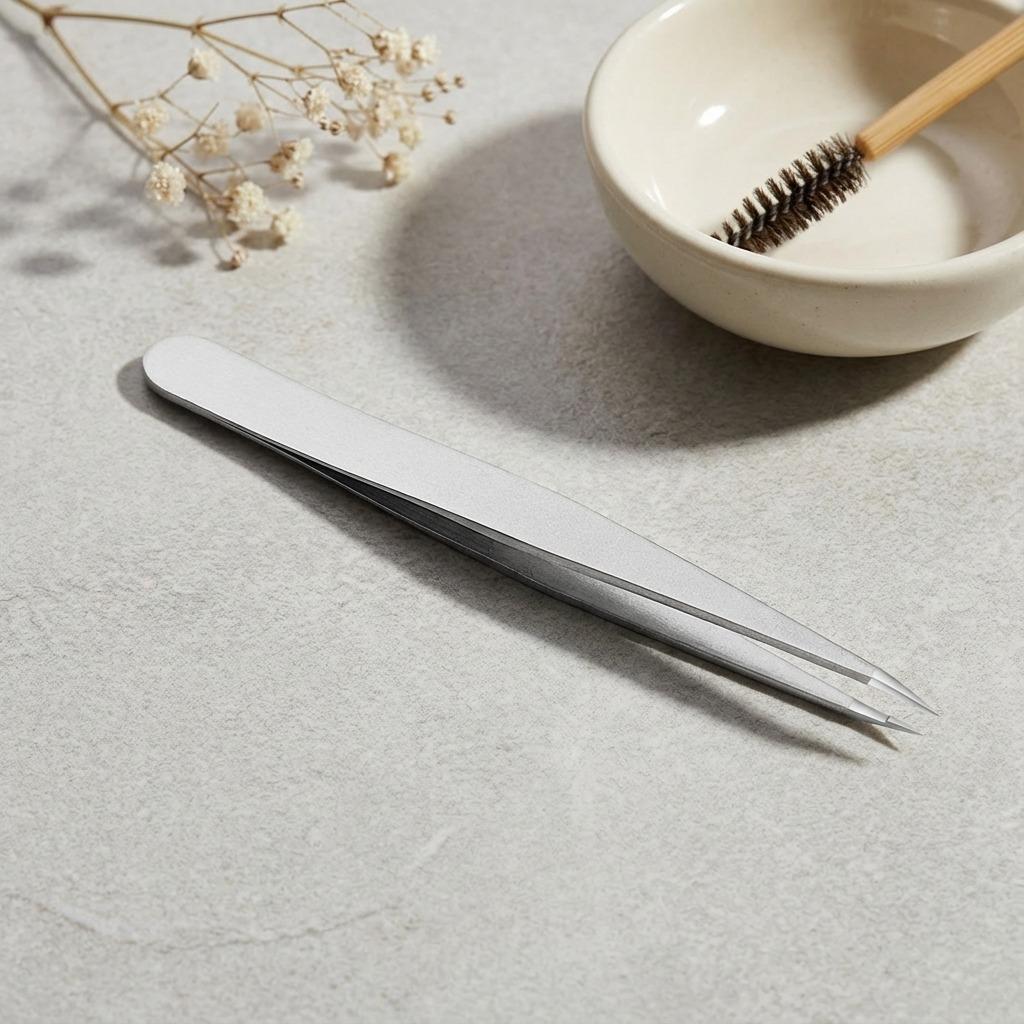
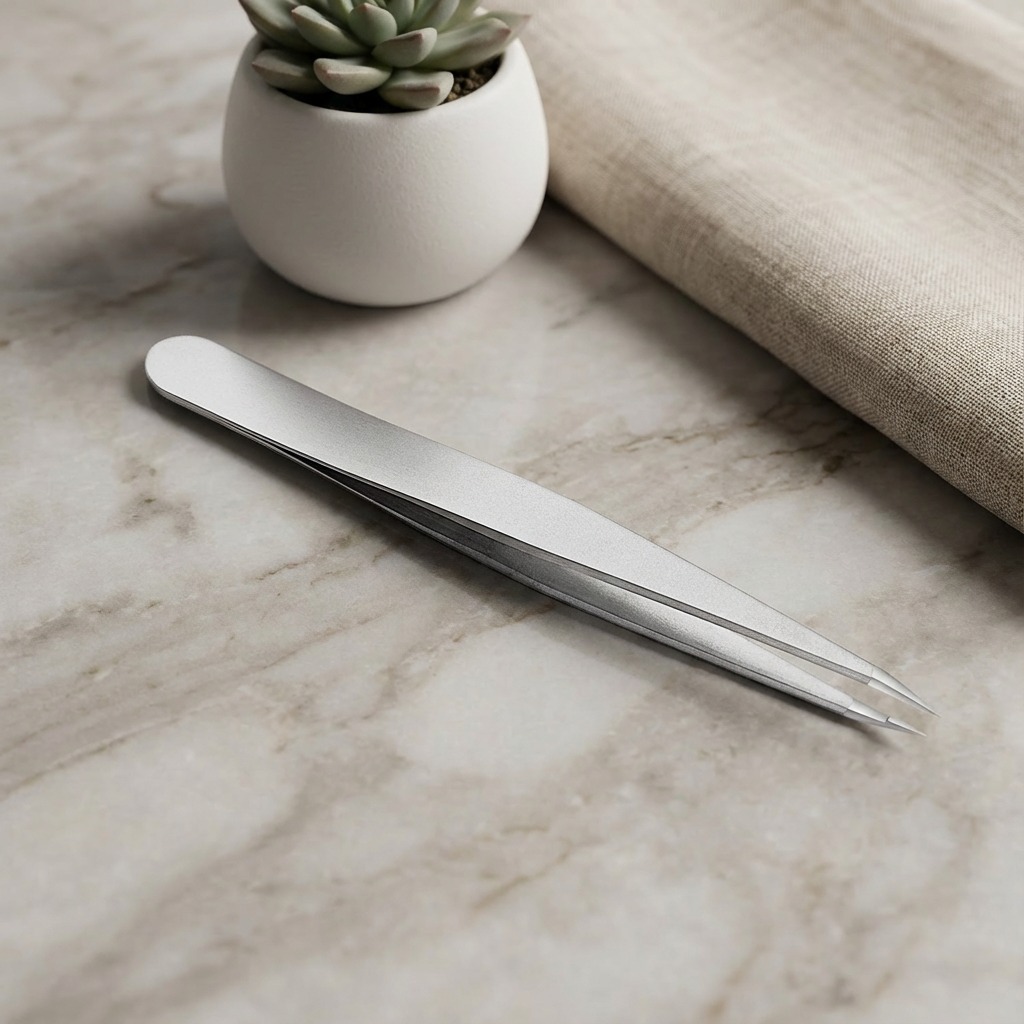
The supplied product concept mentions tapered tips as an option for flawless hair removal. Tapered tips can be useful when the user needs access to a narrow area or wants greater visibility around the hair being removed. However, the right choice depends on the customer profile and the service environment. A brand selling to beginners may prefer a tip that feels stable and easy to control, while a brow-focused brand may emphasize detailed shaping.
| Design consideration | Why it matters | Buyer notes |
|---|---|---|
| Tip alignment | Aligned tips help grip hair cleanly without repeated attempts. | Review samples for even contact at the tip and no visible gaps. |
| Tip profile | The profile affects precision, visibility, and ease of use. | Match the profile to brow shaping, fine hair removal, or general grooming. |
| Edge finishing | Overly sharp or rough edges can feel uncomfortable. | Check how the tool feels against the skin during controlled use. |
| Spring tension | Tension affects hand fatigue and control. | Compare the opening and closing feel across multiple samples. |
Material and Finish Choices for Personalized Tweezers
The original product information highlights high-grade stainless steel, durability, and resistance to rust. Stainless steel is a practical choice for grooming tools because tweezers are often stored in bathrooms, salons, makeup bags, and humid environments. For OEM development, material choice should be discussed together with cleaning habits, storage conditions, and the desired product lifespan.
Surface finish is another important decision. A matte finish was noted as an option that can resist fingerprints and create a sleek appearance. Matte textures can also make a tool feel more secure in the fingers, depending on the exact surface treatment. Polished finishes may look bright in retail packaging, while darker or muted finishes can support a more professional aesthetic. Because finish affects both appearance and hand feel, it should be evaluated with real samples rather than selected only from images.
Logo application also needs practical review. A logo should be clear enough for brand recognition but positioned where it does not interfere with grip or cleaning. For a premium retail item, the visual balance between the logo, finish, and tool silhouette matters. For a salon-focused tool, durability and readability after repeated handling may be the higher priority.
Ergonomics: Comfort During Repeated Grooming
Ergonomic design is one of the most useful areas for customization. The product information notes ergonomic designs and balanced, lightweight construction that can reduce hand fatigue. This is especially relevant for salon professionals, brow artists, and users who perform detailed grooming tasks. A tweezer that requires too much pressure can tire the hand quickly. A tool that is too slippery may lead to uneven control. A tool that feels unbalanced may make delicate work harder.
When reviewing ergonomic samples, do not judge only by appearance. Hold the tweezers in the way an actual user would hold them. Test the opening and closing motion several times. Check whether the thumb and finger naturally rest on the body of the tool. Notice whether the edges feel comfortable. If the tweezers are part of a multi-item grooming kit, compare their comfort with the other tools in the same line so the collection feels coherent.
- Grip area: The body should give users stable control without feeling bulky.
- Weight balance: Lightweight construction can help comfort, but the tool should still feel steady.
- Closing pressure: The tension should support precision without forcing the hand to work too hard.
- Surface texture: Matte or textured finishes may help reduce slipping and visible fingerprints.
- Edge comfort: Rounded or well-finished edges can improve the user experience during repeated use.
Quality Checks From Raw Material to Packaging
Quality assurance is critical because tweezers are judged by immediate performance. The product information states that Olimor Beauty applies quality checks from raw materials to final packaging and conducts thorough inspections. For buyers, the goal is to define what should be checked and how the approved sample will guide production expectations.
A practical quality plan can include material review, dimensional checks, tip alignment inspection, opening and closing feel, surface finish consistency, logo placement, and packaging condition. The most important reference is the approved sample. Once a sample is approved, it should become the benchmark for feel, appearance, and function. This helps avoid vague standards such as “good quality” and replaces them with visible, testable expectations.
Packaging should not be treated as an afterthought. Tweezers have fine tips that should arrive protected and clean. Retail packaging also influences the buyer’s first impression. If the product is part of a set, the packaging should hold the tool securely and communicate the intended use clearly. Buyers building a broader assortment can review Olimor product collections for ideas on how grooming tools may be grouped.
Building a Clear OEM Customization Brief
A strong project brief saves time and reduces sampling confusion. It does not need to contain technical drawings at the first stage, but it should describe the target customer, intended use, visual direction, and performance priorities. If you are comparing several tweezer concepts, create a simple scoring sheet for samples. This keeps decisions objective and helps internal teams align.
- Define the user: Professional salon, brow specialist, beginner, travel customer, or general retail buyer.
- Choose the primary use: Brow shaping, fine hair removal, general grooming, or kit inclusion.
- Select the tip direction: Identify whether tapered precision, general control, or another profile best fits the task.
- Decide the finish: Compare matte, polished, or other suitable surface concepts based on grip and appearance.
- Plan branding: Confirm logo size, placement, and how it fits the tool shape.
- Review packaging needs: Consider tip protection, retail display, and set compatibility.
- Approve samples carefully: Test function, comfort, finish, and packaging before moving forward.
Sourcing Questions That Help Buyers Avoid Generic Tweezers
When sourcing OEM custom tweezers, the most useful questions are specific. Instead of asking only whether customization is possible, focus on the decisions that affect the final product. What tip options are suitable for the target use? How will tip alignment be inspected? Which finish best supports the desired grip and appearance? How will the approved sample be used as a reference? What packaging approach protects the tips during transit and storage?
It is also helpful to discuss how the tweezers fit within a wider product strategy. A standalone pair may need stronger visual branding, while a set component should coordinate with scissors, nail tools, or other grooming items. Consistency across finish, tone, and packaging can make a product line feel more intentional.
If you are preparing a new private label beauty tool project, you can send an inquiry with your intended use, finish direction, branding needs, and packaging goals. For more direct discussion about a project brief, you may also contact Olimor and outline the type of personalized tweezers you want to develop.
Final Checklist Before Approving Personalized Tweezers
Before confirming an OEM custom tweezer project, review the tool from the end user’s perspective. Does it grip reliably? Is the tension comfortable? Do the tips meet cleanly? Does the finish support the brand image while remaining practical for handling? Is the logo visible without interfering with use? Is the packaging protective and appropriate for the sales channel?
Good personalized tweezers combine precision engineering with thoughtful design choices. Stainless steel construction, rust resistance, ergonomic handling, balanced lightweight feel, and careful inspection all contribute to a tool that users can trust. By starting with the grooming task and then refining material, finish, branding, and packaging, beauty brands can create OEM custom tweezers that are distinctive for the right reasons: reliable performance, comfortable control, and a clear fit for the customer’s daily routine.
Tag: