

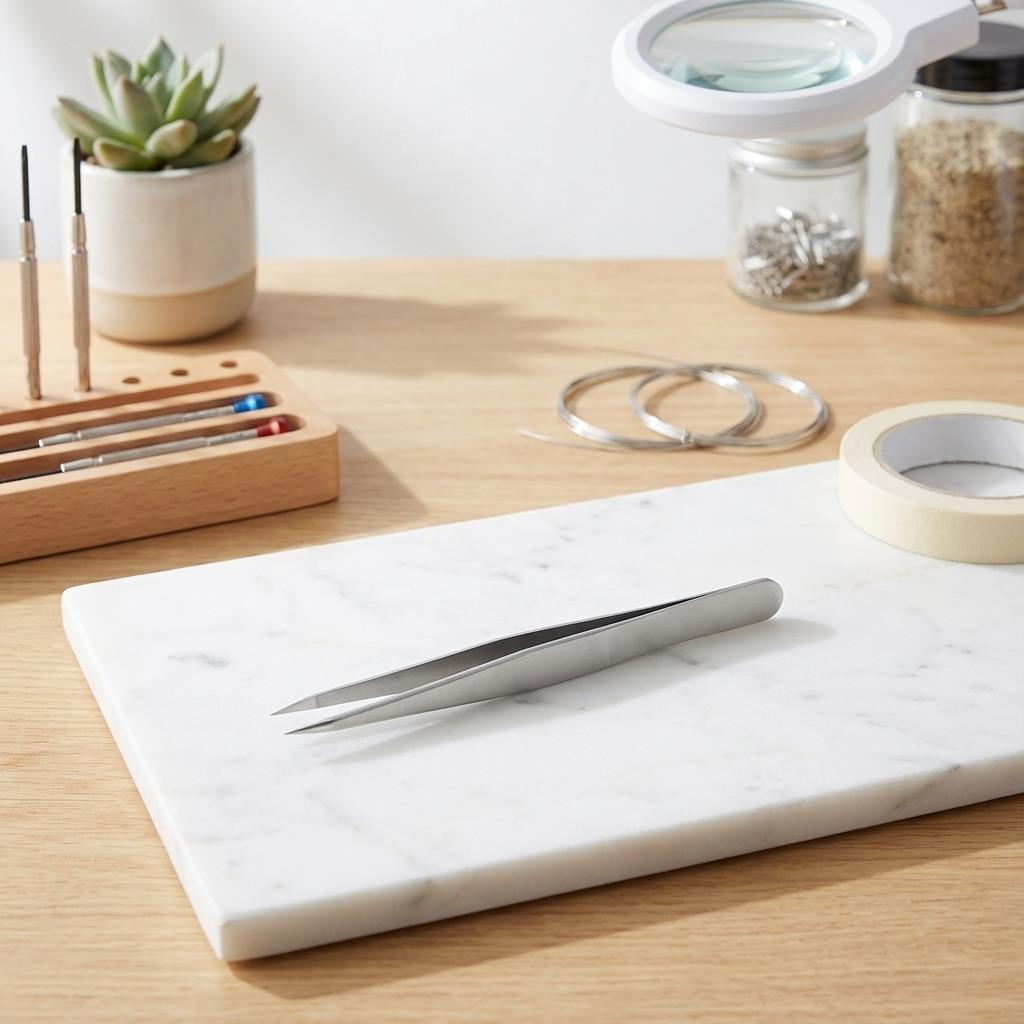
OEM Custom Tweezers: How to Specify a Precise Private-Label Tool
OEM custom tweezers are small products, but they carry a large share of the user experience in a beauty kit. A tweezer that pinches unevenly, slips in the hand or loses tip alignment quickly can make eyebrow grooming frustrating and can weaken confidence in the brand printed on the handle. For beauty brands, salons, distributors and promotional buyers, the goal is not simply to add a logo to a metal tool. The goal is to define a tweezer that feels controlled, removes fine hairs cleanly and fits the positioning of the collection it belongs to.
Olimor Beauty works with custom beauty tools for buyers who need practical OEM decisions before production begins. This guide explains how to think through personalized tweezers, from tip shape and grip comfort to surface finishing, packaging and inspection points. It is written for teams comparing options for private-label grooming tools, eyebrow kits, travel sets or salon retail products.
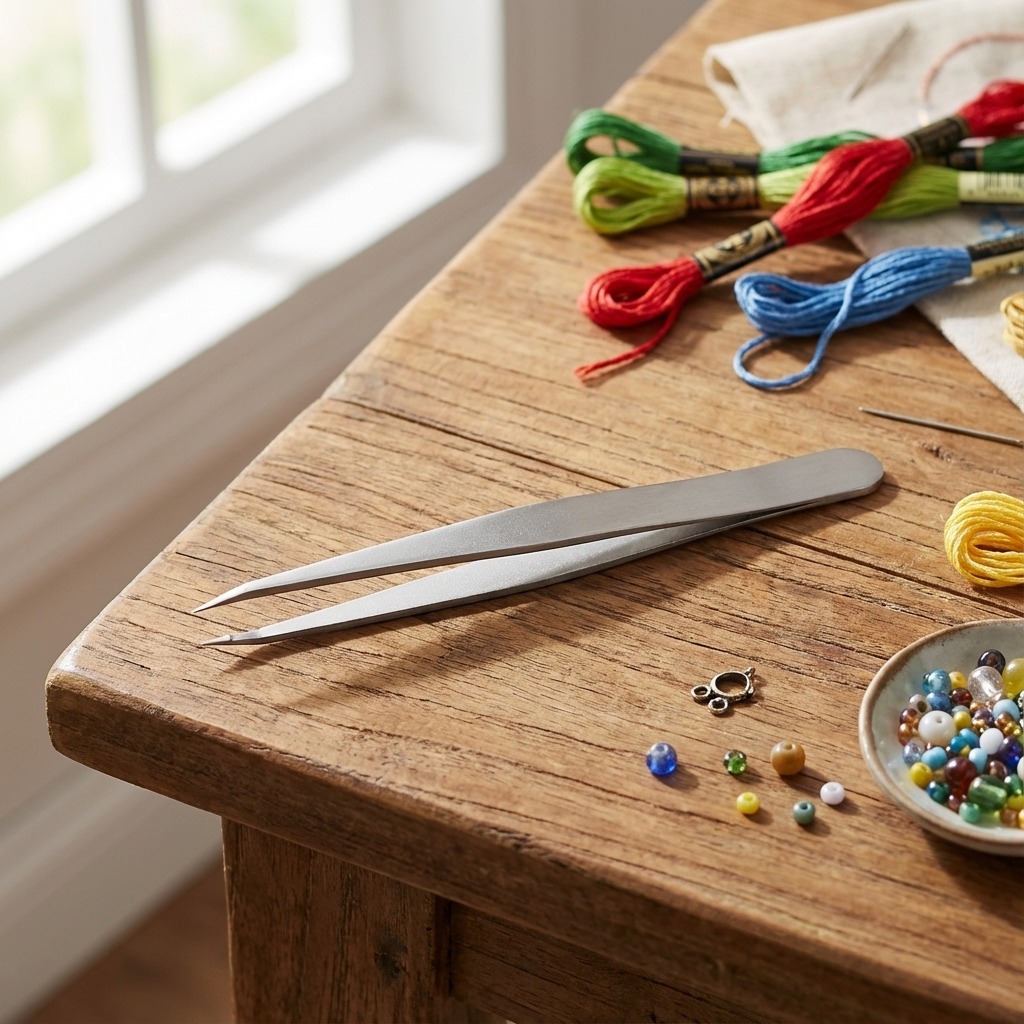
Start with the real use case, not the logo area
The most effective OEM custom tweezers begin with a clear use case. A tweezer intended for daily eyebrow shaping may need different characteristics from one included in a compact travel kit, a brow service set or a giftable grooming bundle. Before deciding on color or decoration, define how the tool will be used and what type of customer will handle it.
For eyebrow grooming, buyers usually focus on clean hair capture, precise control and comfortable pressure. For general beauty kits, durability and a balanced feel may matter more than an ultra-specialized tip. For salon or professional resale, consistency between units becomes especially important because repeat users notice even small differences in alignment and spring tension.
Useful planning questions include:
- Primary task: Will the tweezers mainly remove eyebrow hairs, fine facial hairs, splinters or serve as a multi-use grooming accessory?
- User level: Is the target customer a beginner, a brow enthusiast, a salon professional or a gift buyer?
- Sales channel: Will the product be sold individually, inside a retail kit, through salons or as part of a promotional program?
- Brand position: Should the tweezers feel minimal and clinical, colorful and personal, or premium and understated?
- Packaging format: Does the design need to fit a pouch, blister card, box insert or multi-tool set?
Answering these questions early helps narrow the design choices and avoids a common OEM mistake: choosing a visually attractive tweezer that does not match the actual grooming task.
Choosing the right tweezer tip for custom production
Tip geometry is the most important functional decision when you design your own tweezers. The tip affects how the tool meets the hair, how much visibility the user has and how forgiving the tool feels in the hand. While exact options depend on the manufacturing plan, buyers can use the following comparison as a practical starting point.
| Tip style | Best suited for | Buyer considerations |
|---|---|---|
| Slant tip | Everyday eyebrow shaping and retail beauty kits | A versatile choice that balances precision and ease of use for a broad audience. |
| Pointed tip | Very fine hairs or detailed work | Requires careful alignment and may be better for experienced users. |
| Flat tip | Gripping larger areas or general grooming tasks | Less specialized for fine brow work but useful in some kits. |
| Rounded or softened edges | Beginner-friendly grooming products | Can make handling feel less sharp while still requiring good closing contact. |
Whatever tip style is selected, the closing surfaces should meet evenly. A beautiful finish cannot compensate for tips that do not align. In an OEM project, samples should be checked for how the tips close under light pressure, whether they grip a fine hair without excessive force and whether the edges feel appropriate for the intended user.
Material, finish and grip: details that shape daily comfort
The supplied product information highlights stainless steel construction and a polished finish designed to resist rust and improve grip. For a beauty tool that may be stored in bathrooms, salon stations or travel pouches, stainless steel is a common and practical material direction because it supports cleanliness, durability and a refined surface appearance. However, buyers should still evaluate the exact feel of the sample in real use rather than relying on material choice alone.
Handle shape and surface treatment influence fatigue during repeated use. A tweezer that is too stiff can tire the fingers; one that is too flexible may feel weak or imprecise. The side edges should feel controlled without being uncomfortable, and the arms should return smoothly after pressure is released. If the tool will be used by professionals or brow technicians, comfort during repeated plucking becomes a stronger selection factor.
When reviewing personalized tweezers, consider these physical details:
- Tip contact: The tips should meet without visible gaps when light pressure is applied.
- Spring tension: The arms should close firmly enough to grip hair but not require excessive force.
- Edge finishing: The handle edges should not feel sharp against the fingers.
- Surface grip: A polished finish can look clean and professional, but the tool still needs stable handling.
- Weight balance: The tweezer should feel controlled at the tip, not heavy or awkward at the rear.
These checkpoints are especially important for brands building repeat-purchase trust. Customers may not know the technical terms for tweezer alignment or tension, but they immediately notice whether the tool works on the first try.
Branding options that support, rather than weaken, function
OEM custom tweezers often involve decoration choices such as logo placement, handle color, surface finish and packaging graphics. These elements matter because tweezers are frequently displayed in compact retail packaging or photographed for online product pages. Still, branding should never interfere with function. A logo that is placed where fingers naturally press may wear faster or change the grip feel. A decorative coating should be reviewed for smoothness, consistency and how it affects the closing action.
For private-label programs, the best approach is to define a visual system that matches the rest of the range. If the tweezers will sit beside lash tools, nail tools or facial accessories, compare finish, tone and packaging style across the full line. Buyers exploring wider assortment planning can review Olimor beauty tool products or browse product collections to think about how tweezers fit into a more complete beauty-tools offer.
Packaging should also protect the tip. A simple cap, insert or compartment can help prevent tip damage during transport and storage. This is not just a cosmetic issue: a small impact at the tip can affect alignment, which is the working heart of the tweezer.
Quality checks for OEM custom tweezers before approval
The original product direction emphasizes quality inspection from raw materials to final packaging. For buyers, that idea should become a concrete approval checklist. Tweezers are easy to underestimate because they are compact, but small inconsistencies can lead to noticeable performance differences. Inspection should include both appearance and actual gripping tests.
A practical pre-production and shipment review may include:
- Visual consistency: Check color, polish, logo clarity and surface defects under normal lighting.
- Tip alignment: Close the tweezers and confirm that the contact area meets evenly.
- Hair gripping test: Test on fine sample fibers or appropriate hair-like material to judge capture performance.
- Open-close feel: Compare multiple pieces for similar resistance and return.
- Packaging fit: Confirm that the product stays secure and the tips are protected.
- Labeling and assortment accuracy: Make sure the correct finish, quantity, barcode or customer packaging details match the order plan.
For custom orders, approved samples should be kept as a reference for production comparison. This helps align expectations between the buyer, factory and packaging team. It also reduces subjective debate later, because there is a physical standard for finish, tension and appearance.
How personalized tweezers fit retail and professional beauty programs
Personalized tweezers can serve several business purposes. In a brow-focused retail line, they can be the core tool that customers use weekly. In a larger beauty kit, they add practical value without taking much space. In salon environments, a well-made tweezer can support aftercare sales when clients want to maintain brow shape between appointments. For promotional beauty sets, customization can make a compact tool feel more intentional than a generic giveaway.
For online retail, product pages should describe the tweezer in clear user language: tip style, intended use, material direction, finish and care instructions. Avoid overpromising. Customers want to know whether the tool is suitable for eyebrow shaping, fine hair removal or general grooming. Close-up photography of the tip and handle texture is often more useful than broad lifestyle images alone.
For physical retail, packaging must communicate quickly. A shopper should be able to identify the use case and feel confident that the tool is hygienic, protected and easy to store. If the tweezers are part of a set, the role of each tool should be obvious to avoid confusion.
Care and maintenance guidance to include with the product
Clear care instructions reduce avoidable complaints and help customers get better performance from the tweezers. Even durable stainless steel tools benefit from proper handling. After use, the tips should be wiped clean and dried before storage. The tool should not be dropped onto hard surfaces because impact can affect the fine alignment of the tips. If a cap or pouch is included, customers should be encouraged to use it during travel.
Simple maintenance wording can be added to packaging inserts or product listings: keep the tips clean and dry, store with the protective cover when available, avoid using the tweezers as a prying tool and keep them away from children. These instructions are short, but they help preserve the precise closing action that makes the product useful.
Building a better OEM brief for Olimor Beauty
A strong OEM brief makes the development process more efficient. Instead of starting with only a target color and logo file, prepare information about the intended user, sales channel, preferred tip style, finish direction, packaging format and quality expectations. If you already have a benchmark sample, note what you like and what you want to improve. If you are building a new range, define how the tweezers should coordinate with other beauty tools.
Olimor Beauty can discuss custom tweezer planning with buyers who need a practical private-label solution rather than a generic accessory. To prepare your project, gather your branding files, packaging requirements, target market notes and any sample references. You can contact Olimor for general discussion or send an inquiry with your custom tweezer requirements.
OEM custom tweezers work best when beauty, comfort and precision are treated as connected decisions. The right tool should look consistent with your brand, feel comfortable in the hand and grip fine hairs reliably. By specifying the use case, tip design, finish, packaging protection and inspection criteria in advance, buyers can create personalized tweezers that earn a useful place in daily grooming routines and professional beauty assortments.
Tag: