

Nail Files Wholesale: How to Optimize Salon and Retail Inventory
Nail files are small items, but they have a large impact on service consistency, customer perception, and day-to-day stock control. For salons, spas, beauty retailers, nail studios, and personal care brands, buying nail files wholesale is not simply about lowering the unit cost. It is about maintaining a dependable supply of tools that match the way customers actually use them: for shaping, smoothing, pedicure preparation, retail self-care kits, and professional service stations.
A well-planned wholesale purchase helps prevent two common problems. The first is running out of basic tools during busy periods, which can interrupt services or force rushed substitutions. The second is overbuying unsuitable products that take up storage space but do not fit the service menu or end-user expectations. The best inventory strategy sits between those extremes: enough stock to support demand, but selected carefully enough that every item has a clear use.
Olimor Beauty serves buyers looking for dependable beauty and personal care tools, including pedicure file options for professional and retail environments. This guide explains how to evaluate nail files wholesale, where pedicure tools in bulk fit into inventory planning, and what details to check before placing repeat orders.
Why Nail Files Wholesale Requires More Than a Bulk Price
Wholesale buying is attractive because it can simplify purchasing and improve stock availability. However, the lowest price does not automatically create the best inventory outcome. A nail file that wears down too quickly, feels uncomfortable in the hand, or does not suit the intended service can create hidden costs: more frequent replacement, inconsistent results, customer complaints, and staff frustration.
For a professional buyer, the better question is not “How many can I buy?” but “Which nail files should be available for each use case?” A salon that focuses on pedicure services may need a different mix from an e-commerce retailer assembling personal care kits. A training academy may prioritize consistent handling and durability. A boutique beauty shop may care most about packaging compatibility and retail presentation.
When reviewing beauty tool products, build your shortlist around practical criteria: intended nail care service, frequency of use, cleaning and storage routine, grip comfort, durability, and whether the tool supports a consistent customer experience. These factors help turn a wholesale order into an inventory system rather than a one-time bulk purchase.
Matching Nail Files to Service and Sales Channels
Not all nail files need to serve the same purpose. A professional buyer should divide inventory by channel and usage. This avoids using a single product type for every situation and helps staff or customers select the correct tool more easily.
- Salon service stations: Choose nail files and pedicure files that are comfortable for technicians to hold during repeated use and that support consistent shaping or smoothing.
- Pedicure menus: Pedicure-focused tools should be selected with attention to durability, hygiene routines, and the level of finish expected by clients.
- Retail shelves: Products for resale should be easy for customers to understand, with a clear personal care purpose and suitable presentation.
- Home care kits: Files included in kits should balance practical performance with straightforward use, especially for customers maintaining results between appointments.
- Training or demonstration use: Consistency matters. Students and staff should be able to practice with tools that behave predictably from piece to piece.
This segmentation also makes reorder planning easier. Instead of tracking one large category called “nail files,” you can monitor which files are consumed through services, which are sold at retail, and which are allocated to promotions or kits.
Pedicure Tools in Bulk: Where the Precision Pedicure File Fits
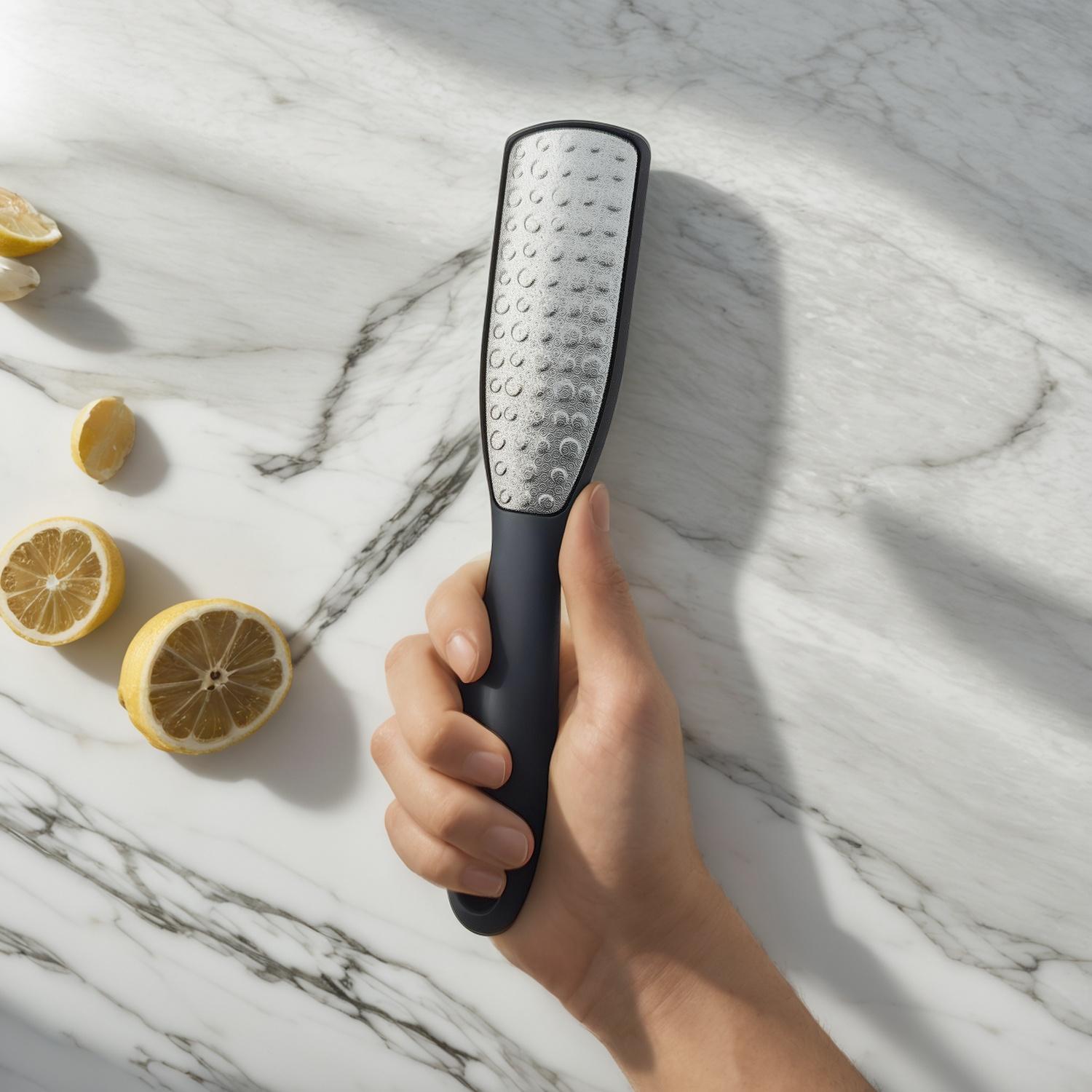
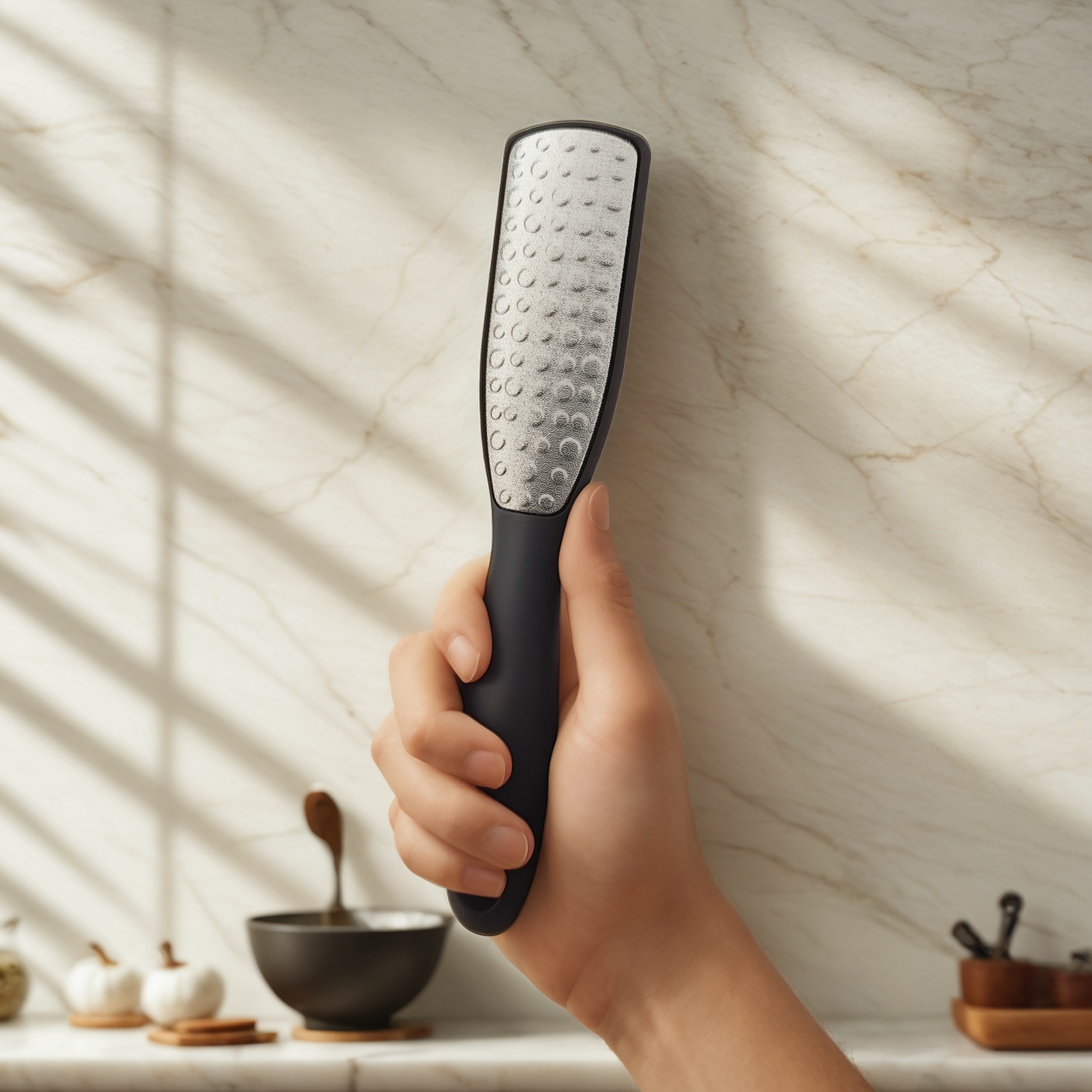
Pedicure files are especially important because they are closely tied to client comfort and the perceived quality of a foot care service. The original product focus for this topic includes the Precision Pedicure File from Olimor Beauty, described with stainless steel durability and an ergonomic design. These qualities matter for buyers because pedicure tools are handled frequently and must remain practical in a professional environment.
Stainless steel durability can be valuable where tools need to withstand repeated handling and routine care. Ergonomic design is also relevant for salons because technicians may use a pedicure file across multiple appointments in a day. A tool that is awkward to grip or control can slow service and reduce precision. When buying pedicure tools in bulk, the goal is to maintain uniformity so each station and each staff member can work with the same standard of tool.
For retailers and personal care brands, a pedicure file may also serve as a strong anchor product in a foot care or self-care assortment. Customers often understand what a pedicure file is for, so the selection process should focus on whether the tool feels dependable, is easy to explain, and fits the price and quality position of the assortment. If you are building a broader range, browse Olimor product collections to consider how nail and personal care tools can work together.
Selection Criteria for Wholesale Nail File Buyers
A clear evaluation checklist helps purchasing teams avoid inconsistent decisions. Before confirming a nail files wholesale order, compare the products against the actual needs of your business instead of relying only on catalog photos or general descriptions.
| Evaluation Point | Why It Matters | What to Check |
|---|---|---|
| Use case | Different services and retail channels need different tool qualities. | Professional service, pedicure care, home maintenance, retail kit, or training use. |
| Handling comfort | Comfort affects speed, control, and technician fatigue. | Grip shape, balance, edge feel, and ease of control during repeated use. |
| Durability | Longer-lasting tools can reduce replacement frequency and waste. | Material, construction, finish consistency, and resistance to normal handling wear. |
| Consistency | Wholesale stock should perform predictably across batches. | Uniform appearance, similar feel between pieces, and stable quality expectations. |
| Storage and hygiene routine | Tools must fit your operational workflow. | How they are stored, separated, cleaned, labeled, or assigned to service areas. |
| Retail suitability | Retail products must be easy to present and understand. | Packaging needs, product explanation, customer instructions, and display space. |
This approach is useful even when final specifications are still being confirmed. It keeps the conversation focused on buying decisions that affect real operations: what the tool is for, who will use it, how often it will be replaced, and how it supports your service or retail promise.
Planning Order Quantities Without Overstocking
Inventory optimization begins with usage patterns. A nail salon with steady appointments may need regular replenishment, while a retailer may see peaks around gift seasons, promotions, or new self-care product launches. Rather than ordering the same quantity every time, calculate stock needs from demand categories.
Start by separating baseline demand from campaign demand. Baseline demand includes the number of tools normally used or sold each week. Campaign demand includes extra quantities needed for retail bundles, new service launches, seasonal displays, influencer kits, or wholesale customer orders. Keeping these separate prevents promotional activity from draining the stock needed for routine salon work.
Next, set a reorder point. This is the stock level at which you prepare the next purchase before inventory becomes too low. The reorder point should consider average usage, the time needed to receive goods, and a small buffer for unexpected demand. Avoid making the buffer so large that slow-moving stock occupies valuable space. Nail files are compact, but poor assortment planning can still create clutter, especially when multiple file types, pedicure tools, and personal care accessories are stored together.
Finally, review performance after each order cycle. Which files are used most often? Which retail items sell slowly? Are technicians requesting a different handling style? Are customers asking for more pedicure-focused tools? These answers help refine the next wholesale order and reduce guesswork.
Quality and Sourcing Questions for Personal Care Tools Wholesale
When sourcing personal care tools wholesale, buyers should look beyond the immediate product and evaluate supplier communication, production consistency, and suitability for repeat purchasing. It is reasonable to confirm what can be documented, what can be customized, and what remains standard. Avoid assuming details such as certifications, grades, packaging formats, or minimum order quantities unless they are directly confirmed for your order.
Useful sourcing questions include:
- What nail file or pedicure file types are suitable for salon service, retail sale, or personal care kits?
- What materials and finishes are used for the tool being quoted?
- How should the product be stored and maintained in a professional environment?
- Can product presentation or packaging support the intended sales channel?
- How is consistency managed between samples and bulk orders?
- What information is available for product care, handling, or end-user instructions?
- How are lead times, shipping arrangements, and reorder communication handled?
These questions help purchasing teams make decisions without overpromising to their own customers. They are also useful for comparing different nail care tools within a broader assortment. If you are preparing a purchase plan or need product guidance, you can send an inquiry with your intended use, target quantity range, and preferred product type.
Maintenance, Storage, and Staff Workflow
Good inventory planning does not end when the products arrive. Nail files and pedicure tools should be stored in a way that protects them from unnecessary damage, confusion, or contamination. Professional environments should define how tools are separated before use, after use, and during cleaning or replacement routines. Retail environments should protect packaging and keep displays tidy so the product looks intentional rather than leftover.
For salons, assign products by service zone where possible. Pedicure files should be accessible near pedicure stations, while retail stock should remain separate from service stock. This prevents staff from accidentally using sellable inventory and helps managers track consumption accurately. If a tool is part of a paid service, staff should understand when it is appropriate to replace it and how to report low stock.
For retail and personal care brands, storage also affects presentation. Keep cartons and shelf displays away from moisture, heavy compression, or mixed stock that can damage packaging. If nail files are included in kits, create a packing checklist so each set contains the correct tool and instructions. Small errors in kit assembly can create returns or customer service issues that cost more than the item itself.
Building a More Reliable Nail Care Assortment
Nail files wholesale purchasing works best when it is connected to a clear assortment strategy. A salon may build its selection around service efficiency and technician comfort. A retailer may focus on customer education and repeat sell-through. A personal care brand may prioritize how the tool fits into a complete home care routine. In every case, the right product mix is the one that supports actual use, not just bulk availability.
The Precision Pedicure File from Olimor Beauty offers a relevant example of how a pedicure tool can be positioned for buyers who value durable construction and ergonomic handling. For businesses sourcing pedicure tools in bulk, those characteristics can support consistent service standards and a more professional presentation. For retailers, they can help communicate practical value to customers seeking reliable personal care tools.
If you are comparing nail files, pedicure files, or related personal care tools for wholesale purchasing, define your use cases first, then evaluate quality, storage, reorder planning, and retail fit. To discuss product options for your business, contact Olimor with details about your channel and intended application. A thoughtful wholesale plan can reduce stock gaps, improve service consistency, and make nail care inventory easier to manage over time.
Tag: