

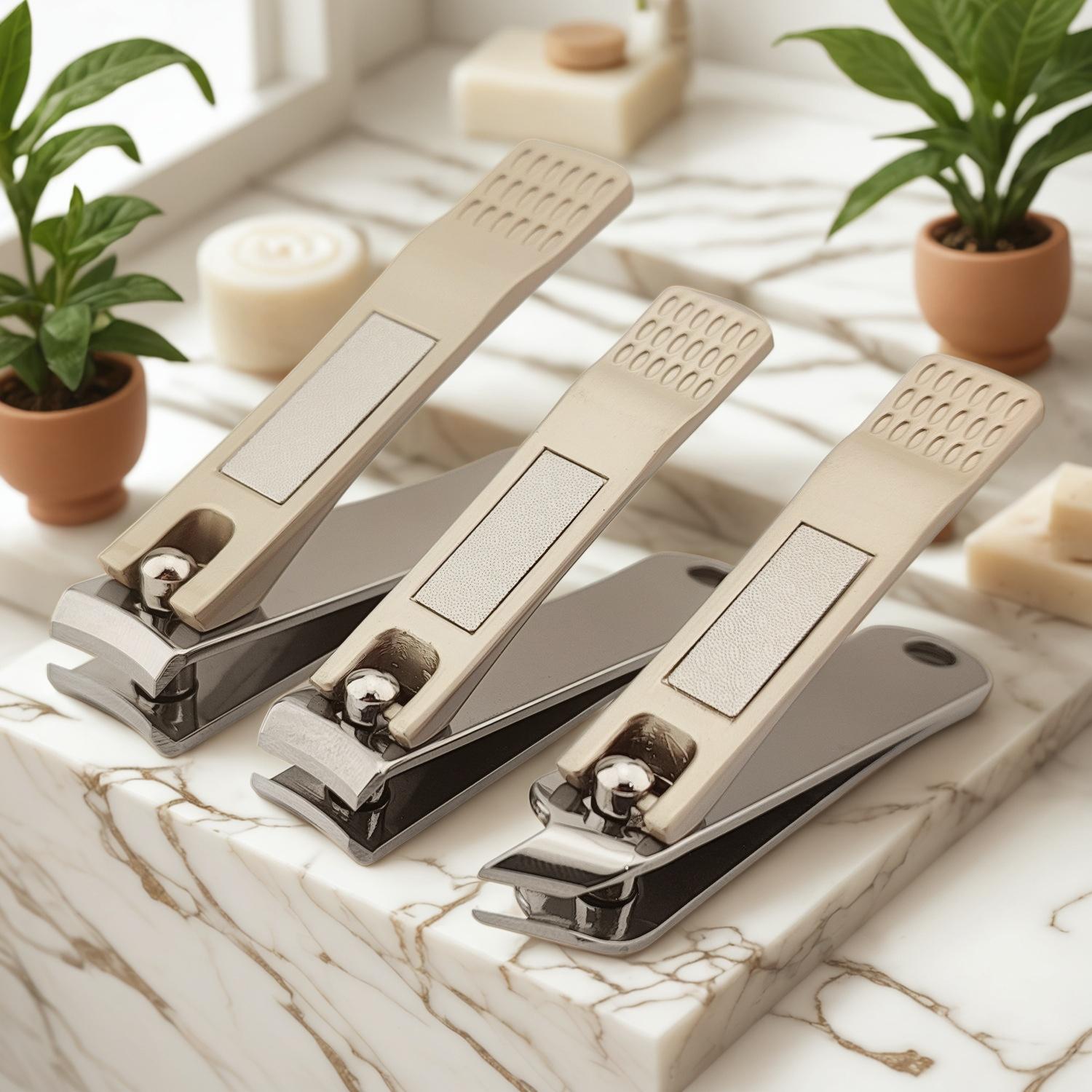
Nail Clippers Wholesale: Practical Selection Guide for Salons and Beauty Tool Buyers
For salons, nail studios, beauty retailers and distributors, sourcing nail clippers wholesale is not only about finding a low unit cost. A nail clipper is a small tool, but it is used repeatedly, often in close contact with the client, and it can influence both service quality and customer confidence. A clean cut, comfortable control and reliable material are all essential when tools are used in professional manicure and pedicure workflows.
Olimor Beauty supplies beauty tools for professional and personal grooming needs, including nail clippers designed for precision and everyday usability. The focus for wholesale buyers should be simple: choose tools that cut cleanly, feel stable in the hand, resist rust during normal care routines and arrive with consistent quality from batch to batch. This guide explains how to evaluate nail clippers for salon use, what to check before placing a wholesale order and how related tools such as cuticle nippers can support a complete professional nail care offering.
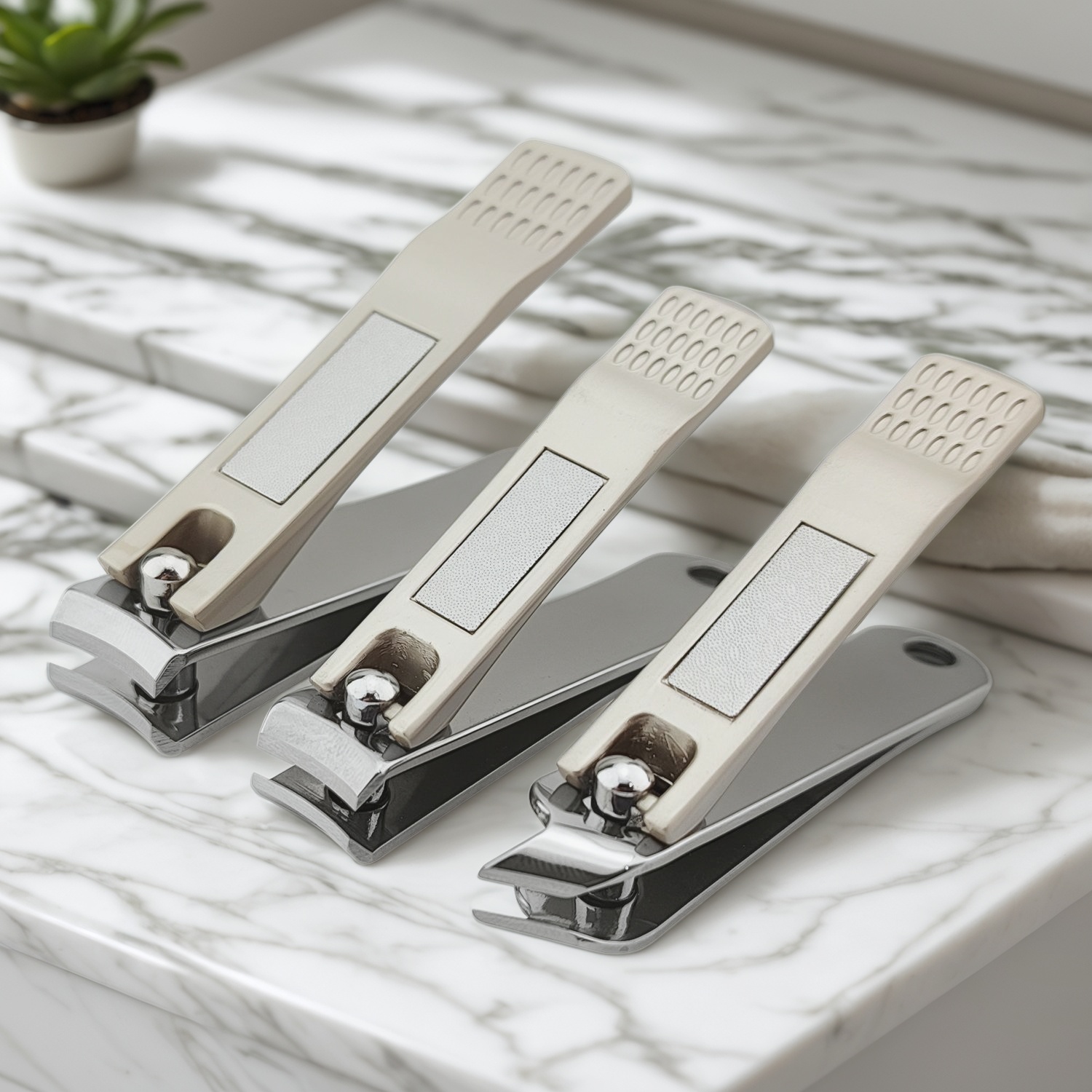
What Professional Buyers Should Expect from Wholesale Nail Clippers
Wholesale nail clippers need to serve multiple purposes. A salon may use them as part of a pedicure station, a manicure service, retail resale or a travel grooming kit. A distributor may need a dependable product that can fit different customer segments without unnecessary complexity. In all cases, the tool should perform consistently from the first use and remain easy to clean and store.
The original value of a nail clipper comes from three visible features: the metal body, the cutting edge and the handle action. Olimor Beauty nail clippers are made from stainless steel, a material valued in grooming tools because it is durable and resistant to rust when maintained correctly. The clippers use sharp, curved blades intended to make a clean cut, helping reduce rough edges and unnecessary pressure on the nail. Ergonomic handles are also important because technicians may use grooming tools for long service periods, and small comfort differences can matter over a busy workday.
When comparing wholesale options, buyers should avoid judging only by appearance. Two clippers can look similar in a catalog photo but feel very different when opened, pressed and aligned against the nail. A practical sourcing process should include physical samples, cutting tests and packaging review before scaling to larger orders.
Key Selection Criteria for Salons, Spas and Distributors
A nail clipper is a precision item. Even if the design is compact, the buyer should evaluate it with the same seriousness as other salon equipment. The following checklist can help purchasing teams, salon owners and private label buyers compare options in a structured way.
- Material: Stainless steel is preferred for professional grooming tools because it supports durability and rust resistance under normal care.
- Blade sharpness: Blades should cut cleanly without crushing, tearing or leaving excessive splitting at the nail edge.
- Blade curve: Curved blades can help follow the natural nail shape, especially for routine fingernail and toenail trimming.
- Alignment: The cutting edges should meet evenly. Uneven alignment can cause incomplete cuts and reduce user confidence.
- Handle comfort: Ergonomic handles should feel secure, not slippery or awkward, especially during repeated use.
- Spring and lever action: The opening and closing movement should be smooth enough for control but firm enough to feel stable.
- Surface finish: Edges and corners should be smooth to the touch, with no burrs that could scratch the user or damage packaging.
- Inspection consistency: Quality should be checked from raw materials through final packaging so each shipment meets the expected standard.
For buyers building a full nail care line, it is also useful to view clippers alongside cuticle nippers for salons and other hand care tools. A consistent tool set helps salons maintain a professional workspace and gives distributors a more complete sales offer. You can review Olimor’s broader beauty tool products to consider how nail clippers fit within a wider grooming category.
Why Stainless Steel and Blade Geometry Matter
Stainless steel is commonly selected for nail tools because it combines strength, clean appearance and rust resistance. For salons, this matters because tools may be cleaned frequently and stored near moisture. Rust resistance does not eliminate the need for proper care, but it does give the tool a better foundation for routine professional use.
The blade design is equally important. A sharp blade reduces the force required to trim the nail. Less force can make the process feel smoother for the technician and more comfortable for the client. Curved blades are useful because nails are naturally shaped, and a curved cutting path can support neater trimming when used correctly. For pedicure work, where nails may be thicker, buyers should pay extra attention to blade strength, edge meeting and handle leverage during sample testing.
Blade quality is not only about initial sharpness. Wholesale buyers should consider whether the cutting edge feels consistent across multiple pieces from the same sample lot. If one clipper cuts well and another feels dull, that inconsistency can become a customer service problem. This is why inspection from raw materials to final packaging is a meaningful part of supplier evaluation. It helps reduce avoidable variation before tools reach salons or retail customers.
How to Test Nail Clippers Before a Wholesale Order
Before confirming a larger wholesale purchase, create a simple sample testing routine. This does not need to be complicated, but it should be repeatable. A structured test helps the purchasing team make decisions based on performance rather than only catalog descriptions.
- Visual inspection: Check the surface finish, blade alignment, handle shape and overall consistency across all samples.
- Opening and closing test: Press each clipper several times to confirm smooth movement and stable lever action.
- Cutting test: Test on appropriate sample material or natural nail trimming conditions to assess sharpness and cut cleanliness.
- Grip evaluation: Ask more than one user to hold the clipper and comment on comfort, control and pressure needed.
- Cleaning review: Confirm that the shape is easy to wipe and dry, with no unnecessary gaps that trap residue.
- Packaging check: Review whether the clipper is protected during transport and presented suitably for the intended sales channel.
This process is especially useful for salon chains, beauty supply stores and distributors that handle repeat orders. If the same sample test is used for different suppliers, the purchasing team can compare performance more fairly. If you need to discuss product fit for your sales channel, you can contact Olimor with your sourcing requirements.
Salon Use, Hygiene and Maintenance Considerations
Even well-made nail clippers require proper care. Professional environments should follow their local hygiene rules and internal sanitation procedures. From a buying perspective, the goal is to choose tools that are easy to maintain and do not create unnecessary cleaning challenges. Stainless steel construction supports routine cleaning, while smooth surfaces and good finishing can make tools easier to wipe and dry after use.
Good maintenance habits can extend the useful life of clippers and keep services more consistent. Tools should be cleaned after use, dried thoroughly before storage and kept away from conditions that encourage corrosion. Salons should also inspect clippers regularly for dullness, loose parts or misalignment. If the blades stop cutting cleanly, the tool may pull or crush the nail, which is not acceptable in a professional service setting.
Storage also matters. Clippers should not be left loose in drawers where cutting edges can knock against other metal tools. Using trays, pouches or dedicated stations helps protect the edge and keeps work areas more organized. For salons offering multiple service types, separating tools by workstation can also reduce confusion during busy appointment schedules.
Building a Complete Nail Care Tool Range
Nail clippers are often purchased with complementary tools. Cuticle nippers for salons, for example, serve a different purpose but share similar purchasing concerns: sharpness, handle control, stainless steel quality, inspection consistency and comfort during detailed work. When buyers source clippers and nippers together, they can create a more complete manicure and pedicure tool set for professional users.
For distributors and retailers, category planning is important. A customer looking for nail clippers may also need cuticle tools, files, tweezers or other grooming accessories. Instead of treating each item as an isolated purchase, review how the range will appear in a catalog, display or online store. Consistent product positioning can make ordering easier for buyers and improve the way end customers understand the assortment.
Olimor Beauty’s product collections can help buyers consider related beauty tool categories without inventing unnecessary complexity. The best product mix depends on the target market: a salon supply buyer may prioritize durable daily-use tools, while a retail buyer may focus on compact grooming items suitable for personal care and gifting.
Working with a Beauty Tool Supplier for Long-Term Consistency
A dependable wholesale partnership depends on communication, product consistency and quality control. Olimor Beauty emphasizes technical quality and inspection steps from raw materials to final packaging. For buyers, that means supplier evaluation should include both the tool itself and the process behind the shipment.
When preparing an inquiry, include the intended sales channel, expected use case, packaging preference and any market requirements you already know. This helps avoid mismatched recommendations. For example, a clipper intended for salon stations may be evaluated differently from a clipper intended for retail display. If you are comparing nail clippers with related items such as cuticle nippers, include that range plan in the same conversation so the supplier can understand the full purchasing goal.
Before placing a wholesale order, organize your decision around performance, maintainability and repeat consistency. A good nail clipper should be simple to use, but the sourcing decision should be careful. Buyers who test samples, inspect finishing, evaluate grip and plan maintenance needs are more likely to build a reliable product line. To start a sourcing discussion, you can send an inquiry with your nail clipper wholesale requirements.
Tag: