

Nail Clippers Wholesale: How Salons Can Choose the NCB Series with Confidence
For salons, nail clippers are not occasional accessories. They are daily-use grooming tools that affect service speed, hygiene workflow, technician comfort, and the client’s first impression of a manicure or pedicure. When buying nail clippers wholesale, the goal is not simply to reduce unit cost. A better purchase decision considers how the tool feels in the hand, how consistently it trims, whether different nail types are covered, and how well inventory can be managed across multiple workstations.
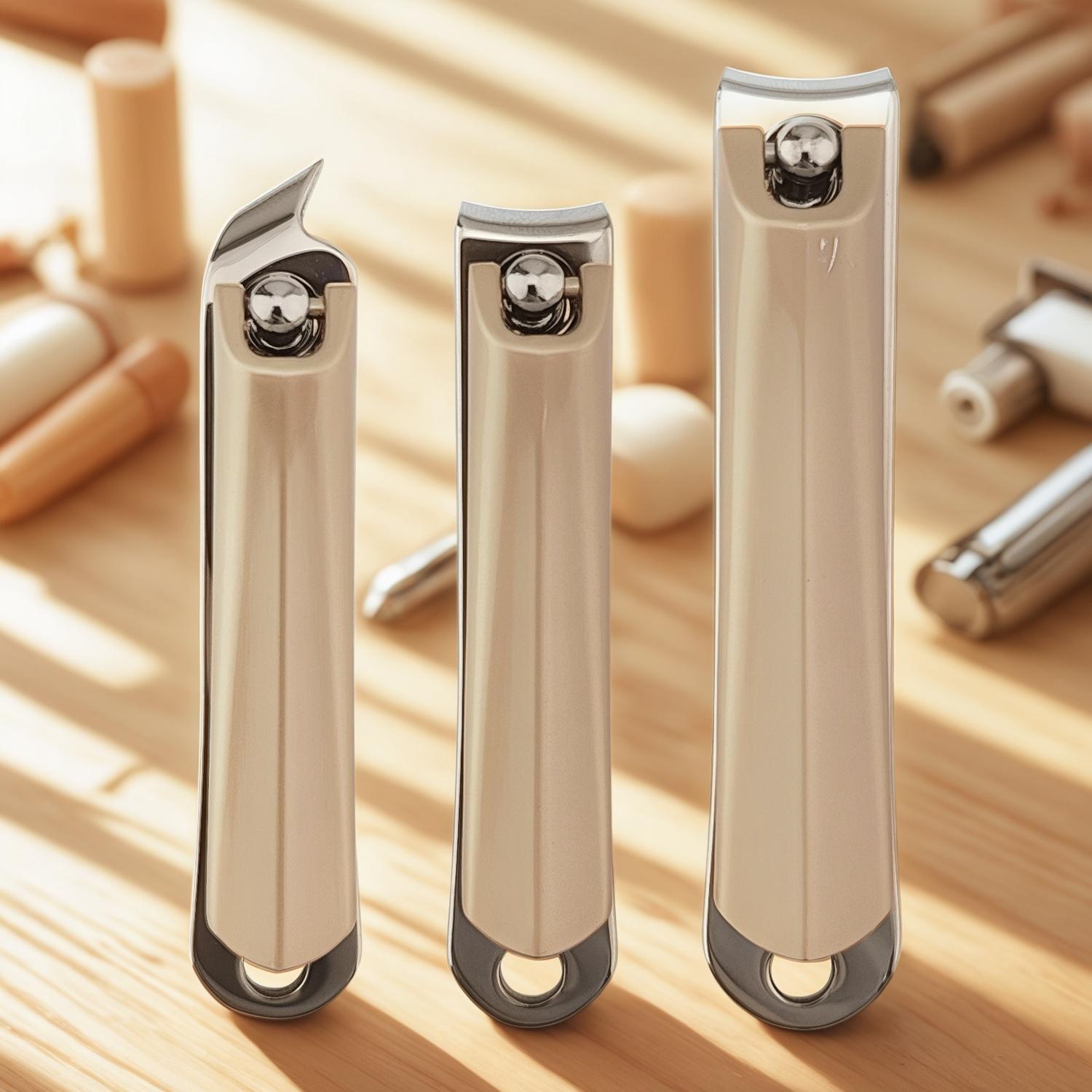
Olimor Beauty’s NCB Series, including NCB3112, NCB3113, and NCB3114, is positioned for buyers who need practical salon tools in quantity. The series is described with precision trimming, comfortable handling, ergonomic handles, a polished metal finish, and stainless steel tool construction. Those details matter because a salon clipper must perform reliably under repeated use, not just look appealing in a product photo.
Why Wholesale Nail Clippers Matter for Salon Operations
A salon may use nail clippers at manicure tables, pedicure stations, retail displays, training areas, and backup storage. Buying one or two at a time can create inconsistent tool quality across the business. One technician may receive a sharp, comfortable clipper while another works with a duller or poorly balanced tool. Wholesale buying helps standardize the experience.
Consistency is especially important when multiple staff members perform similar services. If every station has a comparable clipper, technicians can build stable habits around positioning, pressure, and trimming technique. This can help reduce wasted time during basic nail prep and makes it easier to train new staff on a uniform tool setup.
Wholesale purchasing also supports inventory planning. Nail tools can be misplaced, retired after wear, or set aside for sanitation rotation. A salon that plans replacements in advance is less likely to interrupt service because a basic tool is unavailable. For buyers reviewing beauty tool products, the best approach is to match quantity with real workstation needs rather than ordering based on price alone.
Understanding the NCB Series: NCB3112, NCB3113, and NCB3114
The NCB Series gives salons several options within the same product family. This is useful because not every trimming task is the same. Fingernails, toenails, thick nails, and small edge corrections may call for different blade shapes or tool strength. A mixed wholesale order can be more practical than stocking only one clipper style.
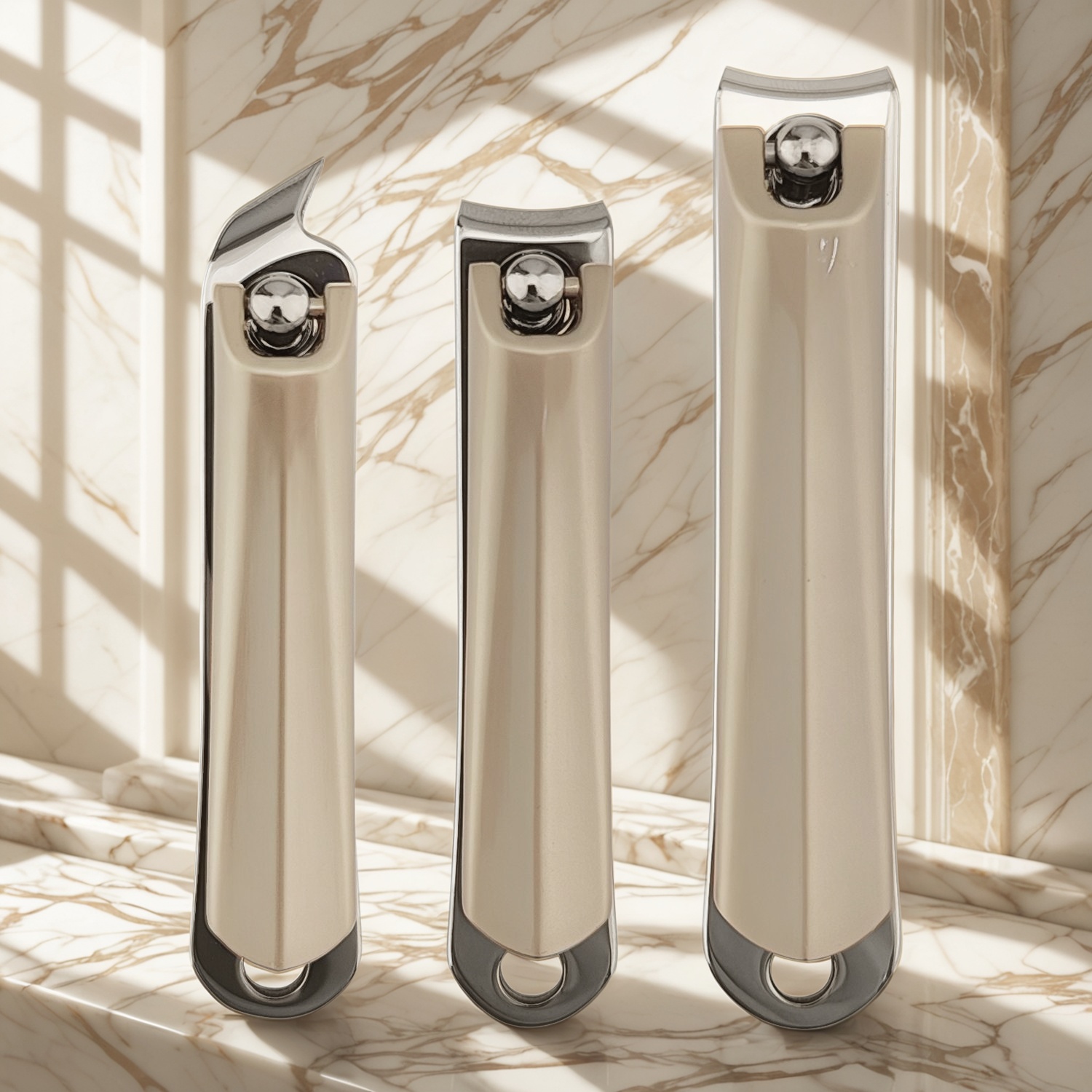
Based on the available product descriptions, NCB3112 offers a slanted cutting edge designed for precise trimming in hard-to-reach areas. This type of edge can be useful when a technician needs more visual control around corners or smaller nail sections. NCB3113 is described with a sturdy blade suitable for thick nails, making it relevant for services where stronger clipping support is needed. NCB3114 is part of the same NCB Series, giving buyers another option to include when building a complete salon supply set.
When comparing models, avoid thinking only in terms of “best” and “cheapest.” A salon usually benefits from tool variety. One clipper may be better for controlled detailing, while another may be better for stronger trimming. The right wholesale choice depends on service mix, client nail types, and the number of technicians using the tools each day.
Practical Selection Criteria for Bulk Buyers
Before placing a wholesale nail clipper order, create a short checklist that reflects how the tools will actually be used. A clipper that works well for personal grooming may not be ideal for constant salon rotation. The following criteria can help salon owners, purchasing managers, and distributors evaluate the NCB Series more carefully.
- Cutting edge purpose: Consider whether the salon needs slanted edges for precision areas, sturdier blades for thicker nails, or a balanced mix across stations.
- Handle comfort: Ergonomic handles are important for technicians who repeat the same motion many times per day. A comfortable grip can support control during detailed trimming.
- Surface finish: A polished metal finish gives a clean professional appearance and can be easier to visually inspect for residue before and after cleaning.
- Material expectations: The series is described as stainless steel tools. Buyers should align cleaning and storage routines with metal grooming tools to help preserve working condition.
- Station allocation: Calculate how many clippers are needed for active service stations, sanitation rotation, backup drawers, training kits, and replacement stock.
- Packaging and presentation: For salons that also retail grooming tools, consider whether the product presentation matches the business’s display standards.
This kind of checklist keeps wholesale buying focused on use value rather than catalog appearance. It also helps purchasing teams compare nail clippers with related salon supplies in product collections without mixing unrelated criteria.
How to Match Each Clipper Type to Salon Use Cases
A salon that serves a broad client base should plan for different trimming situations. Some clients need only a light fingernail trim before shaping. Others may need stronger toenail trimming before filing. The NCB Series can be evaluated by assigning each model to the tasks where its described features are most relevant.
| Model | Stated Feature | Possible Salon Fit |
|---|---|---|
| NCB3112 | Slanted cutting edge | Precise trimming in hard-to-reach areas and controlled corner work |
| NCB3113 | Sturdy blade | Thick nail trimming where stronger clipping support is preferred |
| NCB3114 | Part of the NCB Series | Can be reviewed as an additional option when building a fuller tool assortment |
This table is not a substitute for hands-on evaluation, but it gives buyers a useful starting point. If your salon performs mostly basic manicures, you may prioritize precision and comfort. If pedicure services are a major revenue source, stocking more tools suitable for thicker nails may be sensible. If you manage a salon chain or distribution business, a balanced assortment may help serve more service styles.
Quality Checks to Consider Before and After Delivery
Olimor Beauty describes a commitment to inspections from raw materials to packaging. For wholesale buyers, it is still good practice to run an incoming inspection process. This does not need to be complicated. A simple review protects your inventory records and helps identify handling damage or inconsistencies before tools are distributed to technicians.
Start by checking the carton count against the purchase record. Then inspect a sample from each model group. Open and close the clippers to feel whether the movement is smooth and controlled. Look at the cutting edge under good lighting to confirm there are no obvious burrs, chips, or misalignment. Review the polished finish for visible scratches or stains that would affect salon presentation. Finally, separate any questionable pieces for follow-up rather than placing them directly into service.
For larger buyers, keep an inspection log with model name, quantity received, sample size, and notes. This creates a practical record for future reorders and helps purchasing teams decide whether to repeat the same model mix. If you need clarification on available wholesale options, you can contact Olimor before finalizing the order details.
Cleaning, Storage, and Service-Life Planning
Even a well-made nail clipper can perform poorly if it is stored wet, mixed with damaged tools, or used beyond its practical service life. Salons should treat clippers as professional implements, not disposable desk accessories. Cleaning and storage routines should follow local hygiene requirements and the salon’s own sanitation protocol.
- Remove visible debris immediately after use. Nail dust and small clippings should not remain around the cutting edge or hinge area.
- Clean according to the salon’s approved procedure. Use methods compatible with metal grooming tools and applicable regulations.
- Dry before storage. Moisture left around the hinge or cutting edge can shorten the useful appearance and function of metal tools.
- Store by model or station. Separating NCB3112, NCB3113, and NCB3114 helps technicians pick the intended tool quickly.
- Retire tools when performance changes. If a clipper begins crushing instead of cutting cleanly, remove it from client service.
Replacement planning is part of professional tool management. Instead of waiting until clippers fail during appointments, set a regular review schedule. High-use salons may review tools more frequently than small studios. Keep a reserve supply so that damaged or worn pieces can be removed without disrupting bookings.
Wholesale Sourcing Questions for Salons and Distributors
When evaluating nail clippers wholesale, buyers should gather the information needed to make a dependable purchasing decision. Avoid relying only on broad claims such as “professional quality.” Focus on details that affect receiving, handling, and daily use.
- Which NCB Series models are available for the intended order?
- Can the order include a mixed quantity of NCB3112, NCB3113, and NCB3114?
- How are the tools packed for shipping and inventory handling?
- What product details are available for material, finish, and recommended care?
- What inspection steps are used before packaging?
- What lead time and reorder process should the buyer plan around?
These questions help a salon avoid overbuying the wrong style or understocking important service areas. They are also useful for distributors who need to explain product differences to salon customers. For order planning or wholesale communication, buyers can send an inquiry with their target models, estimated quantities, and intended use.
Building a Smarter Nail Tool Inventory
The NCB Series is most useful when treated as part of a complete nail tool inventory strategy. NCB3112 can be considered where a slanted cutting edge supports careful trimming. NCB3113 is relevant where a sturdy blade is needed for thick nails. NCB3114 can be included as another series option for buyers reviewing the complete assortment. Together, they allow salons to think beyond one-size-fits-all purchasing.
For organic salon growth, reliable basics matter. Clients may not ask which nail clipper was used, but they notice whether trimming feels controlled, clean, and efficient. Technicians notice whether the handle is comfortable and whether the tool suits the task. Owners notice whether inventory is consistent, reorderable, and easy to manage. A thoughtful wholesale purchase connects all three needs.
By reviewing model purpose, comfort, finish, quality inspection, hygiene workflow, and reorder planning, salons can make a more informed decision about Olimor Beauty NCB Series nail clippers. The result is a tool supply that supports daily service quality without depending on vague claims or last-minute purchasing.
Tag: