

Wholesale Nail Clippers for Salons: How to Choose Tools That Hold Up to Daily Use
Nail clippers wholesale sourcing is not just a cost decision for salons. A clipper that feels sharp on day one but becomes loose, uncomfortable, or difficult to sanitize can slow down services and affect the client experience. For salons, nail studios, spa operators, and beauty tool distributors, the right wholesale choice should balance cutting performance, hand comfort, hygiene routines, replacement planning, and supplier reliability.
Professional nail services place repeated stress on basic grooming tools. Clippers are used throughout the day, often by multiple technicians, and they must perform consistently on natural nails of different thicknesses. Buying in bulk can reduce unit cost, but only when the products are selected with professional use in mind. A salon should look beyond appearance and evaluate how the tool will behave after weeks of handling, cleaning, storage, and repeated cutting.
Why Wholesale Nail Clippers Matter in a Professional Salon
In a home beauty kit, one nail clipper may be used occasionally. In a salon, the same category of tool becomes part of a production workflow. Technicians need clippers that open smoothly, align cleanly, and cut without requiring excessive pressure. When a tool pinches, slips, or leaves uneven nail edges, it adds extra filing time and may make the service feel less refined.
Wholesale purchasing also supports operational consistency. If every station uses similar clippers, training is easier, service timing becomes more predictable, and replacements can be managed without searching for a different shape or grip every time stock runs low. For multi-chair salons or buyers supplying several branches, consistency can be as important as price.
Good wholesale planning also protects against downtime. A salon should not wait until a clipper is lost, damaged, or dull before ordering replacements. Keeping a controlled reserve allows managers to remove worn tools from service promptly. This is especially relevant for busy salons that separate tools by technician, service area, or sanitation cycle.
Key Features to Evaluate Before Buying in Bulk
When comparing nail clippers wholesale options, focus on the features that affect daily handling rather than decorative details alone. A professional tool should be easy to control, comfortable for repeated use, and suitable for the service menu the salon offers. The following checklist helps buyers compare products more objectively:
- Cutting edge alignment: The two edges should meet evenly when closed. Poor alignment can bend or tear nails instead of producing a clean cut.
- Lever resistance: The handle should feel stable without requiring too much force. Excessive pressure can cause hand fatigue for technicians.
- Jaw opening: A practical opening range helps handle different nail thicknesses while maintaining control.
- Grip and shape: Smooth tools can be attractive, but technicians also need a secure hold, especially during fast-paced services.
- Surface finish: A clean, even finish supports easier wiping and reduces areas where residue may collect.
- Storage compatibility: Clippers should fit cleanly in trays, pouches, drawers, or sanitation workflow containers used by the salon.
- Consistency across units: In wholesale orders, random variation between pieces can create uneven technician feedback and service quality.
These points are useful whether a buyer is adding a few dozen tools for a growing salon or sourcing larger quantities for resale. Olimor Beauty offers beauty tool products for professional buyers, and salons can review broader categories through beauty tool products when comparing grooming tools for different service stations.
Cuticle Nippers and Nail Clippers Serve Different Jobs
Many salons source nail clippers and cuticle nippers at the same time, but they should not be treated as interchangeable tools. Nail clippers are designed to shorten the nail plate. Cuticle nippers for salons are specialized tools used for fine trimming around the cuticle area, where control and precision are especially important. Using the wrong tool for either task can reduce service quality and increase discomfort.
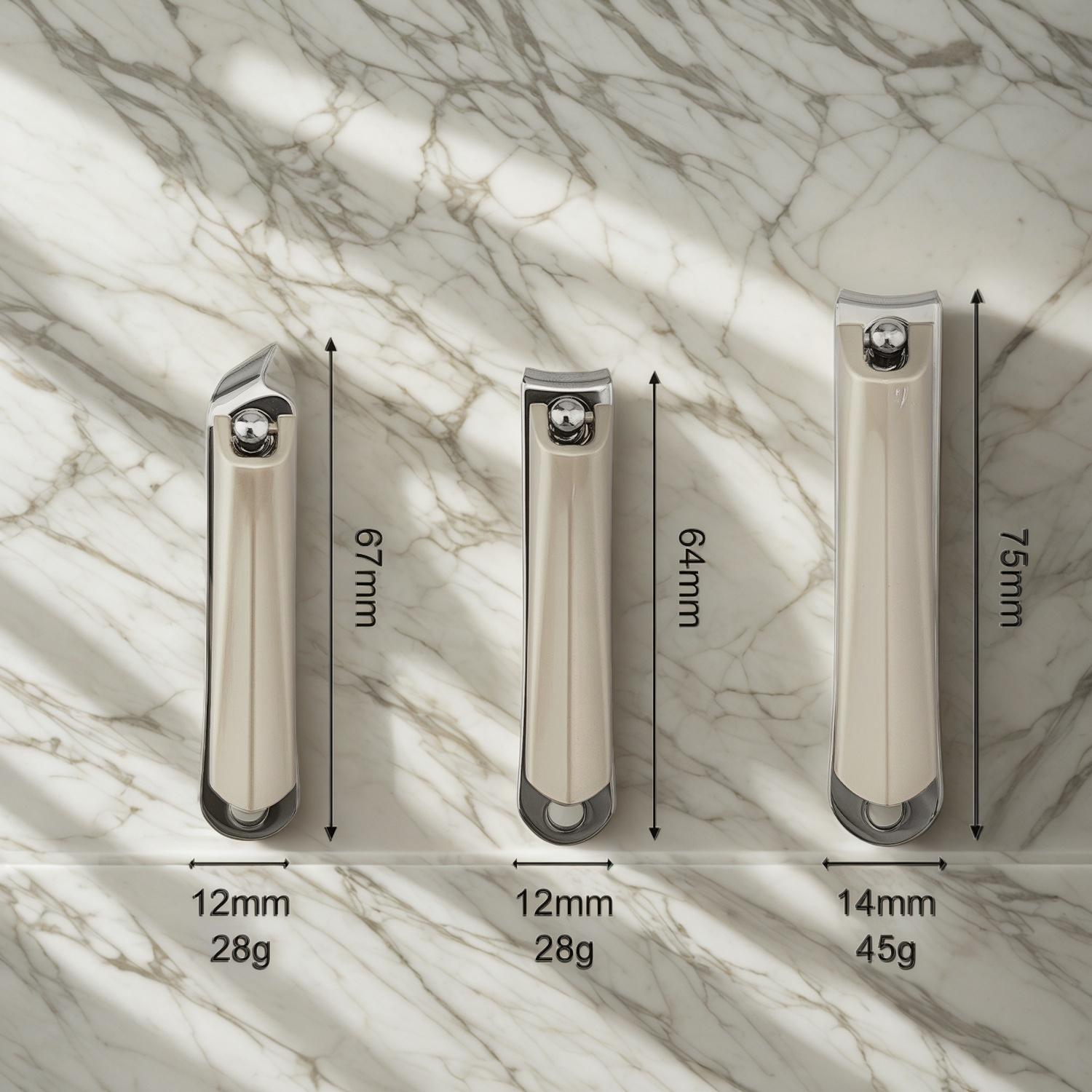
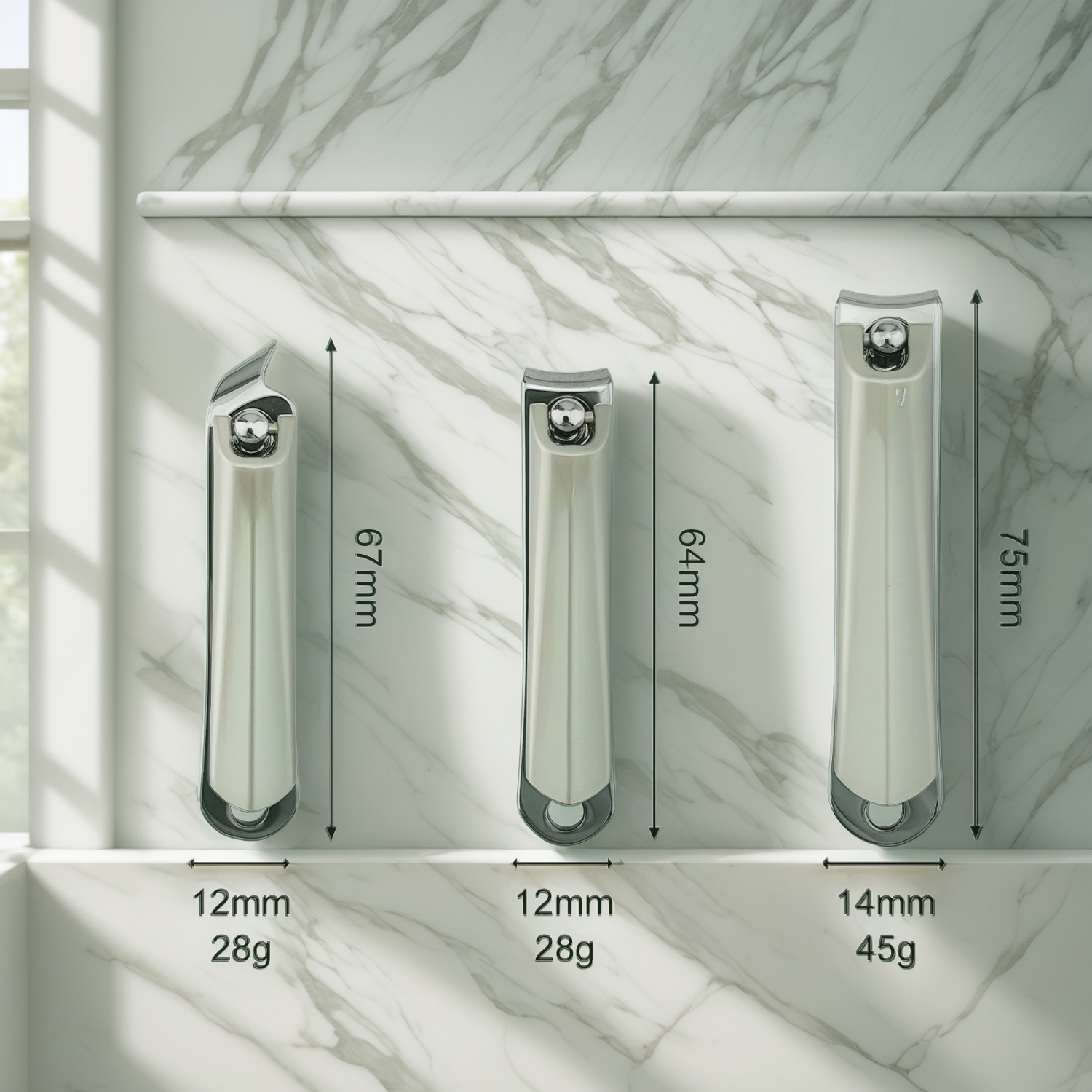
For professional manicure and pedicure work, a salon may need several tool types depending on the treatment offered. A basic grooming station might include standard nail clippers, larger clippers for thicker toenails, cuticle nippers, pushers, files, and cleaning accessories. The exact mix depends on whether the salon focuses on quick grooming, full manicure services, pedicures, gel preparation, or retail-ready beauty kits.
The original product context highlights cuticle nippers for salons as precision tools with ergonomic design and sturdy construction. Those qualities are important because cuticle work requires small controlled movements rather than force. A technician should be able to see the working edge clearly, hold the tool securely, and trim only where appropriate. When buying wholesale, evaluate nippers separately from clippers: edge feel, spring action, handle control, and tip protection all deserve attention.
How to Plan Salon Stock Without Overbuying
Wholesale pricing can encourage buyers to order more than they need. However, a smarter plan starts with how tools move through the salon. Consider the number of technicians, the number of service stations, cleaning turnover time, and the reserve quantity needed for replacement. A busy salon may need multiple sets per station so tools can rotate through sanitation without interrupting appointments.
| Buying question | Why it matters | Practical approach |
|---|---|---|
| How many technicians use clippers daily? | Determines baseline station quantity. | Count active technicians plus part-time coverage. |
| How are tools cleaned and stored? | Affects how many backup tools are needed. | Allow enough tools for rotation between services. |
| Are manicures and pedicures both offered? | Different nail thicknesses may require different sizes. | Separate hand and foot service tool planning. |
| Will tools be resold or used in-house? | Packaging, finish, and consistency expectations differ. | Define whether the order is for operations, retail, or distribution. |
| How often are tools replaced? | Prevents worn tools staying in service too long. | Create a periodic inspection and replacement schedule. |
For salons testing a new supplier relationship, it is often sensible to review tool feel, finish, and consistency before scaling purchasing decisions. Buyers can also compare related product collections to see whether their salon needs a narrower selection or a more complete grooming assortment.
Hygiene, Maintenance, and Daily Handling
Even a well-made nail clipper can fail prematurely if it is dropped, stored loosely with other metal tools, or exposed to poor cleaning habits. Salons should build simple routines that technicians can follow during a full schedule. Tools should be cleaned according to the salon’s hygiene procedures and local requirements, then dried and stored in a way that protects the cutting edge.
Daily inspection is a practical habit. Before a tool returns to service, check whether the lever moves smoothly, the cutting edges meet properly, and the surface is free from residue or visible damage. A clipper with a bent lever, misaligned jaw, or rough cutting action should be removed from the station. This protects both the client experience and the technician’s workflow.
Storage also matters. Tossing clippers, nippers, and pushers together in a drawer can dull edges and cause small dents. A divided tray or individual pouch helps keep tools organized. For salons that manage many stations, labeling by station or technician can also make accountability easier. Wholesale purchasing is most effective when paired with a clear maintenance system.
What to Look for in Salon Equipment Suppliers
Salon equipment suppliers do more than ship products. For professional buyers, a useful supplier should help make sourcing more predictable. That means clear product information, stable communication, and a product range that matches the buyer’s actual use case. A salon buying replacement clippers has different needs from a distributor assembling a retail grooming set, so the supplier relationship should support those differences.
When comparing suppliers, review the basics carefully: product category fit, consistency of finish, packaging options if relevant, communication speed, and whether the supplier can support future reorders. Avoid making the decision based on the lowest price alone. A slightly cheaper tool that needs frequent replacement may cost more in staff time, service interruptions, and client dissatisfaction.
Olimor Beauty focuses on beauty tools for professional and commercial buyers. If you are building a salon toolkit, comparing grooming categories, or preparing a wholesale purchase plan, you can contact Olimor for communication about available options. Buyers ready to discuss sourcing details can also send an inquiry with their intended quantity, service use, packaging expectations, and target market.
Questions to Answer Before Placing a Wholesale Order
Before finalizing a wholesale nail clipper purchase, write down the specific role the tool will play. Is it for manicure stations, pedicure services, mobile technicians, retail kits, or distributor inventory? The more clearly the use case is defined, the easier it is to choose the right size, finish, packaging, and quantity.
- Define the user: Decide whether the clipper is for professional technicians, retail customers, or both.
- Separate service needs: Hand nail trimming and toenail trimming may require different tool sizes or shapes.
- Check tool handling: Consider grip, lever comfort, edge alignment, and technician feedback.
- Plan sanitation flow: Make sure there are enough units to rotate through cleaning without delaying appointments.
- Set replacement rules: Remove tools from service when they lose alignment, become difficult to operate, or show visible damage.
- Confirm supplier fit: Look for clear communication, suitable product range, and consistency across repeat purchases.
Wholesale nail clippers can be a practical investment for salons when the buying decision is connected to real service conditions. By focusing on durability, ergonomic handling, hygiene workflow, and supplier reliability, beauty professionals can stock tools that support cleaner, smoother, and more consistent nail services every day.
Tag: