

Nail Clippers Wholesale Buying Guide for Salons and Grooming Suppliers
Buying nail clippers wholesale is not only about finding a low unit cost. For salons, beauty retailers, nail care distributors and grooming kit brands, the more important question is whether the tool can perform consistently across daily use, repeated cleaning and different nail types. A clipper that feels sharp on the first cut but leaves jagged edges after limited use can slow down technicians, frustrate customers and increase replacement frequency.
For professional buyers, the right nail clipper should combine clean cutting performance, comfortable handling, durable construction and practical presentation. Olimor Beauty focuses on beauty and grooming tools for professional and retail channels, including nail clippers and related salon equipment. This guide explains how to evaluate wholesale nail clippers in a practical way, what to compare before placing an order and how to pair clippers with cuticle nippers for a more complete nail care assortment.
Who Should Buy Nail Clippers Wholesale?
Wholesale nail clippers are useful for several types of buyers, but each buyer has a different priority. A nail salon needs dependable tools for technician stations and client service areas. A beauty retailer may want clippers that look clean, compact and easy to merchandise. A distributor may care about consistent packaging, reliable repeat supply and a product that fits alongside other grooming items. A private kit assembler may need clippers that work well in travel sets, manicure kits or promotional grooming packs.
Before comparing options, define the main sales or usage scenario. If the clippers are for professional manicure stations, hand comfort and cutting consistency matter more than decorative details. If they are for retail checkout displays, packaging clarity and perceived quality become more important. If they are intended for men’s grooming kits, a sturdier feel and simple maintenance instructions may be more valuable. Buyers can explore related beauty tool products to understand how nail clippers fit into a broader grooming assortment.
Key Product Features to Evaluate Before Ordering
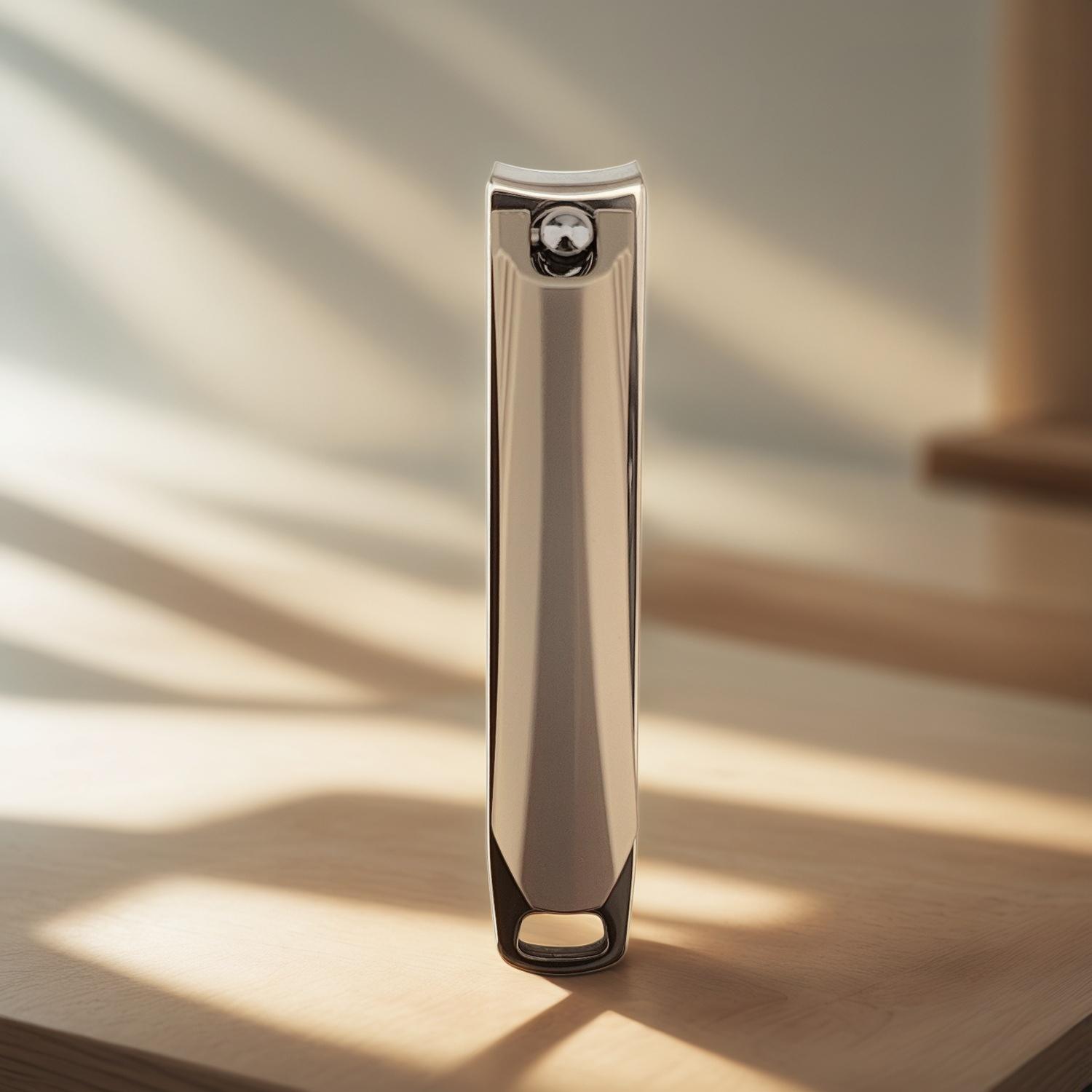
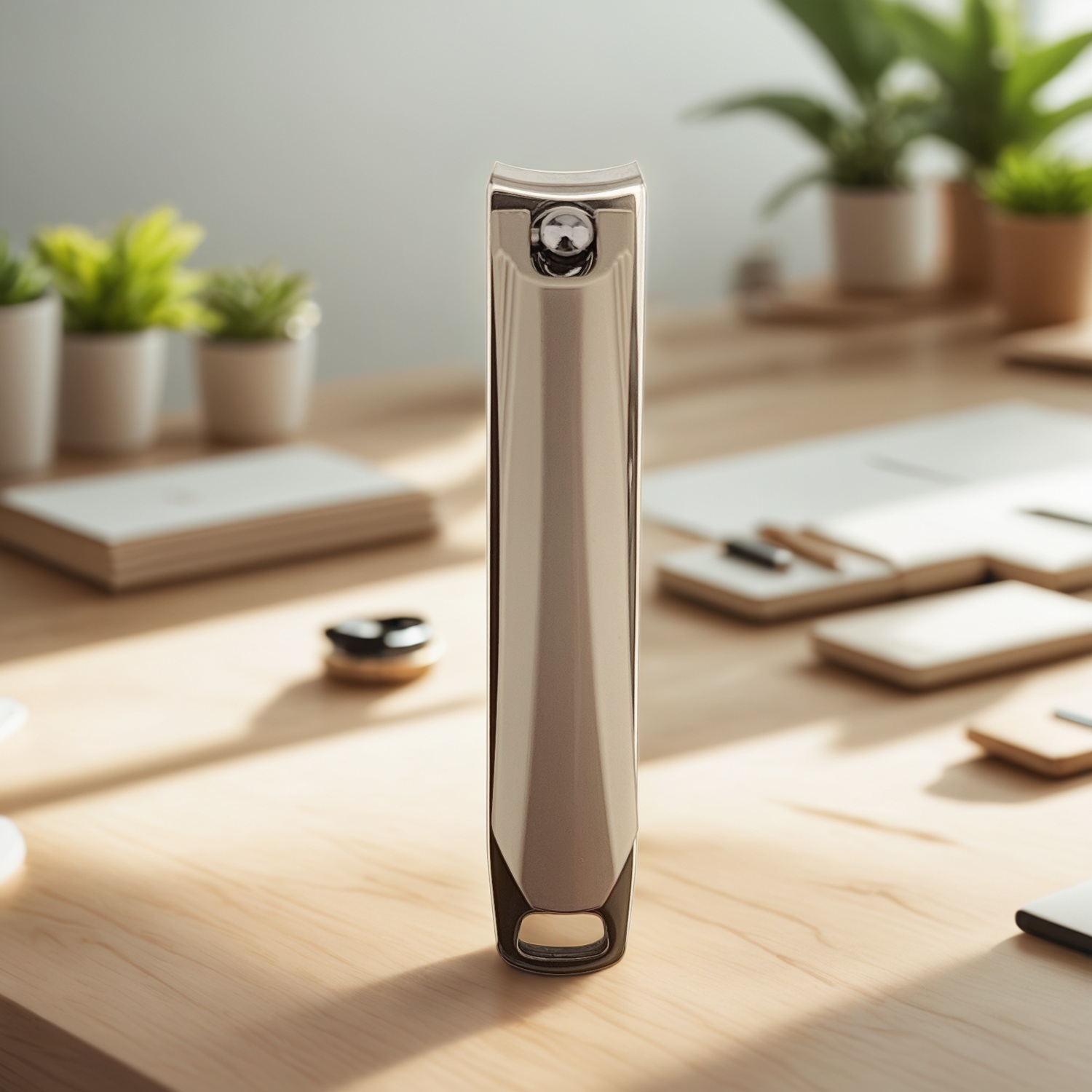
A nail clipper appears simple, but small differences in structure, sharpness and grip can change the user experience. The existing Olimor Beauty nail clipper description highlights stainless steel construction, a sleek metallic design, rust resistance, ergonomic handling and clean trimming performance. Those features are relevant to wholesale buyers because they affect both product lifespan and customer satisfaction.
Use the following criteria when reviewing samples or comparing supplier options:
- Cutting edge alignment: The upper and lower edges should meet evenly. Poor alignment can crush the nail instead of cutting it cleanly.
- Sharpness and trimming finish: A good clipper should reduce jagged edges and support uniform trimming without excessive force.
- Lever action: The lever should press smoothly and return without feeling loose, stiff or unstable.
- Grip comfort: Ergonomic design matters in salons where tools are used repeatedly throughout the day.
- Material feel: Stainless steel is valued in nail care tools because it supports durability and is suitable for regular cleaning routines.
- Surface finishing: A clean metallic finish should be free from rough spots, sharp burrs or plating defects that affect handling.
- Added functions: Some nail clippers include a built-in nail file for quick touch-ups, which can be useful in retail or travel-oriented assortments.
When possible, test samples on different nail thicknesses and shapes. Professional buyers should avoid evaluating a clipper only by appearance. A tool can look polished but still perform poorly if the cutting edges are dull, the lever is weak or the grip is uncomfortable during repeated use.
How Salons Can Use Clippers and Cuticle Nippers Together
Nail clippers and cuticle nippers serve different purposes, and both may be needed in a complete salon setup. Clippers are mainly used to shorten nails and create a manageable shape before filing. Cuticle nippers are used for careful cuticle and hangnail work where precision matters. For salons, sourcing both categories from reliable salon equipment suppliers can simplify purchasing and help maintain a more consistent tool standard across workstations.
Technicians should avoid using nail clippers as a substitute for cuticle nippers. A clipper is designed for the nail plate, while a nipper is designed for smaller, more delicate trimming work around the cuticle area. Using the wrong tool can reduce precision and increase discomfort for the client. A complete professional setup may include straight or curved nail clippers, cuticle nippers, nail files and cleaning accessories, depending on the services offered.
For wholesale buyers building a nail care category, pairing clippers with cuticle nippers can also improve product planning. A retailer may offer clippers as an everyday grooming essential, while nippers can be positioned for more detailed manicure maintenance. Buyers reviewing product collections can compare how different tools support salon, retail and personal care applications.
Wholesale Selection Checklist for Professional Buyers
A structured checklist helps reduce risk when sourcing nail clippers wholesale. Instead of relying only on product photos, buyers should compare performance, handling and practical supply details. The table below summarizes useful evaluation points.
| Evaluation Area | What to Check | Why It Matters |
|---|---|---|
| Cut quality | Clean edge, minimal splitting, even bite | Improves client comfort and reduces extra filing time |
| Ergonomics | Comfortable lever pressure and secure grip | Supports repeated salon use without hand strain |
| Durability | Stable hinge, strong lever, stainless steel body | Helps the tool withstand frequent handling and cleaning |
| Finish | Smooth surface with no burrs or rough edges | Protects the user experience and improves perceived quality |
| Packaging | Clear labeling, protective packing, retail suitability | Important for resale, gifting and organized salon storage |
| Assortment fit | Compatibility with files, nippers and manicure kits | Helps buyers build a more complete nail care offer |
This checklist is useful for salons purchasing their own equipment and for distributors comparing several supplier options. If a sample fails on basic cutting consistency, it is unlikely to become a dependable wholesale product even if the price is attractive.
Hygiene, Cleaning and Maintenance Considerations
In professional environments, nail tools must be easy to clean and maintain. Stainless steel construction is helpful because it supports regular wiping and sanitation practices. However, every salon should follow local hygiene rules and its own service protocols. Nail clippers should be cleaned after use, dried properly and stored in a way that protects the cutting edges from damage.
For retail customers, simple care instructions can reduce complaints and extend product life. Users should avoid leaving clippers wet, storing them in damp areas for long periods or using them on materials other than nails. If the clipper includes a nail file, the file surface should also be kept clean and free from residue. In salons, damaged or dull clippers should be removed from service because they can create rough nail edges and slow down the manicure process.
Maintenance also includes how tools are organized. Salon stations should keep clippers separate from cuticle nippers and files so technicians can quickly choose the correct tool. Bulk buyers may want packaging that protects each piece during transport and storage, especially when supplying multiple locations or assembling grooming kits.
What to Discuss With a Salon Equipment Supplier
Wholesale purchasing works best when the buyer has clear requirements. Rather than asking only for the cheapest nail clipper, provide details about the intended market, expected use and packaging preference. A salon buyer may need tools suitable for frequent professional use. A retailer may need consumer-friendly packaging and a finish that displays well. A distributor may prioritize stable repeat ordering and category consistency.
Useful discussion points include sample availability, packaging options, product finish, carton protection, compatible tools and whether the clipper can be supplied alongside cuticle nippers or other nail care accessories. Buyers should also define whether they need a simple everyday clipper, a clipper with a built-in nail file or a tool suited for inclusion in a broader manicure set. To share requirements with Olimor Beauty, buyers can send an inquiry or contact Olimor with the intended application and quantity planning.
Making a Better Wholesale Decision
Nail clippers wholesale should be selected with the same care as other professional beauty tools. The best choice for a salon or distributor is not always the most decorative product or the lowest price. It is the clipper that cuts cleanly, feels comfortable, resists everyday wear, fits the buyer’s sales channel and can be supported with consistent presentation.
For salons, dependable clippers help technicians work efficiently and provide a neater service experience. For retailers, a well-made clipper is an everyday grooming product that can sell steadily when displayed clearly. For distributors and kit builders, it is a compact tool that pairs naturally with cuticle nippers, nail files and other manicure essentials. By focusing on performance, ergonomics, hygiene and assortment fit, buyers can choose wholesale nail clippers that support long-term customer satisfaction rather than short-term purchasing convenience.
Tag: