

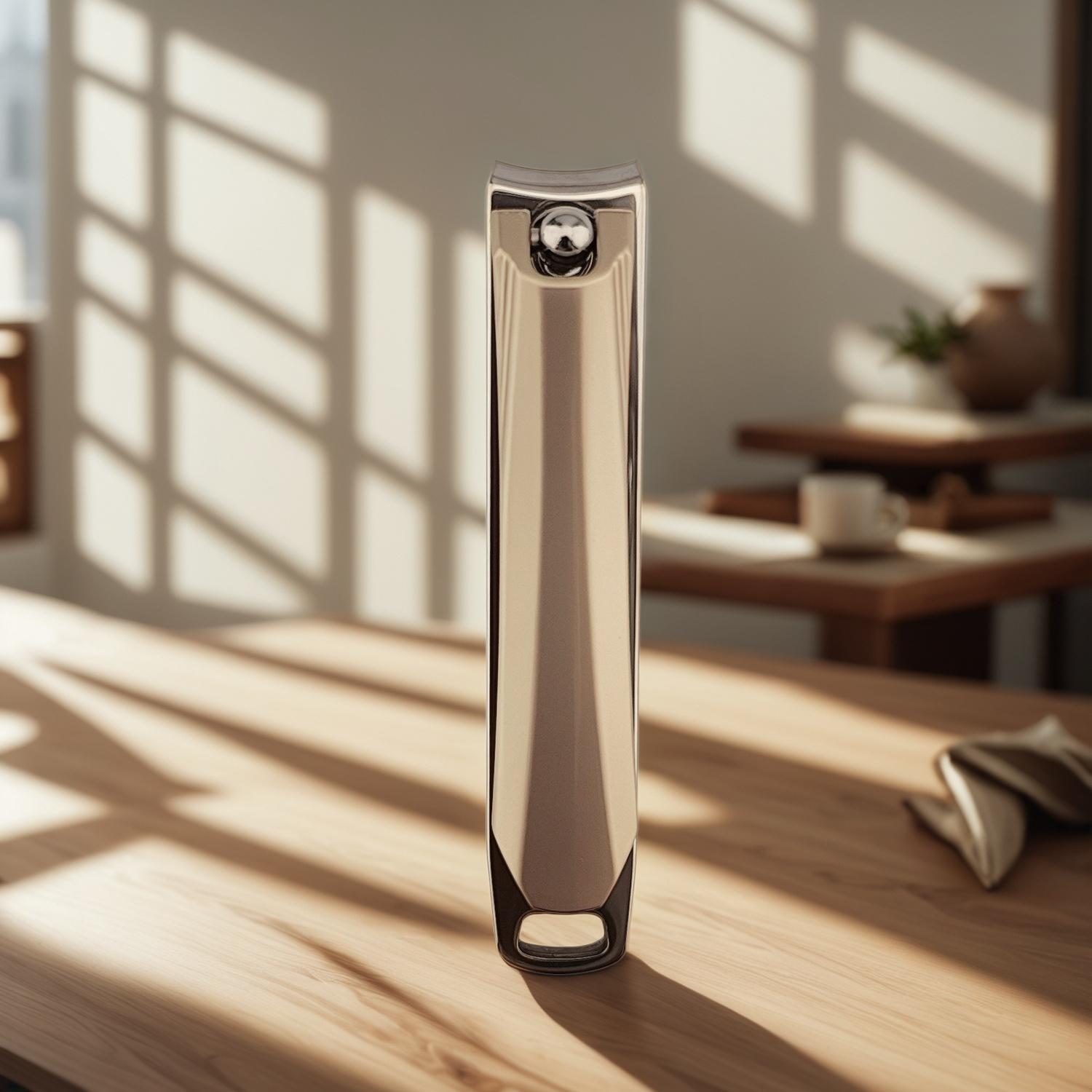
Wholesale Nail Clippers for Salons: A Practical Buying Guide
Buying nail clippers wholesale is not simply a cost-saving decision. For salons, nail studios, spa teams and grooming businesses, clippers are daily-use tools that affect service speed, hygiene routines, technician comfort and the client’s impression of professional care. A clipper that feels loose, dull or uncomfortable can slow down appointments and create unnecessary replacement costs. A well-chosen wholesale order helps standardize the tools used across stations and keeps backups available when a clipper is being cleaned, replaced or reserved for a specific service type.
Olimor Beauty supplies beauty tools for professional use, including nail clippers and related grooming tools designed for salon environments. The original product information highlights durable stainless steel construction, ergonomic design, strict quality checks and careful attention from material selection to final packaging. This guide explains how to evaluate those qualities when you are comparing wholesale nail clippers, planning a salon tool purchase or building a broader manicure and pedicure equipment list.
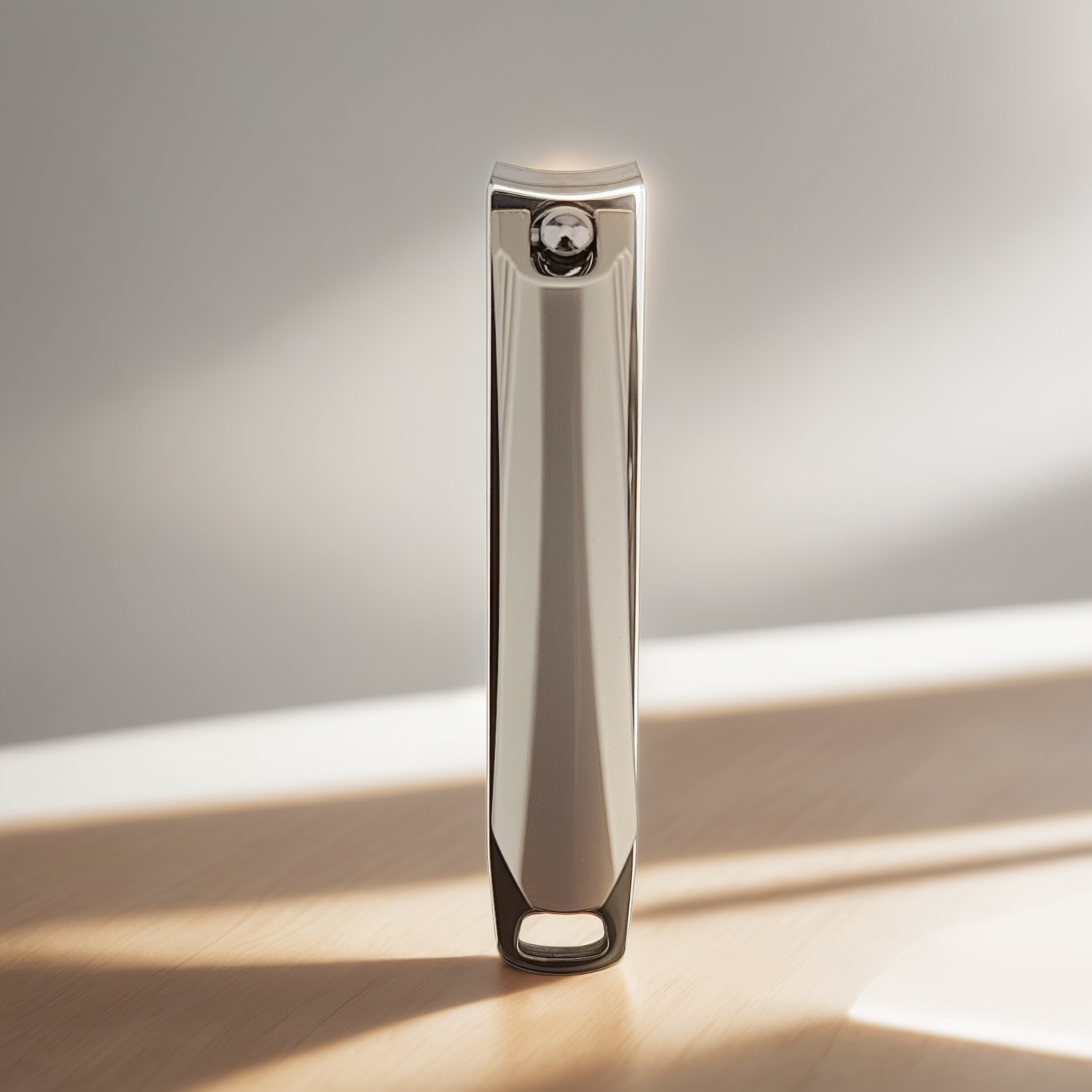
Why Wholesale Nail Clippers Matter in a Salon Setting
Retail nail clippers may work for occasional home grooming, but salon tools face repeated use, cleaning cycles and handling by multiple technicians. Wholesale purchasing helps salons maintain consistency: every station can use the same type of clipper, every technician can train on a familiar feel and the business can keep reserve tools ready without last-minute shopping.
For a busy salon, the value of wholesale buying is often found in operational reliability. If a clipper becomes dull or damaged, a replacement should be available immediately. If a new technician joins the team, the salon should not need to mix mismatched tools from different sources. If a service menu includes both hand and foot grooming, the salon may need different clipper sizes or complementary tools such as cuticle nippers for more precise work around the nail area.
Wholesale buying also supports a cleaner inventory process. Instead of purchasing tools one by one, managers can record order quantities, track replacement intervals and maintain a simple system for inspection and rotation. For salons reviewing a wider tool lineup, Olimor’s beauty tool products page is a useful place to begin comparing categories before preparing a purchase list.
Key Features to Check Before Ordering in Bulk
A nail clipper looks simple, but small differences in construction can change the user experience. Before placing a wholesale order, review the details that influence cutting performance, comfort and long-term suitability for professional service.
- Material and construction: The supplied product information identifies robust stainless steel construction. For salon buyers, stainless steel is valued because it supports a durable tool body and is appropriate for repeated professional handling. Check that the clipper feels solid, with no unnecessary flexing during use.
- Cutting alignment: The cutting edges should meet evenly. Poor alignment can bend or crush the nail instead of making a clean cut, especially when trimming thicker nails.
- Blade sharpness: A sharp cutting edge reduces effort and helps technicians work more predictably. Dull clippers often require repeated pressure, which is uncomfortable for the technician and unpleasant for the client.
- Lever action: The lever should move smoothly and return reliably. An overly stiff lever increases hand fatigue, while a loose mechanism can feel imprecise.
- Ergonomic handling: The original information notes ergonomic designs. In practice, this means the clipper should sit comfortably in the hand and allow controlled pressure without awkward wrist movement.
- Finish and edges: Surfaces should feel smooth where fingers rest. Rough edges or poorly finished parts are not suitable for client-facing professional tools.
- Packaging and inspection: Since quality checks and final packaging are part of the stated process, wholesale buyers should consider whether the tools arrive protected, organized and easy to count for inventory.
Matching Nail Clippers with Cuticle Nippers for Complete Services
Nail clippers and cuticle nippers are related, but they are not interchangeable. Clippers are used to shorten the nail edge, while cuticle nippers are intended for more precise work around delicate nail areas. The original product information describes cuticle nippers for salons as complementary tools with ergonomic handles and sharp blades for effortless use. When used appropriately by trained professionals, this combination supports a more complete manicure or pedicure workflow.
For salon planning, it is useful to think in service steps. A clipper may be used early in the service to reduce length. A file may refine the shape. A cuticle nipper may then support detailed grooming where suitable. Keeping these tools separate helps technicians use the right tool for the right task and avoids overusing clippers for detail work they were not designed to perform.
If your salon offers multiple service types, consider grouping tools by station or by service kit. For example, a basic manicure station may need nail clippers, cuticle nippers, files and cleaning supplies, while a pedicure station may require additional sizes or heavier-duty supporting tools depending on the service menu. Avoid assuming one clipper style will serve every task equally well; selection should follow actual salon use.
How to Evaluate Salon Equipment Suppliers
Choosing salon equipment suppliers requires more than comparing unit price. A low price is not helpful if the tools arrive inconsistently, require frequent replacement or do not match the expected finish. Olimor Beauty emphasizes quality assurance, material selection, ergonomic design and packaging checks, all of which are relevant when evaluating a supplier for wholesale nail clippers.
Use a structured review process before committing to a larger order. The goal is to identify whether the supplier can support repeat purchasing, consistent tool quality and practical communication for professional buyers. If you are comparing categories beyond clippers, Olimor’s product collections can help you organize your sourcing research by product type.
| Evaluation Area | What to Look For | Why It Matters |
|---|---|---|
| Tool consistency | Similar weight, finish and lever feel across pieces | Helps technicians work with predictable tools at every station |
| Cutting performance | Clean alignment and controlled clipping action | Reduces repeated cuts and supports smoother service flow |
| Comfort | Ergonomic shape and easy grip | Supports repeated use during long salon schedules |
| Quality checks | Inspection from material selection through packaging | Reduces the chance of receiving unusable or poorly finished tools |
| Product range | Availability of complementary grooming tools | Makes it easier to build complete manicure and pedicure kits |
Wholesale Ordering Checklist for Salon Managers
Before you place an order, map the purchase to your salon’s actual workflow. This prevents both under-ordering and buying tools that remain unused. A small studio may need a compact reserve inventory, while a multi-chair salon may require a larger quantity for active stations, cleaning rotation and replacements.
- Count active service stations. Identify how many manicure, pedicure or grooming stations need clippers available at the same time.
- Add cleaning rotation tools. If tools are removed from service for cleaning or disinfection according to your salon procedures, keep extra pieces available.
- Separate hand and foot service needs. Determine whether the same clipper format is suitable for both, or whether different sizes or companion tools are needed.
- Plan for technician preference. Test comfort and lever action where possible. A tool that looks acceptable may not feel right after repeated use.
- Include cuticle nippers where services require them. Do not rely on clippers for detail work around delicate nail areas.
- Set an inspection routine. Check new tools on arrival and continue checking cutting alignment, sharpness and finish during regular use.
- Document replacement triggers. Replace tools that become dull, misaligned, damaged or uncomfortable to operate.
For custom purchasing discussions or to clarify product availability, buyers can send an inquiry with their intended use, quantity planning and tool category requirements.
Maintenance and Hygiene Considerations
Good maintenance extends the useful life of salon nail clippers and protects service quality. Each salon should follow the hygiene procedures required for its location and service type, but a practical tool routine usually includes immediate removal of nail debris, scheduled cleaning, careful drying and storage in a clean area. Tools should not be left loose in drawers where cutting edges can be damaged by contact with other metal items.
Inspection is just as important as cleaning. A clipper that is clean but dull can still create a poor client experience. Look for changes in lever tension, uneven cutting, visible corrosion, rough contact points or loosened parts. Cuticle nippers also require careful handling because their fine tips and sharp blades are more vulnerable to damage if dropped or stored carelessly.
Assigning responsibility helps. Some salons designate a manager or senior technician to inspect tools weekly, while others require each technician to check tools before and after appointments. Either method can work if the process is consistent. The important point is to treat clippers as professional equipment rather than disposable accessories.
Making a Confident Wholesale Decision
The right wholesale nail clippers should support efficiency without sacrificing comfort or precision. Focus on durable stainless steel construction, clean cutting alignment, ergonomic handling, appropriate pairing with cuticle nippers and a supplier process that pays attention to quality checks and packaging. These factors are more meaningful than choosing based on price alone.
For salons, the best purchase is one that fits the real service environment: the number of technicians, the pace of appointments, hygiene routines, replacement planning and the level of grooming detail offered to clients. Olimor Beauty provides professional beauty tools for businesses that need practical, service-ready options. To discuss tool selection or purchasing needs, you can contact Olimor and prepare a shortlist based on your salon’s daily workflow.
Tag: