

Nail Clippers Wholesale for Salons: How to Choose Reliable Bulk Tools
Buying nail clippers wholesale is not only about lowering the unit cost of a common manicure tool. For salons, nail bars, spa retailers, beauty supply shops, and distributors, bulk nail tools affect service speed, hygiene routines, retail presentation, and the consistency of every manicure or pedicure appointment. A clipper that cuts cleanly reduces repeated pressure on the nail. A tool that feels stable in the hand helps technicians work with more control. A poorly chosen bulk order, however, can create avoidable complaints, uneven cutting results, and stock that is difficult to sell.
This guide explains how to evaluate wholesale nail clippers and related tools such as cuticle nippers for salons. It focuses on practical buying decisions: what to compare, how to plan inventory, what quality signals matter, and how to communicate requirements before placing a bulk order. If you are building or refreshing your salon tool range, you can also browse Olimor Beauty beauty tool products or review broader product collections to compare options for different service needs.
Why Wholesale Nail Clippers Matter in Salon Operations
In a busy salon, nail clippers are used repeatedly across manicures, pedicures, retail demonstrations, and sometimes client aftercare recommendations. Buying wholesale allows a business to keep enough stock on hand for different workstations, replacement cycles, and retail sales. It also helps maintain a more uniform client experience because technicians are not relying on mismatched tools from different sources.
For professional use, the best buying decision is usually based on consistency rather than novelty. A clipper should open and close smoothly, cut without crushing the nail edge, and be simple to clean between uses. Technicians also need tools that suit both fingernails and toenails, depending on the services offered. If a salon sells grooming items to clients, packaging and presentation may also matter, but they should never replace core performance.
Wholesale purchasing can support efficiency in several ways. First, it reduces the time spent reordering small quantities. Second, it helps managers standardize tool kits for each service station. Third, it can make replacement more predictable when tools become dull, damaged, or unsuitable for continued professional use. For retailers, bulk buying also helps create stable shelf availability for daily grooming essentials.
Key Selection Criteria for Bulk Nail Clippers
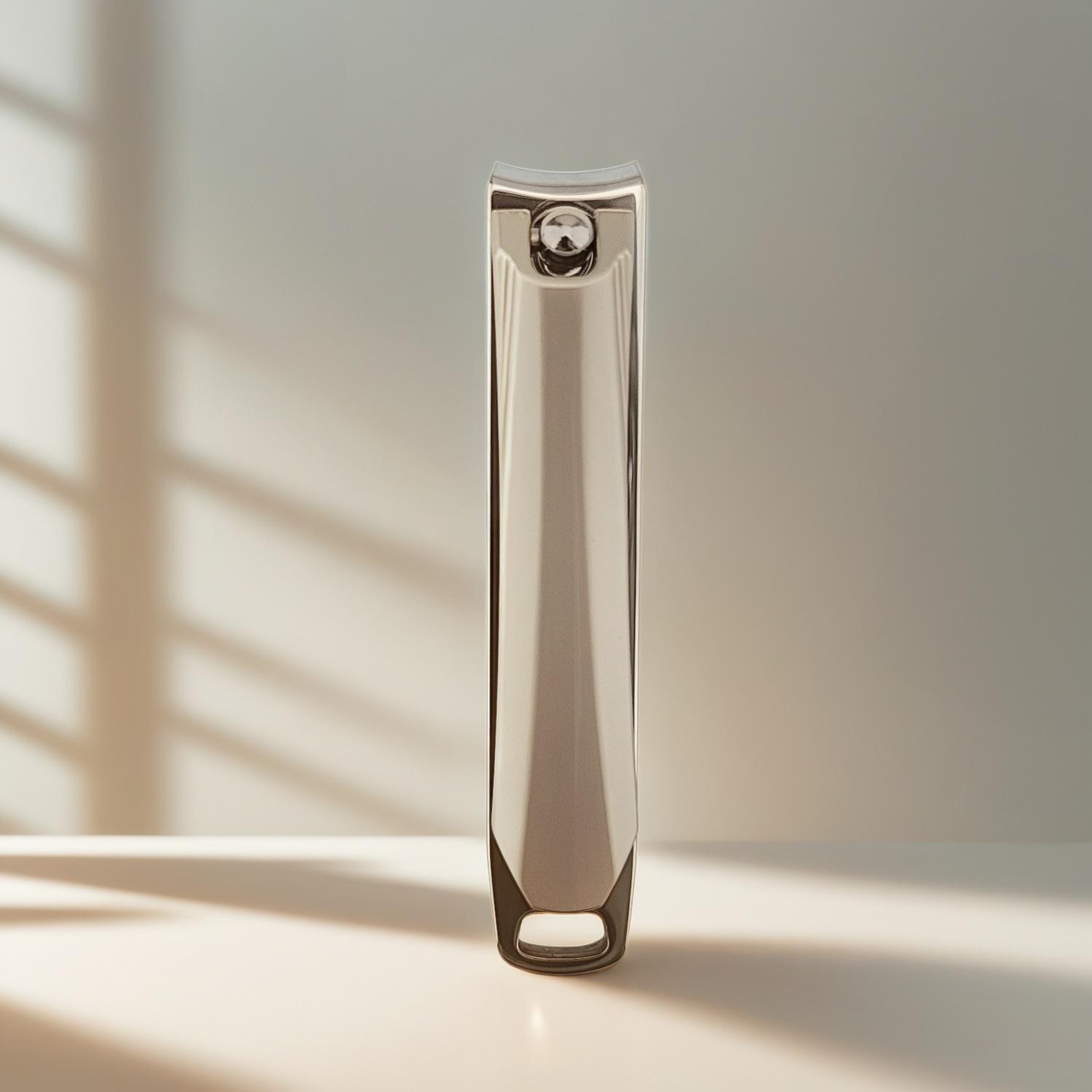
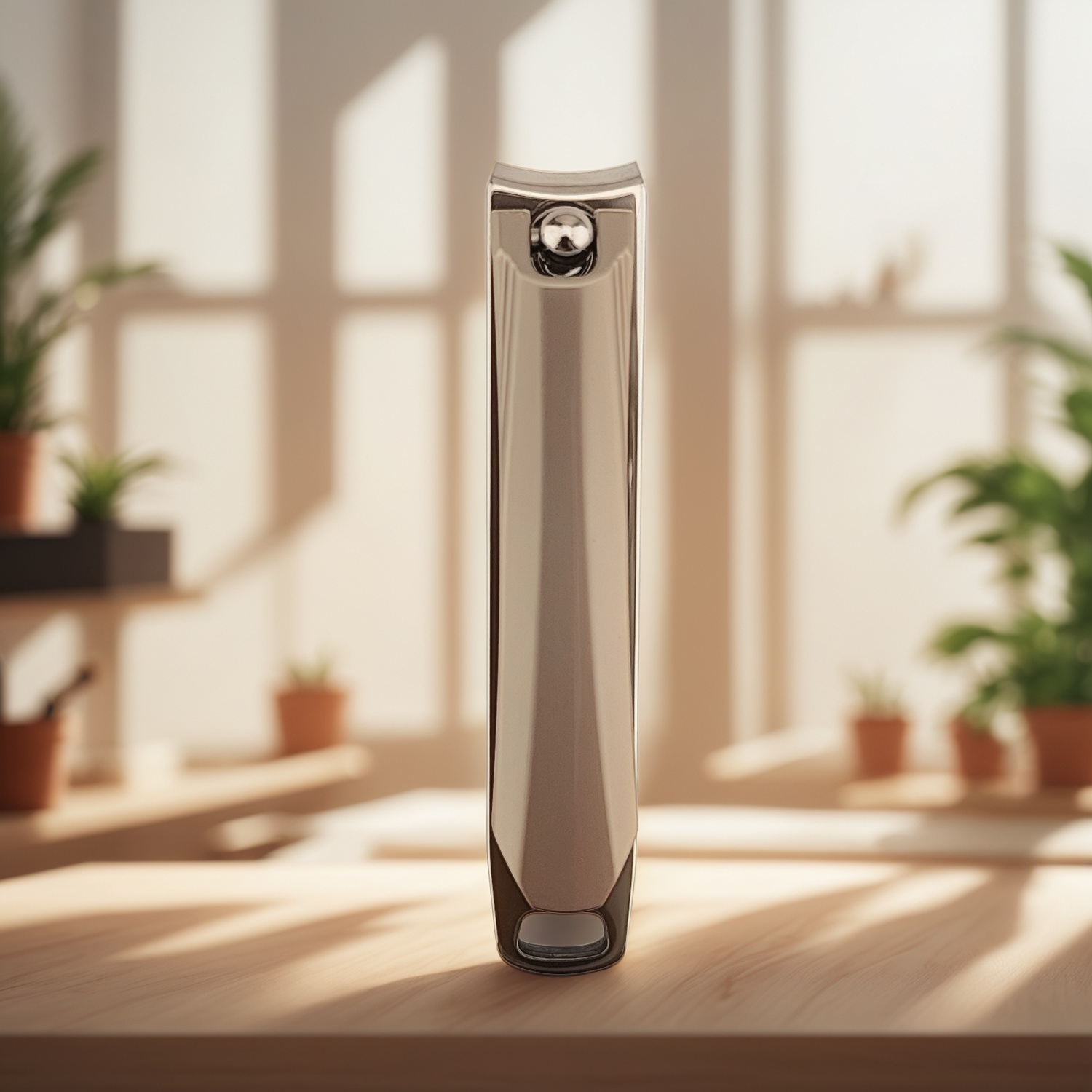
When comparing nail clippers wholesale, look beyond a simple product photo. The tool must suit the service environment, the user, and the expected cleaning process. The original product information references the LuxeEdge Nail Clipper, described as being crafted from high-grade stainless steel for precise cuts, with sharp blades and ergonomic handles that provide leverage for easier use. Those are useful characteristics to look for, but buyers should still compare samples and confirm details for their own channel and application.
Use the following checklist when evaluating wholesale nail clippers:
- Cutting performance: The blades should meet cleanly and cut the nail edge without tearing, bending, or requiring excessive force.
- Handle control: A comfortable lever and stable grip help technicians make small adjustments while working quickly.
- Tool size: Consider whether you need standard fingernail clippers, larger toenail clippers, or a mix for manicure and pedicure services.
- Material suitability: Stainless steel is commonly preferred for nail tools because it is durable and suited to repeated cleaning, but the exact grade and finish should match your business requirements.
- Edge consistency: In bulk orders, the goal is for every unit to perform similarly, not only the sample piece.
- Cleaning compatibility: The shape should avoid unnecessary crevices where debris can collect.
- Packaging needs: Salons may prefer simple protective packaging, while retailers may need customer-facing presentation.
- Replacement planning: Choose tools that can be reordered consistently so your salon kits remain uniform over time.
A wholesale buyer should also think about the customer profile. A nail salon focused on fast express services may prioritize easy handling and fast sanitation workflows. A spa may prefer tools that feel substantial and refined in the hand. A retail distributor may need a balance of function, presentation, and price positioning. The same nail clipper is not ideal for every sales channel.
Nail Clippers and Cuticle Nippers: Building a Complete Salon Kit
Nail clippers and cuticle nippers are related, but they do different jobs. Clippers are designed to shorten the nail plate. Cuticle nippers for salons are used for more delicate trimming around the cuticle area, where control and sharpness are especially important. A complete manicure kit often needs both, along with files, buffers, pushers, and cleaning supplies.
Because cuticle work involves smaller movements, nippers should be selected carefully. A technician needs a controlled jaw, a comfortable spring action, and a shape that allows visibility around the nail fold. Poorly made nippers can pinch, pull, or remove more skin than intended. For professional services, training and hygiene procedures are as important as the tool itself.
The following comparison can help buyers plan a basic wholesale assortment:
| Tool | Main Use | What to Check Before Buying | Best Fit |
|---|---|---|---|
| Nail clippers | Shortening fingernails or toenails | Blade alignment, leverage, size, smooth closing action | Manicure stations, pedicure stations, retail grooming sets |
| Cuticle nippers | Trimming small areas of non-living cuticle tissue | Jaw precision, spring control, grip comfort, tip protection | Professional manicure services and trained technicians |
| Nail files | Shaping and smoothing nail edges | Grit type, sanitation method, single-use or reusable policy | Finishing after clipping and client aftercare |
| Cuticle pushers | Gently pushing back cuticle area | Edge smoothness, handle control, cleaning compatibility | Prep work before detailed cuticle care |
For wholesale planning, it is often more practical to think in kits rather than single items. If each workstation needs two clippers, one nipper, and supporting tools, inventory can be calculated by station count, technician count, and replacement schedule. Retailers can group related items into price tiers without claiming features that have not been verified.
How to Evaluate Salon Equipment Suppliers
Salon equipment suppliers do more than sell tools. A reliable supplier helps a business maintain continuity, compare product options, and avoid unnecessary stock risk. When sourcing wholesale nail clippers, pay attention to communication quality as well as product appearance. Clear answers, realistic lead time discussions, and stable product information are all part of a professional sourcing experience.
Before placing a larger order, consider requesting product images, packaging details, and samples where appropriate. Evaluate whether the sample performs consistently after repeated use. If your business has specific packaging, labeling, or assortment requirements, prepare those details clearly. For example, a salon chain may need neutral packaging for internal use, while a retailer may need display-ready units with barcodes or language requirements. Do not assume every supplier can meet every requirement without confirming it in advance.
Useful questions for supplier evaluation include:
- What sizes or styles of nail clippers are available for the intended channel?
- What material and finish information can be provided for the tool?
- How is product consistency checked before packing?
- What packaging formats are available for salon use or retail sale?
- Can the supplier support repeat orders of the same item or equivalent specification?
- How should the tools be stored, cleaned, and protected during transport?
Olimor Beauty positions its wholesale beauty tool offering around quality assurance and practical design, including products such as the LuxeEdge Nail Clipper mentioned in the product information. For project-specific sourcing, you can send an inquiry with your target product type, quantity plan, packaging needs, and sales channel. If you need help narrowing options, you can also contact Olimor for a more direct discussion.
Hygiene, Maintenance, and Replacement Planning
Even a well-made nail clipper needs proper maintenance. Salons should have written hygiene procedures that match local regulations and the disinfectants used in their workplace. Tools should be cleaned of visible debris before disinfection, dried properly when required, and stored in a way that protects the cutting edge. If a clipper becomes loose, misaligned, rusty, or dull, it should be removed from service rather than kept in rotation.
Maintenance planning is especially important for wholesale buyers because the purchase quantity can create a false sense of security. A salon may own many clippers, but if they are not tracked, clean tools and used tools can become mixed. Workstation organization should make it easy for technicians to separate tools before and after use. Small containers, labeled drawers, and routine inspection can prevent confusion.
Replacement timing depends on service volume, cleaning method, and tool quality. Instead of relying only on a fixed calendar, combine scheduled checks with performance-based judgment. If a technician has to press harder than normal, if the nail edge chips more often, or if the lever action feels unstable, the tool may need replacement. Retailers should also inspect stored stock for packaging damage or exposure to moisture before selling to end users.
Inventory Planning for Salons, Retailers, and Distributors
A smart wholesale order begins with a realistic inventory map. Count the number of manicure stations, pedicure chairs, technicians per shift, and backup tools needed during cleaning cycles. If you also sell tools to clients, estimate retail demand separately from professional-use demand. Mixing the two can cause shortages at the service level.
For salons, a simple planning method is to assign a tool set to each station and keep a controlled backup supply. For retailers, analyze how nail clippers fit within a grooming category: entry-level everyday tools, professional-inspired tools, and accessory bundles may each require different packaging and price positioning. For distributors, consistency and repeatability become more important because downstream buyers expect the same item to be available across multiple orders.
Seasonality can also affect demand. Grooming products may move faster before holidays, travel periods, or promotional beauty events. However, avoid overbuying based only on a short sales spike. Nail tools are durable goods, but packaging updates, assortment changes, or buyer preferences can still affect how quickly inventory sells through.
Making a Better Wholesale Decision
Nail clippers wholesale purchasing should combine product performance, hygiene practicality, supplier reliability, and inventory discipline. A low-cost bulk order is not successful if technicians dislike the tool, clients notice rough cutting, or the stock cannot be reordered consistently. The better approach is to define the exact use case first: professional salon service, retail resale, distributor assortment, or a combination of these.
From there, compare cutting feel, handle comfort, material information, packaging format, and quality consistency. Include cuticle nippers for salons only when they match the skill level and service menu of your team. Build a replacement plan before tools wear out, and keep cleaning procedures clear for every staff member who handles manicure tools.
Whether you are updating a salon kit or building a wholesale beauty tool assortment, choosing the right nail clippers can improve daily workflow and create a more dependable grooming experience for clients. A careful sourcing process helps ensure that every bulk purchase supports both operational efficiency and professional-quality nail care.
Tag: