

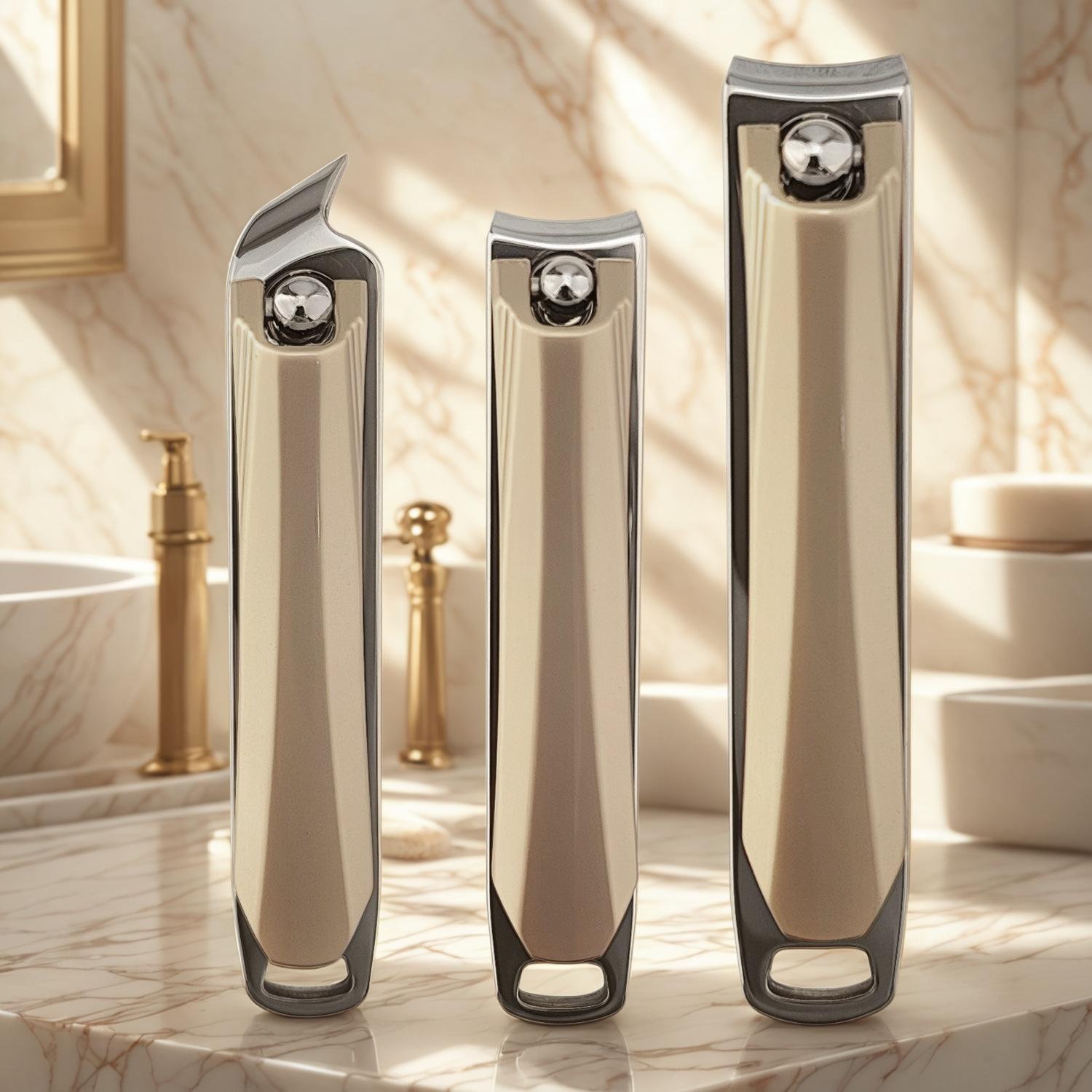
Wholesale Nail Clippers for Salons, Retailers and B2B Beauty Buyers
Nail clippers are small tools, but they carry a large share of responsibility in professional grooming. A salon needs clippers that cut cleanly, feel secure in the hand and hold up to frequent use. A retailer needs products that look credible on the shelf and meet everyday consumer expectations. A beauty supply buyer needs consistency across bulk orders so the product can be sold, stocked or used without unnecessary returns.
For B2B buyers, nail clippers wholesale purchasing is not only about obtaining a lower unit cost. It is about choosing tools that fit the service environment, the target customer and the way inventory moves through the business. Olimor Beauty offers nail clipper options including the NCB3100 series, with models such as NCB3100, NCB3101 and NCB3102 referenced for professional grooming supply needs. The series is described with ergonomic designs, high-quality steel, anti-slip handles and built-in nail files, making it relevant for salons, beauty retailers and grooming product distributors.
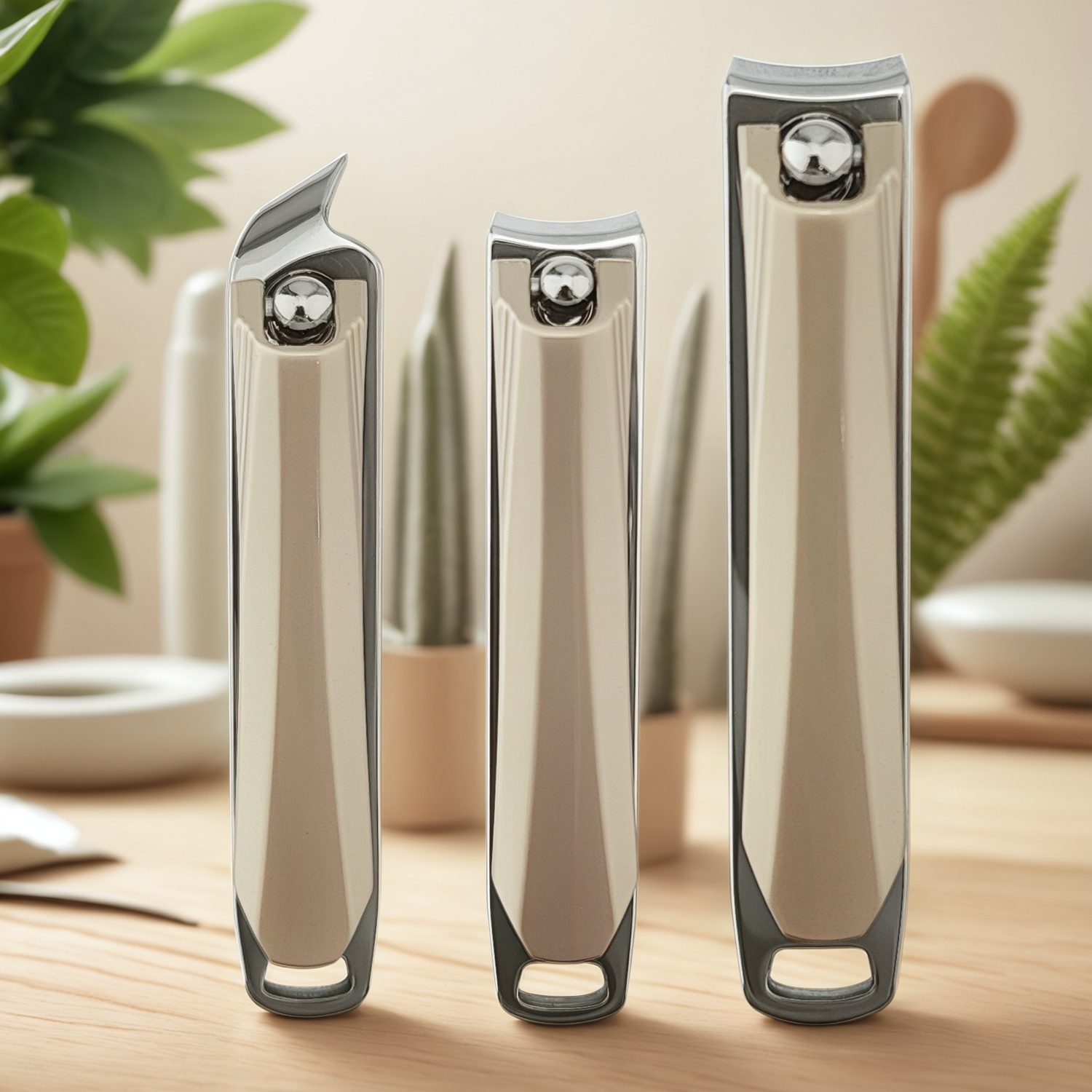
Why Nail Clippers Matter in B2B Beauty Supplies
In a salon or retail beauty business, basic tools often determine whether customers trust the rest of the service or product range. A nail clipper that bends, slips or leaves rough edges creates a poor impression quickly. By contrast, a well-made clipper supports faster service, cleaner trimming and a more comfortable grooming experience.
Wholesale purchasing also helps businesses keep enough stock on hand. Salons may need multiple clippers for different stations, staff members or service areas. Retailers may need a dependable grooming item that can be replenished regularly. Distributors and private-label buyers may evaluate nail clippers as part of a broader personal care assortment alongside files, scissors, tweezers and other grooming tools.
When reviewing beauty tool products, B2B buyers should look beyond the surface finish. A good wholesale nail clipper program should consider cutting performance, handle control, edge alignment, packaging suitability, maintenance needs and consistency from batch to batch.
What to Check Before Buying Nail Clippers Wholesale
A nail clipper can appear simple in a product photo, but several details affect whether it performs well in daily use. The following checklist helps purchasing teams compare options more objectively:
- Cutting precision: The upper and lower cutting edges should meet evenly, helping the clipper trim rather than crush the nail.
- Steel quality: High-quality steel is important for durability, edge retention and a clean cutting feel.
- Grip and control: Anti-slip handles can help reduce hand movement during trimming, especially in busy salon environments.
- Ergonomic shape: An ergonomic design may reduce strain for professionals who use grooming tools repeatedly throughout the day.
- Built-in file: A built-in nail file adds value for retail buyers and offers convenience after trimming.
- Finish consistency: Edges, corners and lever surfaces should feel smooth enough for comfortable handling.
- Packaging fit: Packaging should match the sales channel, whether the product is for salon backbar use, retail display or promotional kits.
- Inspection process: Quality assurance should address durability and precision so that bulk orders remain consistent.
These checks are useful whether you are comparing the NCB3100 series with other nail grooming tools or building a broader beauty supply selection for multiple customer groups.
Understanding the NCB3100 Series for Professional Use
The NCB3100 series from Olimor Beauty is positioned for nail clippers wholesale and B2B beauty supply needs. The source information identifies NCB3100, NCB3101 and NCB3102 models, with functional details including ergonomic design, high-quality steel, anti-slip handles and built-in nail files. Those features are practical for buyers because they address the most common points of failure in low-quality nail clippers: poor grip, weak cutting action and limited finishing capability after trimming.
For salons, ergonomic handling is especially important. A technician may trim nails many times in a week, and an awkward lever can slow down the process. Anti-slip handle details can support a steadier grip, particularly when the tool is used in a fast-paced service setting. For retail, the built-in file can make the product easier to explain to shoppers because it combines trimming and basic smoothing in one compact tool.
Model selection should still be based on intended use. A salon-focused buyer may prioritize hand feel, cleaning workflow and service durability. A retailer may focus on appearance, packaging, display efficiency and customer-perceived value. A distributor may care most about assortment planning: whether multiple nail clipper options are needed for different end users or whether one series can cover the majority of demand.
Salon, Retail and Distributor Use Cases
Not every B2B buyer uses wholesale nail clippers in the same way. Defining the use case before purchasing helps avoid overbuying the wrong configuration or underestimating the need for replacement stock.
| Buyer type | Main priority | Practical buying focus |
|---|---|---|
| Salon or nail service business | Reliable daily trimming | Grip comfort, clean cutting action, easy station storage and repeatable quality |
| Beauty retailer | Consumer resale | Packaging, visible value features, clear product information and shelf presentation |
| Distributor or wholesaler | Assortment depth | Bulk consistency, product range planning and suitability for different customer segments |
| Hotel, spa or amenity buyer | Guest grooming convenience | Compact format, safe handling and compatibility with personal care kits |
This type of comparison is useful when reviewing product collections because it links product selection to actual business conditions. A clipper that works well for retail checkout displays may not be the same product a salon wants for repeated professional use. Likewise, an importer or distributor may need a balanced assortment rather than a single item.
Quality and Maintenance Considerations for Long-Term Value
Wholesale value is not only the cost of purchase. It is also the cost of replacement, complaints, slow service and product waste. A nail clipper that loses alignment or becomes uncomfortable to use can create hidden costs even if the initial unit price appears attractive.
Olimor Beauty is described as using strict quality assurance, with items tested for durability and precision. For B2B buyers, that kind of quality focus is relevant because nail clippers are often bought in quantity and distributed across many users. Consistency matters: one poor item in a retail pack or salon station can affect customer confidence.
Maintenance practices should also be considered. Salons need hygiene routines appropriate to their local service standards. Retail consumers benefit from simple care instructions. Buyers can support longer product life by planning how the clipper will be stored, cleaned and handled after use. In general, nail clippers should be kept dry, protected from unnecessary impact and checked periodically for cutting alignment. If a built-in file is included, the file surface should remain clean enough to perform its smoothing function.
How to Evaluate a Salon Equipment Supplier
A strong supplier relationship helps B2B buyers move from one-time purchasing to dependable inventory planning. When comparing salon equipment suppliers for nail clippers wholesale, buyers should review both the tool itself and the supplier’s ability to support commercial purchasing decisions.
- Clarify the sales channel. Decide whether the clippers are for professional use, retail resale, kits, distribution or a mixed channel.
- Review physical samples where possible. Check the cutting feel, lever movement, grip surface, built-in file and finish quality.
- Compare models by use case. If reviewing NCB3100, NCB3101 and NCB3102, match each option to the customer group rather than assuming one model fits every buyer.
- Check packaging and presentation needs. Retail channels may require different packaging priorities than salon backbar supply.
- Plan replenishment. Estimate how quickly stock will move through salons, retail shelves or distributor orders.
- Document quality expectations. Define acceptable finish, cutting alignment and inspection points before scaling up a purchase.
For buyers who need product details, customization discussion or wholesale purchasing support, it is practical to contact Olimor or send an inquiry with your intended sales channel, order goals and packaging requirements.
Building a Better Wholesale Nail Clipper Assortment
The best nail clipper assortment is usually built around real customer behavior. Salons want dependable tools that can be used confidently throughout the workday. Retail shoppers want a clipper that feels sturdy, cuts smoothly and offers a useful extra such as a nail file. Distributors want products that are easy to explain, reorder and position within a wider beauty supply catalog.
Wholesale buyers should avoid choosing only by appearance or price. Instead, focus on the details that determine whether the tool will keep performing after repeated use: steel quality, blade alignment, grip security, ergonomic handling and inspection consistency. The NCB3100 series, including the NCB3100, NCB3101 and NCB3102 models mentioned for Olimor Beauty, gives B2B buyers a relevant starting point for evaluating professional nail grooming tools with anti-slip handles and built-in nail files.
For salons, retailers and beauty supply companies, nail clippers are everyday products that should be selected with the same care as larger salon equipment. A well-chosen wholesale nail clipper can support smoother services, more reliable resale and better customer trust across the grooming category.
Tag: