

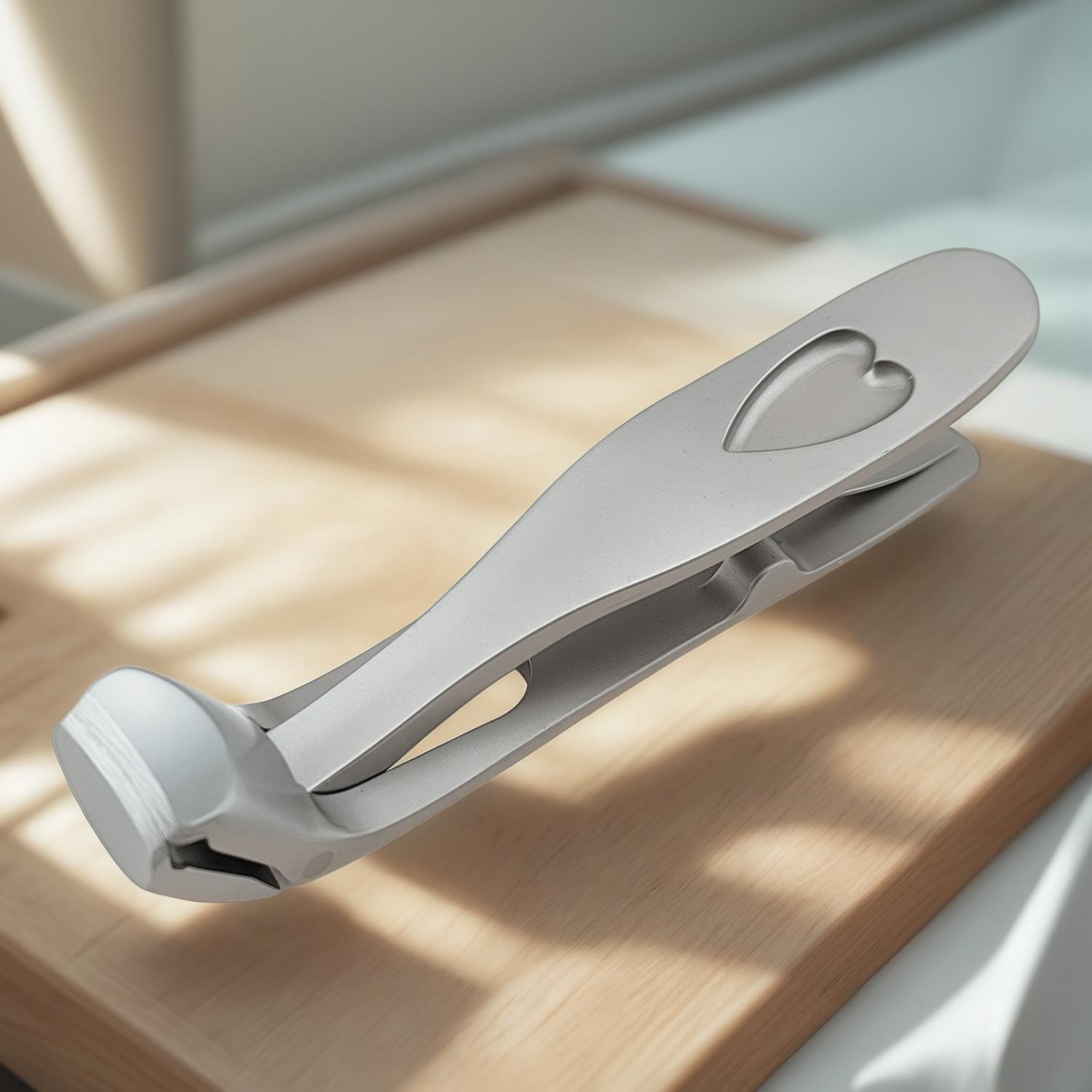
Nail Clippers Supplier Guide: Quality, Sustainability and Wholesale Buying Criteria
For spas, salons, grooming retailers and personal care distributors, nail clippers are small tools with a large impact on customer satisfaction. A clipper that feels stable in the hand, cuts cleanly and maintains its finish can support a professional impression every day. A poorly chosen clipper can bend, snag, rust prematurely or feel uncomfortable after repeated use. Choosing a nail clippers supplier is therefore not only a purchasing task; it is a quality decision that affects service consistency, retail returns and brand trust.
Olimor Beauty works in the beauty tools field with a focus on practical personal care tools, including nail clippers for grooming applications. When comparing suppliers, buyers should look beyond a polished product photo and evaluate the details that determine whether a clipper is suitable for spa use, salon retail, travel kits, gift sets or everyday home grooming.
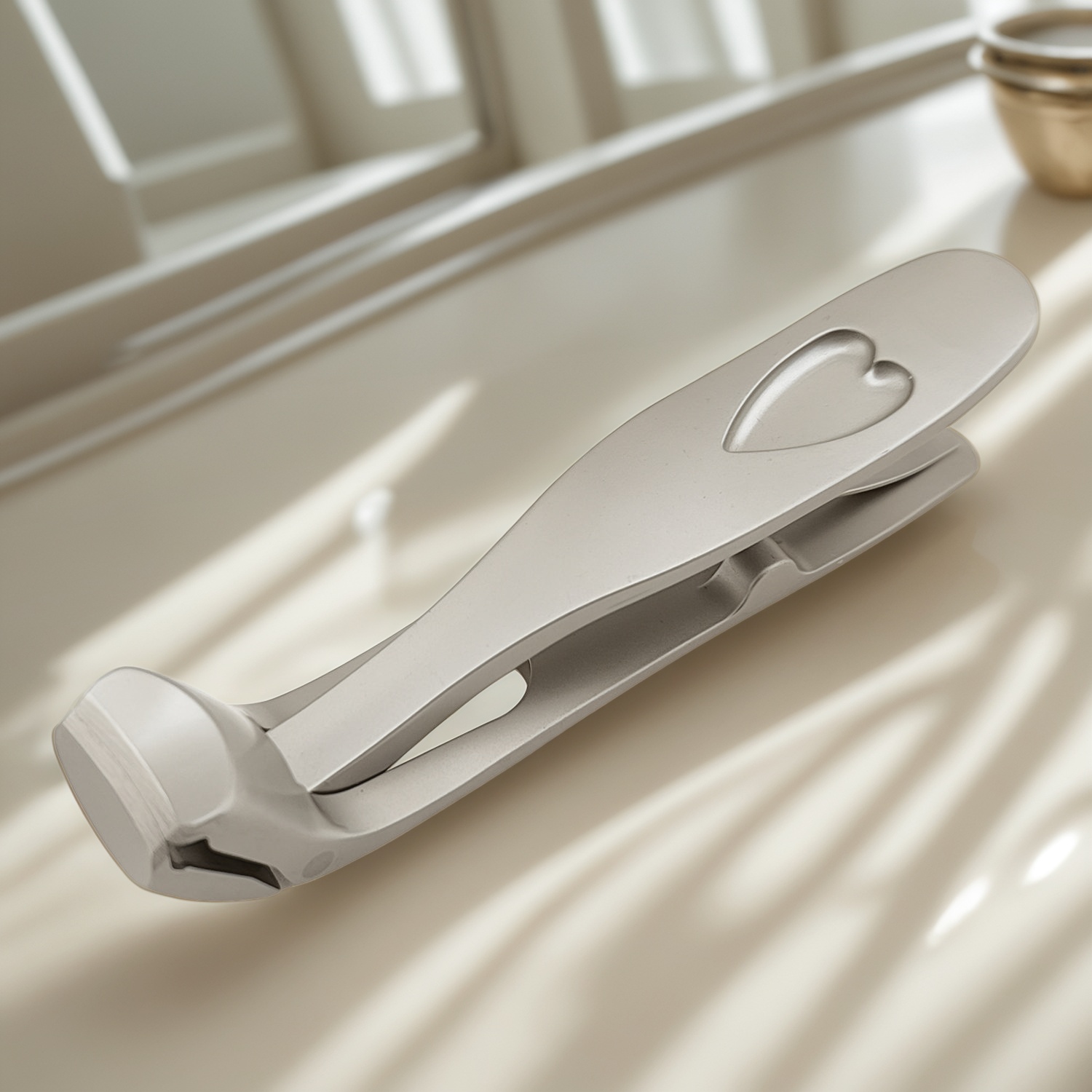
What Makes a Nail Clippers Supplier Worth Shortlisting?
A reliable supplier should make it easy for buyers to understand the tool, compare options and build a repeatable sourcing plan. Nail clippers may appear simple, but performance depends on many factors: blade alignment, cutting edge consistency, handle leverage, surface finishing, packaging protection and batch-to-batch stability.
When reviewing a supplier, start with the buyer experience. Clear product communication is a positive sign. You should be able to understand the intended use of the clipper, the general design features, packaging possibilities and the best way to request product information. A supplier serving professional and wholesale channels should also understand that a spa, a retail chain and a promotional gift buyer may require different priorities.
For example, spa personal care tools wholesale buyers often care about hand comfort, easy cleaning and consistent feel across repeated use. Retail buyers may place more emphasis on attractive presentation, compact packaging and product differentiation. Distributors may prioritize assortment planning, carton-level consistency and dependable communication. You can browse related beauty tool products to compare how different personal care tools are positioned for varied use cases.
Quality Signals to Check Before Ordering Nail Clippers
The most important quality question is whether the clipper cuts cleanly without crushing or tearing the nail. Sharpness matters, but so does blade alignment. Two edges that do not meet evenly can leave jagged cuts, require extra pressure or create inconsistent results from one tool to another.
Buyers should also evaluate how the lever feels under controlled pressure. A good nail clipper should open and close smoothly, offer enough leverage for its intended nail type and return predictably after each cut. If the lever feels loose, rough or unstable, that may affect both perceived value and long-term user satisfaction.
Surface finishing is another important consideration. A smooth finish helps the product look professional and can reduce discomfort during handling. Edges around the handle, lever and nail file area, if present, should feel clean rather than sharp or unfinished. For wholesale sourcing, packaging protection should also be assessed because cosmetic damage during transport can make otherwise functional tools harder to sell.
- Cutting performance: The blades should meet evenly and cut with controlled pressure.
- Ergonomic feel: The lever should be comfortable for repeated use and easy to grip.
- Finish consistency: Surfaces should be clean, smooth and suitable for the target retail or professional setting.
- Assembly stability: Moving parts should not feel loose, misaligned or excessively stiff.
- Packaging suitability: The packaging should protect the tool and match the sales channel.
Matching Nail Clippers to Spas, Salons, Retail and Gift Sets
Not every buyer needs the same type of nail clipper. A spa purchasing tools for professional grooming stations may value a secure hand feel and easy cleaning more than decorative packaging. A retailer may want a compact item with a clean presentation and simple usage message. A gift set buyer may need nail clippers that coordinate visually with tweezers, scissors, files or other personal care tools.
Before comparing suppliers, define the use case clearly. This avoids overpaying for features that do not matter or choosing a design that fails in the intended environment. For example, a travel-focused grooming set may require a compact clipper that stores easily, while a professional pedicure environment may require stronger leverage and a larger grip. If your business is building a broader assortment, reviewing product collections can help identify how nail clippers may fit with other beauty and personal care tools.
| Buyer Type | Key Priorities | Helpful Evaluation Questions |
|---|---|---|
| Spa or salon | Comfort, hygiene workflow, repeat-use reliability | Does the clipper feel stable during frequent handling? |
| Retail brand | Appearance, packaging, perceived value | Does the product look consistent when displayed in quantity? |
| Distributor | Assortment fit, communication, repeat supply planning | Can the supplier explain options clearly for different channels? |
| Gift set buyer | Visual coordination, compact size, protective packaging | Does the clipper match the rest of the personal care set? |
Sustainability Considerations Without Greenwashing
Many buyers now search for a sustainable beauty tools supplier, but sustainability should be evaluated carefully and realistically. For nail clippers, meaningful sustainability decisions may involve product durability, responsible material selection, reduced unnecessary packaging, longer service life and efficient assortment planning. A tool that fails quickly creates waste even if it appears attractive at first glance.
Because sustainability claims can vary widely across suppliers and markets, buyers should focus on practical evidence and clear documentation rather than broad slogans. Consider whether packaging can be simplified, whether components are designed for durability and whether the product has a long enough usable life for the intended application. For retail programs, packaging should protect the product while avoiding excessive bulk that increases shipping volume and shelf waste.
It is also useful to think about sustainability at the assortment level. Instead of buying too many overlapping designs, build a focused selection: perhaps one compact clipper for travel, one standard clipper for daily grooming and one stronger option for pedicure use if appropriate. A streamlined assortment is easier to explain to customers and may reduce slow-moving inventory.
Wholesale Sourcing Questions That Prevent Costly Mistakes
Price is only one part of wholesale sourcing. A low unit cost can become expensive if the clipper has inconsistent cutting performance, packaging damage, unclear specifications or a high complaint rate. Before placing a larger order, buyers should create a written evaluation process. This helps purchasing, product development and quality teams make decisions based on shared criteria rather than personal preference.
A practical sourcing process may include sample comparison, usage testing, packaging review and internal feedback from people who understand the sales channel. For spa personal care tools wholesale, it can be helpful to have team members test the clipper after repeated opening and closing, because comfort issues may not appear during a quick first look.
- Define the target user: Professional technician, retail consumer, travel user or gift recipient.
- Set performance expectations: Clean cutting, stable lever action and comfortable grip.
- Review finish and appearance: Check surface smoothness, edge treatment and visual consistency.
- Inspect packaging: Confirm the item is protected and presentation matches the sales channel.
- Document feedback: Record sample results so future reorders can be compared consistently.
If you are preparing a sourcing brief, include your preferred application, target market, packaging expectations and any design considerations. This makes communication more efficient when you send an inquiry or contact Olimor for product discussions.
Maintenance and User Education for Better Product Experience
Even a well-made nail clipper performs best when used and maintained properly. For professional environments, basic tool care instructions can help extend product life and support a consistent grooming experience. Retail buyers can also benefit from simple user guidance on packaging or product pages, especially if the clipper is part of a grooming kit.
Users should clip nails in small sections rather than forcing a single heavy cut, especially on thicker nails. The tool should be kept dry after cleaning and stored where the cutting edges are protected from impact. If the clipper becomes dull, bent or misaligned, it should be replaced rather than used with excessive pressure. These simple practices reduce user frustration and help maintain the reputation of the product line.
For salons and spas, internal procedures matter. Tools should be handled according to the hygiene standards required in the local market and business setting. Staff should know which clipper is intended for which service and how to identify when a tool no longer meets professional expectations.
How to Build a Better Nail Clipper Assortment
A strong assortment does not need to be complicated. Most buyers benefit from selecting nail clippers based on clear customer needs rather than carrying too many similar items. If your market includes everyday grooming customers, a standard clipper with reliable handling may be the core item. If your customers include travelers, a compact option can be valuable. If your business serves pedicure-focused environments, leverage and grip become more important.
Visual consistency also matters. When nail clippers are sold alongside tweezers, manicure scissors, files or other beauty tools, the finish and packaging should feel coordinated. This does not require inventing a complex product story; it simply means the tools should look like they belong together and serve a clear grooming purpose.
Ultimately, the right nail clippers supplier helps buyers make practical decisions: which design fits the use case, what quality details to compare, how to present the product and how to avoid unnecessary risk in wholesale sourcing. By focusing on cutting performance, ergonomics, finishing, packaging and responsible product planning, spas, salons, retailers and distributors can choose nail clippers that support dependable grooming results and long-term customer confidence.
Tag: