

Nail Clippers Supplier Guide: Precision, Quality, and Wholesale Buying Criteria
Choosing a nail clippers supplier is not just a price comparison. For retailers, distributors, salons, and beauty-tool buyers, the right clipper must feel stable in the hand, cut cleanly, resist daily wear, and arrive with consistent finishing from order to order. A nail clipper is a small tool, but customers notice immediately when the edges feel rough, the lever is loose, or the blades crush instead of clip.
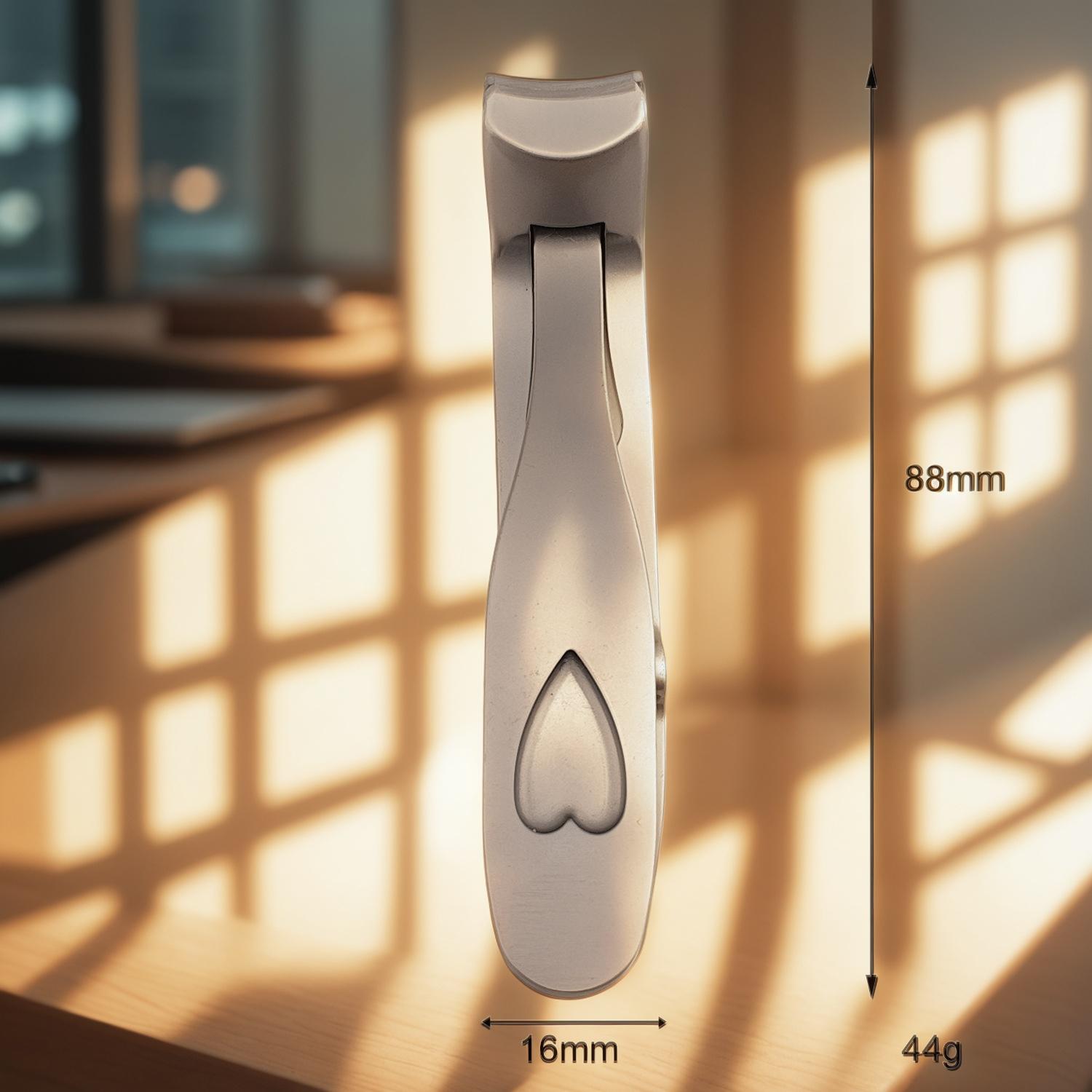
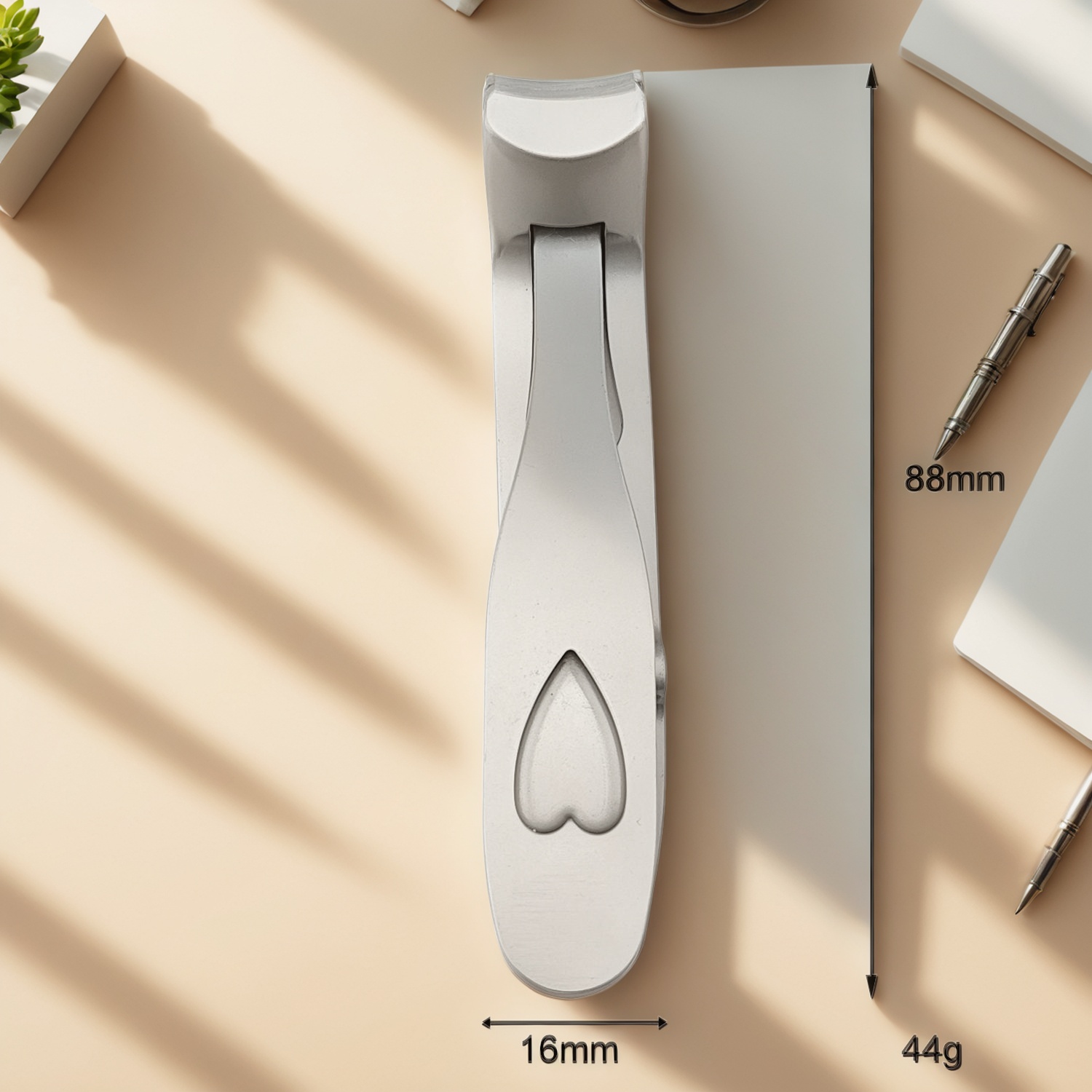
Olimor Beauty focuses on practical grooming tools designed for dependable use. The nail clipper featured here is made from stainless steel and is designed for precision grooming with a balanced size and weight: 88mm in length and 44g in weight. It also includes a heart cut-out detail, giving the tool a recognizable decorative element without reducing its everyday function.
If you are sourcing nail clippers for wholesale, private retail assortments, salon resale, travel grooming kits, or personal-care gift sets, the following guide explains what to evaluate before selecting a supplier and how to judge whether a clipper is suitable for your market.
Start With the Real Use Case for the Nail Clipper
A good sourcing decision begins with the end user. Nail clippers sold in a beauty retail store may need a polished appearance and giftable detail. Clippers included in grooming kits need durability, compact storage, and predictable operation. Salon resale products should feel professional enough that a customer trusts them after a technician recommends them.
Before comparing suppliers, define the intended channel and user expectation. A nail clipper for everyday home grooming should cut fingernails cleanly without requiring excessive pressure. A tool intended for tougher nails should have a secure grip and a lever that does not feel flimsy. A gift-oriented product can benefit from a visual accent, such as the charming heart cut-out on this Olimor Beauty clipper, while still keeping the structure practical.
Useful buyer questions include:
- Will the clipper be sold as a single beauty tool or as part of a grooming set?
- Is the target customer buying for personal use, professional recommendation, travel, or gifting?
- Does the product need a decorative detail, or should the design stay minimal?
- What level of hand feel does the market expect: lightweight convenience or a more substantial grip?
- How important are display packaging, barcode readiness, or retail presentation for the sales channel?
Material and Construction: Why Stainless Steel Matters
The supplied nail clipper is crafted from stainless steel, a common choice for grooming tools because it offers a strong balance of durability, hygiene, and resistance to ordinary moisture exposure. For a nail clipper, material choice affects more than appearance. The metal must support blade alignment, hold its shape under repeated pressure, and provide a surface that can be cleaned easily after use.
When assessing a stainless steel nail clipper, look closely at the visible finish. Edges should be smooth enough to handle comfortably. The cutting jaws should align evenly when closed. The lever should lift and press without an unstable side-to-side feel. A bright finish can look attractive, but buyers should not judge by shine alone; cutting performance and assembly consistency matter more over time.
For wholesale grooming tools, repeatability is especially important. A sample may look good, but a reliable supplier should be able to maintain the same finish, blade alignment, and lever action across production. This is where inspection procedures and communication become as important as the product itself.
Ergonomics, Size, and Cutting Control
Small differences in size and weight can change how a nail clipper performs. The Olimor Beauty clipper is 88mm long and weighs 44g. This gives buyers concrete dimensions to evaluate during assortment planning. An 88mm tool is large enough to provide a confident hand position while remaining suitable for personal grooming storage. At 44g, it has enough presence to feel stable without becoming inconvenient for routine use.
Ergonomics are not only about softness or curves. For nail clippers, ergonomics involve leverage, grip area, pressure control, and the ability to position the blade accurately. A generous grip can make clipping more controlled, particularly for users who dislike small, slippery tools. A well-balanced clipper helps prevent twisting while cutting, which can reduce jagged nail edges.
When reviewing a nail clipper sample, test it in realistic conditions. Clip different nail thicknesses, check whether the cut feels clean, and observe whether the clipped nail edge needs excessive filing afterward. If several people test the same sample, compare their feedback on pressure, comfort, and control. A clipper that feels acceptable to only one hand size may not be the best choice for a broad retail audience.
Quality Checks From Raw Material to Final Packaging
Olimor Beauty emphasizes quality checks and inspections from raw materials through final packaging. For buyers, this type of process matters because nail clippers combine multiple quality points: metal material, forming, blade edge preparation, hinge or pin stability, lever function, surface finish, decoration, and packaging condition.
A strong inspection approach should reduce common nail clipper problems such as misaligned jaws, rough edges, weak lever rebound, cosmetic scratches, inconsistent decorative cut-outs, or packaging damage. Even if a tool is inexpensive, poor consistency can create returns, complaints, and lower repeat purchase rates.
When comparing suppliers, consider building a simple inspection checklist instead of relying on a general statement that a product is “high quality.” The checklist below can help buyers evaluate samples and pre-shipment goods more consistently.
| Quality point | What to check | Why it matters |
|---|---|---|
| Blade alignment | Jaws meet evenly when closed | Supports clean clipping and reduces crushing |
| Lever action | Pressing feels stable, not loose or overly stiff | Improves control and user confidence |
| Surface finish | No sharp burrs, deep scratches, or rough handling areas | Affects comfort and perceived quality |
| Grip comfort | Tool remains secure during normal use | Reduces slipping and uneven cuts |
| Packaging | Clean, protective, and suitable for the sales channel | Protects the product and supports retail presentation |
Design Details That Add Value Without Reducing Function
Decorative design can help a nail clipper stand out, but it should never interfere with the tool’s basic purpose. The heart cut-out on this Olimor Beauty nail clipper gives the item a softer, gift-friendly identity while keeping the focus on grooming performance. For beauty retailers, small visual details can support merchandising, especially when products are displayed near nail files, manicure accessories, or personal-care gift items.
However, buyers should treat decoration as one part of the product value rather than the main reason to purchase. A clipper that looks appealing but feels uncomfortable will not create repeat customers. During sampling, examine whether decorative openings are cleanly finished and whether they affect grip strength or handling. The best design details are noticeable, easy to understand, and compatible with long-term use.
Wholesale Sourcing Questions for Nail Clippers
When choosing a grooming tools wholesale partner, organize your sourcing conversation around product suitability, consistency, and commercial readiness. You do not need to know every technical term to make a good decision, but you do need clear sample evaluation and practical order requirements.
Consider these points before confirming a supplier:
- Sample performance: Test cutting comfort, grip, blade closure, and finish before discussing larger orders.
- Assortment fit: Decide whether this stainless steel nail clipper belongs in a basic grooming range, a manicure accessory group, or a gift-oriented product mix.
- Packaging needs: Confirm whether the packaging approach fits e-commerce, retail display, salon resale, or distributor cartons.
- Consistency controls: Use an agreed quality checklist for material appearance, blade alignment, lever movement, and packaging condition.
- Brand presentation: If the clipper will be part of a broader beauty-tool line, make sure its finish and design language match your other items.
- Documentation and communication: Keep specifications, approved sample notes, and packaging references organized to avoid confusion during repeat orders.
Buyers exploring more categories can compare related beauty tool products to build a cohesive grooming assortment. If you are planning a wider retail range, browsing Olimor product collections can also help you consider how nail care tools fit beside other beauty accessories.
Maintenance Guidance to Support Customer Satisfaction
Product quality is only part of the user experience. Clear care guidance helps customers keep a nail clipper performing well. Stainless steel is durable, but any grooming tool benefits from simple cleaning and dry storage. Retailers and distributors can include care notes in product pages, packaging inserts, or customer support materials.
Recommended user guidance can include wiping the clipper after use, keeping the cutting area free of nail debris, storing the tool in a dry place, and avoiding use on materials other than nails. If the clipper is shared within a household or professional setting, cleaning between users is a sensible hygiene practice. These basic instructions reduce misuse and help protect the customer’s impression of the tool.
When to Choose Olimor Beauty as a Nail Clippers Supplier
Olimor Beauty is a relevant option for buyers who want a stainless steel nail clipper with practical dimensions, stable handling, and a decorative detail suitable for beauty retail or gifting. The 88mm length and 44g weight give the clipper a clear physical profile for product listings and assortment planning, while the heart cut-out offers a simple visual feature that distinguishes it from plain utility clippers.
The most successful sourcing decisions combine sample testing with a clear understanding of the target customer. Look beyond generic claims and evaluate the tool in the hand: how it opens, how it presses, how the blades meet, how the finish feels, and how the final packaged product will appear to your buyer. For a small grooming item, these details are what separate a forgettable product from one customers continue using.
To discuss nail clippers or related beauty-tool sourcing, you can contact Olimor for product communication or send an inquiry with your intended market, packaging needs, and sample evaluation priorities. A focused brief will make it easier to match the nail clipper to your wholesale, retail, or personal-care product plan.
Tag: