

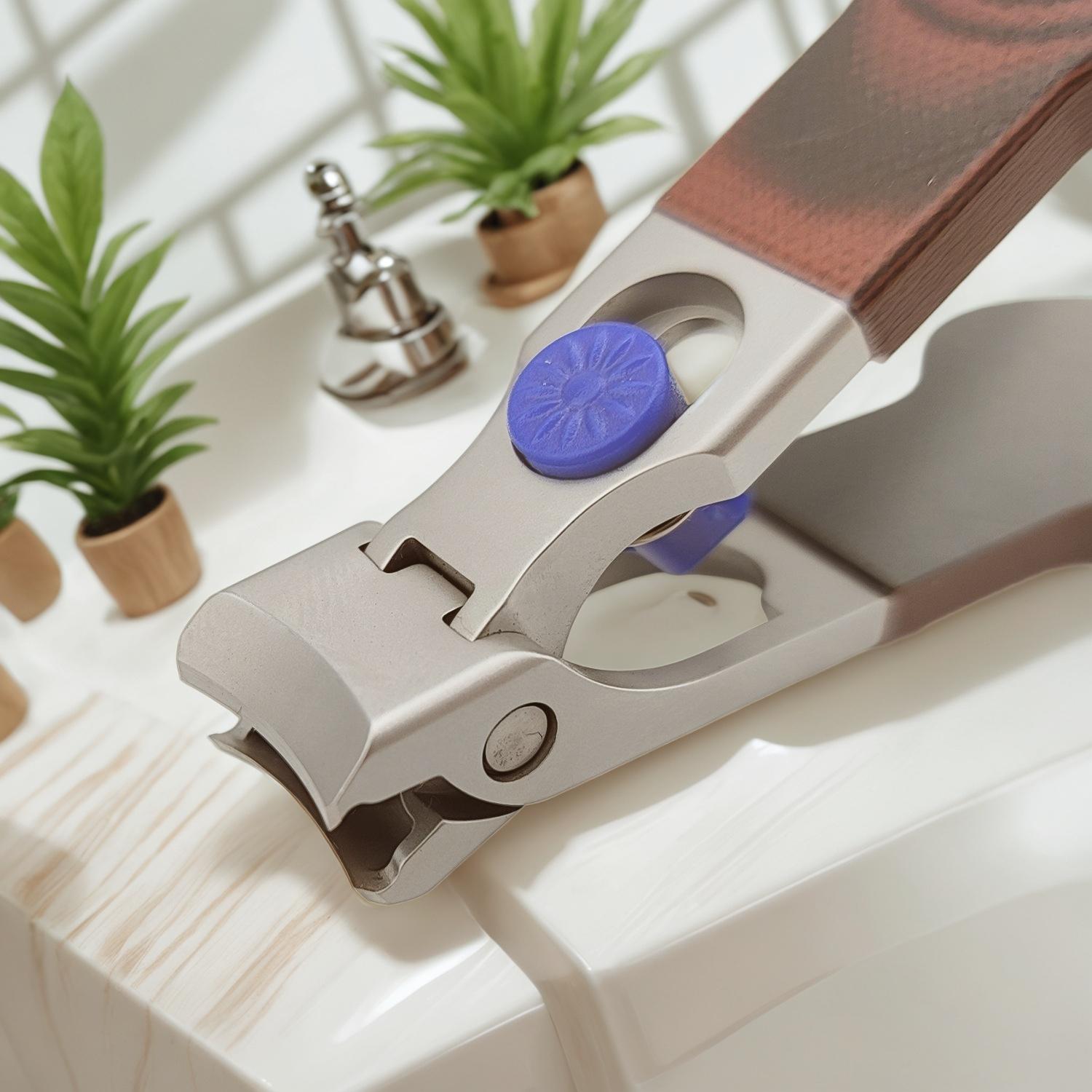
Nail Clippers Supplier Selection for Precision Grooming Tools
Choosing a nail clippers supplier is not only a price comparison exercise. For beauty retailers, distributors, salons, grooming kit brands and promotional product buyers, nail clippers sit in a demanding category: the product is small, frequently used and judged immediately by its cutting feel. A clipper that pulls, bends, slips or rusts can damage customer trust even if the rest of a grooming set looks attractive.
A reliable supplier should help you source tools that are consistent, comfortable to use and appropriate for your selling channel. Whether you are building a basic personal care assortment, expanding a grooming tools wholesale program or comparing a beauty tools manufacturer for private-label planning, the most important questions are practical: how cleanly does the clipper cut, how stable is the lever, how smooth are the edges, and how consistently can the supplier repeat the same quality across batches?
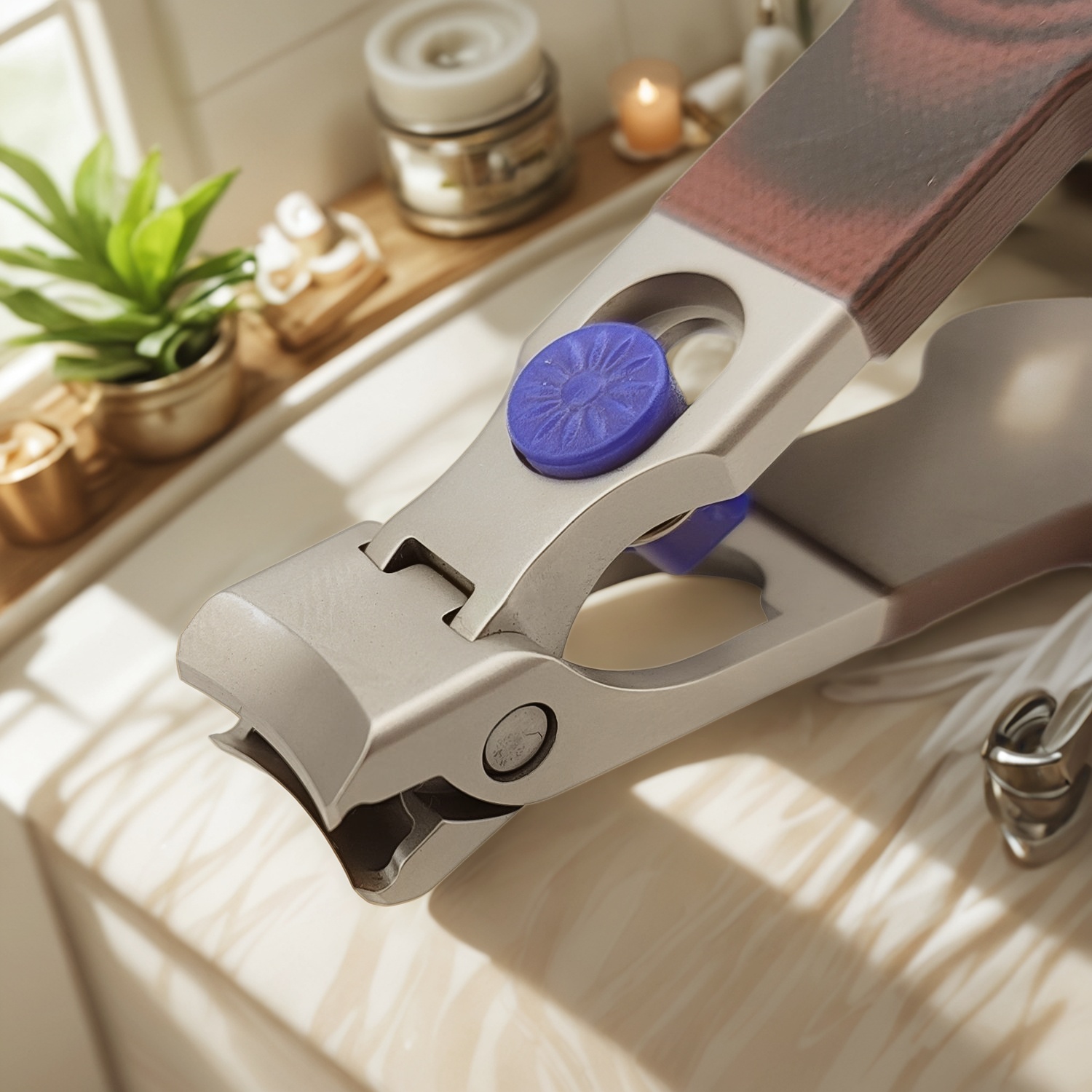
What a Good Nail Clippers Supplier Should Help You Control
Nail clippers look simple, but buyers know that small differences create very different user experiences. The jaw alignment, cutting edge sharpness, spring response, lever pressure and surface finishing all affect how the product feels in hand. A suitable supplier should be able to discuss these details clearly instead of only showing a catalog image.
For business buyers, consistency is often more important than a single impressive sample. One sample can perform well, but a finished order must maintain the same cutting quality, appearance and packaging condition. This is why a supplier's approach to inspection, sample confirmation and production communication matters. Olimor Beauty focuses on grooming and beauty tools, and buyers can review broader categories through beauty tool products when comparing nail clippers with related personal care items.
When assessing a supplier, start with the user's hand and nail. A nail clipper should cut cleanly without requiring excessive force. The lever should not feel loose, sharp or unstable. The body should feel balanced rather than flimsy. The finish should be smooth enough for personal care use, with no burrs around the edges or corners. These basic checks are more useful than relying on vague claims about premium quality.
Key Product Criteria for Precision Grooming Tools
Precision in nail clippers is created by a combination of material forming, edge preparation, assembly and finishing. Buyers do not need to be engineers to evaluate it, but they should use a repeatable checklist. The goal is to decide whether a supplier can provide clippers that are suitable for your customers, your packaging format and your expected price position.
- Cutting alignment: The upper and lower cutting edges should meet evenly. Misalignment can cause nails to split or leave ragged edges.
- Cutting feel: A good clipper cuts with controlled pressure. It should not require a painful squeeze or feel like the lever may flex.
- Edge finishing: Surfaces that contact fingers should be smooth. Rough corners or burrs can make the tool feel cheap or unsafe.
- Lever stability: The lever should rotate smoothly and remain secure during use. Loose parts create a poor first impression.
- Size suitability: Smaller clippers may work for travel kits or fingernails, while larger formats may be preferred for toenails. Do not assume one size serves every market.
- Surface appearance: Polishing, plating or coating should be visually consistent. Uneven color, scratches or stains can lead to returns before the product is even used.
- Packaging fit: The clipper should sit securely in the package, especially for retail display or multi-piece grooming sets.
It is also wise to test the clipper on different nail thicknesses during sample review. A product that works on thin nails may not perform well on thicker toenails. If your target market includes travel retail, salon resale, men's grooming, family care or gift sets, the appropriate design may differ.
Wholesale Buying: Matching Nail Clippers to Your Sales Channel
Grooming tools wholesale decisions should be guided by where and how the products will be sold. A nail clipper for a low-cost convenience assortment has different requirements from a clipper included in a giftable manicure set. A supplier that understands this distinction can help you avoid overpaying for features your customers do not value, or under-specifying a product that needs a better finish.
For retail shelves, packaging appearance and barcode-ready presentation may be important. For salons, cutting performance and durability may carry more weight than decorative packaging. For e-commerce, product photos, clear dimensions and protective packing matter because customers cannot touch the tool before purchase. For promotional kits, branding space and uniform appearance may be priorities.
Use this simple channel-based comparison when preparing a request or reviewing samples:
| Sales channel | Main buyer concern | What to check first |
|---|---|---|
| Retail display | Visual appeal and consistent packaging | Surface finish, package fit, labeling space |
| Salon resale | Reliable cutting performance | Jaw alignment, lever strength, comfort |
| E-commerce | Low return risk and clear presentation | Accurate size details, protected packing, finish consistency |
| Grooming kits | Compatibility with other tools | Matched appearance, compact size, set layout |
| Promotional programs | Branding and repeatable appearance | Logo area, color consistency, packaging options |
Buyers comparing related categories can also browse Olimor product collections to think about how nail clippers may sit alongside tweezers, scissors, manicure tools or other beauty accessories.
Questions to Use When Comparing Beauty Tools Manufacturers
A beauty tools manufacturer should be able to answer questions in a way that helps you reduce uncertainty. The strongest questions are specific and tied to your order purpose. Instead of asking whether a clipper is high quality, ask how the cutting edge is checked, whether packaging can protect the finish during shipping, and what sample approval steps are used before bulk production.
- Define the intended user. Is the clipper for fingernails, toenails, travel kits, salon resale or a multi-piece grooming set?
- Confirm the preferred size and shape. Ask for dimensions and compare them with your existing assortment or competitor products.
- Review cutting performance samples. Test several pieces, not just one, and check whether they feel consistent.
- Inspect surface and edge finish. Look for scratches, rough edges, uneven plating, stains or sharp non-cutting corners.
- Check packaging compatibility. Confirm how the clipper will be held, protected and presented.
- Clarify branding requirements. If you need a logo or custom packaging, define placement, artwork format and approval process early.
- Discuss inspection standards. Agree on what counts as unacceptable: misalignment, loose lever, visible defects, poor cutting or damaged packaging.
This process is especially important when the nail clipper is part of a larger grooming program. A single inconsistent component can weaken the perceived quality of the full set. If you are preparing a custom project or comparing options, you can send an inquiry with your intended channel, target user and packaging expectations.
Sample Review: How to Judge Nail Clippers Before Ordering
Sample approval should be systematic. Begin with appearance, then move to handling and cutting performance. Check the same details on every sample so that your decision is not influenced by one attractive finish or one unusually good piece.
First, inspect the clipper under normal light. Look at the body, lever, pin area and cutting edge. There should be no obvious dents, discoloration or rough finishing. Then open and close the lever several times. The motion should feel stable, and the lever should not wobble excessively. Finally, test cutting performance on appropriate nail samples or approved testing material. The cut should be clean and controlled.
If the product will be sold in packaging, review a packed sample as well. A loose clipper can scratch against the package, and tight packaging can make the item difficult to remove. For e-commerce, consider whether the package can withstand handling during shipping. For retail, consider whether customers can understand the size and function quickly from the presentation.
Maintenance Guidance That Adds Value for End Users
Even a well-made nail clipper performs better when customers use and store it properly. Including simple care guidance in product descriptions, inserts or online listings can reduce complaints and help users keep the tool in better condition.
- Use the clipper on clean, dry nails unless the product instructions indicate otherwise.
- Avoid forcing the clipper through nails that are too thick for its size.
- Wipe the cutting edges after use to remove nail residue and moisture.
- Store the clipper in a dry place rather than leaving it in a damp bathroom area.
- Do not use nail clippers to cut wire, plastic tags or other hard materials.
- Replace the clipper when the cutting edge becomes dull, damaged or misaligned.
These points are simple, but they are useful for retailers and distributors because they set realistic expectations. A nail clipper is a personal care tool, not a general cutting device. Clear care language can improve customer satisfaction without making unsupported claims.
Building a More Reliable Nail Clipper Sourcing Plan
The best nail clippers supplier for your business is the one that can match product performance, appearance, packaging and communication to your sales goal. Start with the customer experience: the clipper should feel secure, cut cleanly and arrive in good condition. Then evaluate whether the supplier can keep that standard consistent across the full order.
Olimor Beauty works with beauty and grooming tool buyers who need practical product options and clear sourcing communication. If you are planning a nail clipper order, preparing a grooming tools wholesale assortment or comparing beauty tools for a private-label project, define your preferred user, price position, finish, packaging and inspection priorities before requesting samples. For project discussion or product selection support, you can contact Olimor with your requirements and intended market.
A thoughtful sourcing process protects your brand from avoidable quality issues. By focusing on alignment, cutting feel, finish, packaging and repeatability, you can choose nail clippers that meet real user expectations and support a dependable grooming tools program.
Tag: