

How to Choose a Nail Clippers Supplier for Durable Bulk Nail Care Tools
Nail clippers look simple, but they can strongly affect how customers judge a salon, retail line or personal care kit. A clipper that cuts cleanly, feels steady in the hand and keeps its finish in daily use builds confidence. A clipper that bends, slips, tears the nail or arrives with inconsistent finishing creates complaints and returns. For that reason, choosing a nail clippers supplier is both a sourcing decision and a product-quality decision.
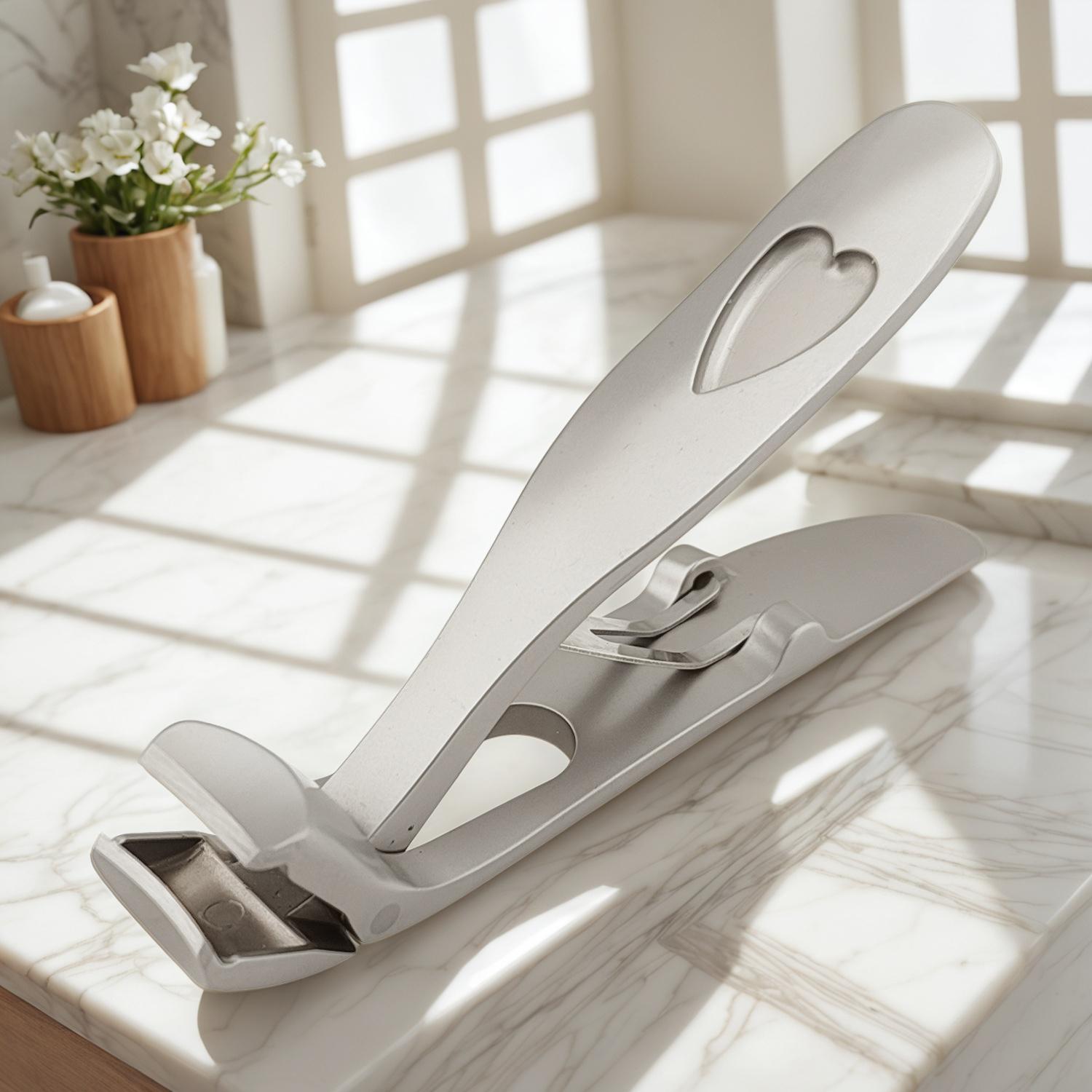
Olimor Beauty supplies durable nail care tools for bulk buyers who need practical grooming products with consistent presentation. The supplied product examples include stainless steel designs such as the Precision Nail Clipper with curved blades and ergonomic handling, and the Heart-Shaped Upper Toenail Clipper with a premium stainless steel body, precision sharpening and a decorative heart-shaped indentation. Those features are useful only if the tool also performs reliably in real use. This guide focuses on what B2B buyers should check before placing bulk or OEM orders.
What buyers should expect from a nail clippers supplier
A good supplier should help you match the tool to the channel. Retail buyers often need stable quality and simple packaging. Beauty gift programs may care more about styling and shelf appeal. Salon supply teams usually focus on cutting accuracy, strength and comfort during repeated use. Private label and OEM buyers need all of that plus clear control over branding, packaging and inspection.
For this category, the most important questions are straightforward: Does the clipper cut smoothly? Does it feel secure in the hand? Does the finish look consistent? Can the supplier keep the same standard from sample to bulk production? If the answer to any of these is unclear, the order is not yet ready.
Core product features that affect real use
When comparing nail clippers, do not stop at appearance. Small structural details change the user experience more than marketing language does.
Stainless steel construction
The supplied articles describe the featured nail clippers as stainless steel tools. That matters because stainless steel is commonly chosen for personal care products where durability and clean appearance are important. It can better suit ordinary bathroom and travel conditions than many lower-grade materials. Still, buyers should inspect the actual sample rather than assume the material name alone guarantees good performance.
Blade shape and cutting action
Curved or carefully sharpened blades should follow the natural shape of the nail and produce a clean cut. The goal is to avoid crushing, splitting or leaving jagged edges. For toenails in particular, the tool should feel firm under pressure. If the lever flexes too much or the jaws do not meet evenly, the user may need several attempts, which reduces satisfaction.
Ergonomics and hand feel
An ergonomic handle is not just a comfort feature. It helps users control the tool, especially when trimming harder-to-reach toenails or when salon staff repeat the action many times a day. A well-designed lever should feel stable, not loose, overly stiff or uneven. The clipper should sit naturally in the hand without awkward pressure points.
Visual design and brand fit
Decorative details can help a product stand out, but they should never interfere with function. The Heart-Shaped Upper Toenail Clipper adds a recognizable shape detail that can support beauty-boutique or gift-set positioning. At the same time, buyers should confirm that such shaping does not create sharp edges, cleaning problems or uncomfortable contact points.
How to evaluate samples before bulk ordering
Bulk purchasing requires more than approving a photo or one attractive sample. A sensible sample review should focus on how the tool behaves in hand and how consistently it is made.
| Review area | What to check | Why it matters |
|---|---|---|
| Jaw alignment | Close the clipper slowly and confirm both cutting edges meet evenly. | Poor alignment can cause tearing or uneven cuts. |
| Cut smoothness | Test on suitable nail samples or approved substitutes. | Shows whether the tool cuts cleanly rather than crushing the nail. |
| Lever resistance | Open and close the lever several times. | Reveals whether the action is stable, loose or overly stiff. |
| Surface finish | Check for burrs, stains, rough polishing marks or visible inconsistency. | Affects safety perception and retail presentation. |
| Repeated use | Cycle the tool many times and observe the feel. | Helps identify mechanical weakness before production. |
| Packaging fit | Confirm the clipper fits the intended box, pouch or display format. | Important for retail, travel kits and gift sets. |
These checks are especially important when the order will be repeated. One approved sample is useful only if the finished batch matches it closely. Buyers should define acceptance criteria in writing so there is less confusion later about what counts as acceptable finish, alignment and feel.
Supplier comparison: what matters most by channel
Different buyers use the same tool for different commercial goals. The table below shows how to compare supplier options based on real purchase intent.
| Buyer type | Main priority | Supplier signal to look for |
|---|---|---|
| Retail distributor | Stable quality and easy replenishment | Consistent finish, repeatable cutting performance and clear packaging control |
| Beauty salon | Comfort and daily reliability | Ergonomic feel, strong lever action and durable stainless steel construction |
| Gift set or boutique brand | Presentation and distinct design | Attractive shape details, clean surface finishing and packaging compatibility |
| OEM personal care brand | Brand fit and specification control | Flexible packaging, sample approval process and clear customization discussion |
This comparison is useful because the same nail clipper can be evaluated differently depending on how it will be sold. A minimalist pharmacy line may care most about utility. A beauty brand may want a more distinctive look. A salon buyer may put strength and control above all else.
Why design detail should support, not replace, function
It is easy to be drawn to a decorative feature, such as a shaped opening or a more playful profile. That can help a product stand out on a shelf, but it should not distract from the basics. A nail clipper that looks distinctive but cuts poorly will not hold customer trust.
The Heart-Shaped Upper Toenail Clipper is a good example of this balance. Its heart-shaped indentation adds visual character, while the stainless steel body and sharpened edge address the practical side of grooming. For sourcing teams, the lesson is simple: ask whether the design helps your market without making the tool harder to use, harder to clean or harder to package.
Bulk sourcing checks for durable nail care tools
Before confirming a larger order, use a short but disciplined review list. This keeps the purchasing process grounded in observable details rather than in appearance alone.
- Product function: Confirm cutting alignment, sharpness, lever strength and smooth operation.
- Material and finish: Review stainless steel appearance, polishing quality and burr control.
- Ergonomics: Check grip feel, control and the comfort of repeated pressing.
- Design suitability: Make sure the style matches your retail, salon or gift positioning.
- Packaging protection: Confirm the tool can travel safely and display cleanly.
- Production consistency: Compare the approved sample with expected bulk output.
For OEM or private label programs, buyers should also clarify whether branding, hang tags, printed boxes or pouch formats are available for the specific item. If your assortment includes more than one grooming tool, it can help to review the wider nail care collection and see how the clipper fits into a larger set.
Cost factors buyers should consider
When comparing supplier options, the lowest unit price is not always the best value. The real cost of a nail clipper includes quality consistency, packaging safety, inspection effort and the chance of returns after sale. A lower-cost tool that arrives with uneven jaws or weak lever action can become expensive once complaints are added in.
Useful cost-factor questions include: Does the design require special packaging protection? Is the finish simple or more decorative? Will your market expect extra quality checks because the item is used close to the skin and nails? Does the supplier provide clear sample confirmation before production? These questions help buyers compare offers more accurately than price alone.
For buyers building a broader merchandising plan, a focused product page can help. You can also browse Olimor product options to see how nail clippers may fit alongside other practical grooming tools.
Quality control and documentation
A reliable supplier should be able to discuss inspection logic clearly. That does not mean every buyer needs the same formal system, but it does mean expectations should be specific. Ask how samples are approved, how batch consistency is checked and how visible defects are handled before shipment.
Some buyers align incoming inspection with public sampling approaches such as ISO 2859-1, or with local consumer-protection and product-safety requirements where applicable. If you use any standard, verify the applicable version and ask the supplier for documentation that matches your market and internal QA process. Do not rely on the standard name alone.
For this product category, documentation can be especially helpful around packaging, sample approval and material description. Clear records reduce disagreements when the first production batch arrives.
When to choose a basic clipper and when to choose a more distinctive one
There is no single correct style for every buyer. The right choice depends on your customer and the role of the product in your assortment.
- Choose a basic functional clipper when your market prioritizes utility, broad appeal and simple restocking.
- Choose a more distinctive design when presentation, gifting or shelf impact matters.
- Choose a sturdier feel when the clipper will be used often in salons or by customers with thicker nails.
- Choose a compact, well-finished tool when it will be added to a travel kit or personal care set.
In every case, the same rule applies: the design should support the intended use, not compete with it.
How Olimor supports bulk buyers
Olimor Beauty supplies practical nail care tools for business buyers who need consistent sourcing and clear product positioning. The available product descriptions show attention to stainless steel construction, sharp cutting edges and ergonomic handling. Those are the right starting points for a bulk purchase conversation.
If you are building a private label or sourcing for a salon, retail program or grooming set, it helps to discuss the intended market, packaging style and quality expectations early. That makes it easier to match the right clipper type to your sales channel.
For direct discussion of a project, you can send an inquiry or contact the Olimor team with your target use case, packaging needs and sample review questions.
FAQ
Can I request samples before placing a bulk order?
Sample availability depends on the product and sourcing arrangement. Ask for a sample so you can review alignment, cutting feel, finish and packaging fit before confirming a larger order.
What is the usual MOQ for nail clippers?
MOQ can vary by item, customization level and packaging requirements. The safest approach is to ask the supplier directly for the current order structure for your chosen clipper.
Can nail clippers be customized for OEM or private label use?
Often, yes, but customization options depend on the product and order scope. Confirm what can be changed, such as packaging, branding or assortment structure, before you proceed.
How should buyers check quality before shipment?
Review sample approval, alignment, cutting smoothness, lever action, finish quality and packaging protection. If needed, align your inspection plan with the applicable version of a recognized sampling approach and keep supplier documentation on file.
What lead time should I expect?
Lead time is not fixed and can change with order size, customization and production scheduling. Ask the supplier for an updated timeline once your specifications are confirmed.
If you are sourcing durable nail clippers for retail, salon or OEM use, the best next step is a focused specification review. A clear conversation about material, cutting performance, finish and packaging will save time later and help you choose a supplier that fits your market.
Tag: