

How to Choose a Reliable Nail Clippers Supplier for Quality Personal Care Tools
Choosing a nail clippers supplier is a practical product-quality decision, not just a unit-price comparison. For beauty brands, grooming retailers, importers, distributors, salons and promotional kit buyers, nail clippers are small tools that customers judge quickly. If the blades do not meet evenly, the lever feels weak, the surface has burrs or the packaging arrives damaged, the problem can affect reviews, returns and confidence in the wider personal care range.
The right supplier should help you source nail clippers that cut cleanly, feel stable in the hand, use suitable materials, arrive with consistent finishing and match the expectations of your sales channel. Olimor Beauty works in the beauty tools field and offers personal care and nail care items for buyers evaluating practical grooming products. You can review related options in the Olimor personal care tool range while building your sourcing shortlist.
This guide explains how to evaluate a nail clippers supplier from a B2B buyer perspective: what to inspect in samples, which manufacturing and finishing details matter, how to compare cost factors, what to ask before ordering and how to review supplier claims without relying on unsupported promises.
What Makes Nail Clippers Worth Sourcing?
A nail clipper is a compact precision tool. Its performance depends on the relationship between the upper and lower cutting edges, the stability of the lever, the body material, the polishing quality and the repeatability of assembly. A polished catalog photo is not enough; buyers need to know whether production pieces will perform consistently.
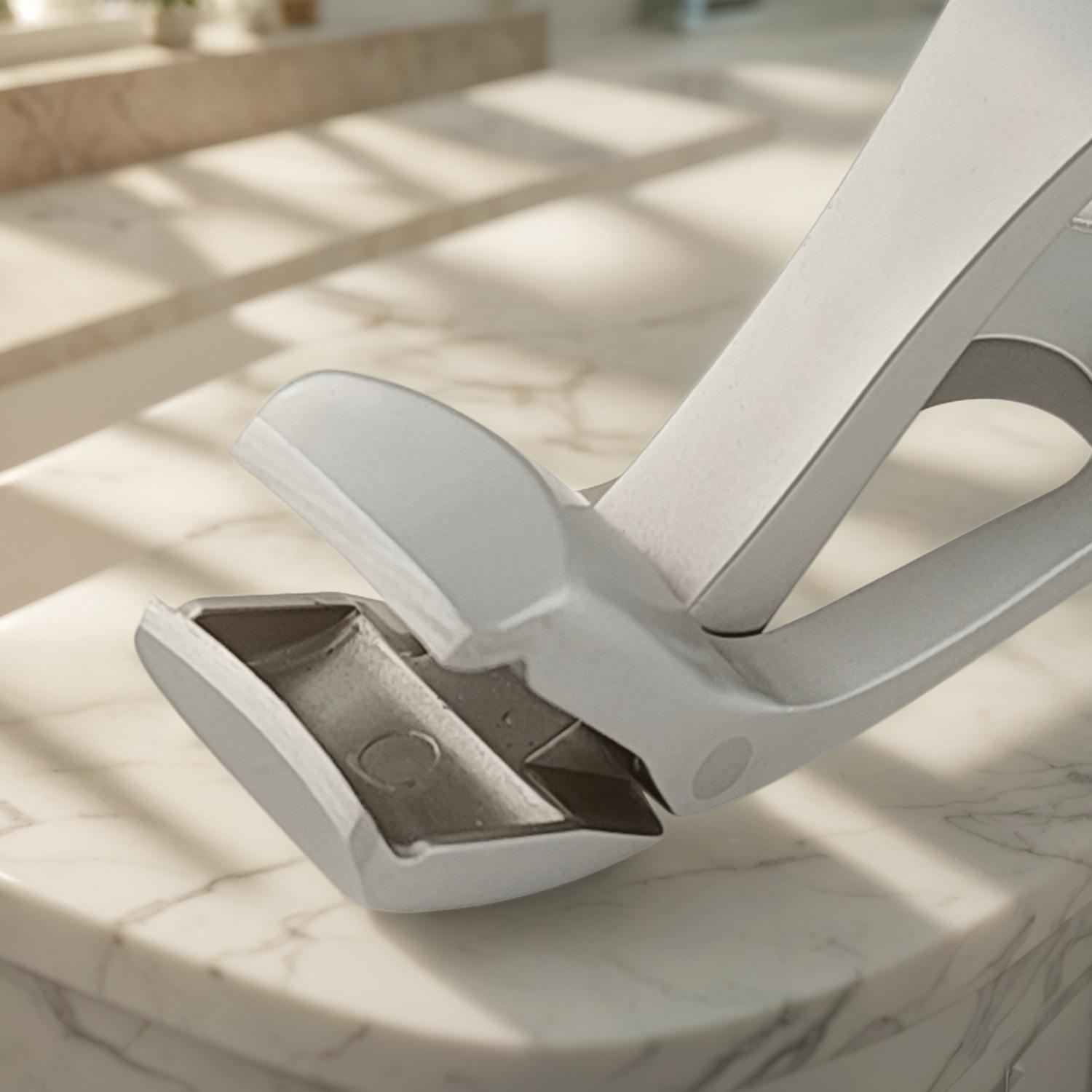
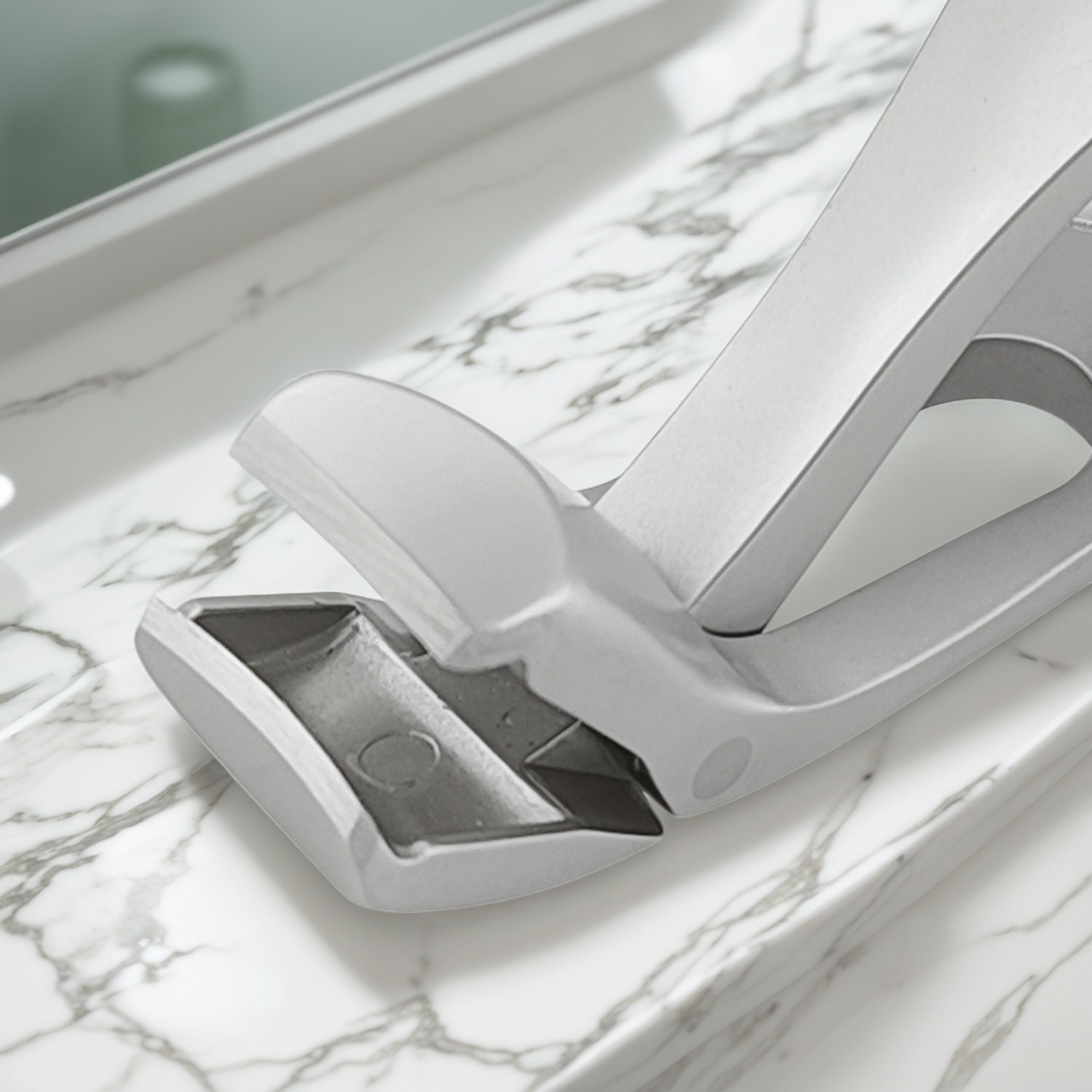
The most important functional point is blade alignment. The cutting edges should meet evenly across the curve. If there are gaps, offset tips or uneven pressure points, the clipper may bend the nail, require extra force or leave a rough edge. A reliable nail clippers supplier should understand that clean trimming comes from forming, sharpening, assembly and inspection working together.
Stainless steel is commonly preferred for nail clippers because it supports a clean appearance, practical durability and easier maintenance than many lower-grade alternatives when properly produced and handled. However, buyers should not approve a product based only on the word stainless steel. Surface finishing, edge smoothness, lever response and rivet stability are just as important to the final user experience.
Visual presentation also matters. Nail clippers may be sold in a personal care aisle, included in a travel grooming kit, supplied to salons or added to a private label beauty accessories line. Smooth edges, neat polishing, clean packaging and a balanced silhouette make the product feel trustworthy before the customer uses it. The goal is not unnecessary decoration; it is a practical tool that looks clean, cuts predictably and fits daily grooming use.
Why Supplier Reliability Matters for Beauty and Grooming Buyers
Nail clippers are frequently handled tools, so small defects become obvious. A dull cutting edge can tear rather than cut. A loose rivet can make the tool feel unstable. Rough polishing can irritate the fingers. Inconsistent batches can create a mix of acceptable and poor items in the same shipment.
Reliable sourcing protects three business areas. First, it supports customer satisfaction because the product performs as expected. Second, it protects brand reputation because the tool feels consistent across orders. Third, it reduces operational friction because teams spend less time dealing with complaints, replacements and extra inspections.
When comparing a personal care tools manufacturer, look beyond appearance and ask how the supplier controls repeat quality. A single attractive sample does not prove production stability. Buyers should request representative samples, evaluate more than one piece where possible and confirm which checks are used before packaging. This is especially important for private label, retail and e-commerce programs where a poor batch can quickly affect customer feedback.
Key Product Details to Check Before Choosing a Supplier
Blade Alignment and Cutting Feel
The two cutting edges should meet evenly without twisting or visible gaps. During sample review, hold the clipper against a light background and check the edge contact. Then test the tool on appropriate nail samples or approved testing materials. A good clipper should cut cleanly without crushing the nail or requiring awkward pressure.
Lever Strength and Mechanical Response
The lever should provide enough force for controlled trimming without bending, rattling or feeling loose. It should open and close smoothly and return naturally after pressure is released. If the lever feels unstable in a sample, the issue may become more noticeable after repeated use.
Material Suitability and Surface Finish
Stainless steel tools are often selected for personal care because they are sturdy, clean-looking and practical to maintain. Still, material naming should be supported by real inspection. Check for scratches, stains, uneven polishing, sharp corners, burrs and rough contact areas. The user should be able to hold the tool comfortably without feeling unfinished edges.
Ergonomic Handling
Ergonomics are important because nail clipping involves controlled hand pressure and accurate positioning. A compact travel clipper may require different grip considerations than a larger toenail clipper. Ask several people to hold and press the sample. Feedback on pressure, grip and hand comfort can reveal issues that a visual check misses.
Packaging Suitability
Packaging should protect the clipper from scratching, movement and deformation during handling and shipping. It should also fit the sales channel. Retail packaging may need attractive display presentation and label space. E-commerce packaging may need stronger protection. Kit assembly may require compact, consistent packing. Discuss packaging early so the supplier understands both protection and merchandising needs.
Supplier Evaluation Checklist for Nail Clippers
Procurement teams can make better decisions by separating essential functional requirements from optional presentation preferences. The table below provides a practical checklist for comparing nail clippers suppliers and samples.
| Evaluation Area | What to Check | Why It Matters | Buyer Question |
|---|---|---|---|
| Cutting alignment | Even contact between upper and lower cutting edges | Reduces rough trimming, nail bending and inconsistent performance | How is blade alignment checked before packaging? |
| Lever and rivet stability | Smooth movement, stable pressure and no excessive wobble | Improves user confidence and repeat use | What functional checks are used during final inspection? |
| Surface finishing | No obvious burrs, rough corners, stains or uneven polishing | Supports comfort, safety perception and retail presentation | What appearance defects are rejected during inspection? |
| Material selection | Suitable metal construction, commonly stainless steel when offered | Affects durability, appearance and maintenance expectations | Can the supplier confirm the agreed material specification in writing? |
| Batch consistency | Multiple samples show similar cutting feel and finishing | Prevents one good sample from hiding repeat-production issues | Are production samples approved before mass shipment? |
| Packaging protection | Clipper is protected from scratching and movement | Reduces damage claims and improves shelf readiness | Can packaging be adjusted for retail, e-commerce or kit assembly? |
| Communication | Clear written confirmation of specifications, artwork and claims | Reduces misunderstandings and sourcing risk | Who confirms final specifications before order approval? |
How to Test Samples Before Placing an Order
Sample testing should be structured. A quick look at one piece is not enough for supplier selection. Create a repeatable internal routine so purchasing, product and quality teams evaluate the same points every time.
- Inspect the exterior. Look for scratches, discoloration, rough corners, uneven polishing, sharp burrs or packaging marks.
- Open and close the clipper repeatedly. The lever should move smoothly without rattling or binding.
- Check blade contact. View the cutting curve closely and confirm that the edges meet evenly.
- Test cutting performance. Use appropriate nail samples or approved materials and observe whether the cut is clean or crushed.
- Review user comfort. Ask different people to hold and press the clipper to identify grip or pressure issues.
- Recheck after repeated use. Look again at alignment, rivet stability and surface marks after multiple open-close cycles.
- Assess packaging protection. Confirm that the clipper cannot easily move, scratch or deform during typical handling.
This initial review does not require expensive laboratory equipment. It brings discipline to supplier comparison and helps prevent decisions based only on price or appearance. For higher-volume programs or regulated destination markets, buyers should also consider third-party inspection or their own incoming quality checks.
Cost Factors: Why the Lowest Quote May Not Be the Best Value
Nail clipper cost is influenced by material selection, forming quality, sharpening, polishing time, assembly consistency, packaging style, customization and inspection requirements. A lower price may be attractive, but it can become expensive if the product causes returns, poor reviews, repacking work or additional inspection costs.
When comparing quotations, ask what is included. Does the quote cover the required packaging? Is private label artwork included or separate? Are samples representative of mass production? Are appearance and function checks clearly defined? Does the supplier understand the target market and sales channel?
A dependable supplier should be willing to discuss the balance between cost and quality. For example, a promotional giveaway may prioritize simple packaging and basic presentation, while a premium grooming kit may require better polishing, more refined packaging and tighter visual consistency. The right decision depends on use case, not on a single universal specification.
Customization and Private Label Considerations
Many B2B buyers need nail clippers for private label sets, retail assortments, salon programs or travel kits. Customization may involve logo application, packaging artwork, color presentation, set configuration or product selection within a broader nail care range. Before requesting customization, define the intended customer, positioning and sales channel.
Provide the supplier with clear information: product use, target market, packaging format, artwork requirements, quality priorities and any destination-market requirements you already know. This helps reduce back-and-forth and allows the supplier to recommend realistic options. You can also browse Olimor nail care and beauty tool options through the Olimor collection to clarify the type of assortment that fits your program.
Do not approve customization based only on digital mockups. Request physical samples where practical, especially when artwork placement, packaging fit or surface finish affects the final retail impression. Confirm all approved specifications in writing before production.
Ethical Claims, Product Documentation and Compliance Review
Beauty buyers increasingly consider sourcing values as part of supplier selection. For a metal personal care tool such as a nail clipper, ethical review may include product claim accuracy, packaging choices, material documentation and supplier communication. Where Olimor product information refers to cruelty-free practices, buyers should still verify how any claim will be used in their own market and whether supporting documentation is appropriate for the product category.
A practical review includes confirming what claims will appear on packaging, whether any coating or surface treatment requires additional documentation, and whether the supplier can provide written confirmation of approved specifications. Avoid broad marketing language that is not supported by your purchasing files.
For consumer product compliance, buyers should verify the requirements that apply in the destination market. Public authorities such as the U.S. Consumer Product Safety Commission and the European Commission publish consumer product safety information that may be relevant depending on market, packaging, labeling and distribution route. Quality management standards such as ISO 9001 may also be used by some suppliers as part of their documentation, but buyers should verify the applicable version and review supplier documents directly. Do not assume a supplier holds any certification unless it provides valid evidence.
Questions to Ask a Nail Clippers Supplier
Before committing to an order, ask specific questions that reveal how the supplier manages quality and communication. Strong answers should be clear, written and connected to actual production steps.
- Can you provide representative samples for the selected model and packaging?
- What material specification will be used, and how will it be confirmed?
- How do you inspect blade alignment, lever movement and surface finishing?
- What appearance defects are unacceptable before packaging?
- Can packaging be adapted for retail, e-commerce, salon supply or kit assembly?
- How are approved samples, artwork and specifications recorded?
- What customization options are available without changing core function?
- What information do you need to discuss samples, MOQ, lead time and order planning?
These questions help separate experienced personal care tool suppliers from general vendors who may not understand the importance of finishing, edge safety and repeatable cutting performance.
When Olimor May Be a Suitable Sourcing Partner
Olimor Beauty is a relevant option for buyers looking for practical personal care tools, including nail care products such as stainless steel clipper options. The best fit is a buyer who wants to discuss function, ergonomics, finishing, packaging and quality expectations before placing an order, rather than relying only on catalog images.
If you are preparing a new retail line, salon supply assortment, grooming kit or private label program, share your intended use, destination market, packaging needs and inspection priorities. A clear brief helps the supplier recommend suitable products and identify where customization is realistic. To start a sourcing discussion, send your requirements through the Olimor sourcing inquiry page or contact Olimor Beauty for product and sample communication.
FAQ
Can I request nail clipper samples before placing a bulk order?
Yes, buyers should request representative samples whenever possible. Samples help you check cutting alignment, lever feel, polishing, packaging and overall presentation before committing to production. Confirm whether samples reflect the intended material, finish and packaging.
What MOQ should I expect for nail clippers?
MOQ depends on the selected product, packaging, customization and order requirements. Ask the supplier directly and provide details about your target market, quantity plan and whether you need private label packaging or standard options.
Can nail clippers be customized for private label programs?
Customization may be possible for logo presentation, packaging artwork, product sets or assortment planning. Buyers should confirm feasibility with physical samples and written specifications before production, especially when branding or packaging affects the final retail appearance.
What quality checks are most important for nail clippers?
Key checks include blade alignment, cutting feel, lever stability, rivet condition, surface smoothness, appearance consistency and packaging protection. For larger orders, buyers may also use incoming inspection or third-party inspection based on their internal quality policy.
How should I discuss lead time with a supplier?
Lead time depends on product availability, customization, packaging approval, order size and production planning. Ask the supplier for a current estimate after you confirm specifications, sample requirements and artwork status. Avoid assuming timing before the order details are finalized.
Tag: