

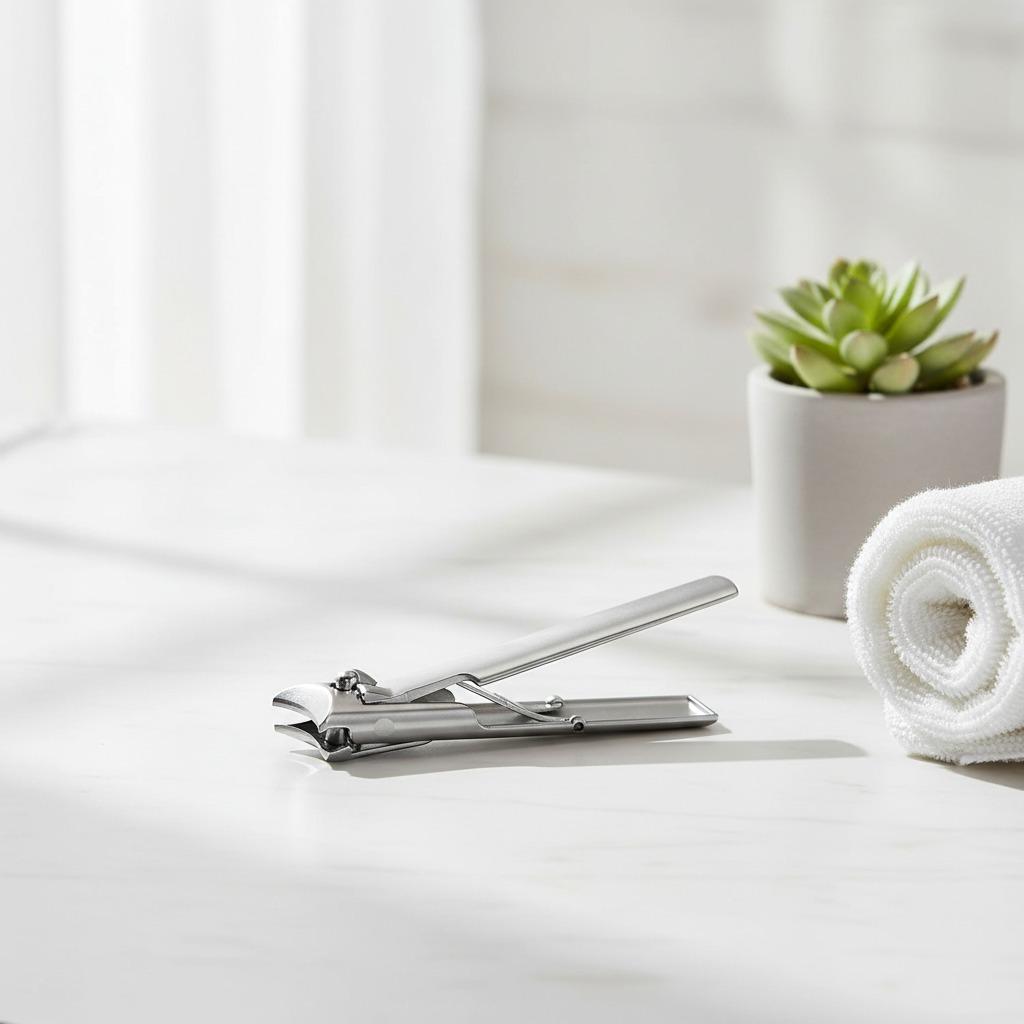
Nail Clipper OEM Trends for Bulk Buyers and Private Label Brands
Nail clippers are small products, but they carry a surprisingly large responsibility for beauty brands, pharmacies, grooming retailers, travel kits, promotional sets, and e-commerce sellers. A clipper that feels weak, catches the nail, rusts too quickly, or arrives with inconsistent packaging can damage customer trust. That is why nail clipper OEM sourcing is moving beyond basic price comparison and toward more disciplined decisions around function, finish, packaging, and repeatable quality.
For buyers building a private label nail care line or adding a wholesale nail clipper to an existing grooming assortment, the key question is not simply where to buy in bulk. The better question is how to define a nail clipper that fits the target user, sales channel, and price position while keeping manufacturing risk under control. Olimor Beauty works in the beauty tools category, and buyers can review broader beauty tool products to understand how nail tools may fit into a complete grooming range.
Why Nail Clipper OEM Sourcing Is Becoming More Strategic
OEM sourcing is often associated with customization, but in nail clippers it also includes practical manufacturing decisions that affect everyday performance. A buyer may need a simple retail blister pack, a compact travel clipper, a clipper for manicure kits, or a more premium-feeling tool for a branded grooming set. Each purpose changes what matters most.
Several trends are shaping the market. Consumers are paying more attention to hygiene, portability, and the tactile feel of personal care tools. Online reviews make small flaws more visible. Retailers also prefer products that can be replenished consistently across seasons rather than one-time low-cost buys with unstable quality. For these reasons, bulk nail clipper purchasing now requires a clear product brief, not just a target cost.
A useful OEM brief should define the intended user, distribution channel, expected packaging format, finish preference, branding placement, and acceptable quality standards. Even when exact technical specifications are not finalized, this framework helps manufacturers respond with realistic options instead of generic samples.
Manufacturing Trends Buyers Should Watch
Nail clipper production is not only about cutting metal into shape. The buyer should pay attention to the full chain of decisions from material selection and forming to sharpening, assembly, surface finishing, inspection, and packing. While different factories use different processes, the following trends are especially relevant for bulk buyers.
- Sharper focus on cutting performance: Buyers increasingly evaluate whether the cutting edge trims cleanly without crushing or splitting the nail. Smooth leverage and proper jaw alignment matter more than appearance alone.
- More attention to ergonomics: The handle, lever shape, pressure point, and overall size affect comfort. A clipper sold for general home use may need different handling than one included in a travel or promotional kit.
- Improved finishing expectations: Surface finish influences perceived value. Buyers often compare polished, matte, coated, or printed surfaces based on brand positioning and durability needs.
- Packaging as part of the product: For e-commerce and retail, packaging must protect the clipper, present the brand clearly, and suit shipping or shelf display requirements.
- Quality consistency over one attractive sample: A sample may look good, but bulk production needs consistent alignment, smooth movement, and reliable packing across the full order.
These trends are especially important when a buyer wants to scale from a first order to repeated replenishment. A product that is easy to approve once but hard to repeat can create stock interruptions, returns, or inconsistent customer feedback.
China Nail Clipper Manufacturing in Global Supply Chains
China remains an important sourcing region for beauty tools because buyers can often find manufacturing experience, component supply networks, packaging options, and export familiarity in one supply chain. For nail clippers, this can help brands develop a product line efficiently, especially when they need several related grooming tools rather than a single item.
However, the value of working with a nail clipper China manufacturer should be measured by more than cost. Buyers should look at communication clarity, sample development, process control, packaging coordination, and the ability to support repeat orders. A lower unit price is not helpful if the final shipment has uneven cutting edges, loose levers, poor printing, or packaging that does not match the sales channel.
When comparing manufacturers, it is useful to separate what is confirmed from what is assumed. If the product description does not state a material grade, coating type, test method, or packaging dimension, treat it as open for confirmation in the sourcing brief. This prevents misunderstandings and helps the manufacturer quote accurately. Buyers developing multiple items can also explore Olimor product collections to consider how a nail clipper could align with other beauty tools in a coordinated assortment.
How to Specify a Nail Clipper for Bulk Orders
A strong specification reduces the risk of receiving a product that is technically acceptable but commercially unsuitable. Before requesting samples or confirming a bulk order, buyers should define the following points as clearly as possible.
| Decision Area | What to Clarify | Why It Matters |
|---|---|---|
| Use case | Retail item, travel kit, manicure set, promotional gift, or professional resale | Influences size, packaging, finish, and acceptable price range |
| Cutting feel | Jaw alignment, edge sharpness, lever smoothness, and pressure required | Determines user satisfaction and review quality |
| Appearance | Surface finish, color, printing, logo placement, and visible branding | Supports brand positioning and shelf appeal |
| Packaging | Individual pack, set packaging, barcode needs, instructions, and shipping protection | Reduces retail, e-commerce, and fulfillment issues |
| Inspection | Functional checks, visual checks, packaging checks, and sampling standard | Helps keep quality consistent across bulk production |
This kind of checklist is more useful than requesting a “high-quality clipper” without context. Quality has to be defined in relation to the buyer’s customer, price position, and channel requirements.
Wholesale and Bulk Buying: Cost Is Only One Variable
Wholesale nail clipper buyers often compare suppliers by unit price, but the total landed value depends on many other factors. Packaging weight, carton efficiency, inspection needs, defect handling, lead time reliability, and replenishment planning can all affect the real cost of a bulk order.
For e-commerce sellers, protective packaging and consistent product photography details are important because customers judge the item before touching it. For brick-and-mortar retail, shelf presentation, barcode placement, and display compatibility may matter more. For kit assemblers, the clipper must fit the case, pouch, tray, or secondary packaging without creating delays during packing.
Bulk buying also requires a realistic approach to assortment planning. A brand may not need many clipper variations at the beginning. In many cases, one well-specified clipper with dependable packaging is better than several loosely defined options that fragment purchasing volume. Once customer feedback is available, the buyer can consider additional sizes, finishes, or set combinations.
Customization Options That Are Worth Considering
Customization can improve brand recognition, but it should not compromise usability. A logo that looks attractive on a mockup may be less effective if it rubs off easily, sits in an awkward position, or conflicts with the clipper’s moving parts. Similarly, a decorative finish should be reviewed for how it looks after handling, packing, and shipping.
Common customization decisions include brand marking, finish direction, packaging artwork, instruction language, and the way the clipper is bundled with other nail tools. Buyers should evaluate samples with the final customer in mind. If the product is for a budget travel kit, compactness and reliability may outweigh decorative details. If it is for a premium grooming set, the hand feel, finish consistency, and packaging presentation may carry more weight.
A practical approach is to request samples that represent the intended production direction as closely as possible. If sample approval is based on one finish and mass production is later changed to another, the buyer should repeat key appearance and function checks before confirming the order.
Quality Checks Before Shipment
Even a simple nail clipper benefits from a structured inspection plan. The goal is to catch functional and cosmetic issues before the goods reach customers. Buyers do not need to overcomplicate the process, but they should define what is unacceptable.
- Check cutting action: The jaws should meet correctly and cut cleanly without excessive force.
- Review lever movement: The lever should rotate and press smoothly without feeling loose or unstable.
- Inspect visible surfaces: Look for scratches, stains, uneven finish, sharp burrs, or inconsistent logo placement.
- Confirm packaging accuracy: Artwork, labels, barcodes, quantities, and carton markings should match the order requirements.
- Assess random samples from bulk goods: Do not rely only on pre-production samples when approving a shipment.
These checks help protect both the buyer and the end user. They also create a common language with the manufacturing partner, making future orders easier to manage.
Building a Better OEM Sourcing Plan
The nail clipper OEM market will continue to favor buyers who combine clear specifications with practical quality expectations. Trends such as ergonomic design, improved finishing, coordinated packaging, and flexible private label development are useful only when they are matched to a defined customer need.
Before placing a bulk order, prepare a concise product brief, compare samples against the intended use case, and confirm packaging and inspection points in writing. If the clipper will be part of a wider beauty tool range, consider how its finish, packaging, and price point align with the rest of the assortment.
For buyers planning a private label nail care item, wholesale grooming tool program, or customized product set, Olimor Beauty can help discuss suitable sourcing directions. To start a project conversation, contact Olimor or send an inquiry with your target product type, channel, packaging needs, and expected customization direction.
Tag: