

Nail Clipper ODM Guide for Bulk Buyers and Beauty Brands
Nail clippers look simple, but buyers who source them in volume know that small design and manufacturing decisions can affect comfort, cutting quality, customer reviews and repeat orders. A clipper that feels secure in the hand, cuts cleanly without excessive pressure and arrives with consistent finishing is easier to sell across personal care, salon, travel, gift and retail channels. For brands developing a private label or customized line, nail clipper ODM sourcing is not only about finding a low unit cost. It is about controlling the details that customers notice every time they trim a nail.
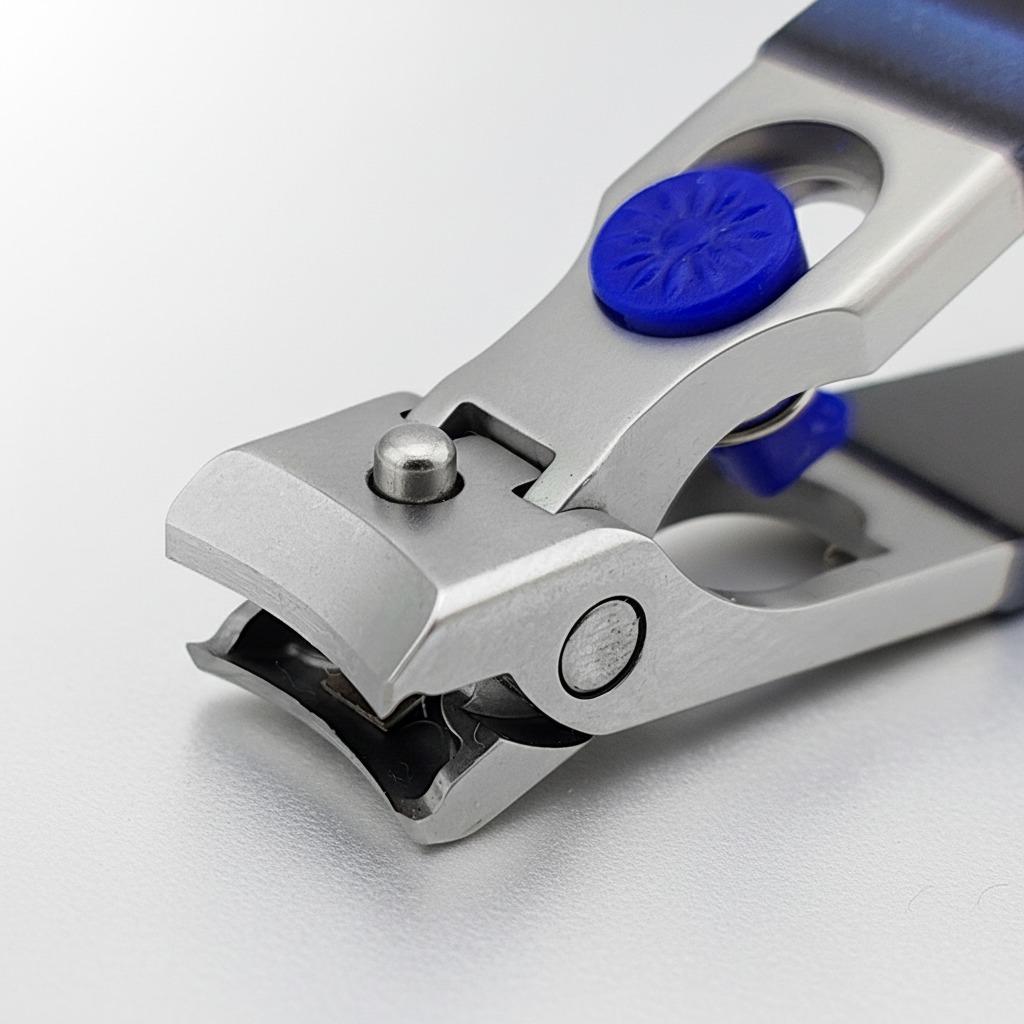
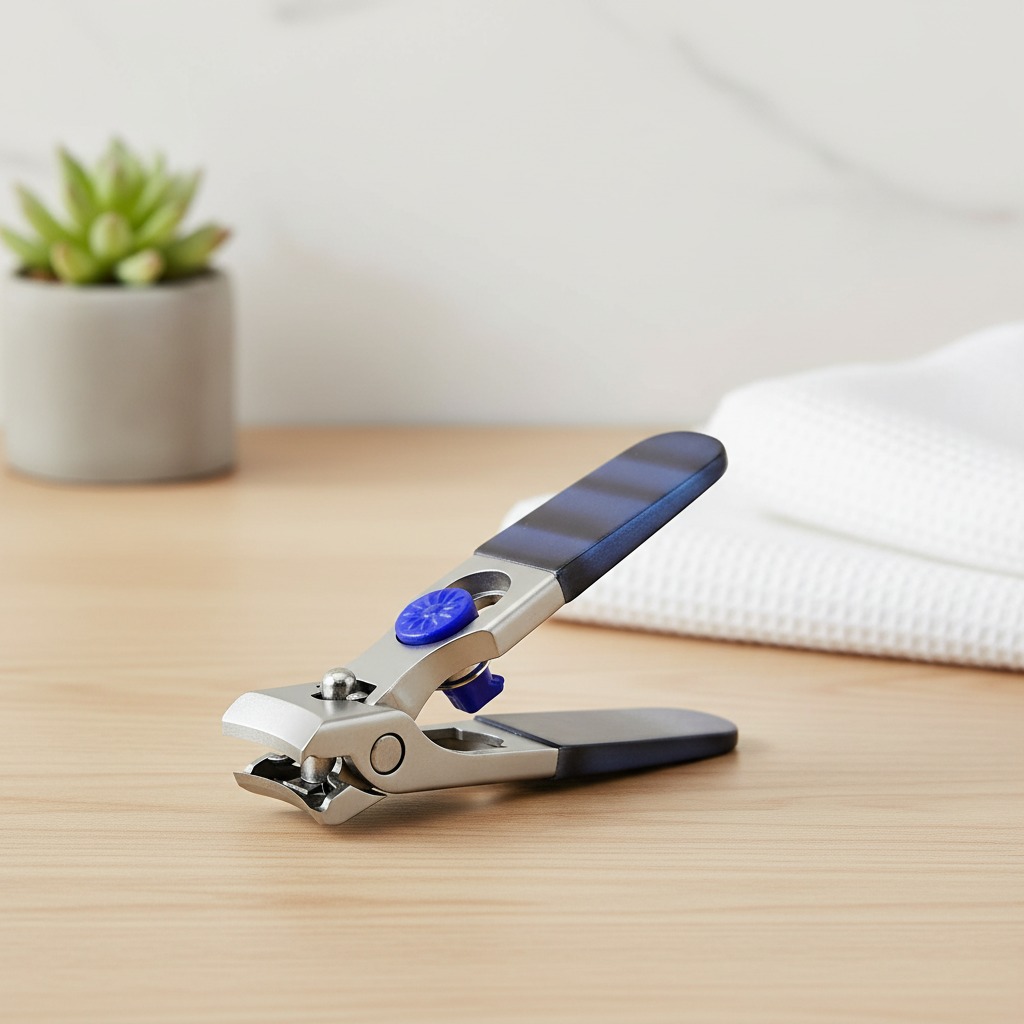
Olimor Beauty supports beauty tool sourcing for buyers who need practical, market-ready nail care tools. The nail clipper shown here features a stainless steel construction, a blue ergonomic grip, sharp curved blades and a pivot design intended to improve leverage during use. Those visible details point to the main areas every buyer should evaluate before placing a bulk order: material choice, grip comfort, blade geometry, finishing consistency, inspection standards and packaging suitability.
What Nail Clipper ODM Means for a Beauty Tool Brand
ODM, or original design manufacturing, is useful when a buyer wants a product based on an existing manufacturing concept but needs it adapted for a specific market, brand position or sales channel. For a nail clipper, those adaptations may involve handle color, surface finish, grip texture, packaging format, branding placement or a selected product set. The goal is to reduce development complexity while still creating a product that fits the buyer’s audience.
For beauty brands, drugstore suppliers, online retailers and promotional product buyers, ODM can shorten the path from concept to shelf. Instead of starting with a completely new mechanism, the buyer can focus on commercially important choices: how the clipper feels, whether it suits fingernails and toenails, how it will be displayed, and how the final product will communicate durability and hygiene. Buyers can review related beauty tool products to compare categories and plan how a nail clipper may fit within a broader grooming range.
Key Product Details That Affect User Experience
A nail clipper is handled at close range, so comfort and cutting control matter. The example described in the product information uses stainless steel, sharp curved blades and a blue ergonomic grip. Each of these details has a practical role. Stainless steel is commonly selected for nail tools because it is strong, stable and suitable for repeated contact with hands and feet. Curved blades help follow the natural contour of the nail edge. A shaped grip can improve control, particularly when the user is cutting thicker toenails or trimming with the non-dominant hand.
The pivot point is another important feature. A well-positioned pivot improves leverage, so the user does not need to press excessively to complete the cut. This affects perceived quality immediately. If the clipper flexes, slips or crushes the nail rather than cutting it cleanly, customers will notice. Bulk buyers should therefore evaluate not only the appearance of a sample, but also how it performs through repeated cuts on different nail thicknesses.
- Blade alignment: The cutting edges should meet evenly without visible gaps or misalignment.
- Cutting feel: A good clipper should cut smoothly without requiring uncomfortable pressure.
- Grip security: The handle area should feel stable, especially when hands are slightly wet or moisturized.
- Edge finish: Non-cutting edges should be smooth enough for safe handling.
- Spring and lever action: Movement should feel controlled, not loose, stiff or uneven.
How to Source Cheap Nail Clippers in Bulk Without Treating Quality as Optional
Many buyers search for cheap nail clippers in bulk because nail care tools are price-sensitive in retail and online marketplaces. However, low cost becomes expensive when inconsistent batches cause returns, complaints or repackaging work. The better sourcing strategy is to define the acceptable quality level first, then compare cost within that standard.
Start by identifying the product’s role. A clipper for a value travel kit may need simple packaging and reliable function. A clipper for a salon retail wall may require a more refined finish and stronger shelf presentation. A private label grooming set may need consistent color matching across several tools. Once the use case is clear, buyers can make smarter decisions about where to spend money and where to simplify.
| Buying Decision | What to Check | Why It Matters |
|---|---|---|
| Material and finish | Surface smoothness, corrosion resistance expectations, visible scratches | Supports durability and customer confidence |
| Blade performance | Alignment, sharpness, curved cutting edge, repeat cutting feel | Directly affects satisfaction and return rates |
| Grip design | Shape, texture, color consistency and non-slip feel | Improves control for fingernails and toenails |
| Packaging | Barcode needs, retail display, protection in shipment | Reduces handling problems after production |
ODM Customization Options to Define Before Production
Customization should be specific. Vague requests such as “premium quality” or “better design” are difficult to measure. Instead, prepare a checklist with visual, functional and packaging requirements. For the blue ergonomic nail clipper style, buyers may define the target handle color, acceptable shade variation, logo position, surface treatment expectations and packaging layout. If the clipper will be part of a set, confirm whether the design language should match tweezers, scissors, nail files or other items in the same range.
Branding should also be considered from the user’s perspective. A logo that looks good on a flat artwork file may be too small, too close to a curved edge or poorly positioned when the clipper is held. Requesting a physical sample or pre-production sample helps confirm that the branding is readable and durable in the intended location. If your team is developing a coordinated line, browsing Olimor product collections can help clarify how different tools may be grouped by material, color or use case.
- Define the target customer and retail channel.
- Confirm whether the clipper is for fingernails, toenails or both.
- Choose handle color, grip style and surface finish requirements.
- Specify logo placement and packaging information.
- Approve samples based on cutting performance, not appearance alone.
Quality Inspection Points for Bulk Nail Clipper Orders
Inspection is especially important for small metal tools because defects can be subtle. A clipper may look acceptable in a carton but fail when the blade alignment is slightly off or when the lever action feels inconsistent. Olimor Beauty emphasizes quality checks from materials through packaging, and buyers should build their own acceptance criteria around the same practical checkpoints.
For incoming samples and production lots, inspect a reasonable spread from different cartons rather than only the top pieces. Check for burrs, uneven plating or finishing, loose pivots, color inconsistency and packaging damage. Then perform functional testing. Open and close the lever repeatedly, test the cut on suitable sample materials and compare the feel across multiple units. Consistency is often more important than one perfect sample. A reliable bulk order should deliver the same user experience from unit to unit.
Packaging and Market Positioning for Nail Clippers
Packaging does more than protect the clipper. It communicates the intended value level and helps customers understand the product quickly. A simple bulk pack may suit distributors or kit assemblers, while carded retail packaging can support shelf display. Online sellers may prioritize compact packaging that protects the product during shipping and photographs clearly. For private label buyers, packaging copy should state the product benefits accurately: stainless steel construction, ergonomic grip, curved blades and suitability for fingernails and toenails when these match the final approved product.
Avoid overclaiming. Customers are more likely to trust clear, practical language than exaggerated promises. Phrases such as “comfortable grip,” “curved cutting blades” and “designed for controlled trimming” describe real usage without creating unrealistic expectations. If the product will be sold internationally, leave enough time to review labeling requirements, language versions and retailer-specific packaging rules.
Working With a China Nail Clipper Manufacturer
When evaluating a China nail clipper manufacturer, look for clear communication, sample consistency and the ability to translate brand requirements into manufacturable details. The right partner should help you confirm what can be customized, what needs a tooling change, and which decisions may affect cost or lead time. This is particularly important when sourcing value-oriented bulk nail clippers, because small changes in material thickness, finishing, grip design or packaging can affect both price and performance.
Prepare reference images, target packaging examples and a written specification before discussing production. Include the intended sales channel, inspection priorities and any retailer requirements. If you are comparing options or planning a private label nail care range, you can contact Olimor for product discussions or send an inquiry with your sourcing details.
Final Buying Checklist
A successful nail clipper ODM project should balance cost, function and presentation. Before confirming a bulk order, make sure the approved sample represents the exact product you expect to receive, including grip color, blade shape, lever action, logo placement and packaging. Keep one approved sample for comparison during later inspection. This simple step helps prevent misunderstandings and gives your team a clear reference if adjustments are needed.
For buyers building a nail care line, the best results come from treating the clipper as a precision personal care tool rather than a commodity. Customers may not analyze the pivot or blade curve, but they will notice whether the clipper feels secure and cuts cleanly. By focusing on measurable details during ODM sourcing, your brand can offer a practical nail tool that supports customer trust and repeat purchasing.
Tag: