











Nail Clipper Manufacturing Trends for OEM and Wholesale Buyers
Nail clippers look simple, but buyers who source them for retail, professional grooming, travel kits, promotional sets, or private-label beauty lines know that small differences matter. A clipper that cuts cleanly, feels stable in the hand, resists corrosion, and arrives with consistent finishing is the result of disciplined manufacturing rather than chance. As the personal care market becomes more competitive, nail clipper manufacturers are being evaluated not only on price, but also on engineering control, repeatability, packaging readiness, and their ability to support custom requirements.
For beauty brands and wholesalers, the current trend is toward practical improvement: sharper cutting edges, better leverage, comfortable proportions, reliable stainless steel construction, and presentation that matches the intended market. Olimor Beauty works in the beauty tools category with attention to sourcing logic, product consistency, and buyer usability. This guide explains the trends shaping nail clipper production and gives procurement teams a clearer checklist for comparing suppliers and OEM options.
Why Nail Clipper Manufacturing Is Becoming More Technical
The main function of a nail clipper has not changed, but the expectations around it have. Consumers now compare grooming tools by how smoothly they cut, how much pressure is needed, whether the jaw alignment feels precise, and whether the product looks appropriate for a beauty retail environment. For online sellers, small defects can quickly become reviews about rough edges, poor tension, dull blades, or weak plating. For wholesalers, inconsistent cartons or mixed finishing can create avoidable inspection and after-sales work.
This is why many nail clipper factories are focusing on tighter process control. Key production concerns include the accuracy of the cutting profile, the strength of the lever, the smoothness of the pin connection, and the surface finish after polishing. Stainless steel remains important because buyers associate it with durability and easy cleaning. However, the material alone is not enough. The tool must also be stamped, formed, sharpened, assembled, inspected, and packed with care.
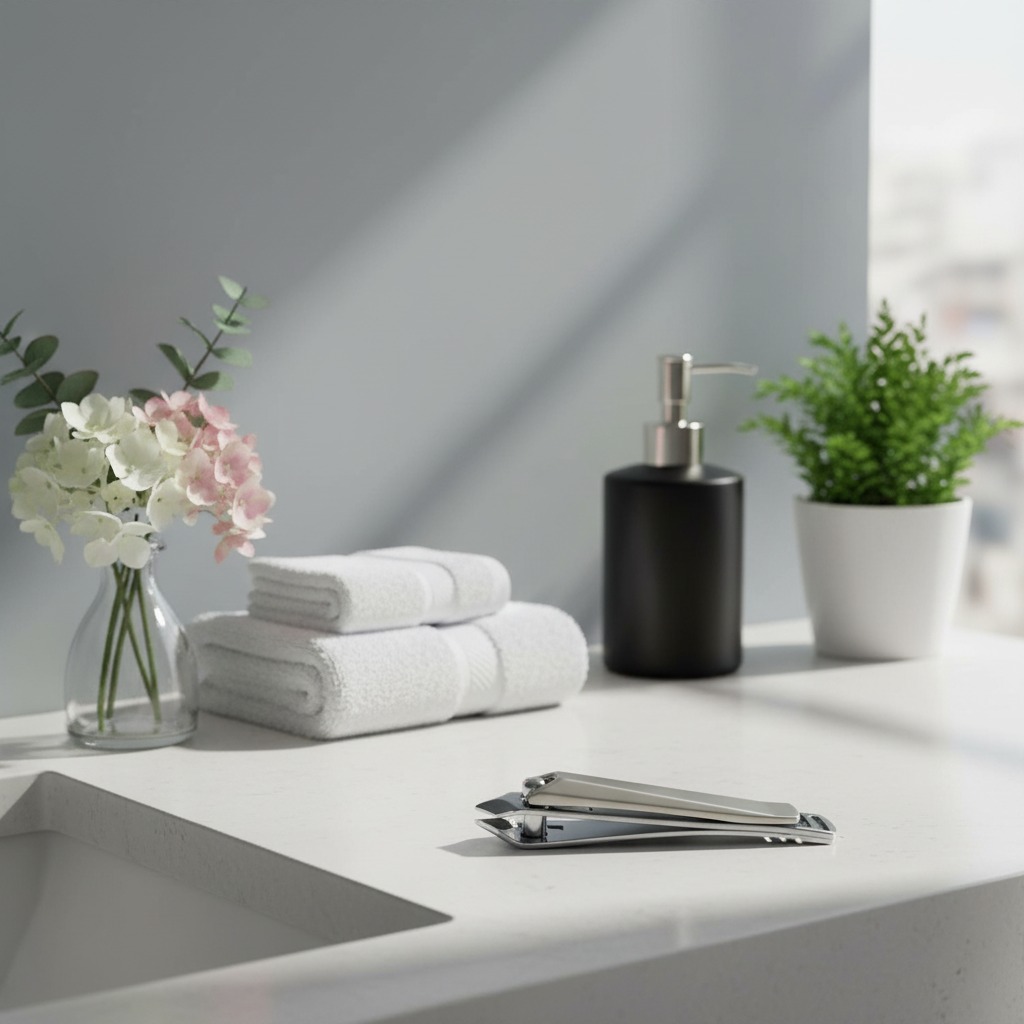
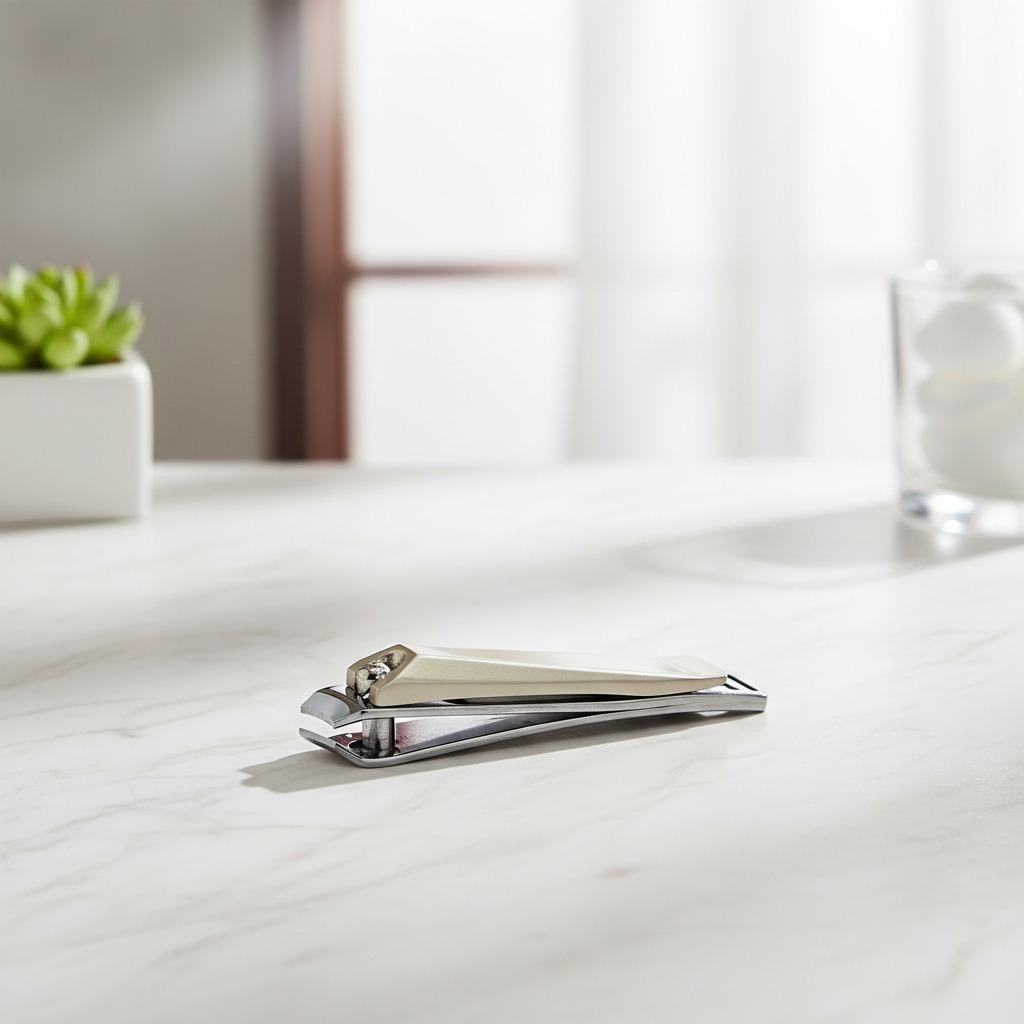
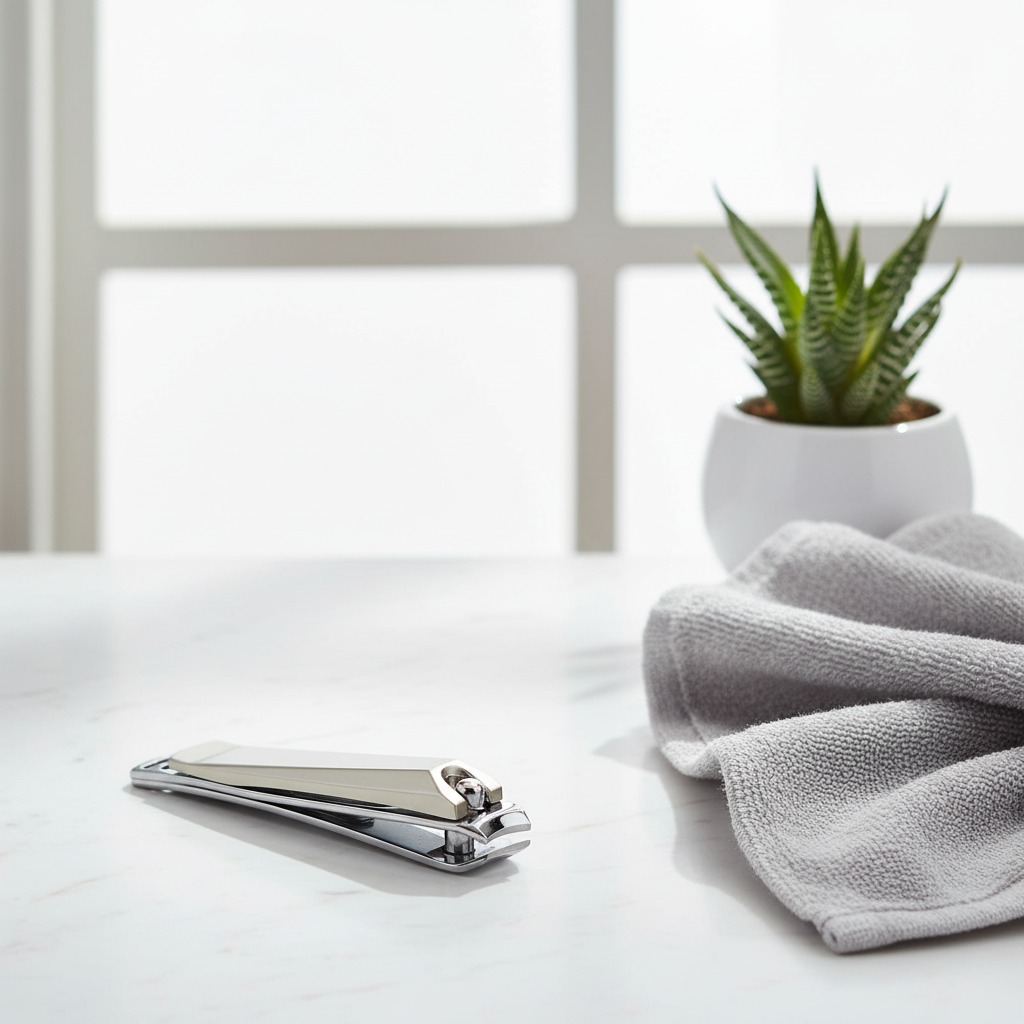
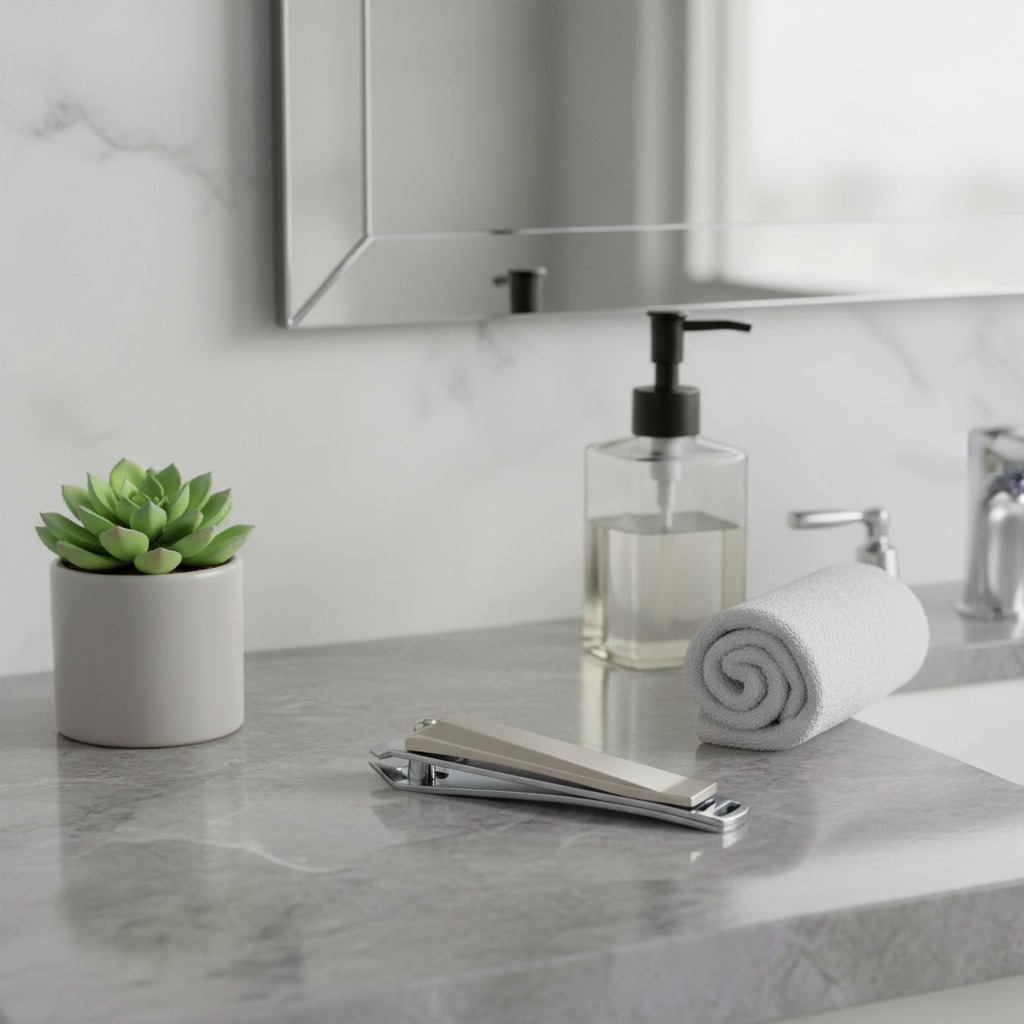
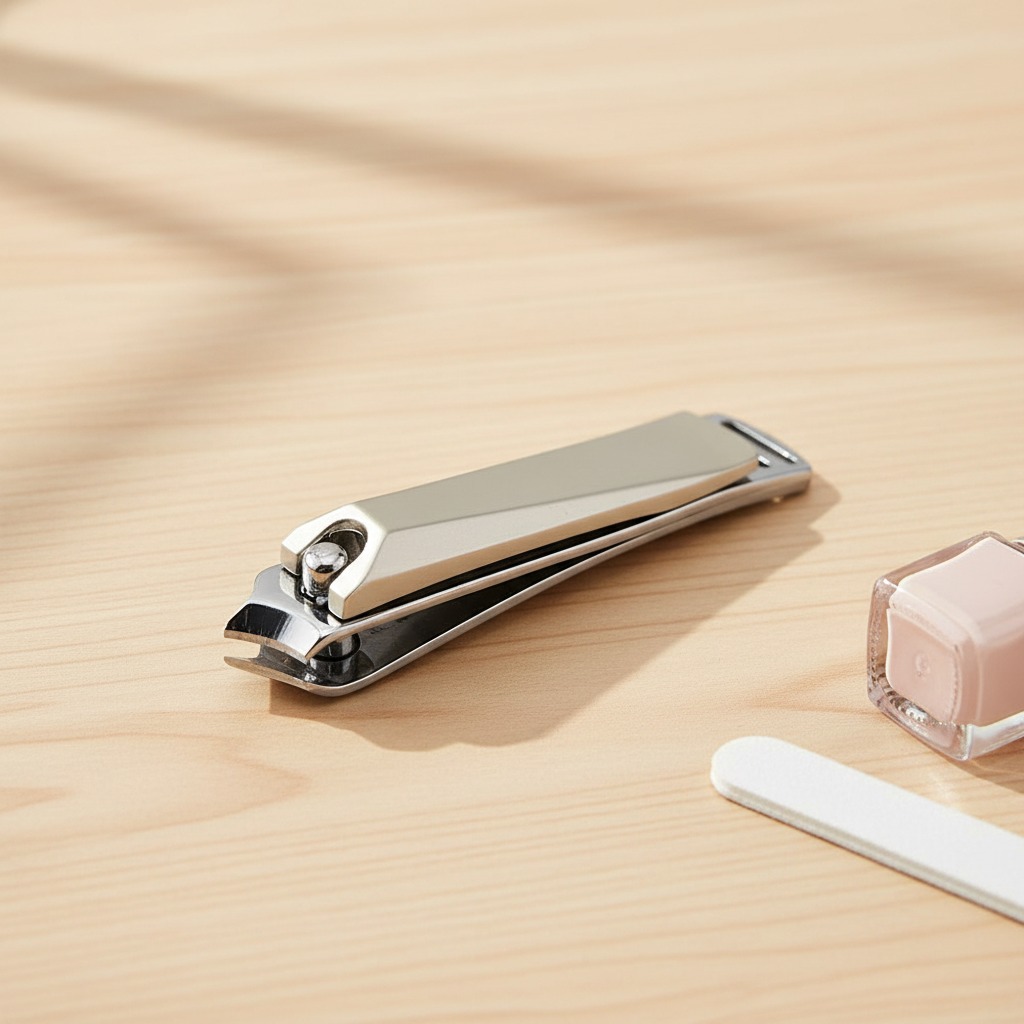
In the supplied product details for this page, the nail clipper is described as 91 mm x 16 mm and 48 g. Those figures point to a compact personal care tool that is still substantial enough to feel stable in use. When comparing similar products, buyers should look at how size and weight support the use case: everyday home grooming, salon resale, men’s grooming kits, travel accessories, or bundled manicure sets.
Design Trends: Precision, Comfort, and Practical Portability
Modern nail clipper design is moving toward a balance of cutting performance and user comfort. Minimal shapes remain popular, but a clean appearance must not hide weak construction. A good clipper should open and close smoothly, maintain jaw alignment, and cut without tearing or bending the nail. The lever should provide enough mechanical advantage so users do not need excessive pressure.
For OEM buyers, the following design criteria are worth reviewing before confirming a sample:
- Cutting edge alignment: The upper and lower blades should meet evenly across the full width, without visible gaps that affect cutting performance.
- Lever feel: The lever should be firm but not stiff, with enough control for both fingernails and, where appropriate, thicker nails.
- Edge finishing: Corners and contact surfaces should feel smooth, especially where the fingers hold the clipper.
- Portability: The size should fit the intended sales channel, such as travel kits, purse accessories, bathroom essentials, or professional retail displays.
- Visual consistency: Surface tone, polish, and branding areas should remain consistent across production lots.
The strongest design trend is not adding unnecessary features. Instead, buyers are asking for practical refinements that reduce complaints: cleaner cuts, safer handling, better grip, and packaging that protects the tool during transport.
OEM Nail Clipper Sourcing: What Buyers Should Define Early
OEM nail clipper projects can be efficient when the buyer provides clear requirements at the beginning. Vague instructions such as “premium quality” or “good finish” are difficult to verify. More useful specifications define the target customer, selling channel, preferred finish, branding placement, packaging style, and inspection priorities.
Before discussing a custom order, prepare a simple sourcing brief. It does not need to be long, but it should remove uncertainty. Include the intended use, whether the clipper will be sold alone or in a set, whether the design needs retail-ready packaging, and how the product should be positioned in your line. If your company is still comparing beauty categories, Olimor’s beauty tool products page can help frame nail clippers alongside other grooming and cosmetic accessories.
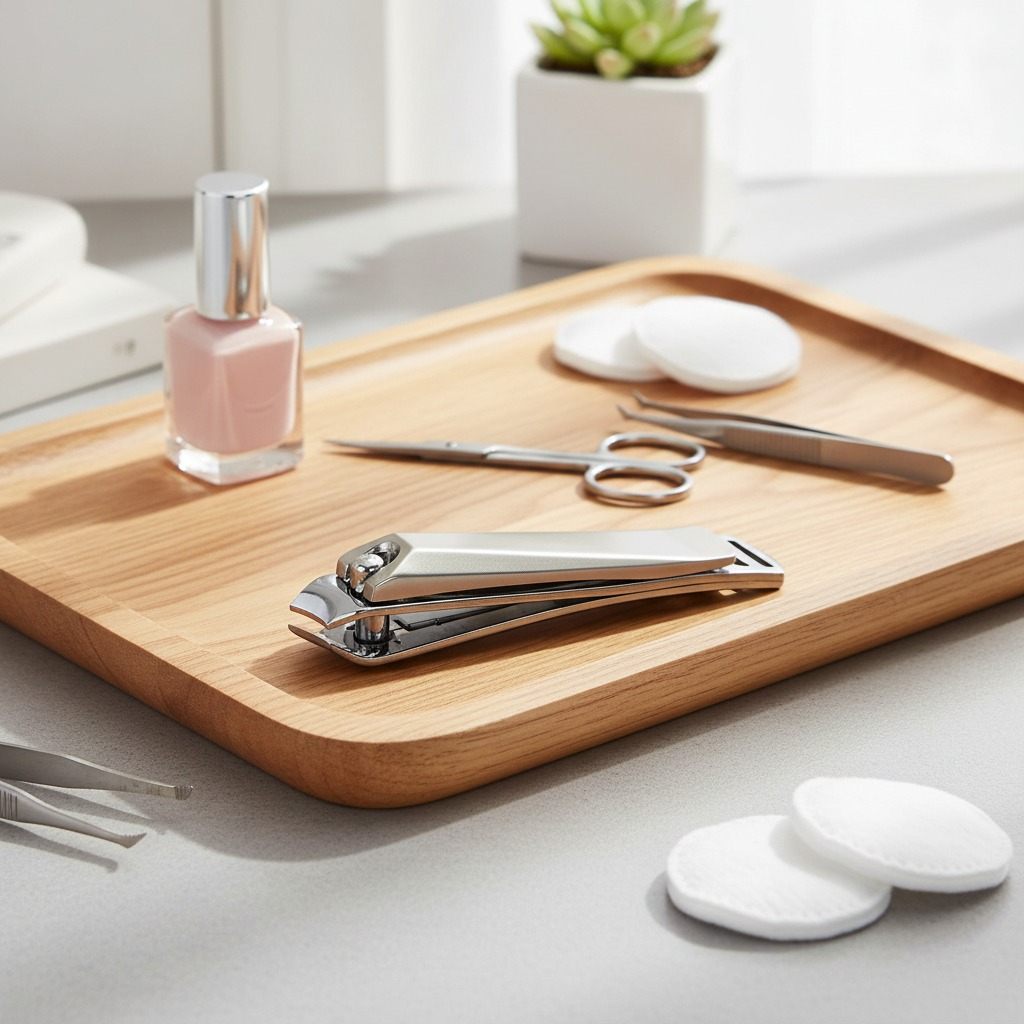
For private-label projects, buyers should also consider how the nail clipper will look in a broader collection. A matte, polished, or plated appearance may need to match tweezers, scissors, eyelash tools, or manicure instruments. Consistency across a product family can be more valuable than one decorative detail on a single item. You can also review broader product collections when planning how a nail clipper fits within a retail assortment.
Supplier and Factory Evaluation for Wholesale Nail Clippers
When selecting a nail clipper manufacturer, buyers often compare quotations first. Price matters, especially for wholesale and promotional channels, but it should not be separated from manufacturing reliability. A low unit price can become expensive if the clipper fails inspection, arrives with variable tension, or needs repacking because the packaging was not suited to export handling.
Use a structured review instead of relying only on samples. A sample can show what a factory is capable of producing, while a production inspection shows whether the factory can repeat it consistently. The following table summarizes practical sourcing questions:
| Evaluation Area | What to Check | Why It Matters |
|---|---|---|
| Material and construction | Stainless steel use, lever strength, pin stability, jaw alignment | Supports durability and consistent cutting performance |
| Cutting performance | Clean cut, no tearing, suitable tension, smooth opening and closing | Directly affects consumer satisfaction and reviews |
| Surface finishing | Polishing, edge smoothness, coating consistency if applicable | Improves handling comfort and retail appearance |
| OEM readiness | Branding area, packaging options, sample confirmation process | Reduces delays in private-label development |
| Quality control | Incoming material checks, in-process checks, final inspection criteria | Helps maintain consistency across bulk orders |
Wholesale buyers should also think about cartons, labeling, barcode needs, and destination-market packaging expectations. These practical details are not glamorous, but they influence warehouse efficiency and retailer acceptance.
Quality Checks That Matter More Than Cosmetic Claims
Marketing language often describes nail clippers as sharp, durable, or professional. During sourcing, those claims should be translated into observable checks. A buyer or inspection team can review blade meeting points, test a representative sample of units, examine surface burrs, and confirm whether the lever action feels consistent across the lot.
Useful inspection steps include checking that the clipper sits flat when closed, confirming that the lever does not wobble excessively, testing the cutting edge on appropriate nail-like material, and inspecting the polish under bright light. Packaging should also be examined for abrasion, weak sealing, incorrect printing, or mixed product orientation. For e-commerce sellers, the package may need to survive individual fulfillment; for retail buyers, the hanging hole, blister, box, or insert must present the product clearly.
Maintenance guidance can also improve the end-user experience. Nail clippers should be kept dry after cleaning, stored away from high humidity, and wiped after use. If a clipper is sold as part of a manicure kit, the insert or packaging can remind users not to use the tool on materials other than nails, because misuse can damage the cutting edge.
How Innovation Is Shaping the Next Stage of Nail Clipper Production
The next stage of nail clipper innovation is likely to be practical rather than flashy. Buyers are asking for refined ergonomics, more consistent finishing, better packaging solutions, and products that align with modern grooming habits. For example, travel-friendly sizing, clean metal finishes, and comfortable operation are all meaningful improvements when they match real consumer needs.
Sustainability is also influencing sourcing discussions. Buyers may review packaging reduction, recyclable paper components, longer-lasting construction, and fewer unnecessary plastic layers. However, sustainability claims should be specific and supportable. It is better to choose durable construction and sensible packaging than to rely on broad environmental language that cannot be verified.
For brands building a private-label nail clipper program, the best approach is to combine sample testing with clear purchasing standards. Define the use case, confirm the handling feel, review packaging durability, and align the finish with the rest of your beauty tool range. If you are planning a new sourcing project or comparing nail clipper OEM options, you can send an inquiry with your project details or contact Olimor for product discussion.
Choosing a Nail Clipper Manufacturer with Long-Term Fit
A dependable nail clipper manufacturer is not just a production source; it is part of your product quality system. The right partner helps you reduce variation, protect your brand reputation, and build a grooming tool line that customers can trust. Look beyond a single quotation and evaluate how the factory handles samples, confirms details, communicates changes, and manages quality expectations before shipment.
For wholesalers, retailers, and beauty brands, nail clippers remain a steady category because they serve a recurring personal care need. The opportunity is in making the product feel reliable, comfortable, and appropriate for the intended customer. With careful sourcing criteria and a clear OEM brief, a simple nail clipper can become a strong part of a practical beauty tool assortment.