

Nail Clipper for Retailers: How to Source Quality Tools for Resale
A nail clipper may look like a simple retail item, but shoppers judge it quickly: does it feel solid, cut cleanly, stay sharp, and look hygienic on the shelf? For retailers, resellers, salons, pharmacies, beauty stores, and private-label buyers, the right nail clipper assortment can become a dependable everyday grooming category. The wrong assortment can lead to complaints about dull blades, uncomfortable handles, weak levers, rust, poor packaging, or inconsistent batches.
This guide explains how to source a nail clipper for retailers with a focus on product quality, assortment planning, supplier evaluation, import readiness, and practical checks before placing repeat orders. Olimor Beauty supplies beauty and grooming tools, including a Premium Nail Clipper Set described with ergonomic handles, a non-slip grip, sharp stainless-steel blades, and three sizes suitable for fingernails and toenails. If you are comparing options across beauty tool products, use the criteria below to make a more confident sourcing decision.
What Retail Buyers Should Look for in a Nail Clipper
Retail customers want a clipper that performs well from the first use. The buying decision may happen in seconds, but long-term satisfaction depends on several details that are easy to overlook during sourcing. A high-quality nail clipper for resellers should combine cutting performance, comfort, finish consistency, and packaging that suits the selling channel.
Blade sharpness is the first point to check. A good clipper should cut cleanly instead of crushing or splitting the nail. When reviewing samples, test the clipper on different nail thicknesses and check whether the cut edge is smooth. Stainless-steel blades are valued in grooming tools because they are associated with durability and hygiene, but buyers should still inspect the finish, edge alignment, and corrosion resistance expectations for their market.
Handle design also matters. Olimor Beauty’s Premium Nail Clipper Set is described with ergonomic handles for a non-slip grip, which is especially useful for customers who want more control during trimming. The lever should open smoothly, provide enough pressure without feeling flimsy, and return securely after use. A clipper that looks attractive but feels weak in the hand is unlikely to earn repeat purchases.
For retail shelf appeal, review the visible surface finish, edges, corners, and any printed or packaged information. A grooming tool that touches nails should present a clean, reliable impression. Packaging should protect the blades, avoid scratching during transit, and communicate the product clearly without overpromising.
Assortment Planning: Single Clippers, Sets, and Size Mix
Before sourcing, decide what role nail clippers will play in your retail inventory. A small convenience-focused store may need compact impulse items near personal care shelves. A beauty retailer may want coordinated grooming sets. A reseller may need products suitable for online bundles, travel kits, salon resale, or promotional packs.
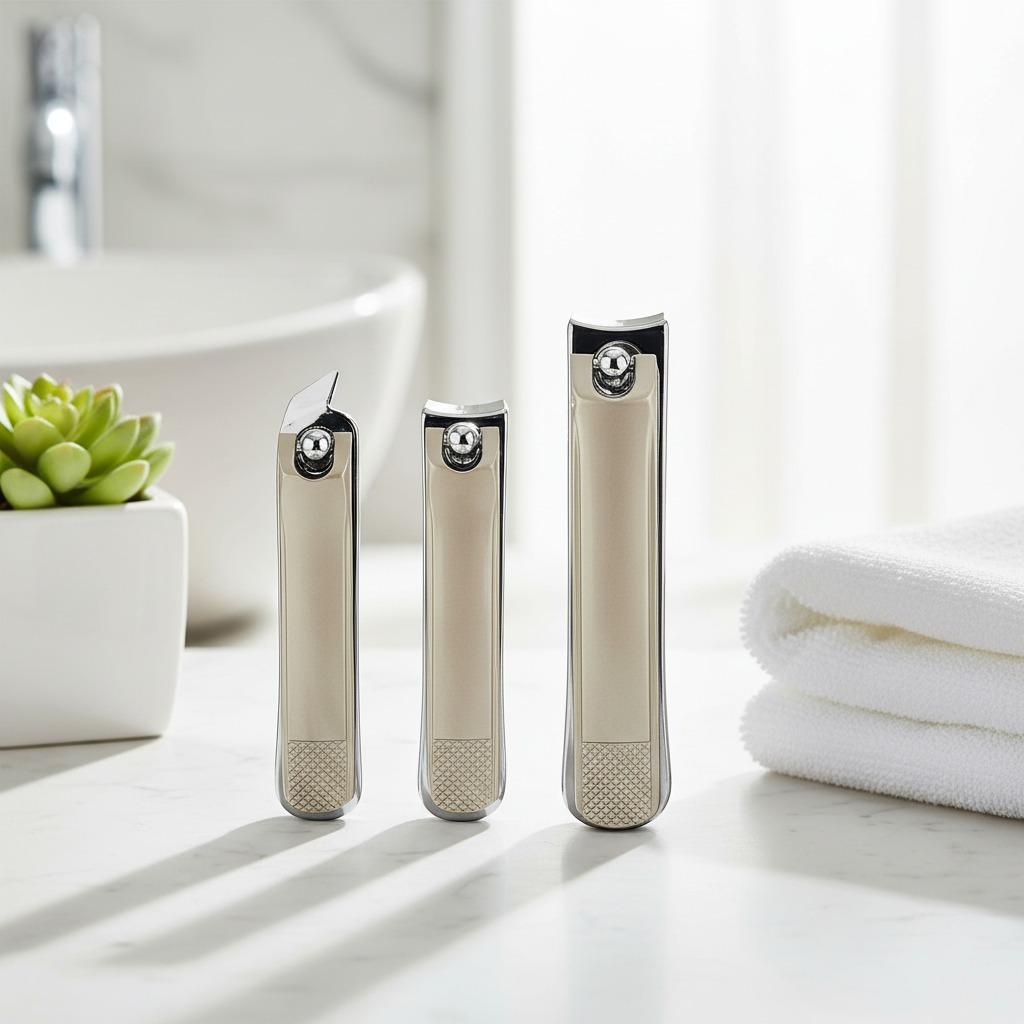
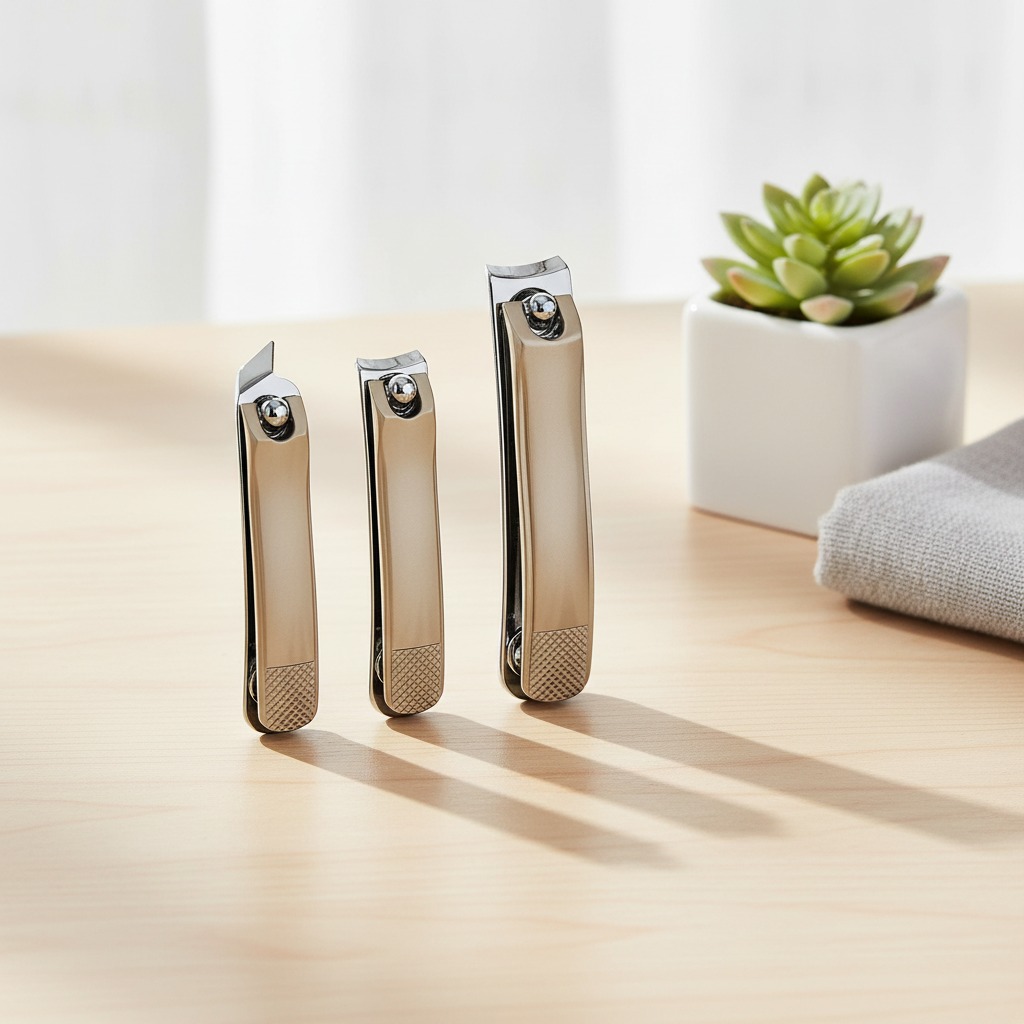
The Premium Nail Clipper Set from Olimor Beauty is described as coming in three sizes, making it useful for both fingernails and toenails. For retailers, this kind of size mix can help serve different customer needs in one purchase. Smaller clippers are often chosen for fingernails, travel bags, and daily grooming, while larger clippers are commonly preferred for thicker toenails. A set can also increase perceived value compared with a single item, provided the packaging explains the purpose of each size clearly.
When planning an assortment, consider these common retail use cases:
- Everyday replacement purchases: basic nail clippers for customers replacing a lost or dull tool.
- Family grooming: multi-size sets that can serve more than one user or nail type.
- Travel and toiletry kits: compact clippers that fit pouches, hotel amenities, or personal care bundles.
- Salon and spa resale: higher-quality grooming tools displayed near manicure or pedicure products.
- Giftable personal care sets: packaging that feels organized, clean, and suitable for seasonal promotions.
Retailers should avoid choosing only by the lowest unit cost. A nail clipper is a small item, but poor cutting performance can damage customer trust across the wider grooming category. Balance opening price points with better-quality sets that support stronger margins and fewer returns.
Sample Review Checklist Before Placing an Order
Sample approval is one of the most important steps in nail clipper sourcing. A photo can show shape and packaging, but it cannot prove cutting feel, lever strength, blade alignment, or finishing quality. Create a simple internal review process so your purchasing team, store team, or quality team evaluates each sample consistently.
| Check Area | What to Review | Why It Matters |
|---|---|---|
| Cutting performance | Clean cut, no tearing, suitable pressure | Directly affects customer satisfaction |
| Blade alignment | Edges meet evenly when closed | Prevents uneven trimming and nail splitting |
| Handle comfort | Grip feel, lever smoothness, control | Supports safer, easier use |
| Surface finish | No sharp burrs, stains, or rough areas | Improves perceived quality and hygiene |
| Packaging protection | Blades protected, product held securely | Reduces damage during shipping and display |
| Retail information | Clear product description and size use | Helps shoppers choose correctly |
It is also useful to compare samples from different production batches when possible. Consistency matters for retailers because customers may buy the same item weeks apart and expect the same experience. The original product information for Olimor Beauty notes strict quality assurance and inspections from raw materials to packaging. Retail buyers can use that as a starting point for discussing how checks are performed and what records are available for an order.
Questions to Ask a Nail Clipper Global Supplier
A good supplier conversation should go beyond price. International nail clipper trade involves product decisions, packaging decisions, export documentation, logistics timing, and after-sales communication. Whether you are sourcing from China or another manufacturing market, clarity at the beginning reduces problems later.
Prepare questions that help you understand the supplier’s working process without assuming details that have not been confirmed. Useful topics include available nail clipper types, blade materials used, finish options, packaging formats, inspection points, carton packing, sample lead time, order lead time, and export document support. If you need retail branding, clarify whether packaging customization is available and what information must be supplied by your team.
Buyers should also confirm how the supplier handles changes. For example, if your first order uses a three-size set and later you want a different packaging layout, will a new sample be required? If your market requires specific labeling, warnings, language, or barcode placement, who checks the artwork before production? These questions are practical and help prevent delays.
If you are reviewing wider product collections, compare nail clippers alongside related grooming tools so packaging style, quality level, and pricing position feel consistent across the range. A coordinated assortment can make the category easier for shoppers to understand.
Importing Nail Clippers from China: Practical Steps for Retailers
Nail clipper export from China can be attractive for retailers because many grooming tool suppliers are experienced with international trade. However, a smooth import process requires organized preparation. Start by defining the product you want: single clipper or set, sizes, finish, packaging type, target retail price range, and any required labeling for your market.
Next, request samples and review them using a written checklist. Once the product is selected, confirm the commercial terms, production timeline, packing details, inspection arrangement, and shipping method. Depending on your country and sales channel, you may need documents such as a commercial invoice, packing list, certificate of origin, or quality-related records. Requirements vary, so importers should align with their freight forwarder, customs broker, or compliance team early.
For first-time importers, it is often safer to avoid unnecessary complexity. Choose a clear assortment, approve final packaging artwork carefully, and keep communication documented. If your business is planning a larger private-label program, begin with a sample order or controlled launch before expanding distribution. Retail feedback from the first batch can guide future changes in packaging, size mix, and display strategy.
Packaging, Merchandising, and Online Listing Details
Packaging is not just a shipping wrapper. For a small grooming tool, it helps customers understand quality before they can test the product. Retail packaging should show the product clearly, protect the cutting edge, and communicate whether the clipper is intended for fingernails, toenails, or both. For a three-size set, a simple explanation of the size difference can reduce confusion and returns.
For online resale, product listings should include clear images, size information where available, material wording that matches the confirmed product, and practical use descriptions. Avoid exaggerated claims. Shoppers searching for a nail clipper for retailers or resellers often care about durability, grip, hygiene, and value. Use language that explains those points plainly.
In physical stores, consider display placement. Nail clippers sell well near manicure tools, foot care items, travel toiletries, men’s grooming, or checkout personal care sections. If the packaging has a hang hole or compact card format, it may work well on peg displays. If it is a set in a box, it may perform better on shelves with other grooming kits.
Reducing Returns and Building Long-Term Supplier Relationships
Returns in the nail clipper category often come from dullness, weak construction, uncomfortable use, damaged packaging, or a mismatch between customer expectation and the actual product. Retailers can reduce those problems by approving samples carefully, writing accurate product descriptions, checking incoming goods, and saving reference samples from approved orders.
Long-term supplier relationships also improve when buyers communicate forecasts and feedback clearly. Share which sizes sell fastest, whether customers prefer sets or single items, and which packaging messages reduce questions. If a batch receives complaints, document the issue with photos, order details, and specific observations rather than general statements.
Olimor Beauty works with beauty and grooming tools for retail and trade buyers. If you are comparing nail clipper options, need to discuss packaging requirements, or want to match clippers with other grooming products, you can contact Olimor or send an inquiry with your target market, sales channel, and preferred product format.
Final Buying Guidance for Retailers and Resellers
The best nail clipper for retailers is not simply the cheapest item available. It is the product that fits your customer, performs consistently, arrives in sellable condition, and supports your merchandising plan. Focus on clean cutting, ergonomic handling, suitable size options, protective packaging, and supplier communication. For a set, confirm that each size has a clear purpose and that the quality is consistent across all pieces.
By treating nail clippers as a serious grooming category rather than a basic commodity, retailers can build a more reliable personal care assortment. A carefully sourced nail clipper set can serve daily grooming customers, salon clients, travel buyers, and gift shoppers while helping your store strengthen trust in its broader beauty tool selection.
Tag: