


Nail Clipper for Retailers: How to Source Quality, Practical Styles
A nail clipper is a small product, but it can carry a large share of customer trust. Retail buyers, salon suppliers, online resellers and promotional product teams all need a clipper that feels sturdy in the hand, cuts cleanly and arrives in consistent condition. If the edge is weak, the lever is loose or the finish looks uneven, customers notice immediately. That is why sourcing a nail clipper for retailers should be treated as a product decision, not just a low-cost accessory purchase.
This guide focuses on how retailers and resellers can compare local and global sourcing options, evaluate supplier quality, choose practical styles and build a repeatable inspection checklist. It also highlights the useful product facts available for Olimor Beauty nail clippers: stainless steel construction, a compact 91mm length, 16mm width and 48g weight, with quality checks covering stages from raw materials to packaging.
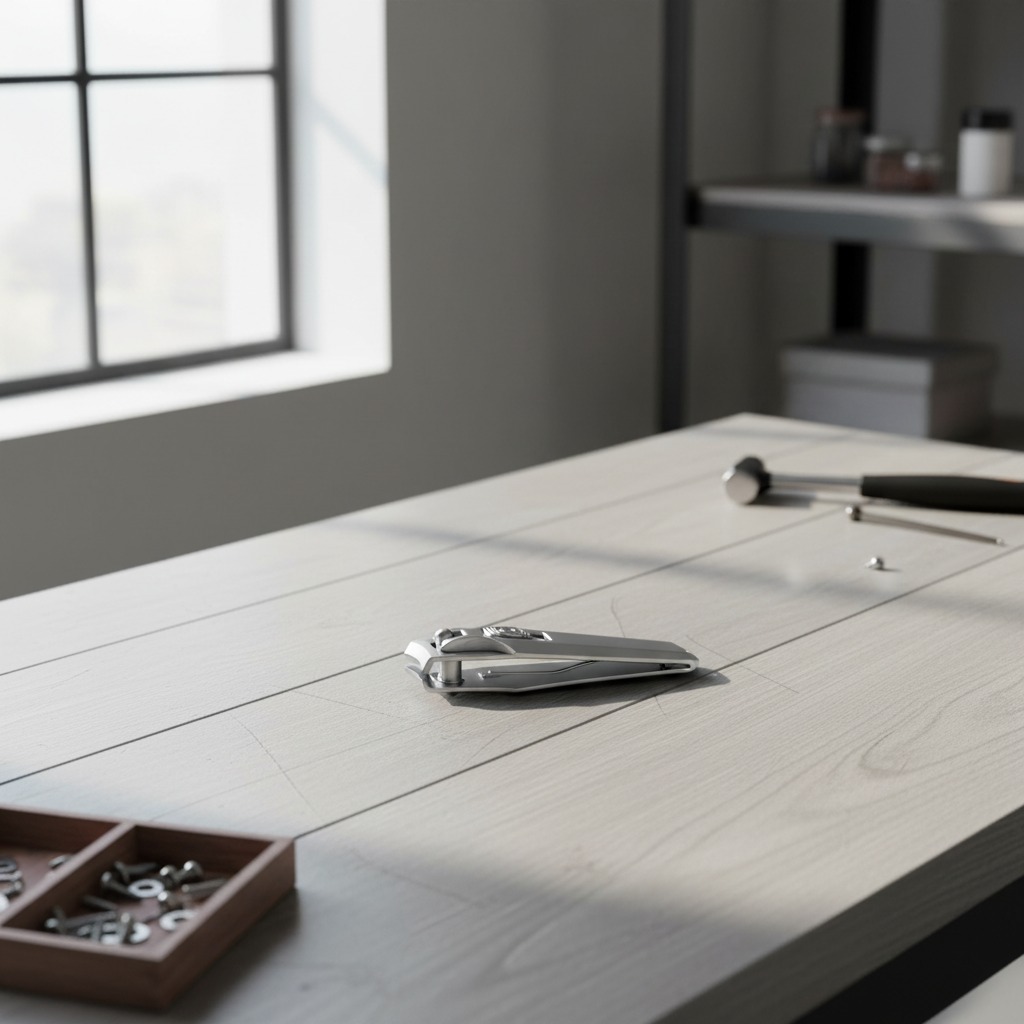
What Retail Buyers Should Expect from a Nail Clipper
For a retail nail clipper, the most important qualities are simple to describe but not always easy to deliver consistently. The cutting edges should meet evenly, the lever should press smoothly, and the body should resist bending under normal use. A clipper should also be easy to handle for a wide range of customers, including people buying for home grooming, travel kits, salons, pharmacies, supermarkets or e-commerce bundles.
The Olimor Beauty nail clipper described for retailers is made from stainless steel and has a 91mm length, 16mm width and 48g weight. Those dimensions place it in a practical size range for individual retail sales, grooming sets and portable personal care kits. Stainless steel is commonly chosen in grooming tools because it supports a clean look, a firm structure and everyday durability when properly manufactured and maintained.
Retailers should look beyond the first impression of shine. A clipper needs a reliable cutting edge, a stable rivet or joint area, a lever that does not wobble excessively and a finish that feels smooth where fingers rest. If the product will be sold through a salon or beauty supply channel, the feel in hand matters even more because professionals and repeat buyers compare tools closely.
Local vs. Global Sourcing for Retail Nail Clippers
Many retailers begin by comparing domestic suppliers with imported nail clippers. Local sourcing may offer shorter communication lines, faster small replenishment and familiar compliance paperwork. It can be useful for urgent stock needs, limited pilot runs or buyers who want to consolidate products from nearby distributors. However, local availability can be narrower in design variety, and unit costs may be higher depending on the supply chain.
Global sourcing, including nail clipper export from China, often gives buyers access to broader style options, larger production networks and more competitive pricing structures. For resellers working across e-commerce, salons and wholesale channels, this variety can help create different price points without changing the basic product category. A nail clipper global supplier can also support buyers who need repeatable supply for seasonal promotions, private assortments or multi-channel retail programs.
The best choice is not simply local or imported. The better question is whether the supplier can provide consistent product quality, clear communication, suitable packaging options and dependable inspection steps. A low purchase price loses value quickly if a retailer receives uneven sharpening, mixed finishes or packaging that does not match the sales channel.
| Sourcing factor | Local supply | Global supply |
|---|---|---|
| Lead-time flexibility | Often useful for urgent replenishment | Better for planned programs and broader assortments |
| Style variety | May be limited by distributor stock | Often wider across sizes, finishes and packaging |
| Cost structure | Can be higher per unit | Can be more competitive for larger orders |
| Quality control | Depends on the distributor and origin | Requires clear specifications and inspection checkpoints |
| Best use case | Small tests, emergency restock, local programs | Retail assortments, reseller growth, export-oriented buying |
Selection Criteria for Resellers and Multi-Channel Sellers
A nail clipper for resellers must work across different customer expectations. A pharmacy customer may prioritize a clean, familiar design. A salon supplier may focus on cutting performance and hand feel. An online shopper may compare images, reviews, dimensions and perceived value. Resellers should therefore evaluate both the product and the selling context before committing to a supplier.
- Cutting alignment: The upper and lower edges should meet cleanly without visible gaps that could tear the nail.
- Lever stability: The lever should lift and press smoothly, with enough resistance to feel controlled.
- Edge finish: Exposed corners and finger contact areas should feel smooth, not sharp or unfinished.
- Material communication: If stainless steel is a selling point, it should be stated accurately and consistently in product information.
- Size suitability: A 91mm clipper is portable while still offering enough grip area for many adult users.
- Weight and feel: At 48g, the clipper should feel substantial enough for retail presentation without being bulky.
- Packaging condition: Retail packaging should protect the clipper and arrive clean, aligned and suitable for display.
Resellers should also think about how the clipper will be sold. A single-item blister pack, a grooming kit component and a salon counter product may all require different packaging and presentation choices. Browse Olimor beauty tool products to compare how nail care items can fit into a wider personal care assortment.
Quality Checks That Matter Before Retail Sale
Quality control for nail clippers should begin before the finished product is packed. The original product information notes that Olimor Beauty inspections cover the process from raw materials to packaging. For buyers, that type of staged thinking is important because nail clipper quality is built through multiple steps: material selection, shaping, grinding, assembly, finishing and final packing.
When reviewing samples, retailers can build a simple inspection routine. First, examine the finish under normal light and check whether the surface looks even. Next, open and close the lever several times to assess smoothness. Then check cutting alignment by looking directly at the jaws. Finally, test sample units on appropriate nail test materials or controlled internal samples according to the buyer’s own quality process. The goal is not to overcomplicate inspection, but to catch the types of issues customers will quickly reject.
For retail buyers, consistency matters as much as a good first sample. One excellent sample does not guarantee that bulk goods will match. Specifications should be documented clearly, including size, material description, packaging requirements, finish expectations and acceptable cosmetic standards. Buyers can use send an inquiry to discuss product requirements and confirm the information needed for a sourcing decision.
Style Decisions: Practical Appearance Over Decoration
Nail clippers sell best when the design feels useful, clean and trustworthy. Retailers sometimes focus heavily on decorative styling, but the most successful choices usually support everyday use. A smooth stainless steel appearance communicates cleanliness and durability. A compact profile supports travel and home storage. A comfortable lever shape helps customers feel that the clipper is not flimsy.
For supermarkets, pharmacies and general retail, a simple stainless steel clipper can fit a broad audience. For salons and beauty supply stores, buyers may want a more polished presentation and stronger emphasis on cutting performance. For e-commerce, product pages should show dimensions clearly because customers cannot judge scale by hand. Stating that the clipper measures 91mm by 16mm and weighs 48g helps reduce uncertainty and can lower the risk of mismatched expectations.
Retailers developing a broader personal care section can also review Olimor product collections to think about how nail clippers, grooming tools and related beauty accessories can be merchandised together. A well-organized assortment can increase basket size without forcing the nail clipper to do all the selling work alone.
Packaging, Handling and Maintenance Considerations
Even a well-made nail clipper can lose value if it is poorly packed or handled. Packaging should prevent scratching during transport, keep the lever secure and present the product clearly for the sales channel. For online resellers, packaging also needs to survive parcel handling. For physical stores, hang-hole placement, barcode space, product visibility and shelf consistency may be important.
Maintenance information can improve customer satisfaction after purchase. Retailers do not need to overpromise performance, but they can encourage sensible care: keep the clipper dry after cleaning, store it away from damp environments, avoid using it on unsuitable hard materials and wipe the cutting area regularly. These simple instructions help customers understand that a grooming tool performs best when kept clean and dry.
For bulk buyers, storage before sale also matters. Cartons should be kept in dry, clean areas, away from excessive moisture and rough handling. If products are moved between warehouses, cartons should remain identifiable so batch-level issues, if any, can be traced more easily within the buyer’s own inventory system.
How to Compare Nail Clipper Suppliers Without Guesswork
A reliable supplier comparison should combine product samples, communication quality and documentation. Buyers should avoid choosing only by the lowest quoted price. Instead, compare what is included: material statement, dimensions, weight, packaging method, inspection process and ability to maintain consistency across repeat orders. The difference between a profitable retail product and a return problem often appears in these details.
Useful questions for supplier evaluation include whether the supplier can confirm the stainless steel construction, whether product dimensions match the intended retail listing, how finished goods are checked before packing and what packaging formats are available for the intended channel. If the clipper is being imported, buyers should also align shipment planning, labeling needs and market requirements through their own compliance process.
Olimor Beauty positions its nail clipper export from China around quality, style and inspection from raw materials to packaging. For retailers and resellers, the practical benefit is a more structured way to evaluate whether the product can support repeat sales, customer satisfaction and assortment growth. To discuss sourcing needs or clarify product details, buyers can contact Olimor with their target market, sales channel and packaging expectations.
Final Buying Guidance for Retailers
A nail clipper for retailers should be compact, durable, easy to present and consistent enough for repeat purchase. Stainless steel construction, a portable 91mm length, 16mm width and 48g weight give this Olimor Beauty nail clipper a practical profile for retail, reseller and salon-related channels. The sourcing decision should balance cost, quality, supplier communication and inspection discipline rather than focusing on one factor alone.
Whether a buyer chooses local supply for speed or global sourcing for variety and scale, the evaluation process should remain the same: confirm the material, check the cutting action, review packaging, document specifications and assess the supplier’s quality control approach. With a clear checklist, retailers can turn a small grooming tool into a dependable product line item that supports customer trust and repeat business.
Tag: