

Nail Clipper for Retailers: How to Source a Reliable Everyday Grooming Tool
A nail clipper may look like a simple product, but for retailers and resellers it is a high-touch item where small quality differences are easy for customers to notice. A clipper that feels balanced, cuts cleanly and resists corrosion can support repeat purchases and fewer complaints. A clipper that bends, tears the nail or arrives with inconsistent finishing can quickly damage customer confidence.
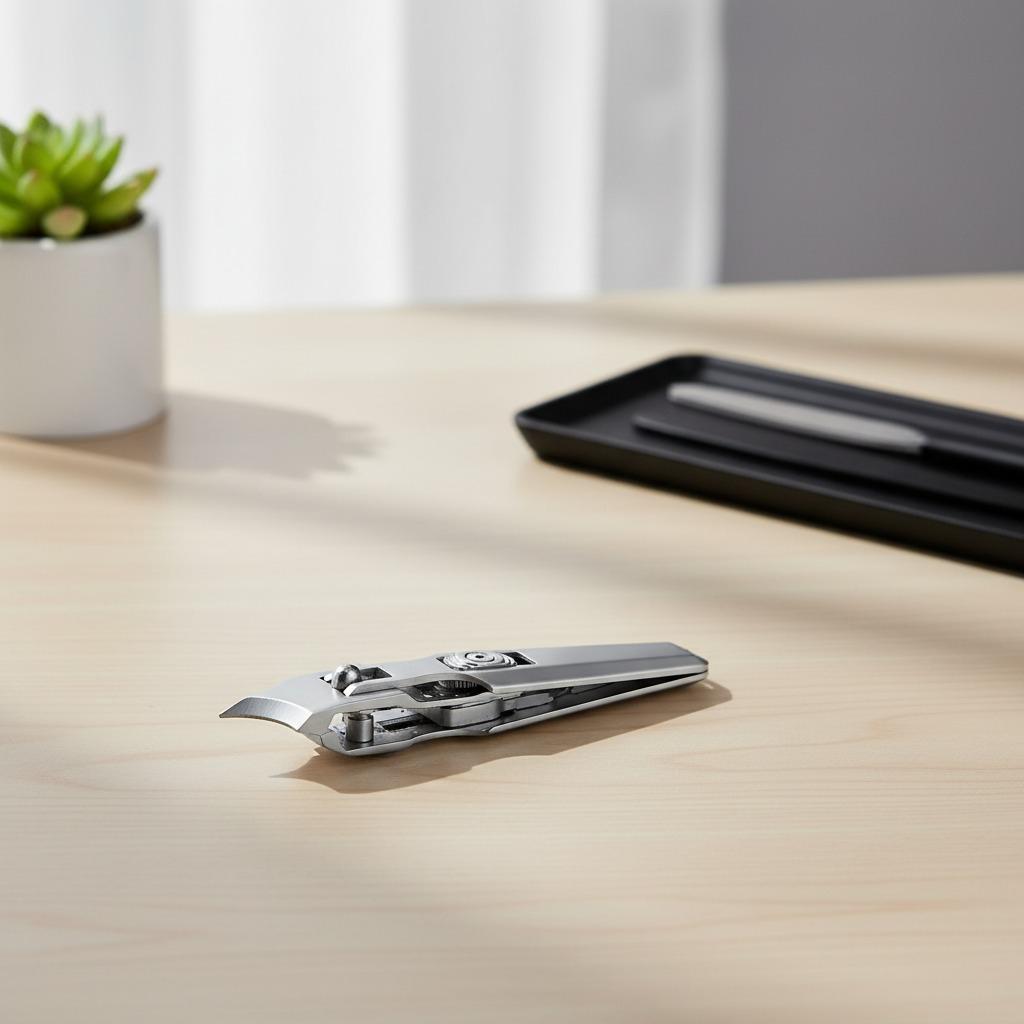
For buyers comparing a nail clipper for retailers, the goal is not only to find the lowest unit cost. The stronger sourcing decision considers cutting performance, material choice, finish consistency, packaging durability and supplier communication. Olimor Beauty’s nail clipper option is positioned for retail and resale channels that need a practical grooming tool with clear usability features, including a 99mm length, 49g weight, stainless steel construction, curved blades, an ergonomic lever mechanism, matte finish and built-in file.
What Retail Buyers Should Check Before Choosing a Nail Clipper
Retail nail clippers are often purchased as everyday personal care items, travel accessories, salon support tools or small add-on products near checkout areas. Because the product is compact and familiar, customers judge it quickly. They expect the blades to align, the lever to press smoothly and the body to feel sturdy in the hand.
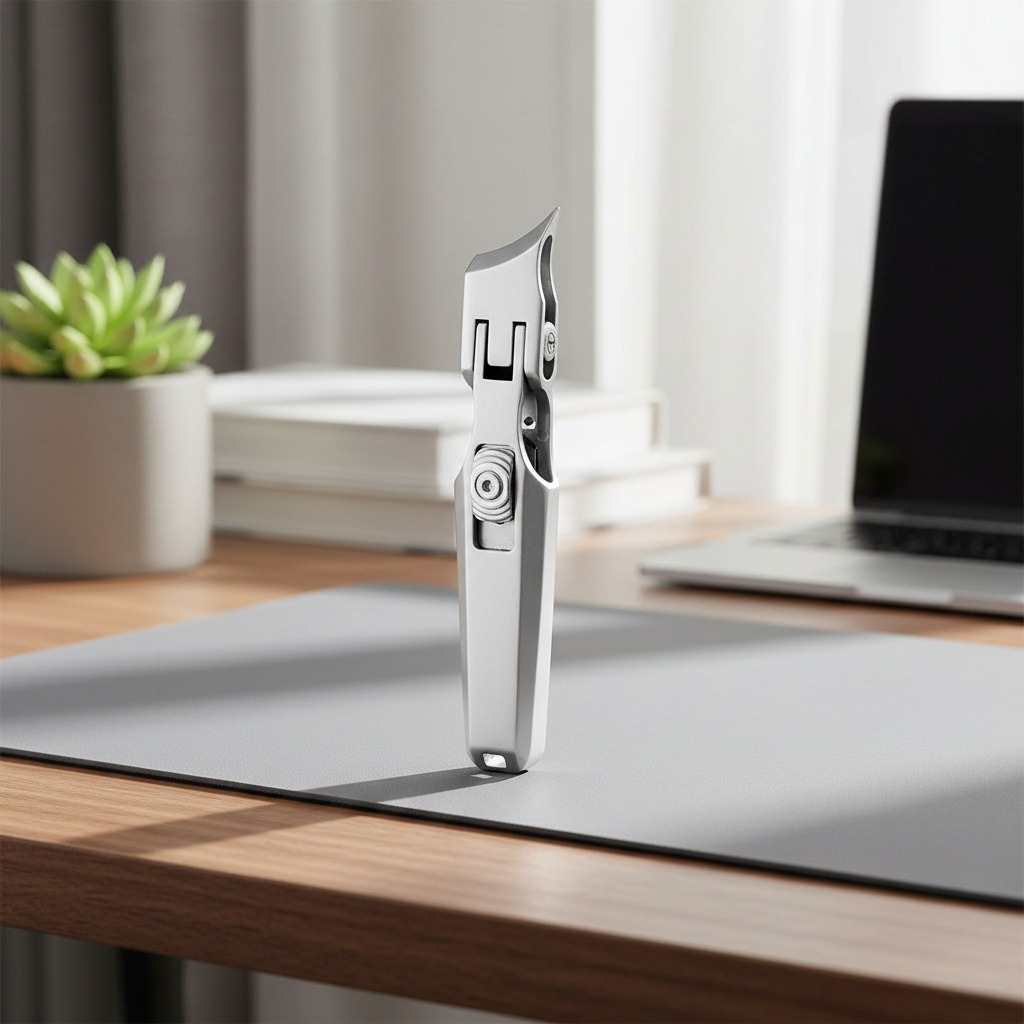
The Olimor Beauty nail clipper described for retail sourcing measures 99mm in length and weighs 49g. Those two details matter because they influence user control. A clipper that is too small can feel difficult to stabilize, especially for toenails or thicker nails. A clipper that is too heavy can feel awkward for frequent use. A 99mm body with a balanced 49g weight gives buyers a clear reference point when comparing samples from different suppliers.
Before placing a retail order, evaluate the following criteria across samples rather than relying only on catalog photos:
- Blade alignment: the cutting edges should meet evenly without visible gaps or shifting.
- Cutting feel: the clipper should cut cleanly instead of crushing or tearing the nail edge.
- Lever action: the lever should open, rotate and press without looseness or scraping.
- Surface finish: matte or polished finishes should be consistent, with no rough edges near grip points.
- File usability: if a built-in file is included, it should be positioned safely and remain easy to access.
- Packaging protection: packaging should prevent scratching during shipment, storage and display handling.
Why Stainless Steel, Curved Blades and Lever Design Matter
The supplied product details identify stainless steel construction, which is important for a nail clipper because the tool is frequently exposed to bathroom humidity, hand moisture and repeated cleaning. Stainless steel helps support rust resistance and longer service life compared with weaker budget alternatives that may discolor or lose edge quality sooner.
Blade shape also affects customer satisfaction. Curved blades are useful because they follow the natural contour of many fingernails and toenails. While users still need to trim carefully, a curved blade can help create a smoother clipping path than a flat or poorly shaped edge. For retail customers, this can reduce the frustration of uneven nail edges and reduce the need for repeated clipping in the same area.
The lever mechanism is another overlooked feature. A nail clipper does not need to feel complicated, but it should translate hand pressure into a stable cutting motion. Olimor Beauty’s described ergonomic lever mechanism is intended to reduce effort during use. For buyers, this feature is worth testing with different nail thicknesses. A clipper that performs well only on thin sample material may disappoint customers who need a stronger bite and steadier pressure.
Local Sourcing vs. Nail Clipper Export from China
Resellers often compare local wholesale options with international sourcing, including nail clipper export from China. Both routes can work, but they support different business priorities. Local sourcing may offer faster small-batch access and easier in-person inspection. International sourcing can provide broader manufacturing options, more direct product comparison and a stronger path for long-term range planning when the supplier has reliable controls.
For a nail clipper for resellers, the most practical question is not simply where the product is made. The key question is whether each shipment can meet the same standard as the approved sample. Olimor Beauty emphasizes internal controls from raw materials to packaging, which is relevant for buyers who want consistency across repeat orders. A reseller may be able to sell through a first batch quickly, but business value depends on whether customers can receive the same cutting feel and finish in later restocks.
| Sourcing factor | Local wholesale route | International supplier route |
|---|---|---|
| Sample inspection | Often easier to view quickly | Requires structured sample review and communication |
| Product variation | May be limited to available stock | Can support broader comparison of finishes, packaging and tool features |
| Consistency control | Depends on distributor stock management | Depends on supplier production and inspection discipline |
| Best fit | Small urgent replenishment or testing a market | Planned resale programs and repeat retail supply |
How Retailers Can Position This Nail Clipper in Store or Online
A practical nail clipper sells best when the product page or shelf description focuses on features customers understand. Avoid vague claims and highlight specific usability points: stainless steel construction, 99mm length, 49g weight, curved blades, matte finish and built-in file. These details help shoppers compare it with cheaper unbranded alternatives and understand why the tool may feel more stable in use.
For ecommerce listings, show the product scale and describe the built-in file clearly. Buyers want to know whether the clipper is suitable for home grooming, travel kits, family use or resale as a compact personal care accessory. For physical stores, consider placing nail clippers near manicure tools, foot care items, travel accessories or personal hygiene products. If your store builds themed personal care sets, a stainless steel clipper can pair naturally with other nail care items from beauty tool products or related product collections.
Retailers should also consider the end user. A customer buying a nail clipper for home use may care about comfort and durability. A reseller supplying salons, convenience stores or gift kits may care more about presentation, pack protection and reorder stability. The same product can serve multiple channels, but the sales message should change according to the audience.
Quality Control Questions for a Nail Clipper Global Supplier
When evaluating a nail clipper global supplier, buyers should create a checklist that is specific enough to catch problems before shipment. General promises about quality are less useful than observable requirements that can be confirmed during sample approval and order inspection.
- Confirm the approved sample: keep a reference sample for blade alignment, lever pressure, surface finish and packaging.
- Check blade consistency: inspect whether the curved blades close evenly from one side to the other.
- Review the matte finish: look for scratches, uneven texture, discoloration or rough areas near the handle.
- Test the built-in file: verify that it is securely integrated and not sharp in unintended areas.
- Assess packaging: make sure the clipper cannot rub against other pieces or become damaged during transport.
- Document acceptance standards: define what counts as a defect for cutting, finishing, assembly and packaging before production begins.
This approach is especially important for resellers who sell through marketplaces or retail partners, where returns and negative reviews can be costly. Even an affordable grooming tool needs dependable inspection standards because it comes into direct contact with the customer’s hands and nails.
Maintenance Advice Retailers Can Share With Customers
Helpful after-sale guidance can reduce complaints and improve customer satisfaction. Nail clippers last longer when users keep them dry, wipe them after use and store them away from prolonged moisture. Stainless steel supports rust resistance, but no grooming tool should be left wet in a sink, shower area or sealed pouch after cleaning.
Customers should also avoid using a nail clipper for materials other than nails. Cutting wire, plastic tags or hard packaging can damage blade alignment. If the clipper includes a built-in file, users should file gently in one direction instead of sawing aggressively back and forth. These simple care instructions are easy to include on a product page, insert card or retail training note.
Making a Better Sourcing Decision for Retail Growth
A strong nail clipper sourcing decision balances product details with supply reliability. Olimor Beauty’s nail clipper offers several buyer-relevant features: stainless steel construction, 99mm length, 49g weight, curved blades, ergonomic lever design, matte finish and a built-in file. For retailers and resellers, these specifics create a clearer basis for comparison than generic claims about personal care tools.
Before committing to a nail clipper supplier, review physical samples, compare finish consistency, test the cutting action and define packaging expectations. If your business is planning a retail program, resale assortment or private sourcing discussion, you can send an inquiry with your target channel and packaging needs. For broader sourcing questions or product range planning, contact Olimor to discuss suitable beauty tool options.
Choosing the right nail clipper is ultimately about protecting customer trust. When the tool cuts smoothly, feels balanced and arrives in consistent condition, it becomes an everyday product that supports repeat business rather than a low-value item that creates avoidable problems.
Tag: