

Nail Clipper Factory Guide for Wholesale and OEM Buyers
For retailers, salon suppliers, promotional product companies, and private-label beauty brands, choosing a nail clipper factory is not only about finding a low unit price. A nail clipper is a small tool, but customers quickly notice poor cutting performance, weak leverage, rough edges, loose parts, or packaging that does not match the retail promise. When buying in bulk, small differences in design and production consistency can become large differences in return rates, reviews, and brand trust.
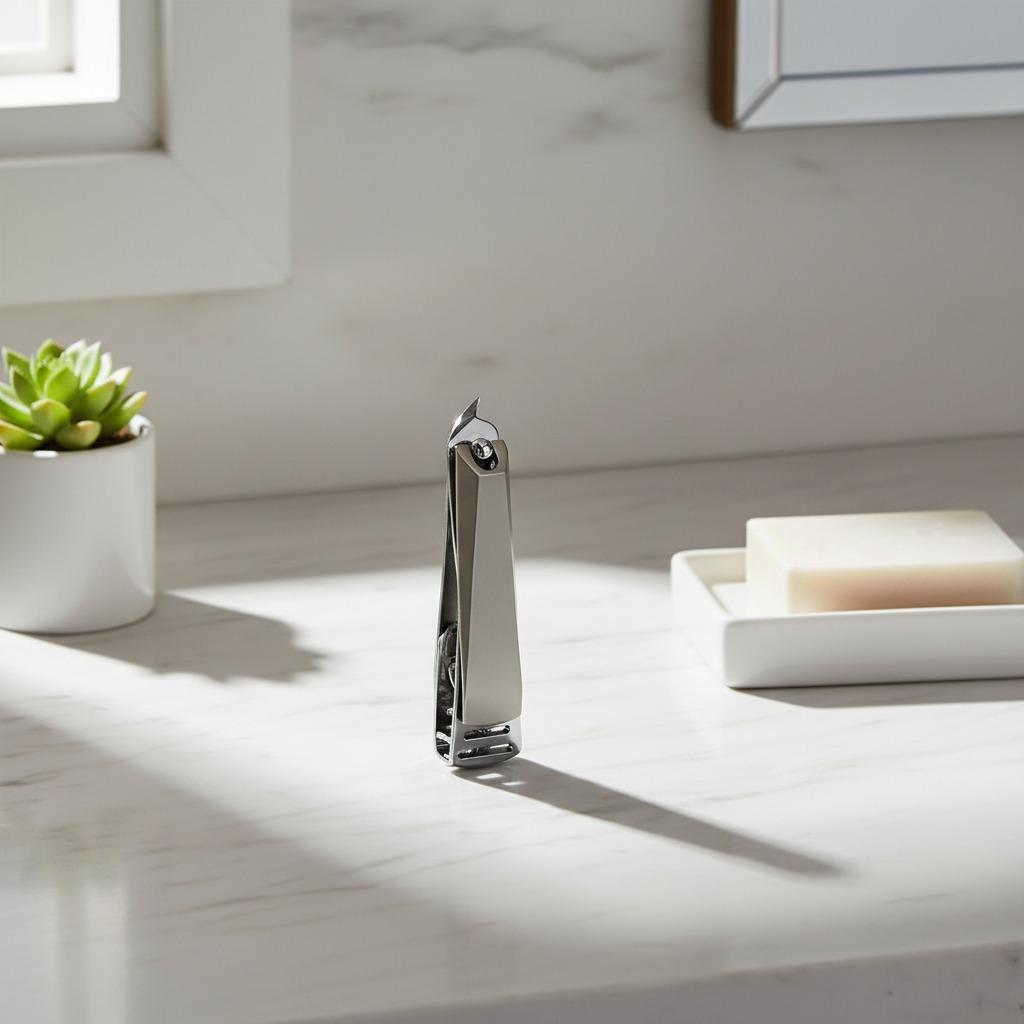
Olimor Beauty serves buyers looking for practical, durable grooming tools with wholesale and OEM possibilities. The existing nail clipper example described by Olimor Beauty is a compact metal clipper measuring 70mm long and 15mm wide, with a lightweight 30g body, a sleek metallic finish, and sharp curved blades for controlled cutting. Those details provide a useful starting point for understanding what bulk buyers should evaluate before placing a production order.
What a Good Nail Clipper Factory Must Control
A nail clipper looks simple from the outside, but its performance depends on several manufacturing decisions that must work together. The cutting edge needs to be sharp enough to trim cleanly without crushing the nail. The lever must create enough pressure without feeling stiff. The pin, jaw alignment, spring action, and surface finishing all affect the user experience.
In a factory environment, quality begins before assembly. Stainless steel selection, cutting, forming, grinding, polishing, and final assembly each create opportunities for defects if process control is weak. For wholesale nail clipper orders, consistency is especially important because one sample may perform well while a poorly controlled production batch may vary from carton to carton.
Buyers should pay close attention to these factory control points:
- Blade alignment: the upper and lower cutting edges should meet evenly across the curve.
- Edge sharpness: the clipper should cut smoothly rather than tear, crush, or split the nail.
- Lever tension: pressure should feel stable and predictable without excessive hand fatigue.
- Surface finish: the metallic finish should be smooth, clean, and free from burrs or sharp unfinished corners.
- Assembly strength: pins, levers, and moving parts should not loosen during normal use.
- Dimensional consistency: a 70mm clipper, for example, should remain consistent across the order so packaging and user expectations are reliable.
How the 70mm Compact Clipper Fits Retail and Professional Needs
The 70mm length and 15mm width described for this nail clipper make it suitable for buyers who need a portable personal grooming tool rather than an oversized pedicure clipper. At 30g, it is light enough for travel kits, retail beauty sets, salon counter sales, or everyday personal care assortments. A compact clipper can also be easier to package in blister cards, boxes, or small grooming kits, depending on the buyer's sales channel.
The sharp curved blades are an important feature because most users expect a fingernail clipper to follow the natural curve of the nail. A curved cutting profile can help produce a cleaner shape when used carefully. However, curved blades also require precise grinding and alignment. If the curve is inconsistent or if one side of the jaw closes earlier than the other, the clipper may leave rough edges or require repeated cuts.
The sleek metallic finish supports a clean, practical appearance. For a beauty-tool buyer, this matters because the finish influences perceived value before the product is even used. Still, appearance should never replace functional testing. A polished clipper that performs poorly will not support repeat sales. The best sourcing decision balances finish, hand feel, cutting performance, packaging, and batch reliability.
Wholesale Sourcing Questions Before You Buy in Bulk
Bulk buyers often compare factories by quotation, but a quote only tells part of the story. A nail clipper wholesaler or manufacturer should be evaluated by how clearly it can support repeatable production, appropriate packaging, inspection, and communication. Before confirming an order, prepare a structured checklist so that sampling and production discussions stay focused.
| Buyer question | Why it matters |
|---|---|
| Is the sample the same construction intended for mass production? | Prevents approval of a sample that cannot be matched later. |
| How is blade sharpness checked during production? | Cutting performance is the main reason customers keep or reject the tool. |
| What packaging format is suitable for the target channel? | Retail, e-commerce, salon supply, and gift sets may need different presentation and protection. |
| Can dimensions and weight remain consistent across batches? | Important for packaging fit, shipping calculations, and customer expectations. |
| What customization choices are available without changing function? | Helps private-label buyers personalize while avoiding unnecessary tooling risk. |
Olimor Beauty provides a broad view of beauty tool options through its beauty tool products page. Buyers comparing nail clippers with other grooming tools can also review product collections to plan assortment strategy across retail sets, salon supply, or private-label programs.
OEM Nail Clipper Decisions That Affect Performance
Nail clipper OEM work can include branding, finish choices, package design, and sometimes shape or structural adjustments. Customization is useful, but buyers should separate cosmetic changes from performance-related changes. A logo or packaging update is usually less risky than changing the lever shape, jaw geometry, blade curve, or material thickness. Any change that affects leverage or blade contact should be tested carefully before moving to bulk production.
For private-label buyers, the most practical OEM approach is to begin with a proven clipper structure, confirm the target user, and then make controlled adjustments. For example, a buyer selling travel grooming kits may value compact size, light weight, and simple packaging. A salon supplier may care more about repeated cutting performance, easy cleaning, and professional presentation. A promotional distributor may need a large branding area and packaging that protects the metallic finish during shipping.
When reviewing OEM options, consider the following order of priority:
- Function first: confirm cutting quality, grip, leverage, and comfort before approving appearance.
- Safe finishing: check for burrs, rough corners, and unfinished edges around the lever and jaws.
- Branding method: choose a branding approach that suits the surface and expected handling.
- Packaging protection: prevent rubbing, moisture exposure, and loose movement in transit.
- Inspection criteria: define acceptable and unacceptable defects before production is completed.
Inspection Standards for Wholesale Nail Clippers
Because nail clippers are mechanical tools, inspection should include both visual and functional checks. A carton may look well packed while individual clippers have uneven jaws or inconsistent lever tension. For this reason, buyers should not rely only on appearance. A practical inspection plan includes sampling from different cartons and checking several performance points.
Visual inspection should cover finish consistency, scratches, stains, deformation, logo placement if customized, and packaging condition. Functional inspection should include opening and closing the lever, checking jaw alignment, confirming that the cutting edges meet evenly, and testing cutting performance on an appropriate sample medium. The clipper should feel stable in the hand and should not require excessive force for normal nail trimming.
For a compact 70mm clipper, buyers should also confirm that the size feels right for the intended user. A light 30g tool can be convenient for travel and everyday carry, but the lever still needs to provide enough pressure for a clean cut. If the buyer's market includes users who prefer a heavier feel or a larger grip, that should be considered during sampling rather than after shipment.
Choosing Olimor Beauty for Bulk Nail Clipper Supply
Olimor Beauty is positioned for buyers who need beauty tools for wholesale and OEM sourcing, including nail clippers designed for everyday grooming needs. The value for bulk buyers is not just the product itself, but the ability to discuss product fit, customization direction, packaging plans, and quality expectations before committing to a larger order.
If you are building a retail nail-care range, a compact metallic nail clipper can serve as a core item because it is familiar, practical, and easy to pair with files, tweezers, scissors, or grooming kits. If you are building a private-label program, it is important to define the user and sales channel first: drugstore personal care, salon supply, travel accessories, e-commerce multipacks, or promotional beauty sets may each require different packaging and presentation choices.
Buyers ready to compare options can send an inquiry with target quantity, packaging needs, branding expectations, and market requirements. For broader sourcing discussions, you can also contact Olimor to clarify which nail clipper approach best fits your assortment.
Practical Takeaway for Nail Clipper Buyers
A reliable nail clipper factory should be judged by repeatable cutting performance, clean finishing, stable assembly, packaging suitability, and the ability to support wholesale or OEM requirements without losing product consistency. The 70mm, 30g metallic nail clipper described by Olimor Beauty shows the kind of compact format many buyers need for daily grooming, travel, and retail beauty assortments.
Before placing a bulk order, focus on the details customers will notice immediately: whether the clipper cuts cleanly, feels comfortable, looks well finished, and arrives in packaging that suits the sales channel. A small grooming tool can carry a brand's reputation. Careful sourcing makes that reputation easier to protect.
Tag: