

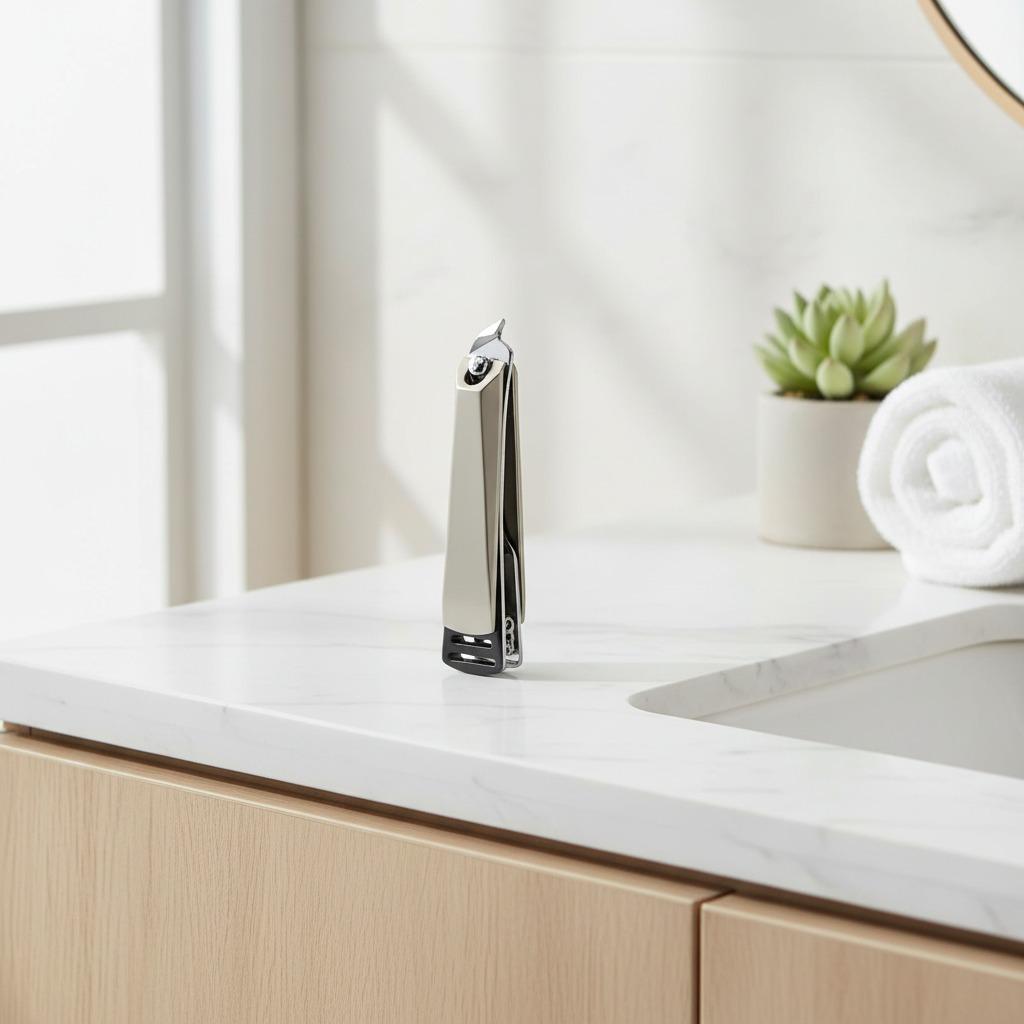
Nail Clipper Factory Quality: A Practical Guide for Bulk Buyers
For retailers, distributors, grooming kit brands and promotional product buyers, a nail clipper is a small item with a large quality burden. It sits close to the skin, is used repeatedly, and is judged immediately by the feel of the cut. A clipper that bends, slips, leaves jagged nail edges or feels uncomfortable in the hand can damage customer confidence in an entire grooming line.
Choosing a nail clipper factory is therefore not only a price comparison. It is a production quality decision involving blade sharpness, lever action, surface finish, packaging consistency, customization options and shipment reliability. Olimor Beauty works with buyers who need practical beauty tool sourcing, including wholesale nail clippers and OEM production discussions, where details matter more than broad claims.
This guide explains how to evaluate nail clipper production quality, what to look for in samples, and how to prepare a more effective sourcing brief before placing a bulk order.
What Makes a Nail Clipper Factory Reliable?
A reliable factory should be able to translate a simple-looking product into repeatable production. Nail clippers include multiple functional parts: the upper and lower cutting jaws, lever, rivet or pin structure, body plate and, in some designs, file surfaces or catchers. If one part is inconsistent, the full product feels poor.
For bulk buyers, the most important question is not whether one sample works well. The question is whether thousands of pieces can perform in the same way. Consistency depends on material preparation, forming, sharpening, assembly, polishing, inspection and packaging control. A good sourcing conversation should cover each of those steps.
Useful evaluation points include:
- Cutting performance: The blades should meet cleanly and cut without crushing, tearing or snagging the nail.
- Lever tension: The lever should feel stable and controlled, not loose, weak or overly stiff.
- Edge alignment: Misaligned jaws can create uneven trimming and a higher risk of nail splitting.
- Surface finish: Rough edges, burrs or poor polishing can make the tool uncomfortable or unsafe to handle.
- Packaging fit: Bulk nail clippers should arrive protected, clean and correctly presented for the intended sales channel.
When reviewing beauty tool products, buyers should compare nail clippers not only by appearance but by repeated use. A product that looks acceptable in a photograph may still fail on blade contact, spring feel or handle stability.
Blade Material, Sharpness and the Importance of Stainless Steel
The original product details highlight stainless-steel blades, which are a key feature for personal grooming tools. Stainless steel is commonly chosen because it offers a useful balance of cutting strength, corrosion resistance and clean appearance. However, the term alone is not enough for sourcing decisions. Buyers should still evaluate how the blades are formed, finished and sharpened.
A sharp nail clipper should make a clean cut with moderate pressure. If the user must squeeze too hard, the lever design or blade edge may be inefficient. If the clipper leaves a ragged edge, the blade may be dull, misaligned or poorly finished. If the blades shift sideways during use, assembly tolerances may be too loose.
For wholesale orders, sample testing should include both fingernail and toenail use cases if the product is intended for general grooming. A compact clipper may suit everyday fingernail trimming, while larger or stronger designs may be preferred for toenails. If a buyer is building a complete grooming range, the clipper should also match the feel and quality level of related items such as tweezers, scissors, files and cuticle tools.
Understanding Size, Weight and Ergonomics
Small dimensional differences can change how a nail clipper feels. The supplied product information mentions a sleek 70 mm design, a weight of 30 grams and a 15 mm width. Those details suggest a compact, travel-friendly format that may suit everyday carry, gift sets, retail checkout displays or personal grooming kits.
For buyers, measurements should be considered alongside the target user. A 70 mm clipper may be easy to store and convenient for travel, while a wider or heavier clipper may feel more substantial in the hand. A 30 gram clipper can be light enough for pouch kits but still needs enough structure to provide confident leverage. A 15 mm width can make the tool compact, but the handle and lever still need to allow safe grip and controlled pressure.
Ergonomic handles are also mentioned in the existing product details. In practical terms, an ergonomic handle should reduce slipping and make trimming more controlled. This is especially important when nails are thick, wet or difficult to position. For retail buyers, grip comfort is a strong selling point because customers often notice it immediately during first use.
Wholesale Nail Clipper Selection Criteria
Wholesale buyers usually compare factories by unit price, but price only makes sense after product requirements are clear. A low-cost clipper that causes complaints, returns or poor reviews is rarely the best commercial choice. A better approach is to build a selection checklist before requesting quotes.
| Selection area | What to check | Why it matters |
|---|---|---|
| Cut quality | Clean trimming, no snagging, aligned blades | Directly affects customer satisfaction |
| Comfort | Grip, lever pressure, stability in hand | Improves usability for daily grooming |
| Finish | Polishing, burr removal, surface consistency | Supports a safer and more premium feel |
| Packaging | Retail card, pouch, box or bulk packing options | Must match sales channel and logistics needs |
| Customization | Logo, color, packaging artwork or set configuration | Supports private label and OEM programs |
| Inspection | Incoming material, in-process and final checks | Reduces inconsistency across bulk shipments |
This kind of comparison helps buyers avoid vague sourcing decisions. It also makes communication with a nail clipper wholesaler more efficient because requirements are based on function, not only appearance.
OEM Nail Clipper Projects: What to Define Before Production
Nail clipper OEM production can support private label grooming brands, retail programs, hotel amenities, salon kits and promotional bundles. OEM work may involve branding, packaging, surface treatment, size selection or pairing the clipper with other manicure tools. The more clearly the buyer defines the end use, the easier it is to choose an appropriate design.
Before moving from inquiry to sampling, prepare a short product brief. It does not need to be complicated, but it should answer the major production questions:
- Target user: Is the clipper for everyday home grooming, travel, salon retail, men’s grooming kits, gift sets or promotional use?
- Product format: Should it be a compact fingernail clipper, a larger toenail clipper or part of a multi-tool set?
- Branding needs: Will the order require logo placement, specific packaging artwork or coordinated colors?
- Packaging channel: Will the product be sold in e-commerce, retail stores, bulk distribution or included inside a kit?
- Quality expectations: What level of finish, cutting feel and inspection standard is required for the market?
Buyers exploring wider assortment planning can review Olimor product collections to consider how nail clippers may fit into a coordinated beauty tool range.
Inspection Points from Raw Material to Packaging
The supplied details mention strict inspections from raw materials to packaging. For a nail clipper, inspection should not be limited to final appearance. Functional checks are just as important, because small defects can affect the entire user experience.
Raw material checks help confirm that components are suitable for production. During forming and assembly, the factory should monitor shape consistency, rivet stability and blade alignment. After polishing and finishing, the surface should be checked for sharp burrs, stains, scratches or uneven plating if any surface treatment is used. Final inspection should include open-and-close function, cutting feel and packaging accuracy.
For bulk orders, buyers can also define acceptable quality expectations in advance. This may include reference samples, approved packaging proofs and clear defect categories. Examples of major defects may include non-functioning blades, loose levers, dangerous burrs or incorrect branding. Minor defects may include small cosmetic marks depending on the product’s price level and sales channel. Establishing these categories early helps reduce disputes later.
When a China Nail Clipper Manufacturer Is the Right Fit
Many buyers look for a nail clipper China manufacturer because they need scalable production, flexible sourcing options and access to a broader grooming tool supply chain. The key is to evaluate the manufacturer’s ability to match the order’s quality level rather than assuming all factories produce the same result.
A China-based sourcing partner can be especially useful when a buyer needs related tools packaged together, such as nail files, tweezers, scissors or manicure accessories. Coordinating these items can improve consistency across a grooming kit. However, buyers should still approve each item individually instead of judging the set only by the outer packaging.
Olimor Beauty focuses on practical beauty tool sourcing for buyers who care about both product function and presentation. If you are comparing nail clipper designs, preparing a private label program or building a grooming set, you can send an inquiry with your target market, quantity plan and packaging direction. For more specific sourcing questions, you may also contact Olimor to discuss available options.
Final Buying Advice for Nail Clipper Orders
A good nail clipper factory should help buyers create a product that is simple to use, consistent in bulk and suitable for the intended retail or distribution channel. Focus first on cutting performance, stainless-steel blade quality, ergonomic handling, finish and inspection. Then evaluate price, packaging and customization around those requirements.
For a compact clipper, details such as a 70 mm length, 30 gram weight and 15 mm width can support portability, but they should always be checked against real handling comfort and blade performance. For OEM or wholesale programs, the best results come from clear briefs, approved samples and practical quality checkpoints. A nail clipper may be small, but the sourcing discipline behind it should be precise.
Tag: