

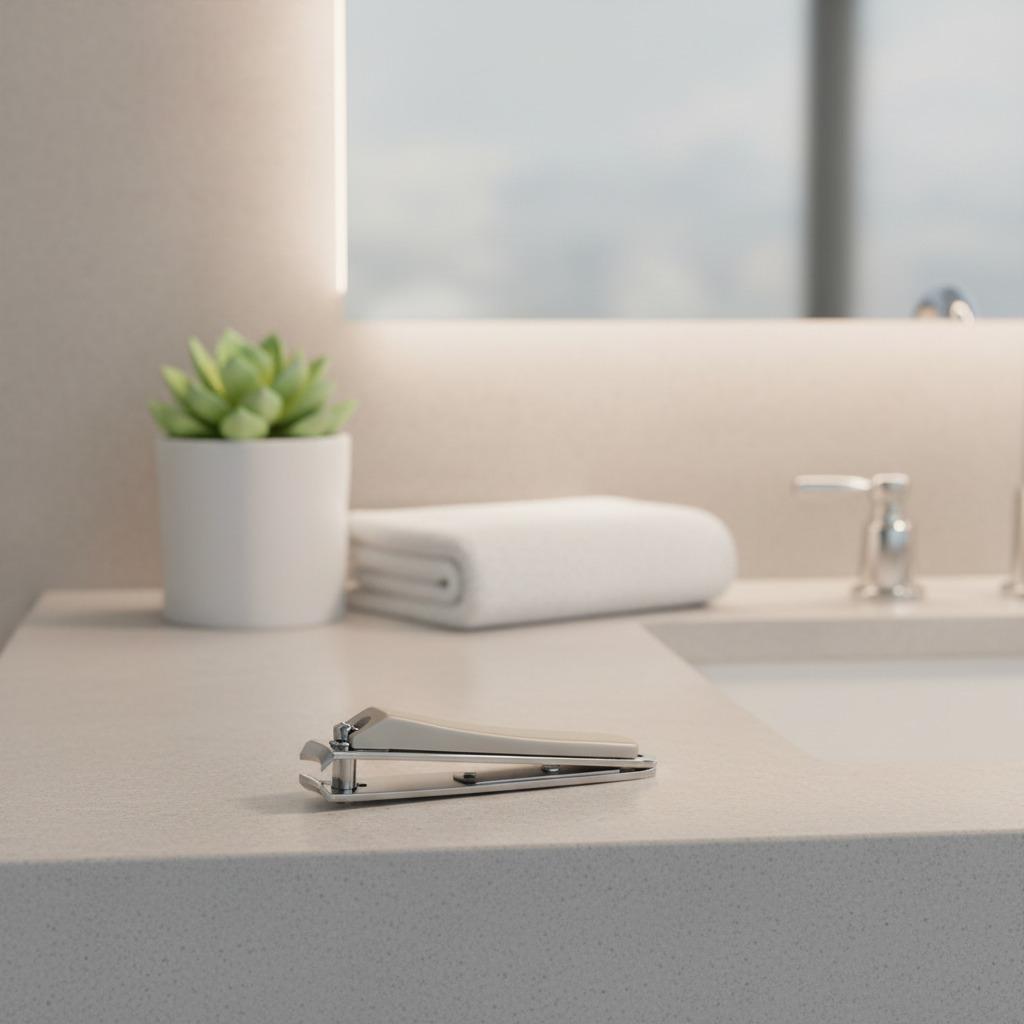
How to Evaluate a Nail Clipper Factory for Bulk and OEM Production
Choosing a nail clipper factory is not only a price comparison. For retailers, distributors, private-label grooming brands and promotional product buyers, the real decision is whether the supplier can repeatedly deliver a small metal tool that cuts cleanly, feels comfortable in the hand and arrives packaged for the intended sales channel. A nail clipper may look simple, but poor blade alignment, weak leverage, rough edges or inconsistent finishing can quickly create customer complaints.
Olimor Beauty works with beauty and grooming tool buyers who need practical sourcing support for bulk and OEM production. The SleekPro Nail Clipper, referenced in Olimor Beauty’s product work, is an example of the type of everyday grooming tool buyers often want to adapt for retail, wholesale or branded use. Its stated features include a durable stainless steel design, an ergonomic handle, a built-in nail file and lever construction designed for improved leverage. Those details make it a useful starting point for understanding what to review before placing a bulk nail clipper order.
This guide explains the main production and sourcing questions to consider when comparing a nail clipper OEM partner, with a focus on product usability, customization, inspection and wholesale readiness.
What Bulk Buyers Should Expect from a Nail Clipper Factory
A reliable nail clipper factory should be able to support repeatable manufacturing, not just one attractive sample. The sample you approve is important, but the real test is whether mass production keeps the same cutting feel, finish and packaging presentation across the order.
When evaluating a supplier, look at the full path from material selection to final packing. Stainless steel is commonly preferred for nail clippers because buyers associate it with durability, corrosion resistance and a clean grooming appearance. However, the phrase “stainless steel” alone is not enough for a sourcing decision. Buyers should confirm how the material is finished, how cutting edges are formed, and how each batch is checked for sharpness and alignment.
For an OEM or wholesale nail clipper order, the factory should also understand the difference between sales channels. A supermarket blister pack, an online retail set, a salon supply carton and a promotional giveaway may all require different packaging priorities. Some need strong shelf visibility. Others need compact shipping volume, barcode placement, instructions or brand consistency across a wider grooming tool line.
To compare options, buyers can review related beauty tool products and see whether the supplier’s range matches the broader grooming category they plan to sell. A factory that understands adjacent beauty tools may be better prepared to support coordinated packaging, assortment planning and future product extensions.
Key Nail Clipper Features That Affect Customer Satisfaction
End users judge a nail clipper quickly. If it pinches, tears, slips or requires too much pressure, they may not buy the same brand again. That makes small design details important for bulk buyers, especially when the product will carry a retailer’s or private label brand name.
The SleekPro Nail Clipper highlights several features that buyers commonly evaluate. Its stainless steel construction speaks to durability and a clean appearance. The ergonomic handle is relevant because a clipper must be easy to control, especially for users who trim thicker nails or prefer a secure grip. The built-in nail file adds convenience and may reduce the need for a separate tool in basic grooming kits. Lever construction is also important because leverage affects how smoothly the blades cut through the nail.
Before confirming a bulk order, assess these practical criteria:
- Cutting edge alignment: The upper and lower blades should meet evenly without visible offset that could cause splitting or missed cuts.
- Cutting feel: A good clipper should cut cleanly without excessive force, harsh snapping or blade drag.
- Handle comfort: The lever should feel stable under pressure and should not have sharp edges where the finger presses.
- Surface finish: Polishing, coating or brushing should be consistent, with no burrs around the blade, file or handle openings.
- File usability: If a nail file is included, it should be accessible and practical, not simply decorative.
- Packaging protection: The clipper should not rub against packaging in a way that creates scratches before sale.
These points may seem basic, but they are the difference between a low-risk grooming product and a shipment that generates returns. For private-label buyers, the product must also match brand positioning. A premium grooming line may require a different weight, finish and packaging style than a value-focused travel nail clipper.
OEM Customization: What Can Be Decided Before Production
Nail clipper OEM projects usually involve more than putting a logo on an existing item. A buyer may need to decide how much customization is useful for the target market and how much complexity the order can support. Over-customization can increase development time, while too little differentiation can make the product difficult to position.
Common OEM decision areas include logo placement, handle appearance, packaging format, color direction if applicable, carton labeling and retail presentation. If the existing nail clipper design already meets the functional need, the safest approach may be to focus customization on branding and packaging. If the buyer wants a different grip, file format or lever detail, those changes should be reviewed carefully because they may affect tooling, assembly, comfort and inspection requirements.
For a model such as the SleekPro Nail Clipper, the known features create several practical OEM questions. Should the ergonomic handle remain unchanged for a proven feel, or should it be modified for a particular audience? Should the built-in nail file be highlighted on packaging? Should the stainless steel design be presented as a core selling point on the product card or online listing? Should the lever construction be demonstrated through product photography or simple usage icons?
Buyers preparing an OEM brief can include the following:
- Target sales channel and retail price position.
- Preferred product finish, branding area and logo method.
- Packaging type, artwork requirements and barcode needs.
- Any instructions, warnings or language requirements for the destination market.
- Expected carton packing method and shipping constraints.
- Quality points that matter most, such as sharpness, finish consistency or lever smoothness.
A clear brief helps the factory respond with practical options instead of vague estimates. Buyers can also send an inquiry with details about the intended channel and customization goals so the discussion begins with the right technical and commercial context.
Quality Control Points for Wholesale Nail Clipper Orders
Quality control for a nail clipper should focus on function, finish and packaging accuracy. Because the product is small, defects can be overlooked if inspection only checks quantity and outer cartons. A better inspection plan includes hands-on cutting tests, visual checks and packaging review.
The table below shows a practical checklist for bulk buyers and sourcing teams:
| Inspection Area | What to Check | Why It Matters |
|---|---|---|
| Blade alignment | Upper and lower cutting edges meet evenly | Prevents tearing, uneven cuts and user frustration |
| Lever action | Lever opens, closes and presses smoothly | Affects comfort and perceived product quality |
| Edges and burrs | No sharp unfinished metal on handle, file or body | Improves safety and hand feel |
| Surface finish | Consistent shine, brushing or coating without scratches | Supports retail presentation and brand image |
| Built-in file | File is secure, reachable and usable | Ensures added features are functional |
| Packaging | Correct artwork, logo, barcode, language and quantity | Reduces receiving delays and retail compliance issues |
For large wholesale nail clipper orders, buyers should define acceptance standards before production begins. This avoids disagreement later about what counts as a defect. For example, one buyer may reject visible scratches on the front face of the lever, while another may only focus on cutting performance. Both positions can be valid depending on market level, but the factory needs to know the standard in advance.
Wholesale Sourcing Considerations for Distributors and Retailers
Distributors and retailers buying nail clippers in bulk need to balance unit cost, packaging cost, shipping efficiency and sell-through potential. A very low-cost product can become expensive if packaging is weak, cartons are inefficient or the clipper does not meet customer expectations. On the other hand, unnecessary premium details may not pay off in a value-driven channel.
Start by defining the buyer persona. A pharmacy customer may want a clean, dependable nail clipper for household use. A travel accessories buyer may prioritize compact size and protective packaging. A men’s grooming range may focus on a strong lever feel and simple design. A beauty retailer may care more about finish consistency, display packaging and how the clipper fits with other tools in the assortment.
It also helps to consider whether the nail clipper will be sold alone or as part of a set. A single-unit product needs stronger individual packaging communication. A set may require coordinated design with tweezers, scissors, nail files or other grooming tools. Buyers planning a wider program can review Olimor Beauty product collections to think through assortment structure and category fit.
For wholesale planning, clarify the practical details early: destination market, packaging dimensions, labeling rules, inner carton quantities, master carton preferences and any retailer-specific requirements. These details may not change the clipper itself, but they influence the success of the shipment once it reaches a warehouse, store shelf or online fulfillment center.
How to Build a Better Nail Clipper OEM Brief
A strong OEM brief saves time and reduces sampling confusion. Instead of asking only for a quote, describe the product role. Is the clipper for a budget grooming range, a mid-market private label, a salon retail counter or a travel kit? Should the emphasis be durability, convenience, clean cutting, compact packaging or brand presentation?
Include reference points without copying protected designs from other brands. Explain preferred materials and finish direction, but leave room for the factory to suggest manufacturable options. If using an existing design such as the SleekPro Nail Clipper, identify which features should remain, such as the stainless steel design, ergonomic handle, built-in nail file or lever construction. Then identify which elements may be customized, such as logo, packaging or presentation.
Before confirming mass production, review a physical sample whenever possible. Test the clipper on different nail thicknesses, check whether the lever is comfortable, inspect the file and look closely at the surface under good lighting. If multiple team members will approve the product, gather feedback before final sign-off so changes can be addressed at the sampling stage rather than during production.
Working with Olimor Beauty on Nail Clipper Supply
For businesses sourcing from a nail clipper factory, the best results come from combining product knowledge with a clear commercial plan. Olimor Beauty supports buyers looking at grooming tools for bulk, wholesale and OEM needs, including nail clipper projects where reliable function and consistent presentation are important.
Whether the goal is to source a stainless steel nail clipper for retail shelves, prepare a private-label grooming item or compare packaging options for distribution, the process should begin with clear requirements and realistic product priorities. A well-made nail clipper is not defined by one feature alone. It depends on cutting performance, lever comfort, finish quality, packaging protection and the supplier’s ability to reproduce the approved standard across the order.
To discuss a nail clipper OEM or bulk sourcing project, buyers can contact Olimor with their target market, packaging expectations and customization needs. A focused brief will help turn a common grooming tool into a dependable product for retail, wholesale or branded distribution.
Tag: